
 proesportszone51
Esports has transformed from a niche hobby into a global phenomenon, redefining how we view competition, entertainment, and digital culture. What once was casual gaming among friends has now become a multi-billion-dollar industry with professional teams, massive tournaments, and devoted fans worldwide. Esports represents a fusion of technology, skill, and strategy, creating an entirely new form of competition that transcends traditional sports. This blog explores the history of esports, its cultural influence, its economic impact, and its promising future.
The Origins of Competitive Gaming
Esports finds its roots in the early days of video gaming. During the 1970s and 1980s, arcades and early home consoles allowed players to compete for high scores. Games like Space Invaders, Pac-Man, and later titles such as Street Fighter created early competitive communities. By the 1990s, online multiplayer games like StarCraft and Counter-Strike enabled players to compete across the internet, paving the way for professional esports leagues. Early competitions were local or regional, but they laid the groundwork for the large-scale tournaments we see today. These developments showed that gaming could be more than entertainment—it could be skill-based competition.
The Rise of Professional Esports
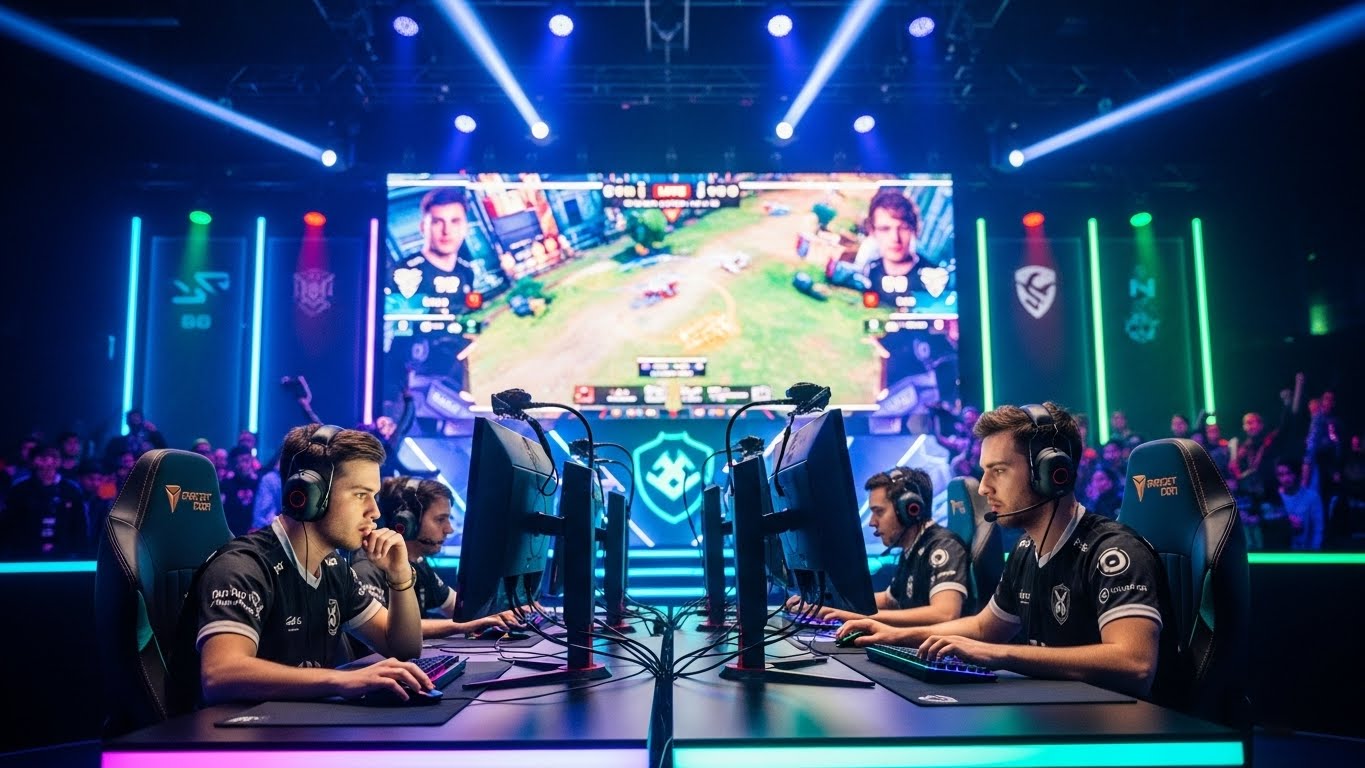
With the growth of online connectivity, esports evolved into a professional industry. Players began forming organized teams with structured training schedules, coaching, and performance analytics. Games such as League of Legends, Dota 2, and Overwatch became major competitive titles, attracting millions of viewers. Large tournaments, such as the Dota 2 International, started offering multi-million-dollar prize pools, demonstrating that gaming could rival traditional sports in both skill and financial reward. Professional esports teams now operate similarly to traditional sports franchises, complete with sponsors, branding, and fan engagement strategies.
Esports as a Global Phenomenon
One of esports’ unique qualities is its ability to connect people globally. Unlike traditional sports, esports competitions are not restricted by geography. Players from different continents can face off in real time, and tournaments are broadcast to millions of fans worldwide. Streaming platforms allow audiences to watch live matches, interact through chat, and follow their favorite players. This global accessibility has created an inclusive community where talent and strategy are more important than location or physical attributes. Esports has truly transformed competition into a worldwide digital experience.
The Economic Impact of Esports
Esports is a booming industry, generating revenue through multiple channels. Sponsorships, advertising, media rights, merchandise sales, and ticketed events contribute to its rapid growth. Brands target esports audiences because of their engagement and digital-savvy demographics. Professional players can earn significant incomes from salaries, tournament winnings, and sponsorship deals, while organizations profit from streaming partnerships and media rights. Furthermore, esports has created new career opportunities in coaching, event management, broadcasting, and content creation. Its economic footprint continues to expand, making esports a sustainable and influential industry.
Streaming Platforms: The Heart of Esports Entertainment
Streaming platforms have been instrumental in esports’ rise. Services like Twitch and YouTube Gaming allow millions of viewers to watch competitions live, interact with players, and become part of the gaming community. Streaming provides players with a platform to showcase skill, build personal brands, and generate income through subscriptions, donations, and sponsorships. Unlike traditional sports, where spectators are largely passive, esports streaming fosters a dynamic, interactive environment where fans feel part of the action. This level of engagement has helped esports thrive as both a competitive and entertainment-driven medium.
Cultural Influence of Esports
Esports has become a cultural movement as much as a competitive sport. It influences fashion, music, and social trends among younger generations. Online communities form around games, fostering friendships and collaboration beyond the digital world. Fans engage through fan art, online forums, and social media, creating subcultures centered on their favorite games and players. Esports also emphasizes cognitive skill, strategic thinking, and teamwork, challenging stereotypes that gaming is purely recreational. It represents a new form of cultural expression, merging entertainment, strategy, and technology.
Training and Strategy in Esports
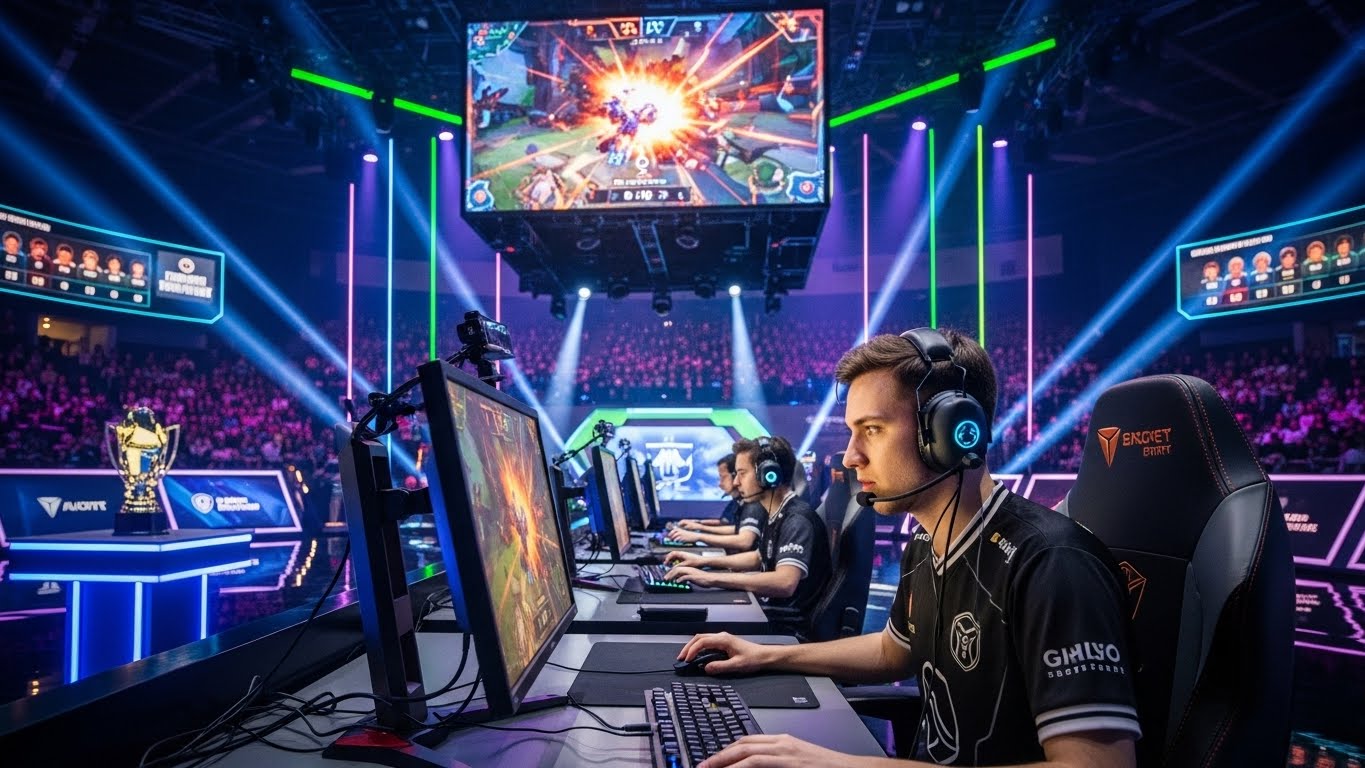
Professional esports players undergo rigorous training similar to athletes in traditional sports. They spend hours refining their mechanical skills, analyzing strategies, and studying opponents. Teams utilize coaches, analysts, and psychologists to optimize performance. Metrics such as reaction time, accuracy, and decision-making are constantly measured and improved. Mental resilience is equally important, as high-stakes competitions can be stressful and demanding. The combination of physical dexterity, strategic planning, and teamwork makes esports a complex and challenging professional discipline.
Diversity and Inclusion in Esports
Esports is inherently more inclusive than many traditional sports. Players of different genders, backgrounds, and nationalities can compete on equal footing. While challenges remain, such as representation and online harassment, the digital nature of esports removes many physical and social barriers. Women, minorities, and players from underrepresented regions are increasingly participating and excelling in competitive gaming. The industry continues to evolve toward a more inclusive environment where skill and dedication are valued above all else.
Esports in Education
Educational institutions are beginning to recognize the benefits of esports programs. Universities and high schools now offer scholarships and competitive teams, teaching students teamwork, strategy, and communication skills. These programs provide structured environments for aspiring players and demonstrate that esports can combine entertainment with personal growth. Educational involvement also legitimizes esports as a serious activity, highlighting its potential to foster leadership, collaboration, and critical thinking.
Esports as a Spectator Experience
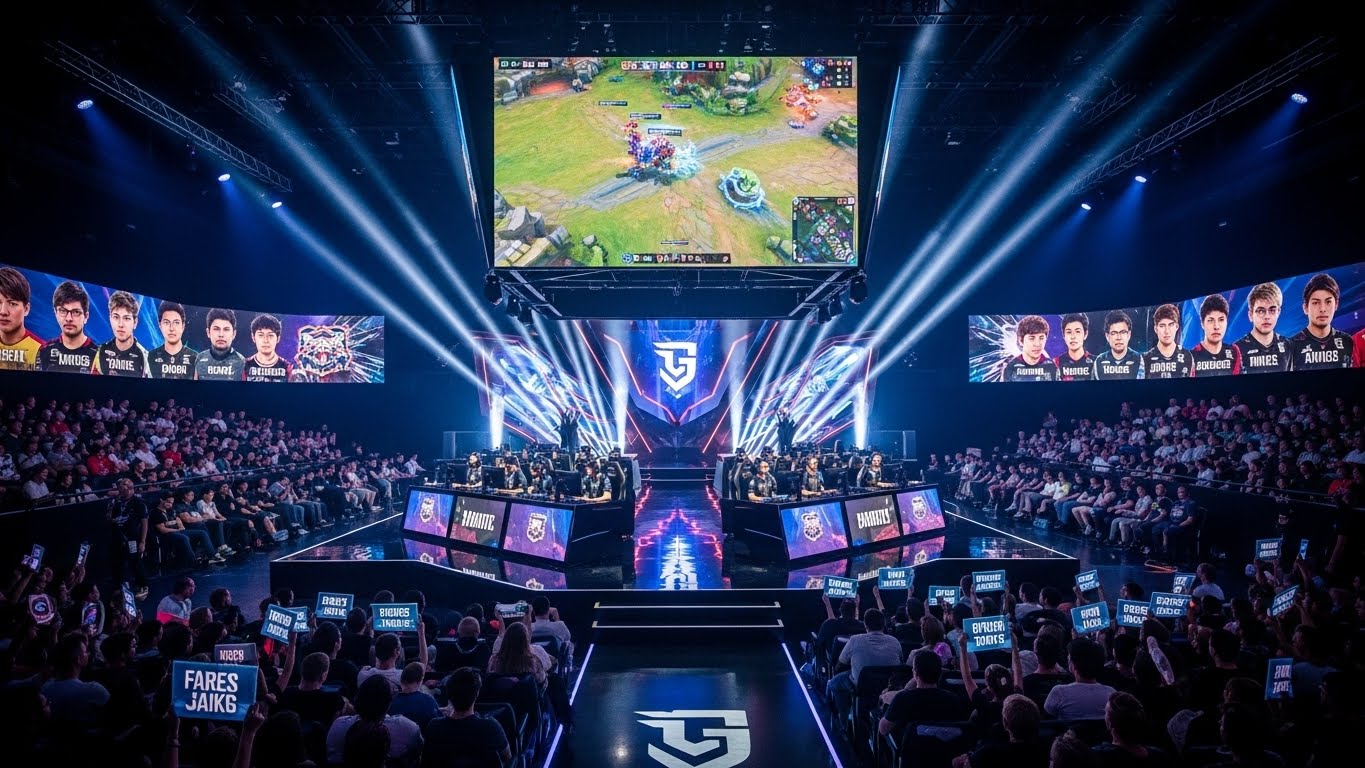
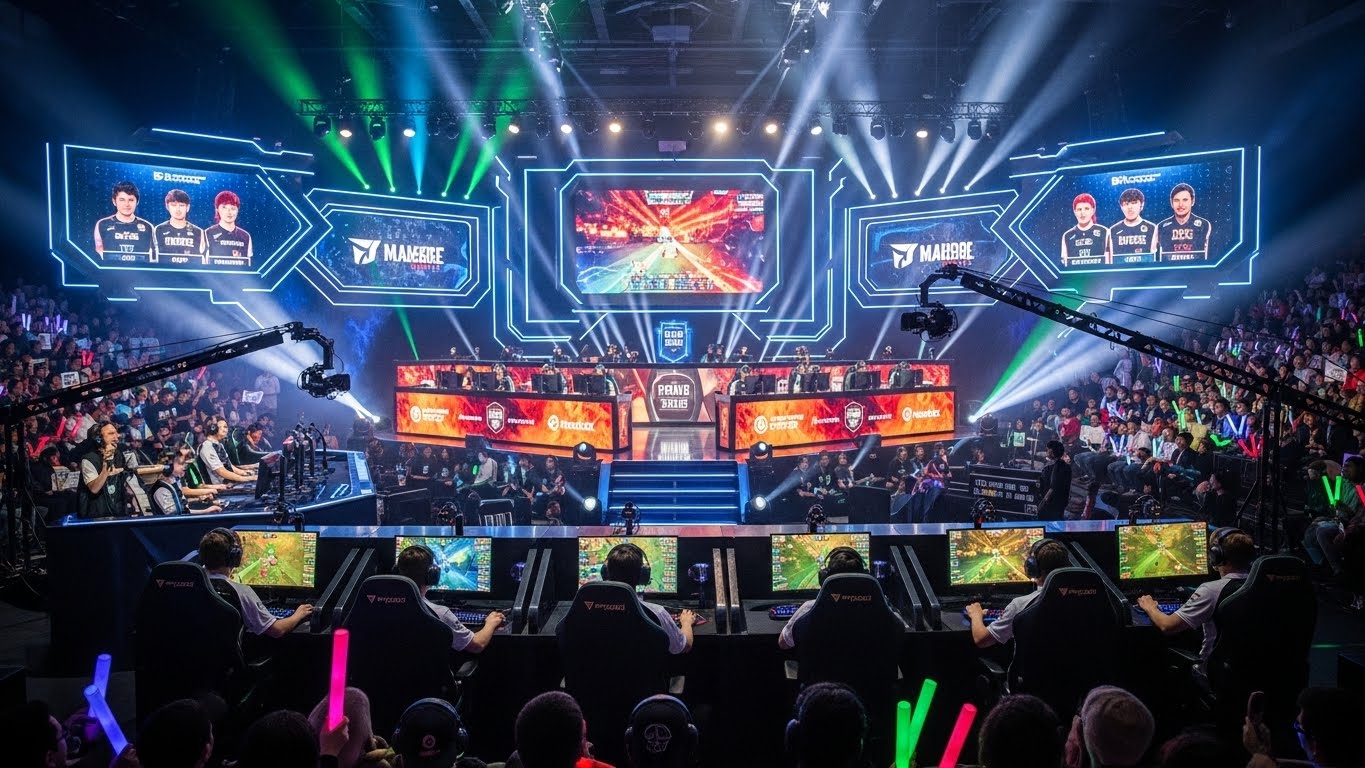
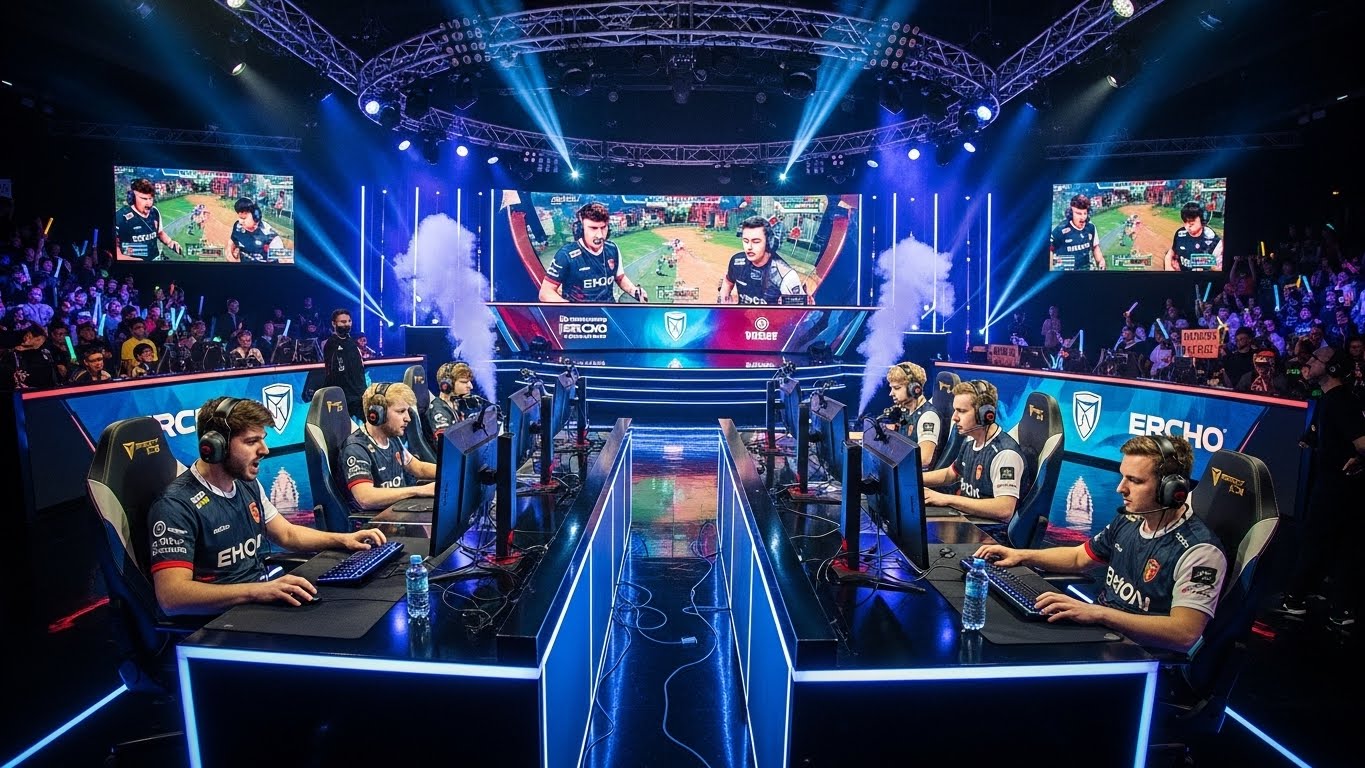
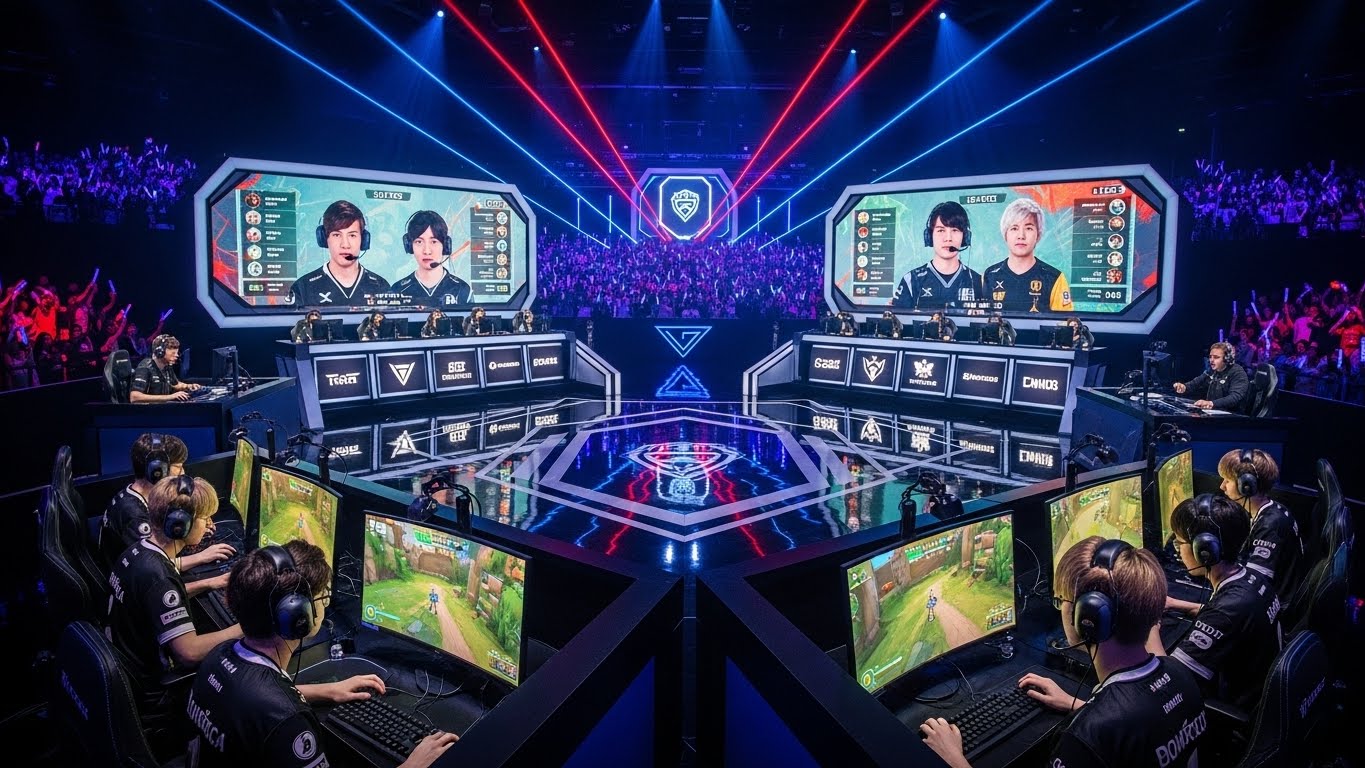
Watching esports has become an entertainment experience in its own right. Live tournaments attract millions of viewers both online and in stadiums. Fans cheer for players, analyze strategies, and interact in real time through chat features. Unlike traditional sports, esports offers unique interactivity, including live commentary, instant replays, and community engagement. The dynamic spectator experience creates a sense of immersion, where audiences feel emotionally invested in the outcomes of matches. This engagement is a key factor in the rapid growth of esports as a mainstream entertainment medium.
Health and Lifestyle in Esports
Professional esports players face unique health challenges. Long hours of practice can lead to eye strain, repetitive stress injuries, and poor posture. Mental health is also a concern, as intense competition can cause stress, anxiety, and burnout. Top esports organizations now implement physical fitness routines, mental coaching, and ergonomic support to ensure player well-being. Promoting healthy practices is essential for maintaining sustainable careers and highlights the professionalism of esports as an athletic and strategic pursuit.
Technological Innovation Driving Esports
Esports relies on cutting-edge technology for both gameplay and broadcasting. High-speed internet, advanced graphics, and powerful gaming hardware enhance competitive performance. Streaming platforms allow millions to watch tournaments live, while AI and analytics tools assist in strategy development and performance tracking. Technology also ensures accessibility, connecting players and audiences globally. As gaming engines, virtual reality, and augmented reality continue to evolve, esports will offer increasingly immersive and interactive experiences for both players and fans.
The Future of Esports
The future of esports promises even greater innovation and expansion. Virtual and augmented reality could create fully immersive competition experiences. AI-driven training tools will enhance player performance, while expanding internet access will bring in new participants from around the world. Esports is likely to continue integrating with mainstream media, attracting larger sponsorships and partnerships. Additionally, its influence on education and professional development will grow, proving that competitive gaming has applications beyond entertainment. The next decade could see esports rival traditional sports in popularity, recognition, and cultural impact.
Esports and Society
Esports reflects broader trends in society, including digital connectivity, youth culture, and globalization. It challenges traditional notions of sports by emphasizing cognitive skill, teamwork, and strategy. The industry provides economic opportunities, promotes innovation, and builds global communities. Esports also encourages creativity, problem-solving, and collaboration, offering new ways for people to engage socially and professionally. Its growth demonstrates how technology and culture can intersect to create a new form of entertainment and competition relevant to modern society.
Conclusion: The Evolution of Competitive Entertainment
Esports has evolved from casual gaming into a professional, cultural, and economic powerhouse. Its combination of strategy, skill, and technology has created a competitive environment that engages millions worldwide. Esports transcends traditional boundaries, connecting people across continents and fostering inclusive communities. With ongoing technological innovation, growing educational programs, and expanding global recognition, esports represents the future of digital competition. It is more than a pastime—it is a redefinition of what competition and entertainment can be in the 21st century. The rise of esports proves that the world of gaming is no longer just a hobby; it is a legitimate and influential part of modern culture.