
 proesportszone51
Introduction: The World of Competitive Gaming
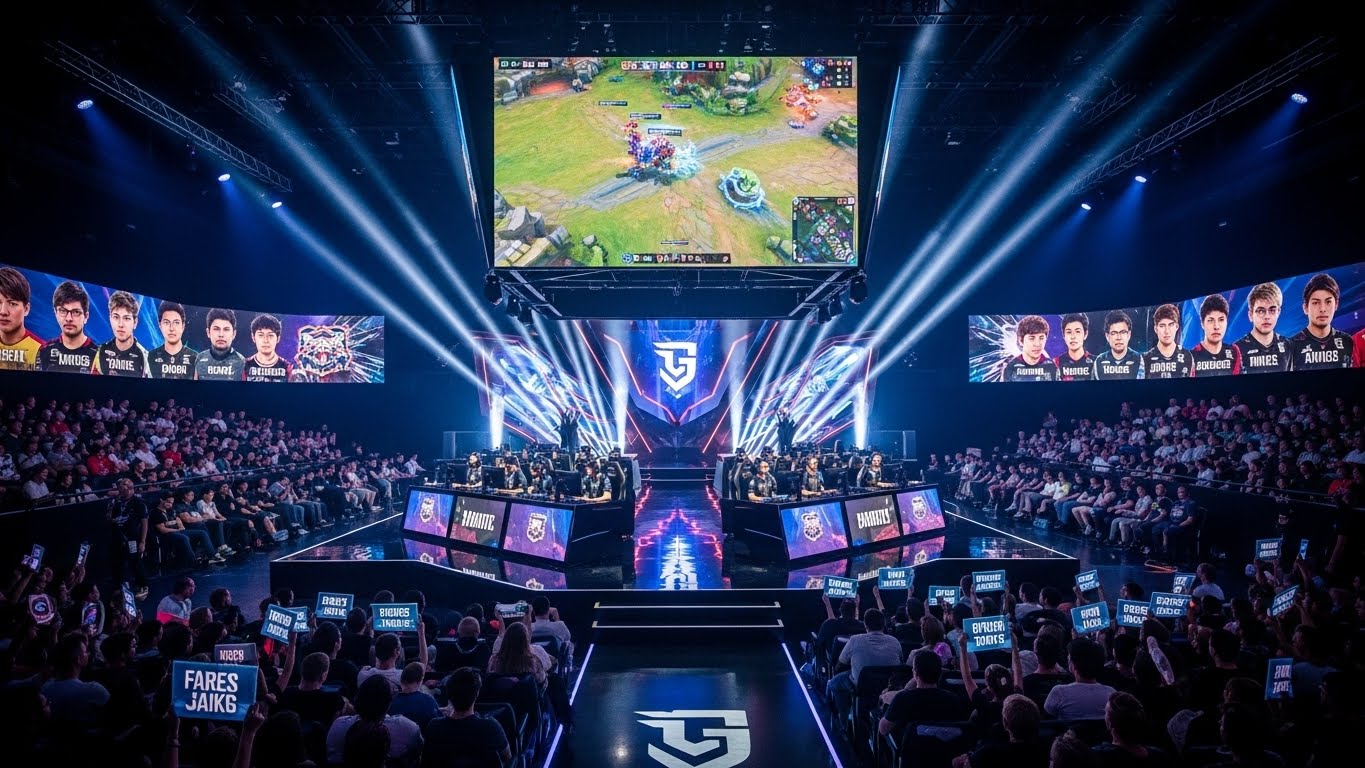
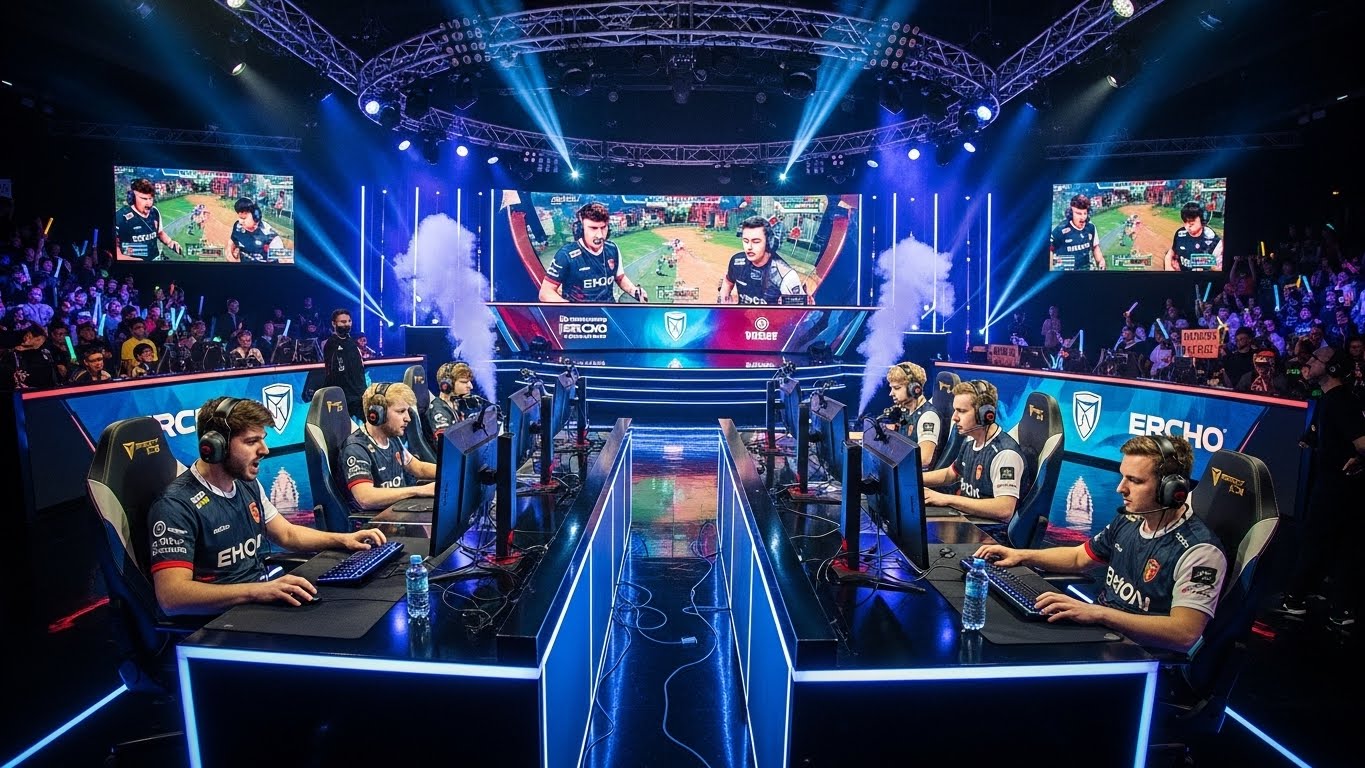
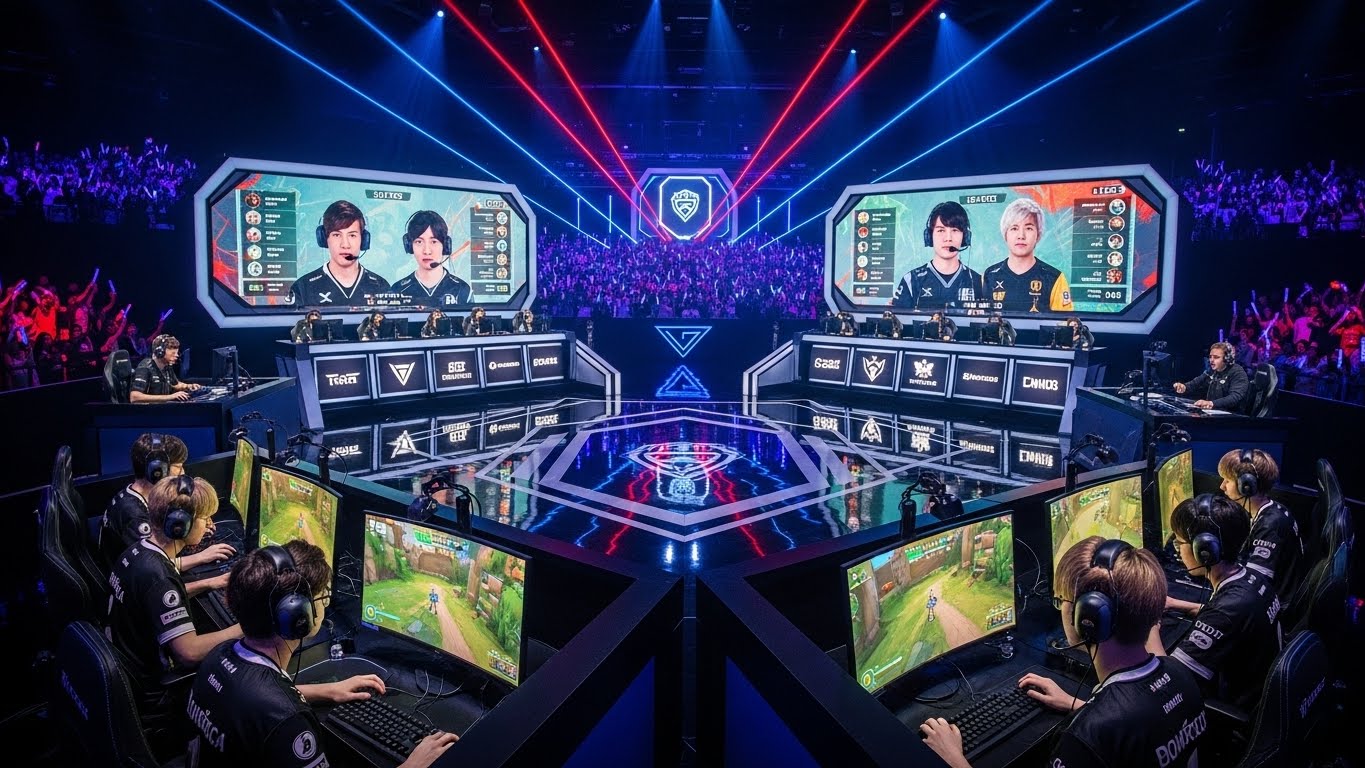
Esports, or electronic sports, represents one of the most significant cultural phenomena in the 21st century. What once began as a pastime for a niche group of passionate gamers has grown into a global entertainment industry with millions of fans, professional leagues, and players. Esports encompasses competitive gaming in various genres, from first-person shooters to real-time strategy games, and has become a legitimate sport in its own right. Today, esports spans across all continents, with large-scale tournaments, sponsorship deals, media coverage, and passionate fanbases. This digital arena has evolved into something far beyond simple gaming—it’s now a global spectacle that rivals traditional sports in terms of viewership, sponsorship, and fan engagement.
The Genesis of Esports
The roots of competitive gaming can be traced back to the early days of video games. In the 1970s and 1980s, arcade games like “Pong” and “Space Invaders” paved the way for players to engage in competitive play. However, it was in the 1990s that the foundation of modern esports began to take shape. With the rise of personal computers and the internet, games like “Doom” and “Warcraft” allowed players to compete against each other in local area networks (LAN) and online competitions. These early forms of competitive gaming began attracting more players, and the idea of tournaments and organized leagues was born.
In the late 1990s and early 2000s, titles like “StarCraft,” “Quake,” and “Counter-Strike” helped further the development of esports. These games allowed for multiplayer online play, providing a fertile ground for the first esports communities. LAN tournaments began to proliferate, and it wasn’t long before larger, international competitions took place. Esports had officially moved from a niche interest to a mainstream activity that attracted attention from both players and fans.
The Growth of Esports Leagues and Tournaments
The true rise of esports as a professional sport began in the mid-2000s, driven by the success of online games like “League of Legends,” “Dota 2,” “Counter-Strike: Global Offensive,” and “Overwatch.” As these games grew in popularity, so too did the structure of competitive gaming. In 2011, Riot Games launched the first League of Legends World Championship, a turning point for esports as a recognized competitive event. The tournament saw massive viewership and helped cement “League of Legends” as one of the most popular esports games in history.
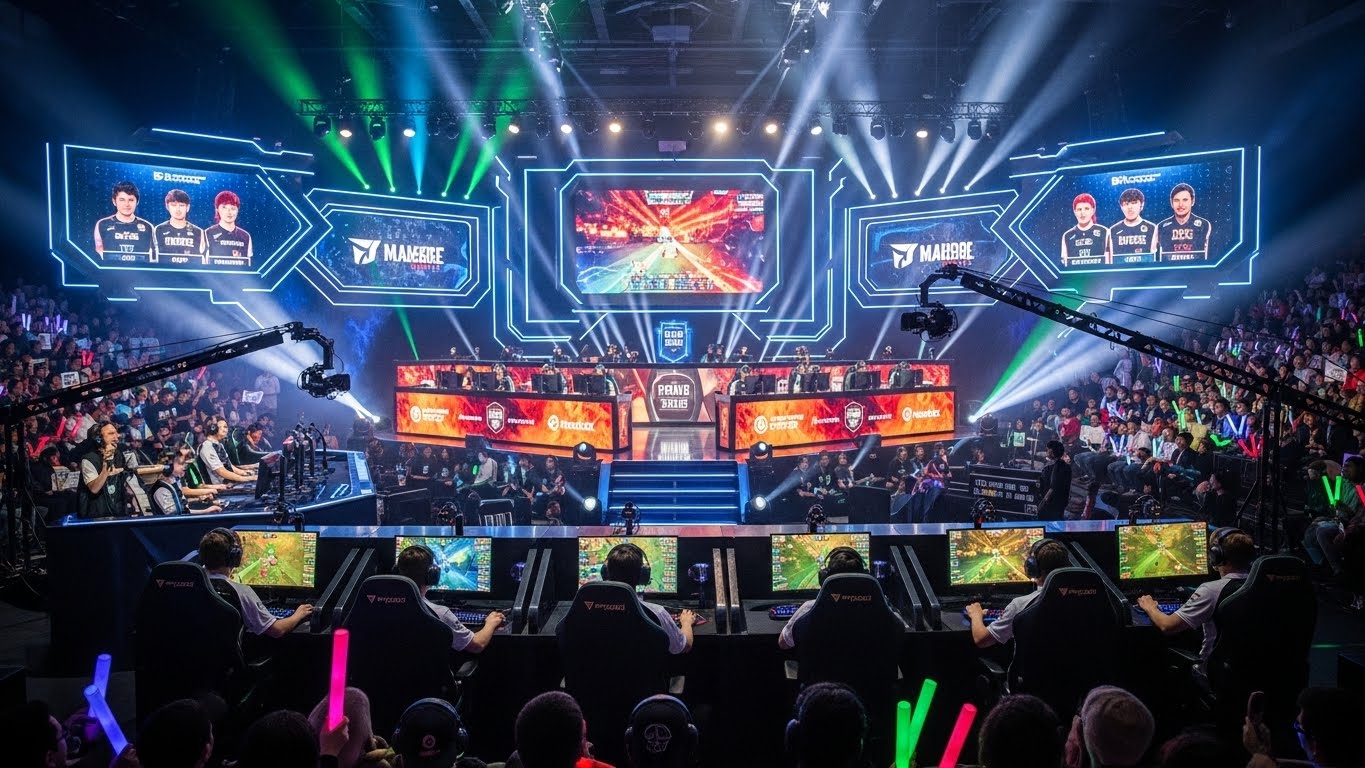
Over the next few years, esports tournaments became larger and more structured. Major events like “The International” (Dota 2), “The Overwatch League,” and the “Fortnite World Cup” began to draw huge audiences both in-person and online. Prize pools grew from thousands to millions of dollars, making professional gaming a financially viable career for talented players. The professionalization of esports mirrored traditional sports in many ways, with players signing contracts, organizations managing teams, and sponsors investing large sums of money to promote their brands.
Esports as a Multi-Billion Dollar Industry
Esports is now a global industry worth billions of dollars. The industry generates revenue from various sources, including sponsorships, media rights, advertising, merchandise sales, and ticket sales for live events. According to industry reports, esports revenue is expected to surpass $1 billion annually in the coming years, with sponsorships and advertising accounting for a significant portion of that growth.
Sponsorships play a key role in the economic structure of esports. Global brands such as Coca-Cola, Intel, Red Bull, and Adidas have invested heavily in esports teams and tournaments, recognizing the massive exposure and brand association opportunities the sport offers. In addition, major media outlets and streaming platforms, such as Twitch, YouTube, and ESPN, have created dedicated sections for esports, broadcasting live events and creating an immersive fan experience.
Esports has also opened up new career opportunities for players, coaches, broadcasters, analysts, and content creators. Top-tier esports players can make millions of dollars from tournament winnings, sponsorships, and streaming deals. Content creators on platforms like Twitch and YouTube earn money through subscriptions, ads, and donations from fans. Esports has created an ecosystem of jobs and revenue streams, making it a sustainable industry for everyone involved.
Esports and the Global Audience
One of the most remarkable aspects of esports is its ability to bring together people from all corners of the globe. Unlike traditional sports, where geographic location often determines which teams you can support, esports is borderless. As long as there is an internet connection, players and fans from different countries can compete and watch tournaments. The global nature of esports has allowed it to break down cultural and linguistic barriers, creating a shared experience for millions of people.
The rise of streaming platforms like Twitch has been pivotal in the global expansion of esports. Twitch alone attracts millions of viewers every month, offering a platform for fans to watch live gameplay, interact with streamers, and engage with the esports community. Major esports tournaments are streamed to millions of fans worldwide, some of whom tune in from time zones that are far removed from the event’s host location. This global reach has helped to make esports a truly international event, with players from all countries taking part in prestigious tournaments.
Esports as a Career
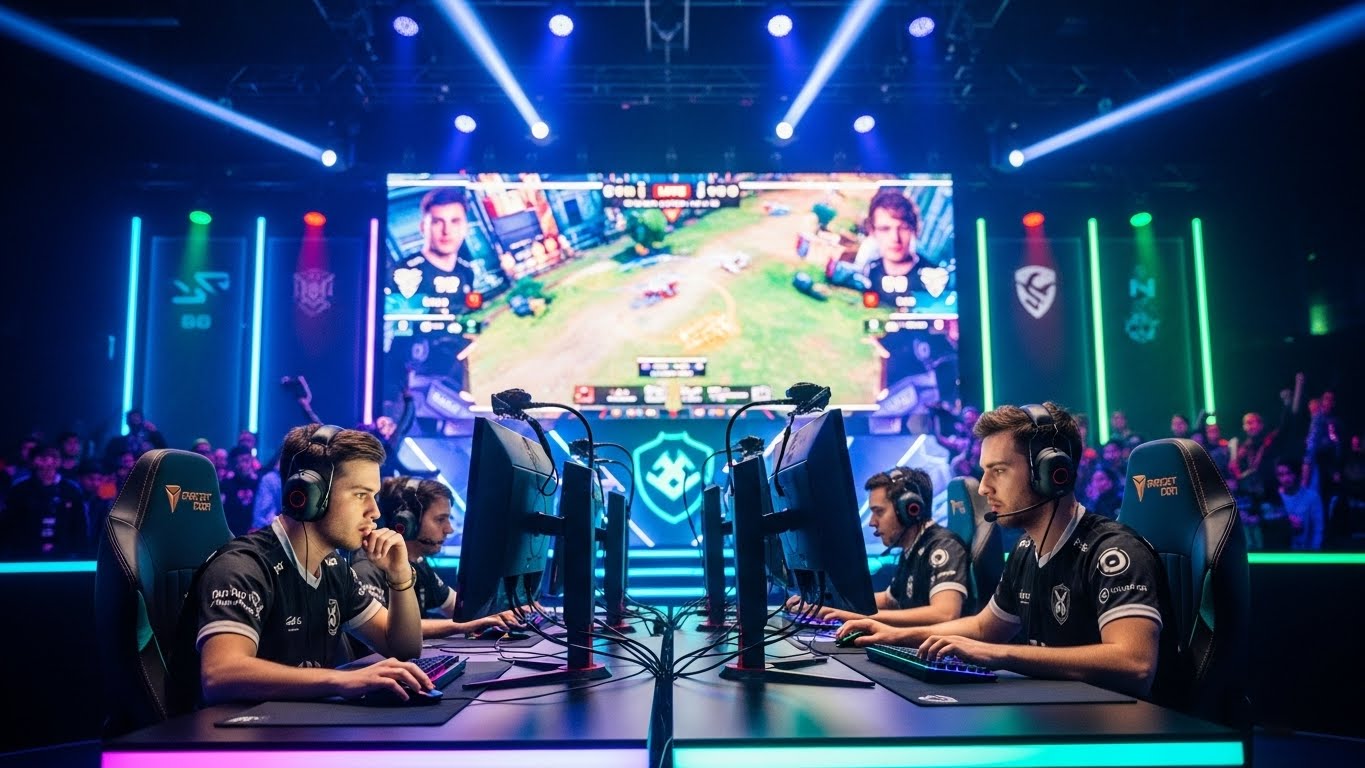
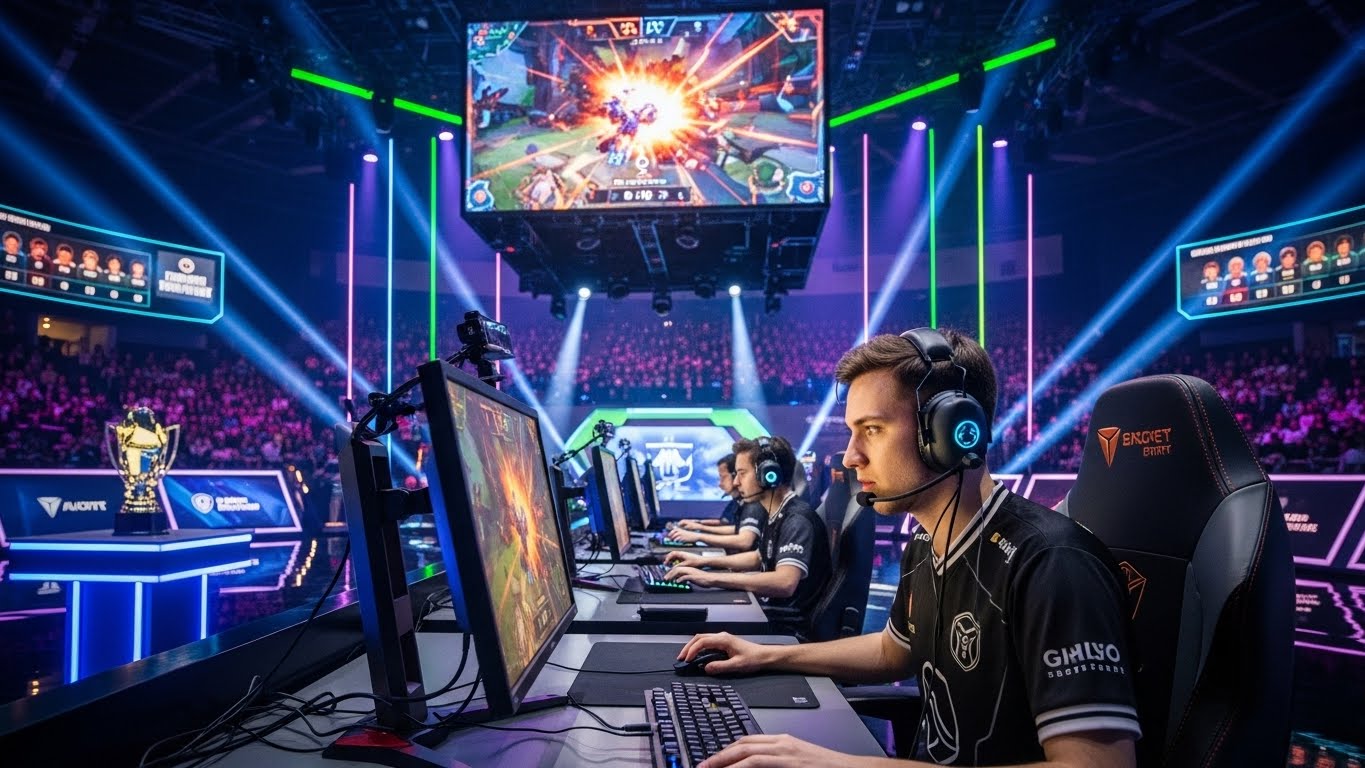
One of the most fascinating developments within the esports ecosystem is the growth of professional esports careers. Professional players now train for hours each day, competing in organized leagues and tournaments. Many players begin their careers in their teens and work their way up through smaller regional tournaments before making it to the world stage. The commitment required to succeed in esports is similar to that of traditional athletes—years of practice, discipline, and sacrifice are needed to reach the top.
Esports players are often sponsored by major brands, receiving financial support in exchange for promoting products during broadcasts and on social media. In addition, many players stream their games on platforms like Twitch, where they can earn income through donations, subscriptions, and ad revenue. Esports has provided a platform for individuals to turn their passion for gaming into a full-time profession.
Along with players, there is a growing demand for other careers in esports. Coaches, analysts, event organizers, marketers, and broadcasters are all integral to the success of esports organizations and events. Educational institutions are beginning to recognize the potential of esports, offering programs in esports management, marketing, and even game design. This has led to the professionalization of the industry, with individuals able to carve out long-term careers in a variety of roles.
The Mental and Physical Challenges of Esports
While esports may appear to be a purely mental activity, it comes with its own set of physical and psychological challenges. Professional esports players spend hours a day practicing and refining their skills. This can take a toll on their bodies, with many players experiencing wrist injuries, eye strain, and poor posture from sitting for extended periods. There is growing awareness in the esports community about the importance of physical well-being, and some organizations now employ trainers, physiotherapists, and nutritionists to ensure players maintain their health.
Mental health is another area of focus in esports. The pressure to perform at the highest level, the stress of constant travel, and the intense competition can take a toll on players’ mental well-being. Many players face burnout, anxiety, and stress, which can affect their performance and overall happiness. To address this, esports organizations are increasingly focusing on mental health support, with some employing sports psychologists to help players cope with the psychological demands of the job.
The Future of Esports
The future of esports looks incredibly promising. With advances in technology, the gaming experience will continue to evolve. Virtual reality (VR) and augmented reality (AR) are already making their way into the world of esports, and these technologies have the potential to redefine how players compete and how fans engage with esports events. The rise of mobile gaming is also creating new opportunities for competitive gaming, with games like “PUBG Mobile” and “Mobile Legends” already hosting major tournaments.
Additionally, esports will continue to merge with traditional sports. Many professional sports teams are investing in esports organizations, with some even creating their own esports teams. This fusion of traditional and digital sports could result in more innovative formats for competition and fan engagement.
The Social Impact of Esports
Esports has become more than just a form of entertainment—it has also become a powerful social tool. It has brought people together, fostered friendships, and created communities around shared interests. Esports events, whether in-person or online, provide fans with a sense of belonging. Competitive gaming also promotes values such as teamwork, discipline, and leadership, all of which have positive effects on personal development.
Esports also has a social impact beyond entertainment. Many esports tournaments are used to raise awareness for causes such as mental health, cancer research, and disaster relief. Charity events and fundraising streams have become common, with the gaming community showing its willingness to give back and support those in need.
Conclusion: Esports is Here to Stay
Esports has come a long way from its humble beginnings as a casual gaming hobby. Today, it is a global industry, a competitive sport, and a source of entertainment for millions of fans around the world. With its growing visibility, increased investments, and expanding fan base, esports is no longer just a passing trend—it is a cultural force that will continue to shape the future of gaming, entertainment, and sports for years to come.
As esports continues to grow and evolve, it will open up new opportunities, connect people across borders, and create lasting legacies for the athletes who dedicate their lives to this digital arena. The digital gladiators of esports are here to stay, and their impact on the world of sports and entertainment will only increase in the years to come.