
 proesportszone51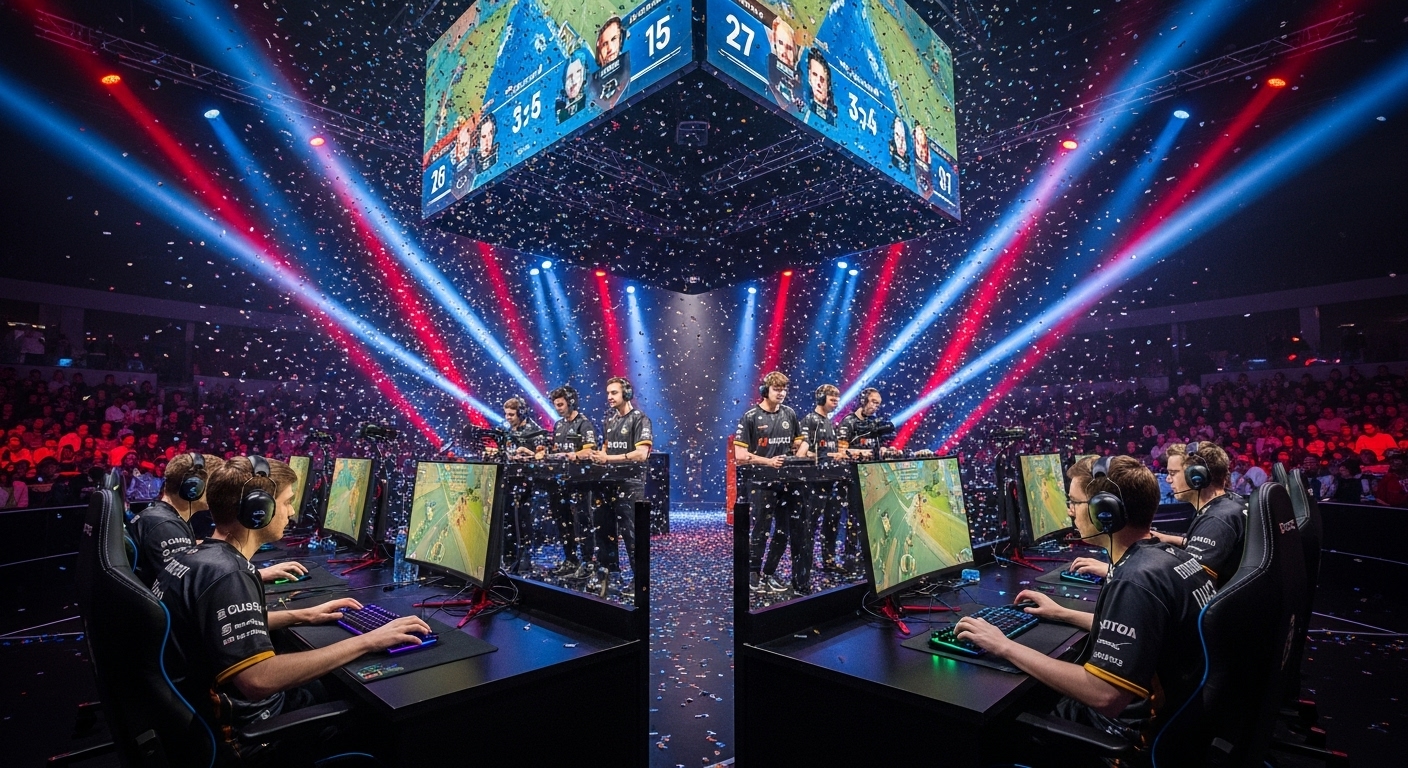
Esports, short for electronic sports, has evolved over the past few decades into one of the most influential and profitable sectors in the global entertainment and gaming industry. What began as casual video game competitions has blossomed into a multi-billion-dollar industry, with professional athletes, massive fan followings, and corporate sponsorships driving its explosive growth. Today, esports is as mainstream as traditional sports, and its impact continues to resonate across cultures, industries, and generations.
In this blog post, we will explore the rise of esports, its current state, and the future prospects of this dynamic field. From the early days of arcade gaming to the digital arenas of today, we will delve into the history, culture, and key factors that have made esports the powerhouse it is today.
The Origins of Esports
The Early Days: From Arcades to LAN Parties
The origins of esports can be traced back to the late 20th century, when competitive gaming was primarily limited to small communities of enthusiasts and hobbyists. In the 1970s and 1980s, arcade games such as Pong, Space Invaders, and Pac-Man began to draw large crowds, and some of the first informal gaming competitions took place. However, it wasn’t until the rise of personal computers in the 1990s that competitive gaming began to take a more structured form.
One of the first notable moments in esports history occurred in 1997 with the launch of Red Annihilation, an online Quake tournament. This competition attracted attention for its scale and the level of skill required to compete. It also marked the beginning of online multiplayer gaming, which laid the foundation for future esports events.
Meanwhile, LAN (Local Area Network) parties were becoming a popular way for gamers to connect and compete with each other in the same physical space. These events were typically held in private homes or small venues, but they allowed players to experience the thrill of competitive play in a way that was previously impossible. As the internet became more widespread, online gaming grew exponentially, bringing about the rise of competitive gaming leagues and tournaments.
The Birth of Major Competitions and Leagues
In the early 2000s, esports began to take on a more organized form with the establishment of major competitions and gaming leagues. One of the first large-scale esports tournaments was the World Cyber Games (WCG), which began in 2000 and quickly gained international recognition. The WCG helped solidify esports as a legitimate competitive activity and showcased the potential of gaming as a global spectacle.
Around the same time, the launch of StarCraft in 1998 and its subsequent rise in South Korea played a crucial role in the esports revolution. The game became immensely popular, and by the early 2000s, South Korea had become the epicenter of esports, with games like StarCraft: Brood War and Warcraft III dominating the competitive scene. The country developed a robust esports infrastructure, complete with dedicated gaming cafes, television broadcasts, and professional leagues, setting a precedent for the rest of the world.
The Evolution of Esports
The Growth of Online Streaming Platforms
In the mid-2000s, a significant shift occurred with the rise of online streaming platforms, particularly Twitch. Launched in 2011, Twitch allowed gamers to broadcast their gameplay live to a global audience, enabling viewers to watch and interact with top players in real-time. This provided a new level of accessibility to competitive gaming and greatly expanded its reach beyond the confines of traditional media outlets.
The success of Twitch also helped to democratize the world of esports. Gamers no longer needed to be part of an exclusive league or team to gain an audience. They could stream their gameplay directly to viewers, building personal brands and careers around their gaming skills. As a result, esports grew exponentially, attracting millions of viewers and generating massive advertising revenue. Today, Twitch boasts millions of active users, with top esports events regularly attracting millions of viewers worldwide.
The Emergence of Professional Esports Teams
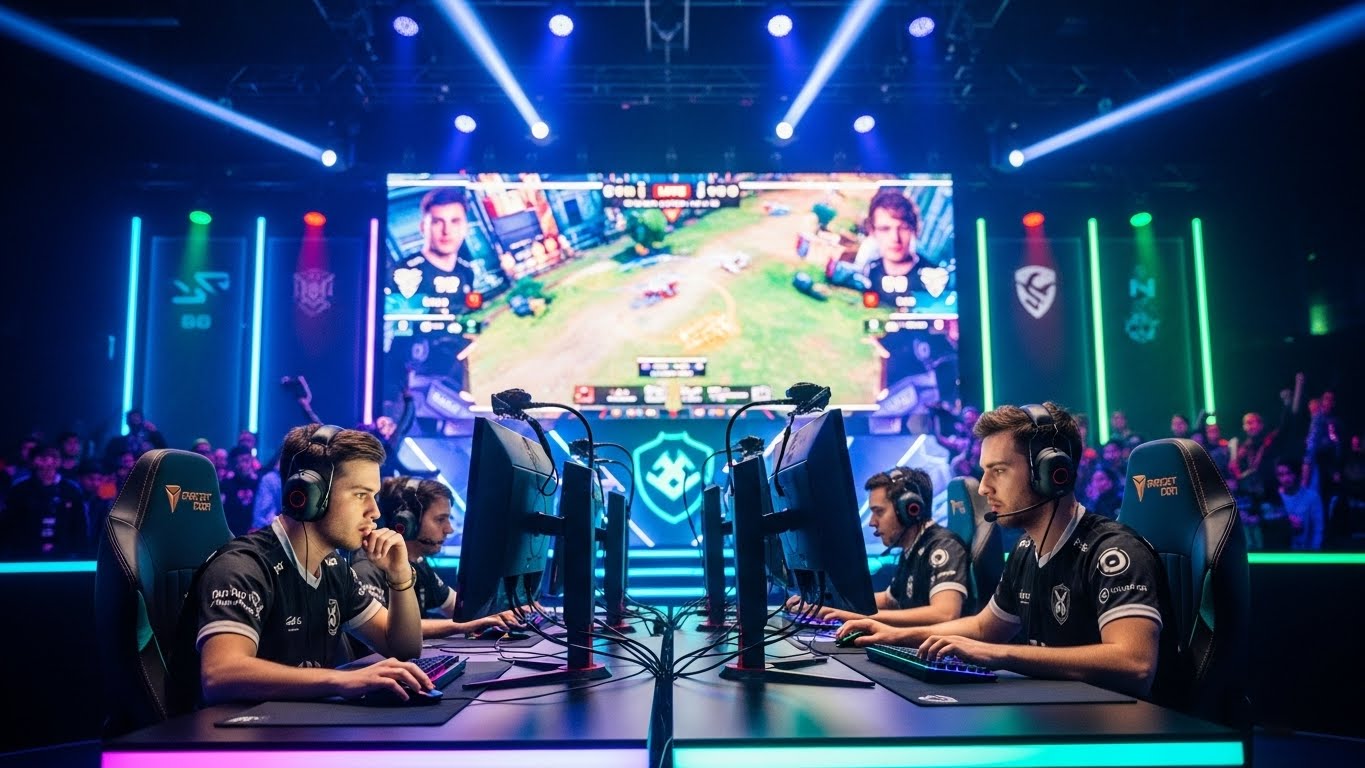
As esports became more popular, the concept of professional gaming teams began to take shape. In games like League of Legends, Dota 2, and Counter-Strike: Global Offensive, teams of players began competing together for cash prizes, sponsorships, and fame. These teams were often backed by large organizations or investors, and players were offered contracts to represent these teams in competitive play.
The success of teams like Fnatic, SK Gaming, and Cloud9 helped establish a professional ecosystem for esports, with players becoming celebrities in their own right. They began to build followings on social media, stream their games for fans, and even secure endorsement deals with major brands. These professional teams became the driving force behind major esports events, often playing in front of thousands of live spectators and millions more watching online.
The Role of Sponsorships and Advertisers
One of the key factors behind the rise of esports has been the involvement of major brands and advertisers. As esports began to attract larger audiences, companies saw an opportunity to tap into a rapidly growing market. Sponsorship deals with esports teams, tournaments, and individual players became a lucrative avenue for companies to promote their products to a young, tech-savvy demographic.
Tech giants like Intel, Nvidia, and AMD quickly became key sponsors of esports events, providing the hardware necessary to run high-level competitions. Similarly, companies in the gaming industry, such as Blizzard Entertainment, Riot Games, and Valve, have invested heavily in the esports scene, creating games specifically designed for competitive play and supporting esports leagues and tournaments.
However, it’s not just tech companies that have recognized the potential of esports. Brands from industries like energy drinks, apparel, and even car manufacturers have jumped on board, with companies like Red Bull, Coca-Cola, and Mercedes-Benz sponsoring top teams and events. This influx of investment has helped drive the professionalization of esports and contributed to its continued growth.
The Modern Esports Ecosystem
Global Tournaments and Major Leagues
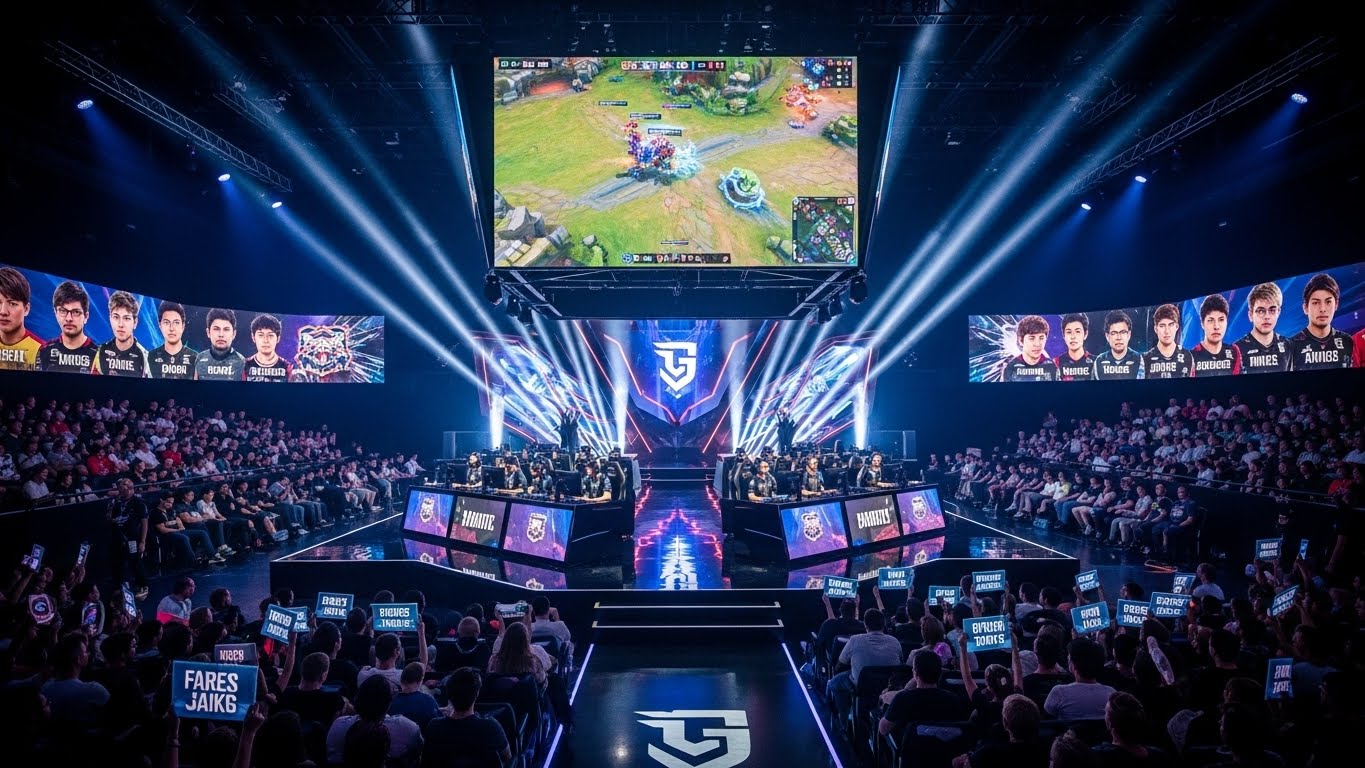
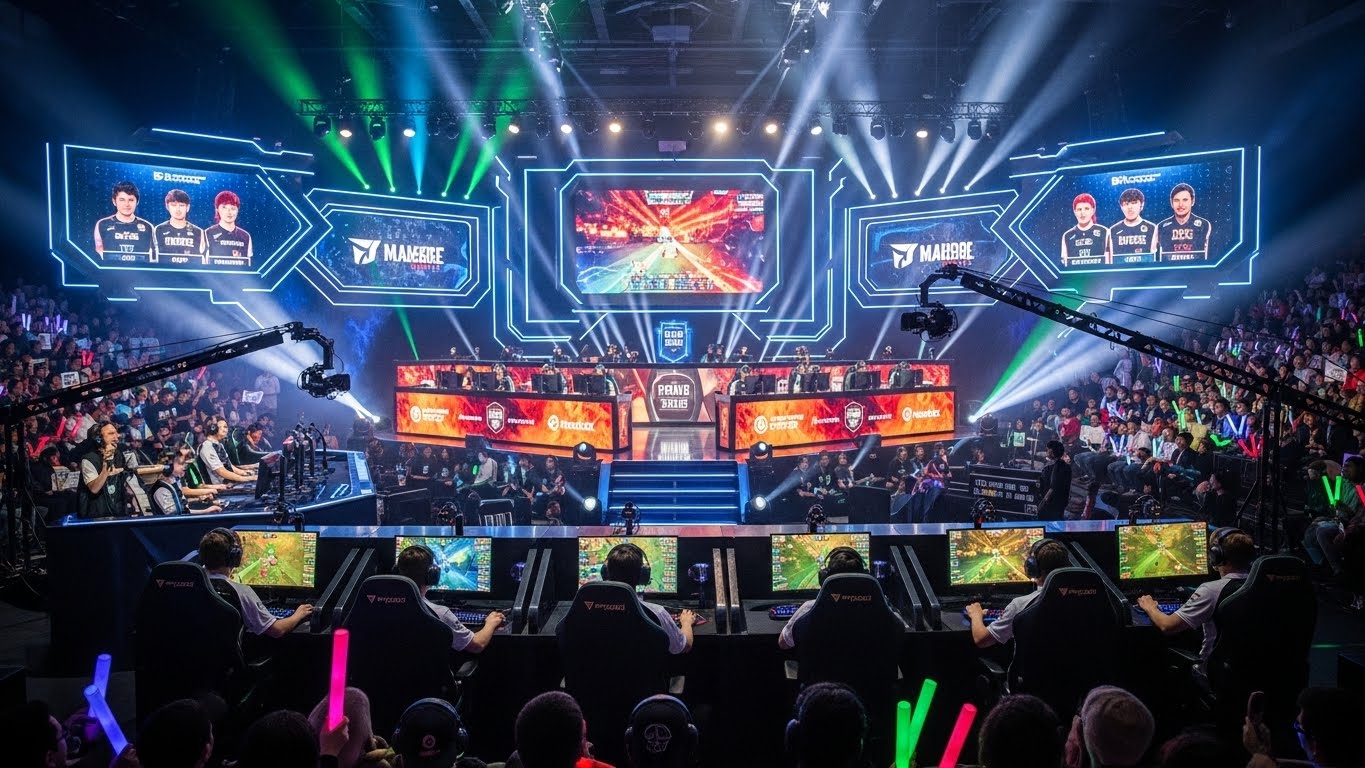
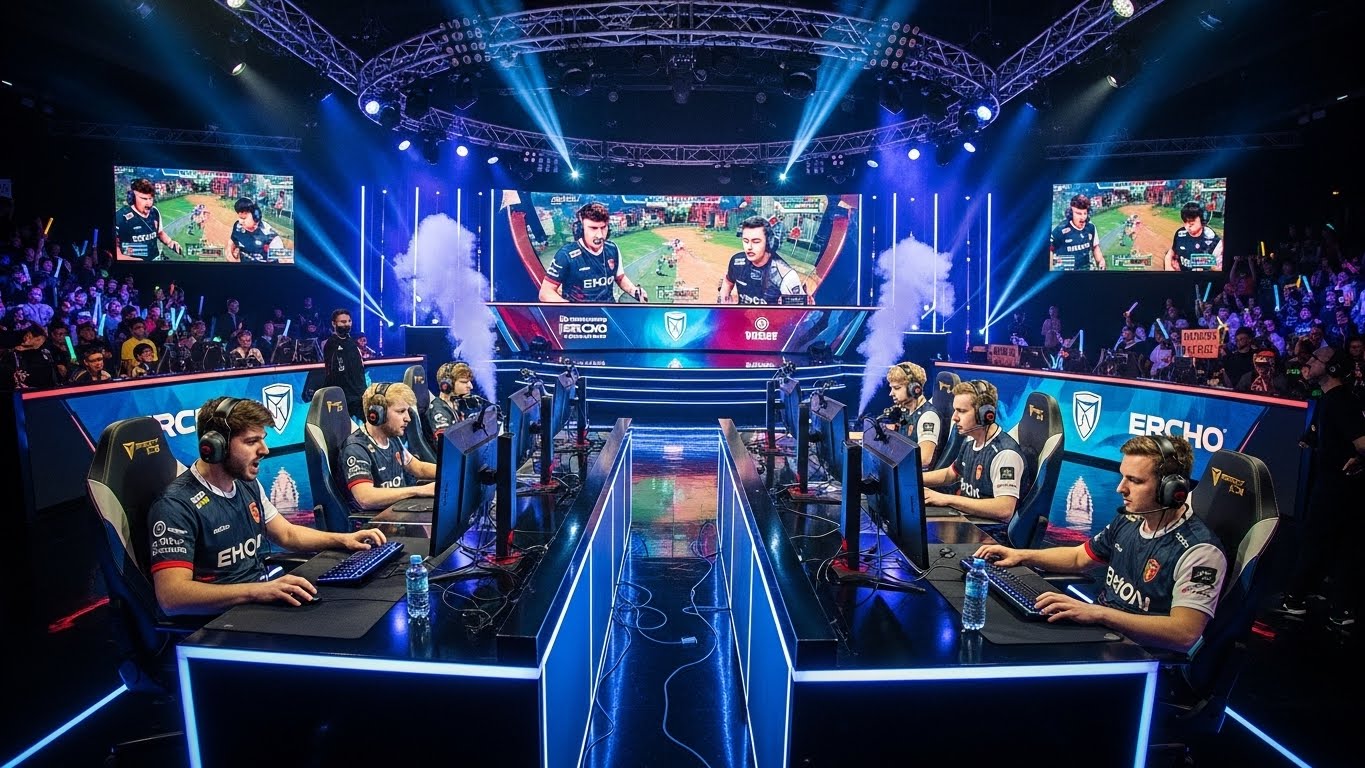
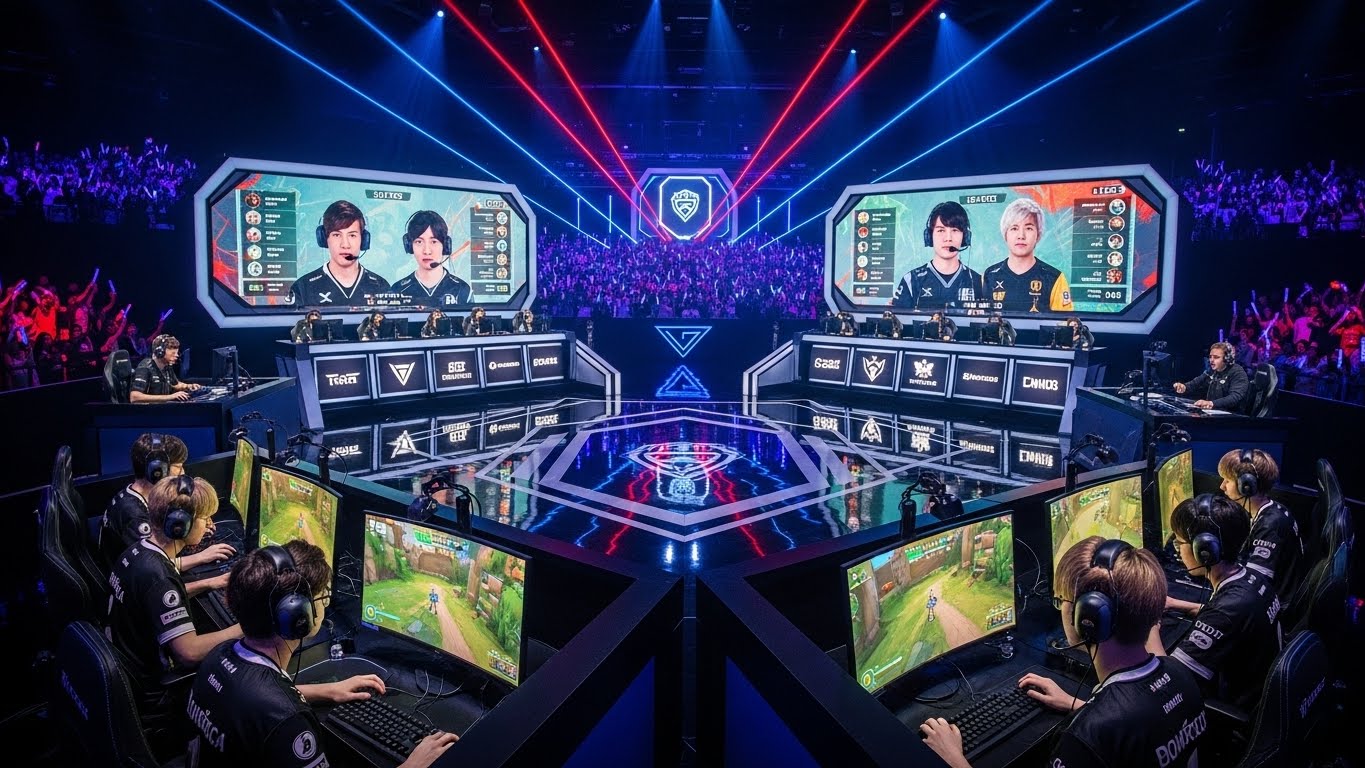
Today, esports boasts an incredibly diverse and complex ecosystem. One of the key features of the modern esports scene is the existence of major tournaments and leagues that bring together top players from around the world. These tournaments are held in massive arenas, often with tens of thousands of spectators, and feature multimillion-dollar prize pools.
Games like League of Legends, Dota 2, CS:GO, and Fortnite are among the most popular in the esports world, and their tournaments attract millions of viewers. The League of Legends World Championship, for example, is one of the largest and most prestigious events in esports, with prize pools reaching tens of millions of dollars and viewership numbers comparable to major traditional sports events.
In addition to international competitions, there are numerous regional leagues that help support the growth of esports on a local level. For example, the Overwatch League features teams from cities around the world, while the Call of Duty League hosts teams based in North America. These leagues help to develop talent, create local fanbases, and provide a pathway for aspiring players to break into the professional scene.
Esports as a Career Path
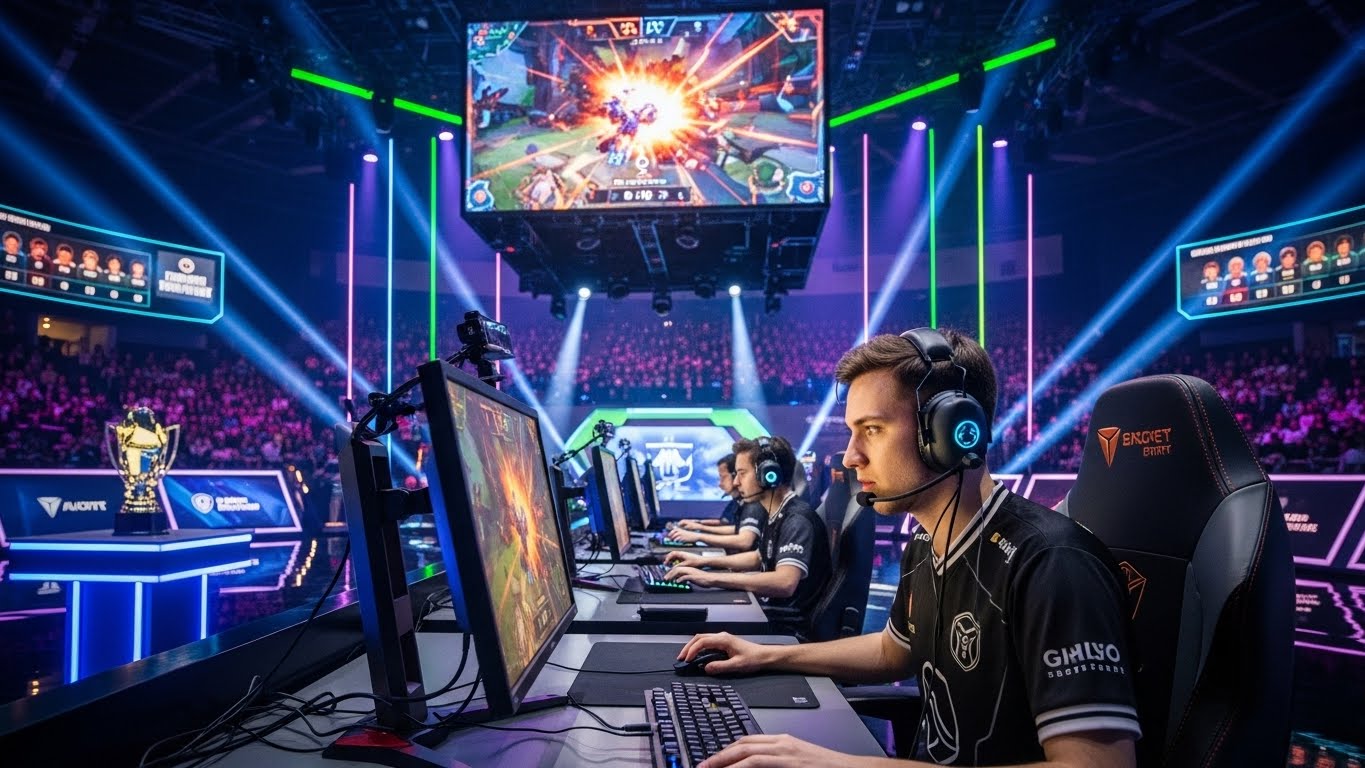
For many young gamers, esports has become a legitimate career path. Professional players, coaches, analysts, casters, and content creators all make a living in the esports industry, and the demand for skilled professionals has only grown as the industry continues to expand. Players at the top of their game can earn millions of dollars in prize money, salaries, and sponsorships, while those in supporting roles also enjoy lucrative opportunities.
Esports organizations now have full-time staff who manage everything from team logistics to marketing and public relations. There is also a growing demand for analysts, statisticians, and broadcasters who help bring the action to life for viewers. The rise of esports has created a whole new ecosystem of careers, providing opportunities for people with a variety of skill sets.
Moreover, the global nature of esports has led to the creation of international job opportunities. Players and staff travel around the world for tournaments, and many esports organizations have begun to set up offices in different countries to tap into new markets. This international reach has helped to further solidify esports as a global phenomenon, with people from all corners of the world contributing to its growth.
The Role of Esports in Mainstream Culture
One of the most significant developments in recent years has been the increasing integration of esports into mainstream culture. Esports events are now broadcast on major sports networks and streamed on platforms like YouTube, Facebook, and Twitch. In some countries, esports has even been recognized as a legitimate sport, with professional athletes gaining the same recognition as those in traditional sports.
Esports also has a growing presence in universities and colleges, where competitive gaming clubs and teams have been established to provide students with the opportunity to compete at a high level. In fact, many universities now offer esports scholarships to attract top talent and promote gaming as a serious pursuit.
Additionally, esports has begun to merge with other forms of entertainment, including music and fashion. Esports events are often accompanied by live music performances, and players are frequently featured in advertisements, music videos, and fashion campaigns. This cross-industry collaboration has helped esports to gain even more exposure and appeal to a wider audience.
The Future of Esports
Emerging Technologies and Innovations
Looking ahead, esports is poised to continue its rapid growth, driven by innovations in technology and media. Virtual reality (VR) and augmented reality (AR) could revolutionize the way esports is played and viewed, providing players with more immersive experiences and allowing fans to engage with events in new ways.
In addition, the continued evolution of broadcasting and streaming technology will make esports more accessible to viewers around the world. With 5G networks rolling out globally, the potential for high-quality, low-latency streaming is greater than ever, which could further boost the popularity of esports.
Increased Integration with Traditional Sports
As esports continues to grow, it is likely that we will see even more integration with traditional sports. Many major sports leagues, such as the NBA and NFL, have already begun to experiment with esports partnerships, and it’s not hard to imagine a future where esports and traditional sports exist side by side in the same arena.
Some major sports teams have even launched their own esports divisions, with professional players competing in games like FIFA, NBA 2K, and Madden NFL. This cross-pollination between esports and traditional sports opens up new avenues for growth and introduces esports to an even broader audience.
Global Expansion and Inclusivity
Esports will continue to expand its global reach, especially in emerging markets like China, India, and Brazil. As internet access becomes more widespread, these regions will increasingly become hotspots for competitive gaming, with local tournaments and leagues providing a platform for new talent.
Moreover, esports has the potential to be an incredibly inclusive industry. With a diverse range of games, from strategy and shooting games to fighting and sports games, there is something for everyone. The rise of mobile esports is also making it easier for people with limited resources to participate in competitive gaming, further democratizing the scene.
Conclusion
Esports has come a long way since its humble beginnings in the 1990s. Today, it is a global powerhouse that continues to grow at an exponential rate. The evolution of esports is a testament to the power of gaming as a form of entertainment and competition. With continued innovation, investment, and inclusivity, esports is well on its way to becoming an integral part of mainstream culture and a major player in the global entertainment landscape.
The future of esports looks incredibly bright, and as it continues to evolve, it will undoubtedly leave a lasting impact on how we view competition, entertainment, and community. Whether you’re a player, a fan, or someone just getting started, the world of esports offers endless possibilities and opportunities to be part of something truly extraordinary.