
 proesportszone51
Introduction
In the past decade, the world of competitive gaming has undergone a remarkable transformation. What was once a niche hobby, reserved for a small group of dedicated players and fans, has exploded into a global phenomenon—esports. Esports, or electronic sports, refers to organized, multiplayer video game competitions, particularly between professional players, individually or as teams.
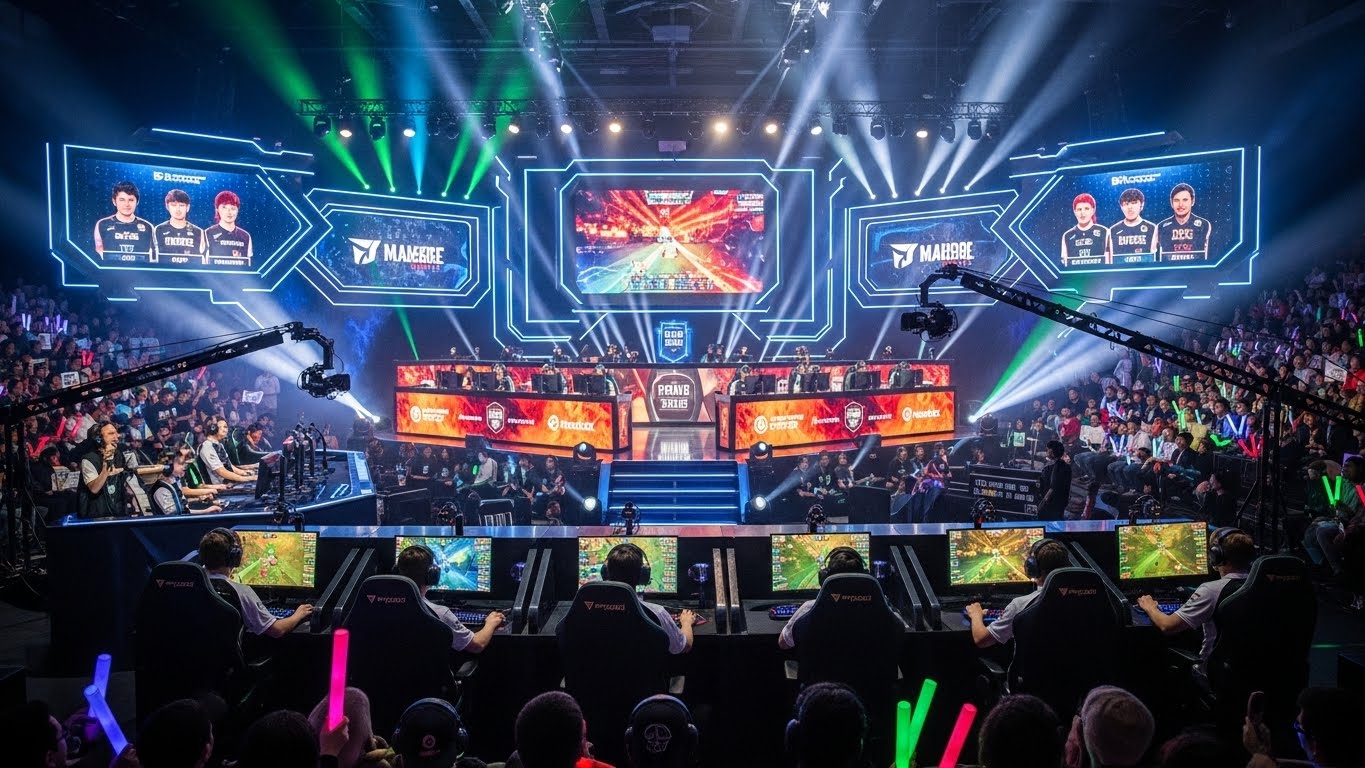
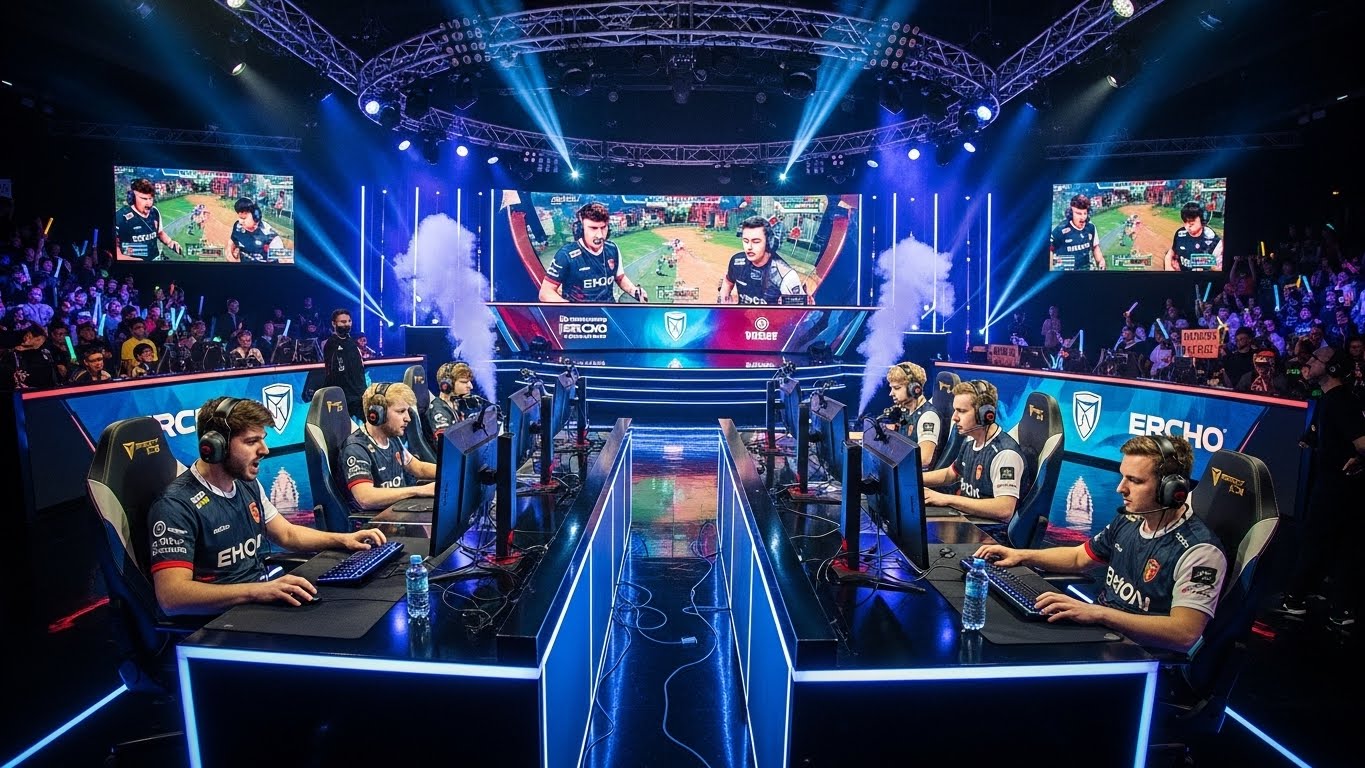
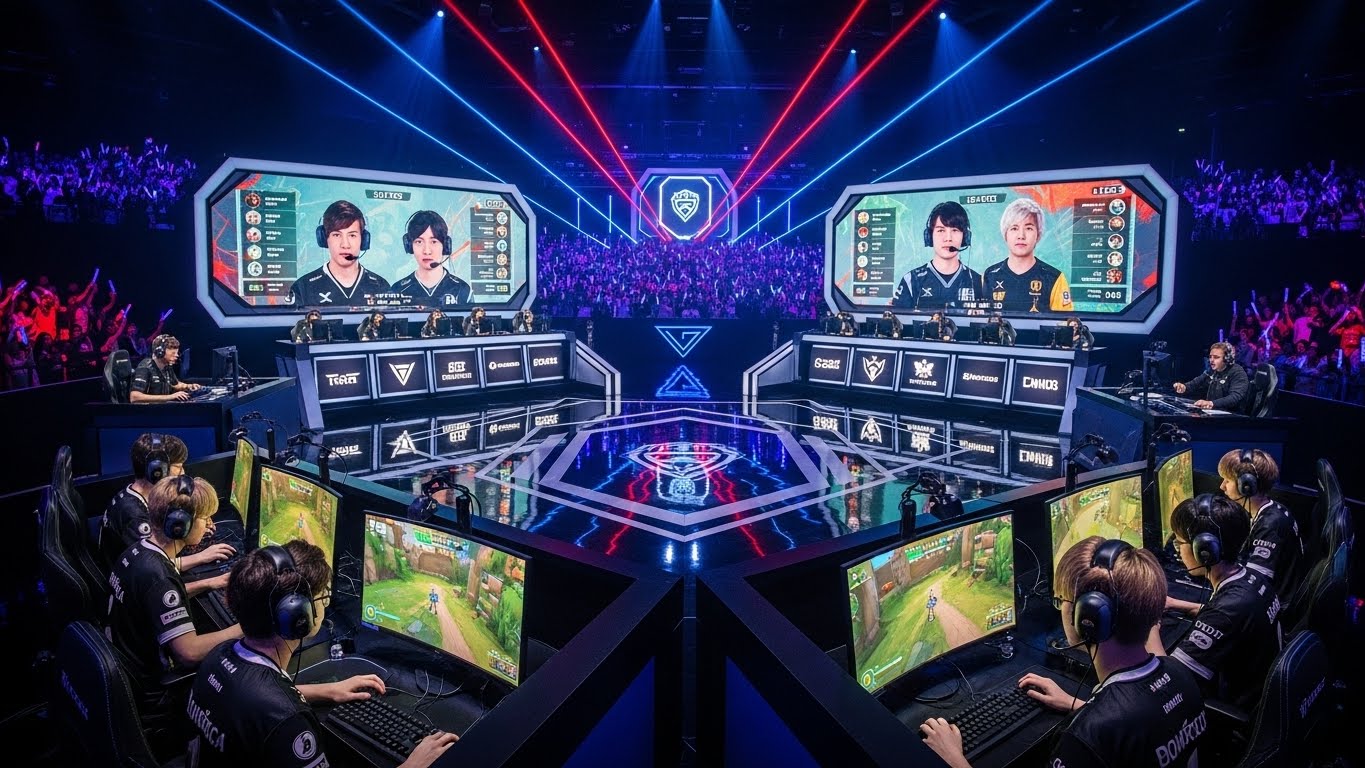
Today, esports has evolved into a multi-billion-dollar industry, attracting millions of viewers and participants worldwide. From humble beginnings in internet cafes to sold-out stadiums, esports has captured the hearts and minds of people across all continents. This blog explores the rise of esports, the factors driving its success, its cultural impact, and what the future holds for this exciting, rapidly growing sector.
The Origins of Esports
The roots of competitive gaming can be traced back to the early 1970s, when video games first began to gain popularity. The first known esports tournament, called the “Intergalactic Spacewar Olympics,” was held in 1972 at Stanford University. The competition featured the popular game Spacewar, a simple space combat game that was one of the first to allow two players to compete against each other. Though small and relatively obscure, this marked the beginning of organized competitive gaming.
The next significant milestone came in the 1990s with the rise of LAN (Local Area Network) parties, where gamers gathered in large groups to compete in multiplayer games like Quake and Warcraft. These grassroots events set the stage for the esports tournaments of today. The late 1990s and early 2000s saw the development of professional esports leagues and the first true esports titles, including StarCraft, Warcraft III, and Counter-Strike, which would go on to define competitive gaming for years to come.
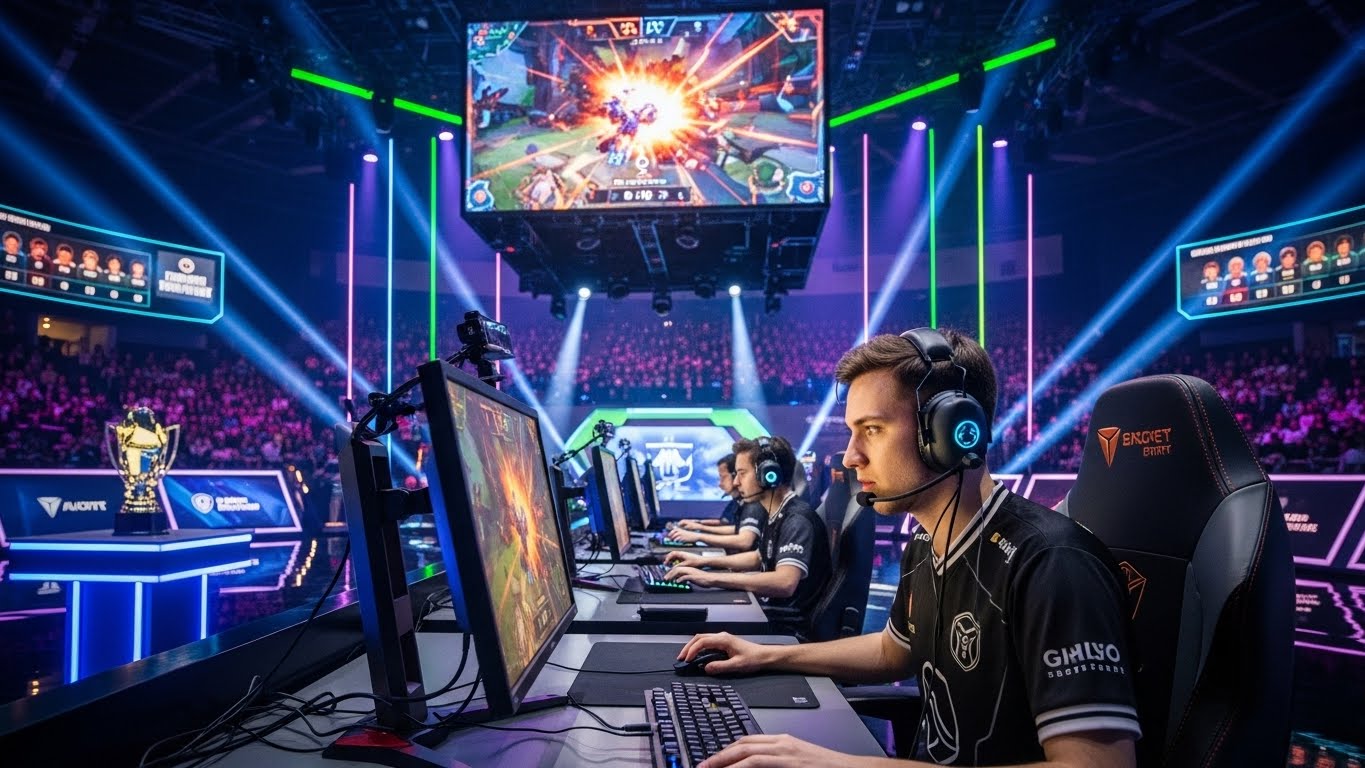
The real explosion of esports came in the 2010s, fueled by the rise of online streaming platforms, particularly Twitch. The ability to broadcast live gameplay to millions of viewers created a massive global audience for esports competitions. Major tournaments like The International for Dota 2, League of Legends World Championship, and Overwatch League attracted not just players, but massive sponsorships, media rights deals, and millions of dollars in prize money.
The Key Factors Behind Esports’ Explosive Growth
Several key factors have contributed to the rapid rise of esports.
1. Technological Advancements
The development of high-speed internet and powerful gaming hardware has been one of the most significant drivers behind esports’ rise. Fast, reliable internet connections allow players from all over the world to compete in real-time, while the evolution of gaming hardware—such as high-performance PCs, consoles, and advanced graphics—has enhanced the quality and appeal of competitive gaming.
2. Online Streaming Platforms
The emergence of platforms like Twitch, YouTube Gaming, and Facebook Gaming has revolutionized how people watch games. Live-streaming has turned esports into an entertainment experience, much like traditional sports, allowing fans to watch their favorite players and teams in real-time. These platforms also allow gamers to interact with their audience through live chats, further deepening the connection between players and fans.
3. Professionalization of Esports
As the industry grew, so did the level of professionalism surrounding it. The development of formal leagues, tournaments, and organizations has made esports a legitimate career choice for players and staff alike. The introduction of high-paying sponsorships from major brands such as Coca-Cola, Intel, and Red Bull, along with lucrative prize pools and streaming revenues, has attracted top-tier talent to competitive gaming.
4. Expanding Global Audience
Esports is a global industry, with major tournaments attracting players and viewers from all corners of the world. While countries like South Korea, China, and the United States have long been hotspots for esports, the sport has seen significant growth in regions such as Europe, Southeast Asia, and Latin America. The rise of mobile gaming has also played a major role in increasing access to esports, particularly in emerging markets where high-end gaming PCs may not be as accessible.
5. The Rise of Mobile Gaming
Mobile gaming has introduced a new level of accessibility to competitive gaming. Games like Clash Royale, PUBG Mobile, and Free Fire have made esports competitions available to a broader, more diverse audience. This has allowed people in developing countries, where consoles and high-end PCs may not be as prevalent, to participate in and enjoy competitive gaming.
The Culture of Esports
Esports is more than just playing games; it is a culture, a lifestyle, and a community. It’s a shared passion for gaming that transcends borders, languages, and even generations. Fans are not just spectators—they are an integral part of the esports ecosystem. From cheering for favorite teams to engaging in online discussions and producing fan-made content, the esports community thrives on interaction and collaboration.
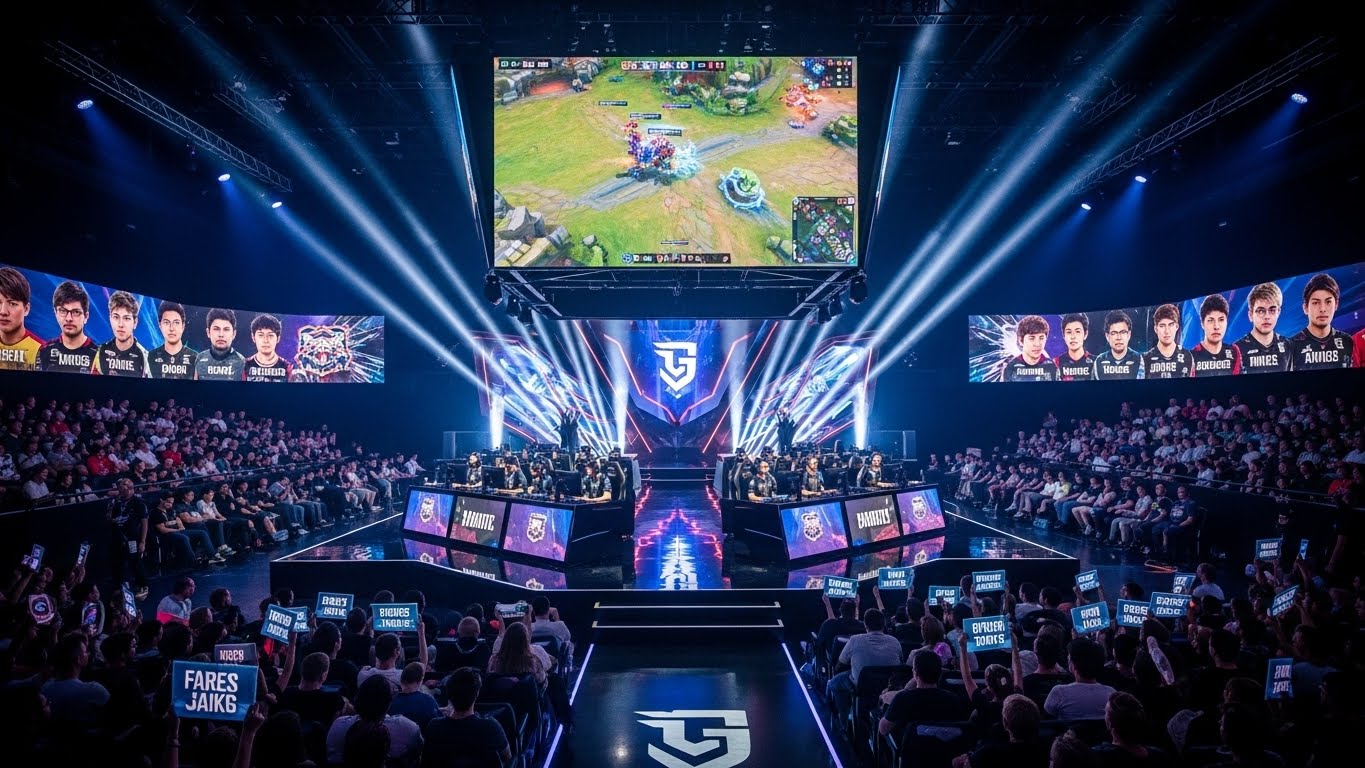
One of the most fascinating aspects of esports is its ability to bring people together. In many ways, it mirrors traditional sports in terms of fan engagement and loyalty. Just as fans fill stadiums to watch their favorite teams compete, esports fans gather in arenas, both physical and virtual, to support their teams and players. The excitement of watching an intense tournament, with all the highs and lows, creates a sense of camaraderie among fans, who celebrate victories together and support each other through defeats.
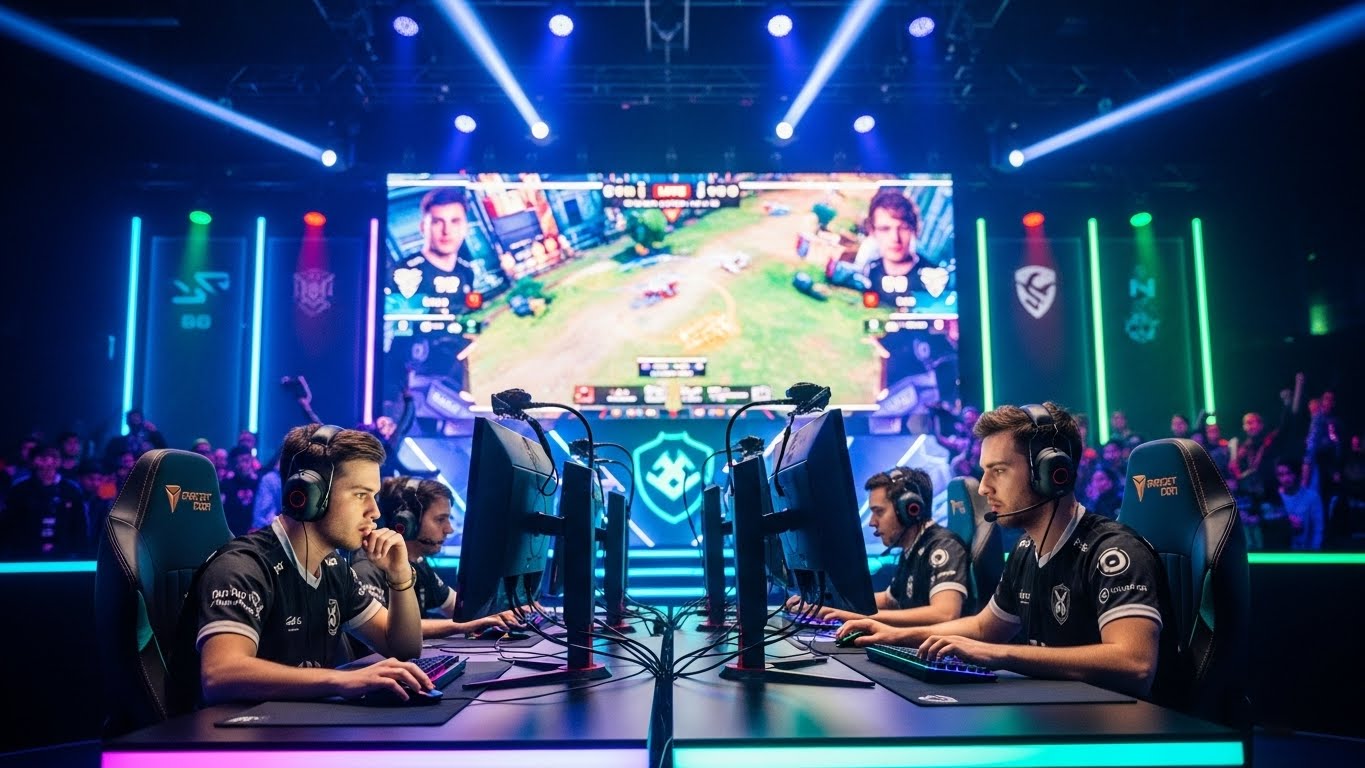
Esports also fosters a deep sense of identity. Players, coaches, and organizations often have passionate followings. Players like Faker, Ninja, and s1mple have become household names, much like professional athletes in traditional sports. Fans identify with these players not just for their skills but for their personalities, backgrounds, and journeys.
The Business of Esports
Esports is no longer just about gaming; it is a serious business with vast financial implications. In recent years, the esports industry has grown into a multibillion-dollar sector. Sponsorship deals, advertising revenue, media rights, and merchandise sales contribute to the overall revenue generated by esports events and organizations.
One of the key revenue streams in esports is sponsorship. Major brands are keen to tap into the massive, tech-savvy audience that esports attracts. Companies like Intel, Logitech, and Razer sponsor teams, events, and players, while global brands like Coca-Cola and Adidas have entered the esports space with high-profile partnerships. These sponsorships not only help fund tournaments but also bring additional visibility and legitimacy to the industry.
Broadcasting rights have also become a significant revenue source. Just as television networks pay for the rights to air major sporting events, media companies are investing in the rights to broadcast esports competitions. This has led to partnerships between esports organizations and traditional media outlets, further increasing the mainstream appeal of competitive gaming.
Furthermore, esports organizations themselves have become profitable entities. Teams like Team Liquid, Cloud9, and FaZe Clan have grown into global brands, fielding professional players in a variety of games and generating revenue through sponsorships, merchandise sales, and media deals. Many esports teams also have dedicated content creators and streamers who contribute to the organization’s revenue and fan engagement.
Esports and Traditional Sports
One of the most intriguing aspects of esports is its intersection with traditional sports. As esports has grown, it has increasingly been viewed through the same lens as traditional athletics. Major sports networks, such as ESPN and Fox Sports, now air esports events, and traditional sports organizations, including the NBA, NFL, and MLS, are investing in esports teams and leagues.
The NBA, for example, has its own esports league, the NBA 2K League, where professional players compete in NBA 2K, a popular basketball video game. Likewise, soccer clubs like Manchester City and Paris Saint-Germain have established esports teams that compete in FIFA and Rocket League. This crossover between traditional sports and esports is helping to legitimize esports as a major form of competition and entertainment.
Moreover, the inclusion of esports in major international events has elevated its status. The Asian Games, for example, included esports as a demonstration sport in 2018, and the International Olympic Committee has been exploring the potential of including esports in future Olympic Games. This indicates that esports is not just a trend but a legitimate and enduring part of the global sporting landscape.
The Future of Esports
The future of esports looks incredibly promising. As technology continues to evolve, so will the esports experience. Virtual reality, augmented reality, and 5G technology are poised to enhance gaming and spectator experiences, making the competitions even more immersive and interactive. The expansion of mobile esports will continue to reach new audiences, while the growing popularity of live streaming and content creation will further cement esports as a form of entertainment that rivals traditional sports.
Esports is also likely to see increased mainstream recognition, with more collaborations between esports organizations and established media companies. The rise of esports scholarships at universities is another sign that competitive gaming is becoming a legitimate career path for young talent.
Furthermore, the growing interest in esports from global sponsors and investors will continue to fuel the industry’s expansion, leading to even bigger prize pools, higher production values, and more opportunities for players.
Conclusion
Esports has come a long way since its humble beginnings, and it is now an integral part of the global entertainment landscape. With a massive, passionate fan base, a booming industry, and a growing cultural influence, esports is shaping the future of competitive gaming.
What was once a niche activity is now a global phenomenon, and its rise shows no signs of slowing down. As technology continues to advance and the esports ecosystem continues to evolve, we can expect even more exciting developments in the years to come. Whether you’re a player, a fan, or an investor, one thing is clear: esports is here to stay, and it is only going to get bigger and more influential.