
 proesportszone51
Introduction
E-sports, short for electronic sports, has evolved from a niche hobby into a global phenomenon that rivals traditional sports in popularity, revenue, and cultural impact. What started as casual gaming competitions in arcades has transformed into a structured industry with professional leagues, multinational tournaments, celebrity gamers, and a dedicated fanbase. Beyond entertainment, e-sports represents a convergence of technology, strategy, skill, and community, making it one of the most influential forms of modern digital culture. In this blog, we explore the growth of e-sports, its professional landscape, cultural significance, technological innovations, and the future of competitive gaming.
The Humble Beginnings of E-Sports
E-sports traces its roots back to the 1970s and 1980s, when video games first gained popularity. Early arcade competitions and home console challenges, such as those seen with games like Space Invaders and Pac-Man, allowed players to compete for high scores. While primitive by today’s standards, these competitions laid the foundation for organized gaming.
The 1990s saw the rise of multiplayer PC games such as StarCraft, Counter-Strike, and Warcraft III. These titles offered strategy, skill, and team coordination, transforming casual gaming into competitive experiences. Internet connectivity enabled players to compete remotely, paving the way for the e-sports leagues and global tournaments that define the industry today.
The Rise of Professional E-Sports
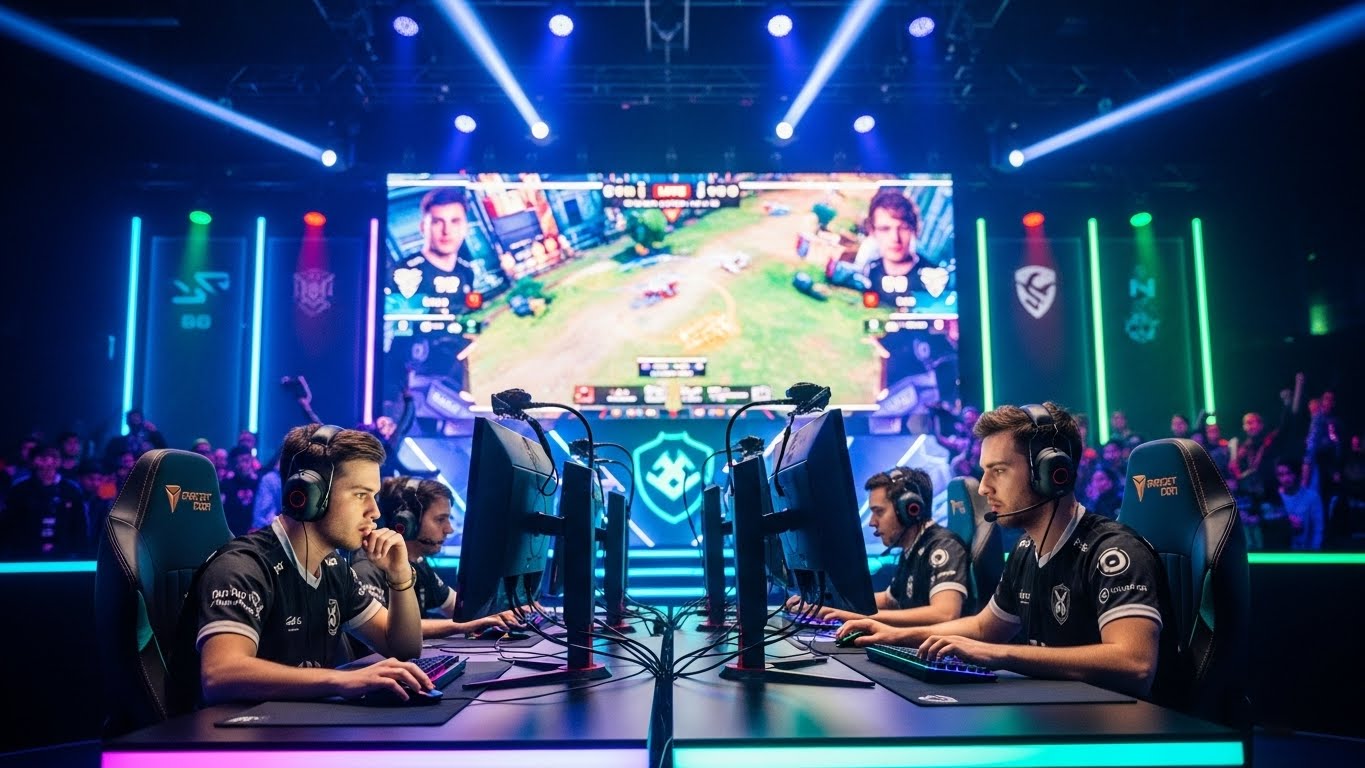
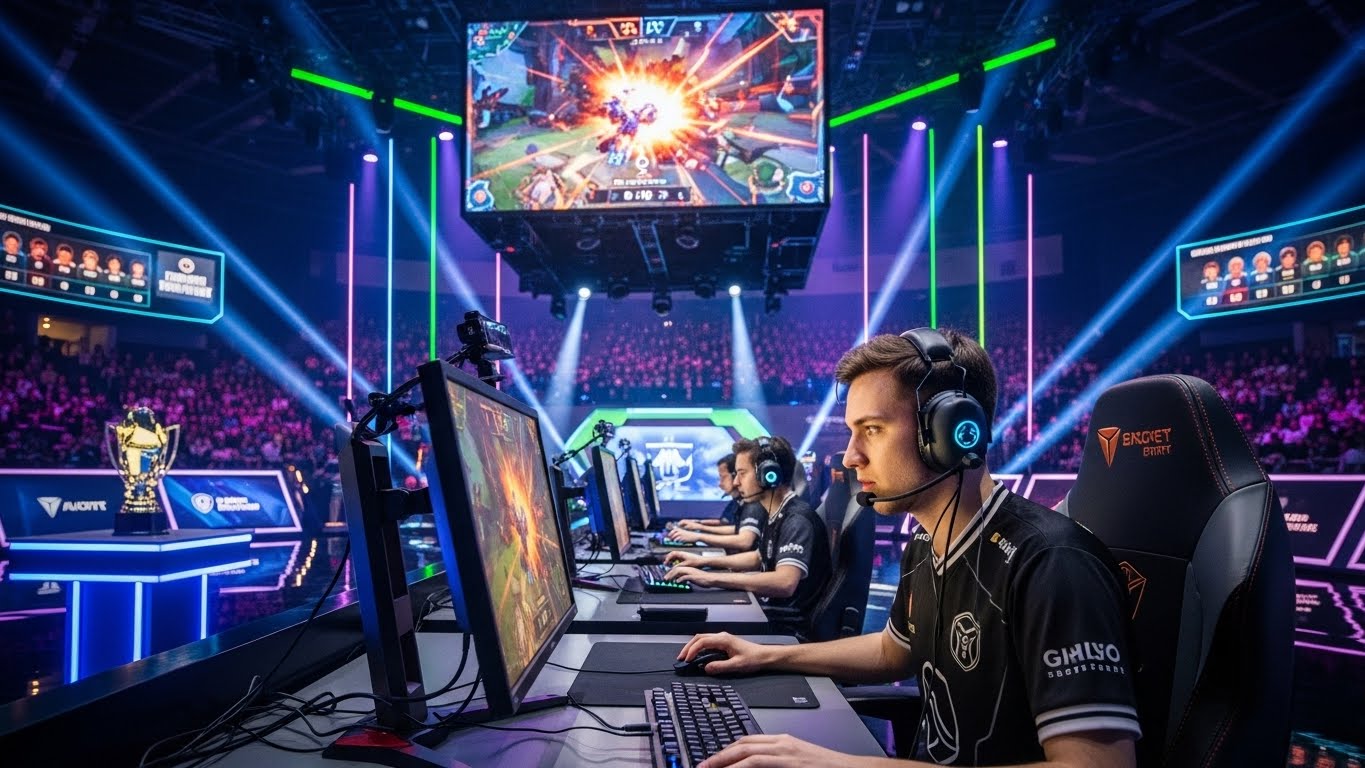
Today, e-sports is a professional industry with players, coaches, analysts, and support staff, mirroring the structure of traditional sports teams. Professional gamers dedicate hours to training, practicing strategies, and refining reflexes. Games like League of Legends, Dota 2, and Fortnite have cultivated professional communities where skill, teamwork, and tactical thinking are paramount.
Professional players travel the world for tournaments, live-stream matches, and engage with fans through social media. Beyond gameplay, they also serve as brand ambassadors and influencers, shaping trends and inspiring the next generation of gamers. The lifestyle of professional e-sports players demands discipline, mental agility, and dedication similar to that of professional athletes.
Tournaments and the Competitive Scene
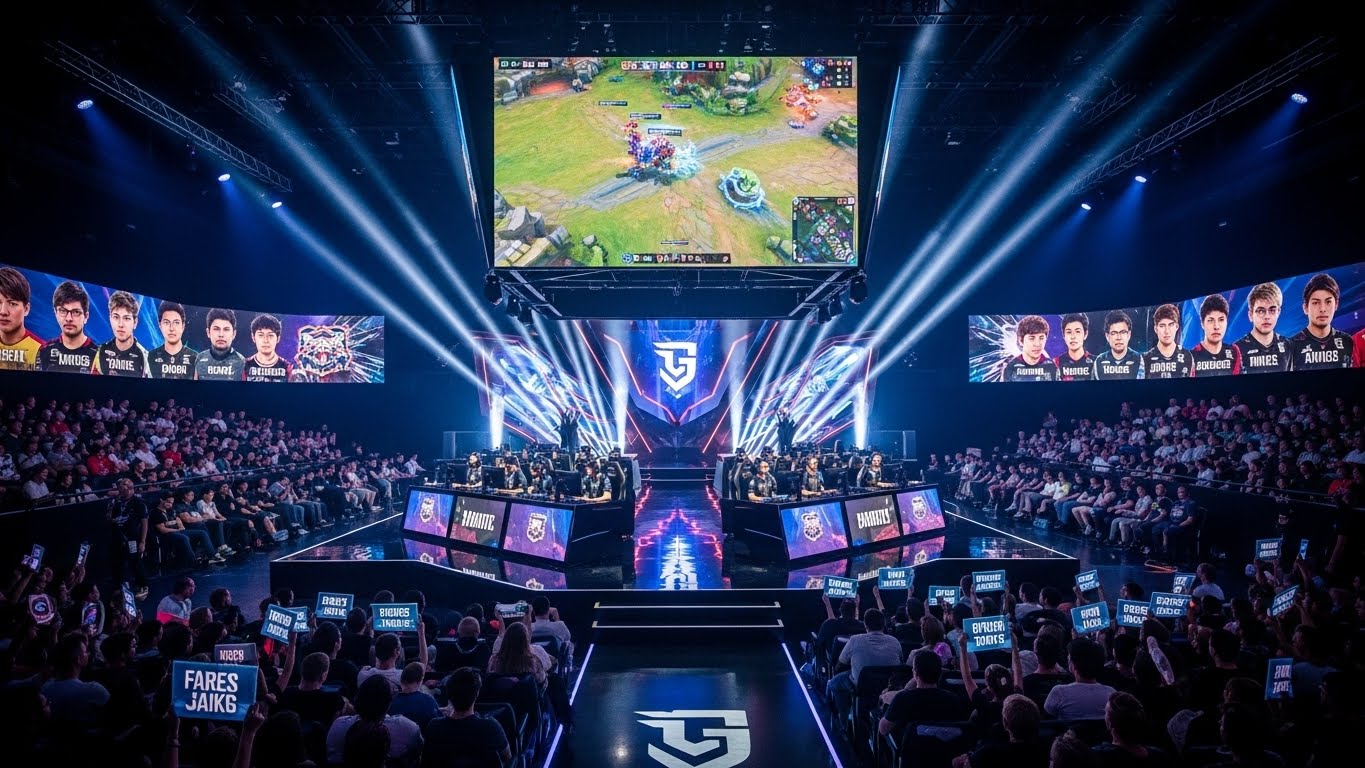
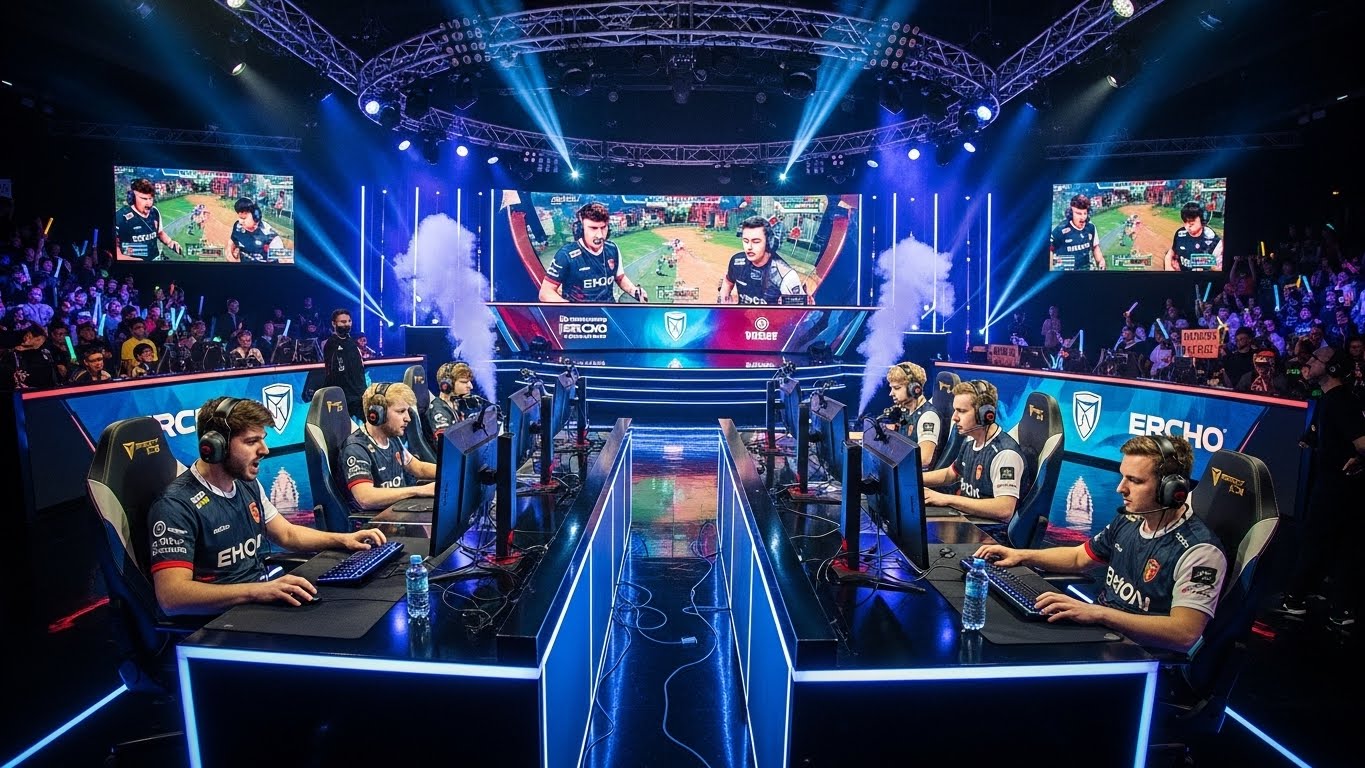
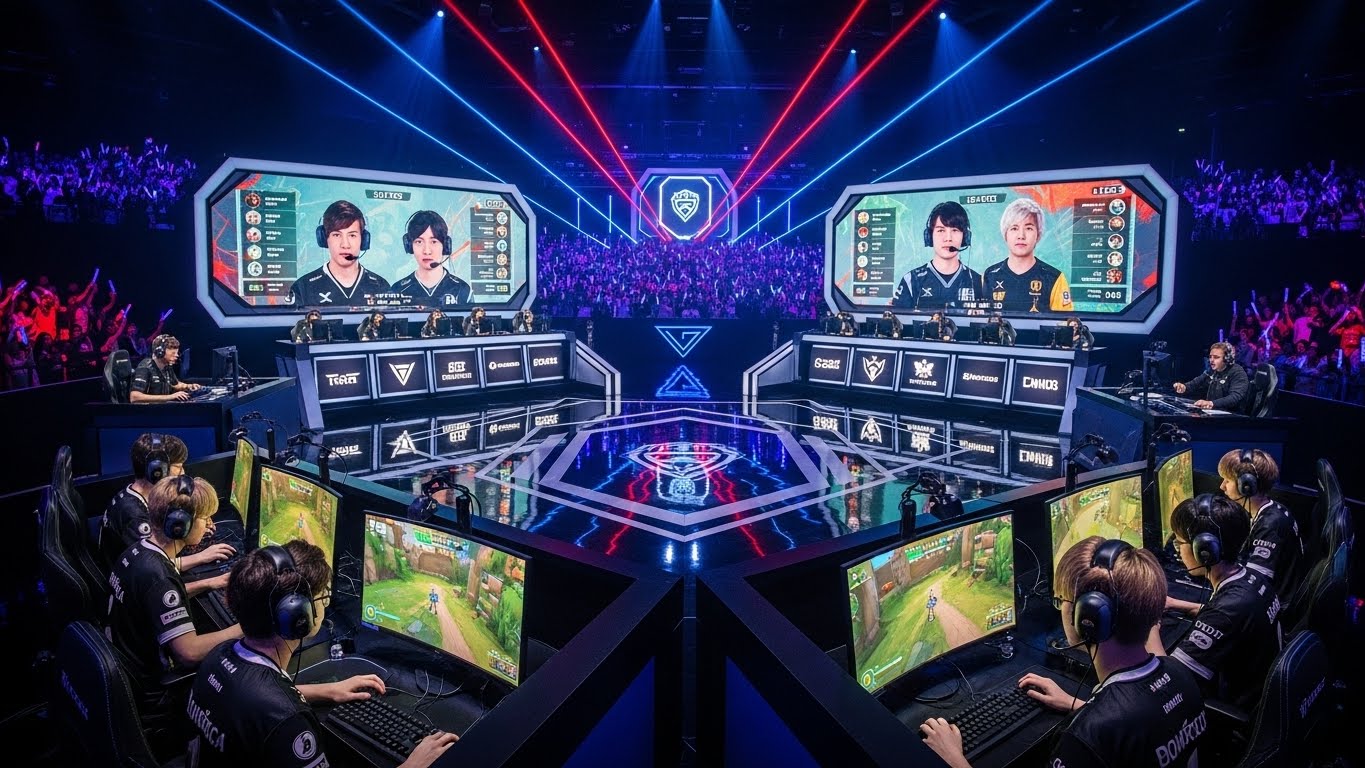
Major e-sports tournaments attract millions of viewers worldwide, with prize pools reaching millions of dollars. Events such as The International, the League of Legends World Championship, and the Overwatch League Finals showcase high-level gameplay, strategic depth, and intense competition.
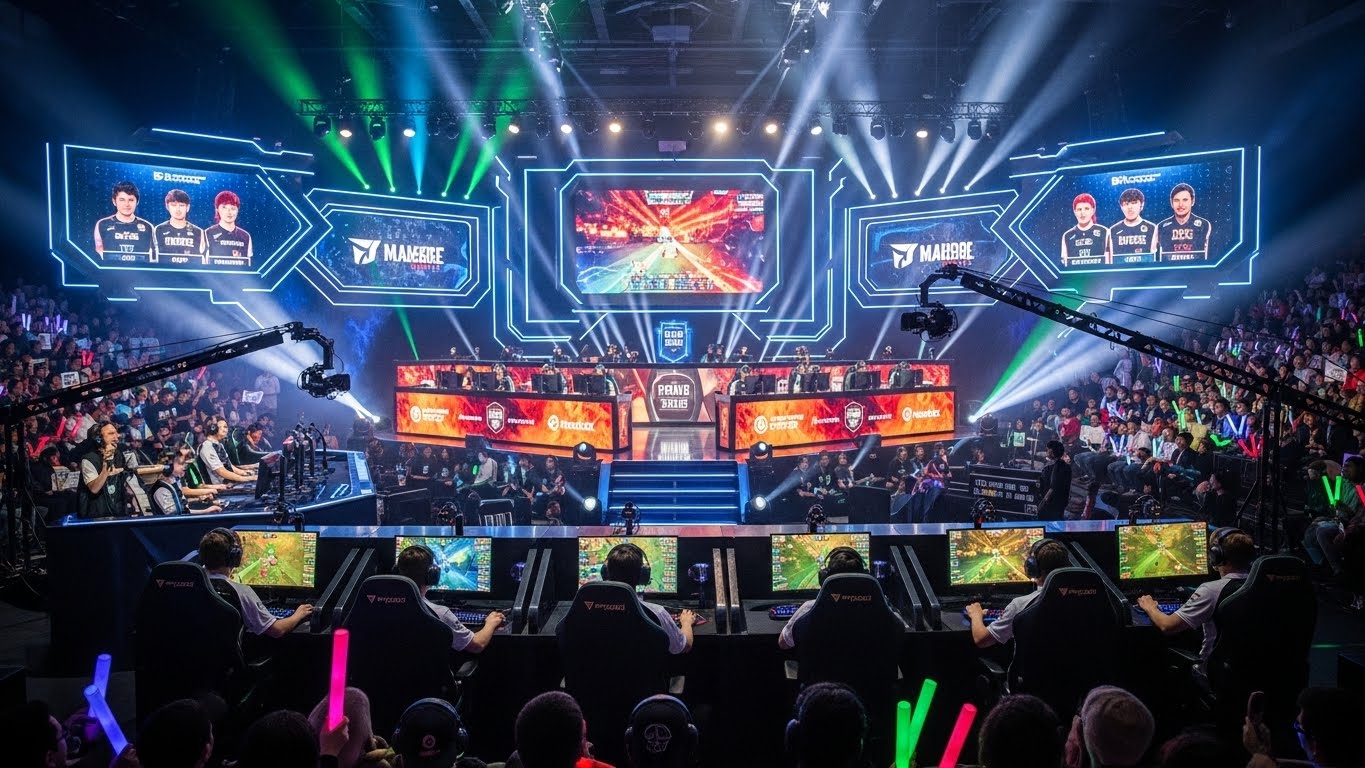
These tournaments are more than just matches; they are live spectacles with commentary, analysis, and fan engagement. Professional teams prepare months in advance, analyzing opponents, strategizing for different game scenarios, and optimizing teamwork. The excitement of live competition, combined with the accessibility of online streaming, has elevated e-sports into mainstream entertainment.
The Role of Streaming and Online Platforms
Streaming has been instrumental in the growth of e-sports. Platforms dedicated to live broadcasts allow fans to watch matches in real time, interact with commentators, and engage with players. Streamers and content creators also provide educational insights, strategy breakdowns, and entertainment, attracting millions of viewers globally.
Streaming has democratized access to e-sports. Amateur players can gain recognition, build fan communities, and even earn sponsorships without traditional organizational backing. The combination of professional tournaments and grassroots streaming has created a vibrant ecosystem that thrives on interactivity and engagement.
Community and Social Impact
Community lies at the heart of e-sports. Fans actively participate in discussions, create fan art, organize local events, and engage in online forums. This high level of interaction distinguishes e-sports from traditional sports, as the audience often influences trends, gameplay strategies, and even game development.
E-sports communities also foster social connections. Multiplayer games promote teamwork, communication, and camaraderie. For many players, online gaming communities serve as social lifelines, providing a sense of belonging and shared purpose in a digital age.
Training and Strategy in Competitive Gaming
Success in e-sports is not accidental. Professional teams engage in extensive practice sessions, analyzing game mechanics, opponent tendencies, and meta-strategies. Coaches and analysts assist players with strategy development, performance optimization, and mental conditioning.
Physical health and mental resilience are equally important. Proper nutrition, exercise, and rest contribute to reaction times, focus, and endurance. Players must manage stress, maintain concentration during long tournaments, and adapt to rapidly changing in-game scenarios. The combination of mental and physical preparation underscores the professionalism required to excel in e-sports.
Technological Advancements Driving E-Sports
Technology has been a critical enabler of e-sports growth. High-speed internet, low-latency servers, powerful gaming hardware, and advanced graphics provide the foundation for competitive play. Virtual reality, augmented reality, and artificial intelligence promise new immersive experiences for players and spectators alike.
Broadcasting technology enhances viewer engagement. Multi-angle camera feeds, interactive overlays, and real-time analytics transform tournaments into dynamic viewing experiences. Technology not only facilitates gameplay but also elevates the entertainment and spectacle of e-sports events.
Economic and Cultural Impact
E-sports is a multibillion-dollar industry, generating revenue through sponsorships, merchandise, ticket sales, and digital content. Major brands invest in teams, tournaments, and streaming platforms, recognizing the marketing potential of highly engaged audiences.
Culturally, e-sports has redefined what it means to be an athlete and entertainer. It bridges traditional sports, technology, and digital culture, influencing fashion, music, social media, and global pop culture. Its inclusive nature and global reach have created a community that transcends borders, languages, and demographics.
Challenges Facing the E-Sports Industry
Despite its success, e-sports faces challenges. Player burnout, online toxicity, cheating, and inequality remain significant concerns. The industry is also working to address gender representation and inclusivity to ensure a welcoming environment for all participants.
Legal and regulatory frameworks are still evolving. Issues such as contracts, intellectual property rights, fair competition rules, and tournament governance require attention to maintain the credibility and sustainability of professional e-sports.
The Future of E-Sports
The future of e-sports is full of possibilities. Virtual reality and augmented reality may offer more immersive spectator experiences, while artificial intelligence could enhance strategy analysis and performance optimization. Cloud gaming could make high-quality competition accessible to anyone with an internet connection, further expanding global participation.
E-sports is likely to continue intersecting with traditional sports, education, and entertainment media. Universities are establishing competitive gaming programs, mainstream athletes are engaging with gaming communities, and interactive storytelling is blending with gameplay experiences. The trajectory of e-sports suggests continued growth, innovation, and influence in global culture.
Conclusion
E-sports has evolved from arcade competitions to global arenas, transforming how we perceive gaming, competition, and digital culture. It combines skill, strategy, teamwork, and technological innovation, creating a professional and immersive entertainment ecosystem. With passionate communities, professional players, technological advancements, and global reach, e-sports is more than a pastime—it is a cultural revolution. As the industry continues to expand, it promises to inspire, entertain, and connect millions of players and fans around the world, solidifying its place as one of the most influential forms of modern entertainment.