
 proesportszone51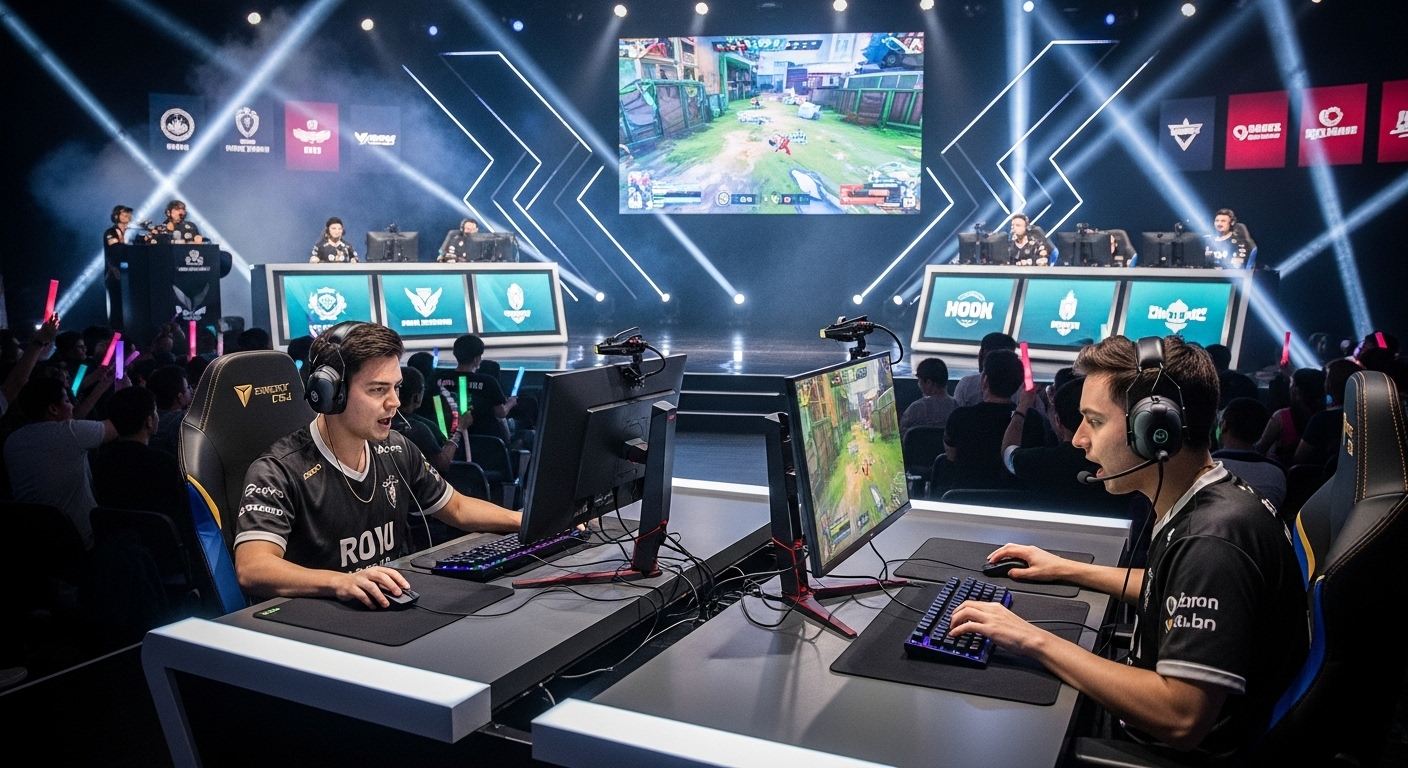
Introduction: The Digital Transformation of Competition
In the last two decades, the definition of competitive sports has shifted dramatically. While traditional sports are still celebrated for physical prowess, a new arena has emerged where skill, strategy, and precision take center stage—the world of esports. Esports, or electronic sports, has evolved from small-scale gaming competitions into a global phenomenon that attracts millions of players, viewers, and investors. What was once considered a casual pastime is now a legitimate career path, a massive entertainment industry, and a cultural force that challenges traditional ideas of sports and competition.
Esports is not just about playing video games; it represents a blend of entertainment, strategy, and performance. Players are athletes, fans are communities, and tournaments are spectacles that rival major sporting events in scale and excitement. This blog explores the origins, growth, culture, and future of esports, highlighting why it has become a defining element of the 21st-century digital landscape.
The Origins of Esports: From Arcades to Online Battlefields
Esports has deep roots that trace back to the 1970s and 1980s, when video games first captured the attention of young audiences. Early competitions were simple affairs, often revolving around achieving the highest score in games like Space Invaders or Pac-Man. These competitions were local, often held in arcades or school computer labs, but they planted the seeds of a community-centered competitive culture.
The 1990s introduced multiplayer games such as Street Fighter II, Quake, and StarCraft, which brought competitive gaming to new heights. LAN parties, where players connected computers in the same room, became popular, allowing gamers to compete in real-time. These early tournaments helped shape the skills, strategies, and teamwork that remain central to esports today.
The widespread adoption of the internet in the 2000s marked a turning point. Players could now compete globally, and live-streamed tournaments allowed audiences to follow competitions in real-time. This period saw the emergence of professional teams, organized leagues, and structured competitions, laying the foundation for the modern esports ecosystem.
The Rise of Esports as a Global Industry
Esports truly exploded in the 2010s, transforming into a professional industry with a global reach. Competitive games like League of Legends, Dota 2, Counter-Strike: Global Offensive, Overwatch, and Fortnite attracted millions of players and fans, each with its own professional leagues, tournaments, and sponsorship deals.
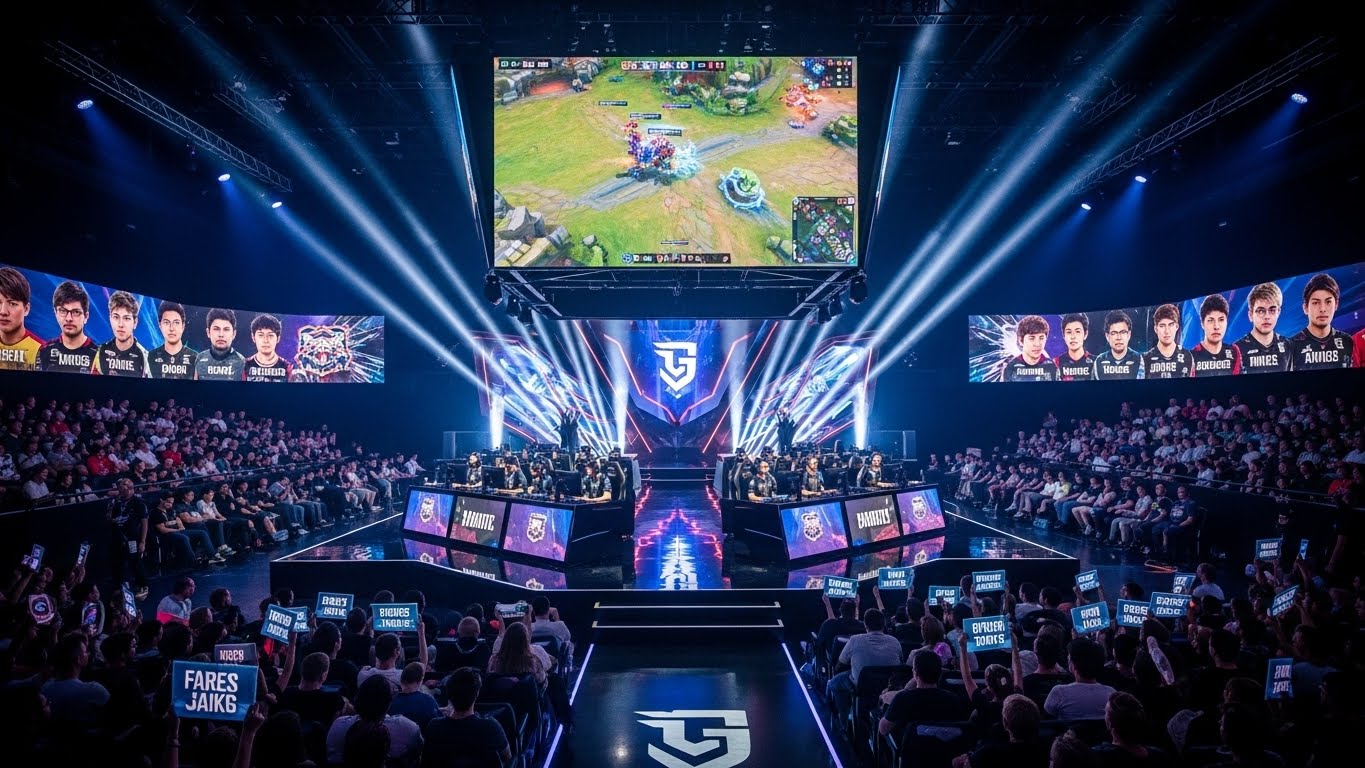
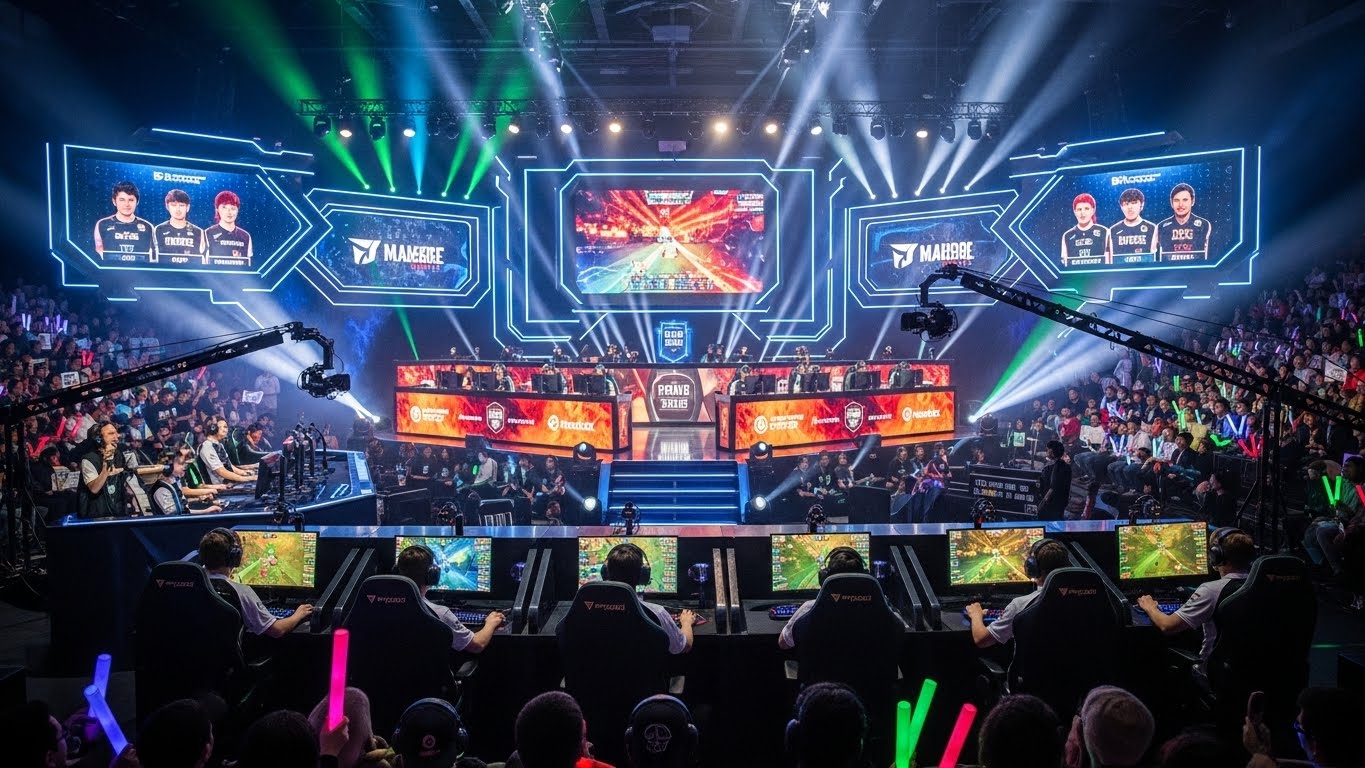
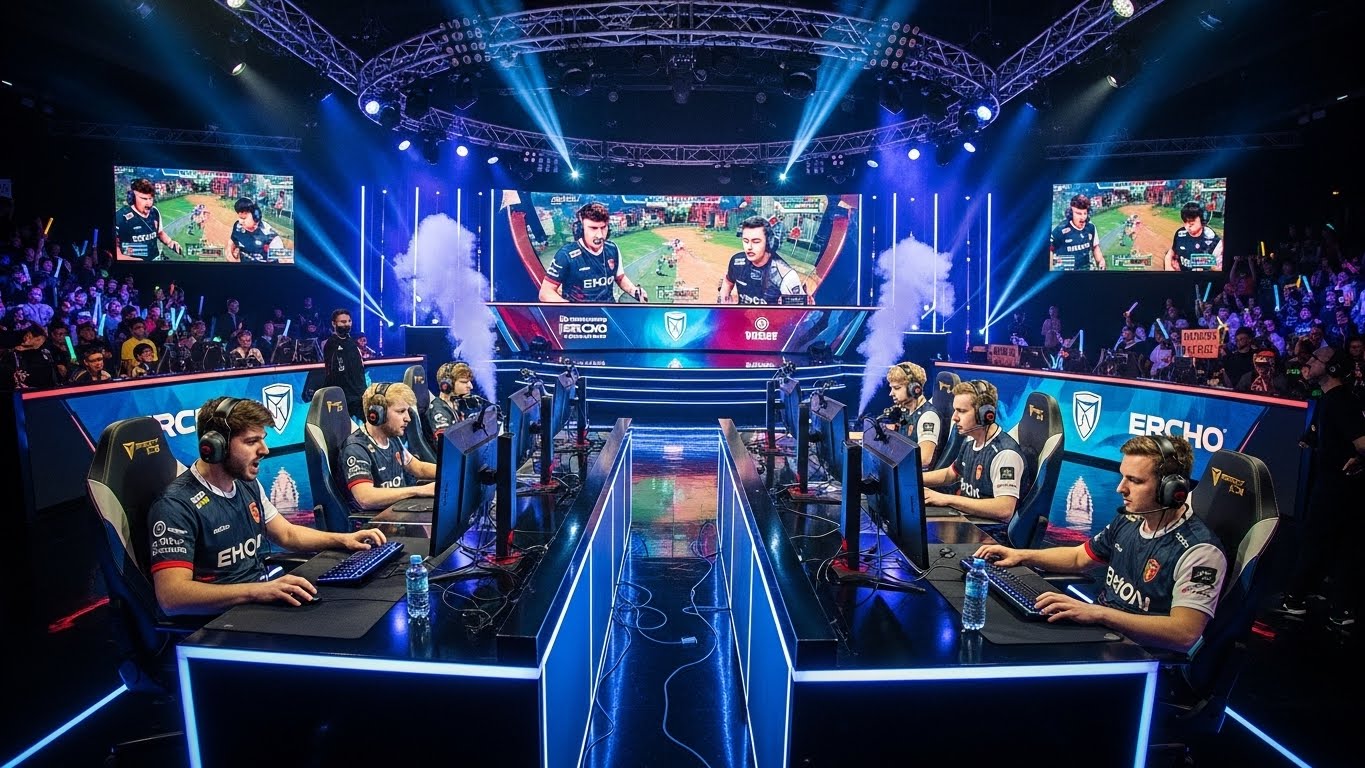
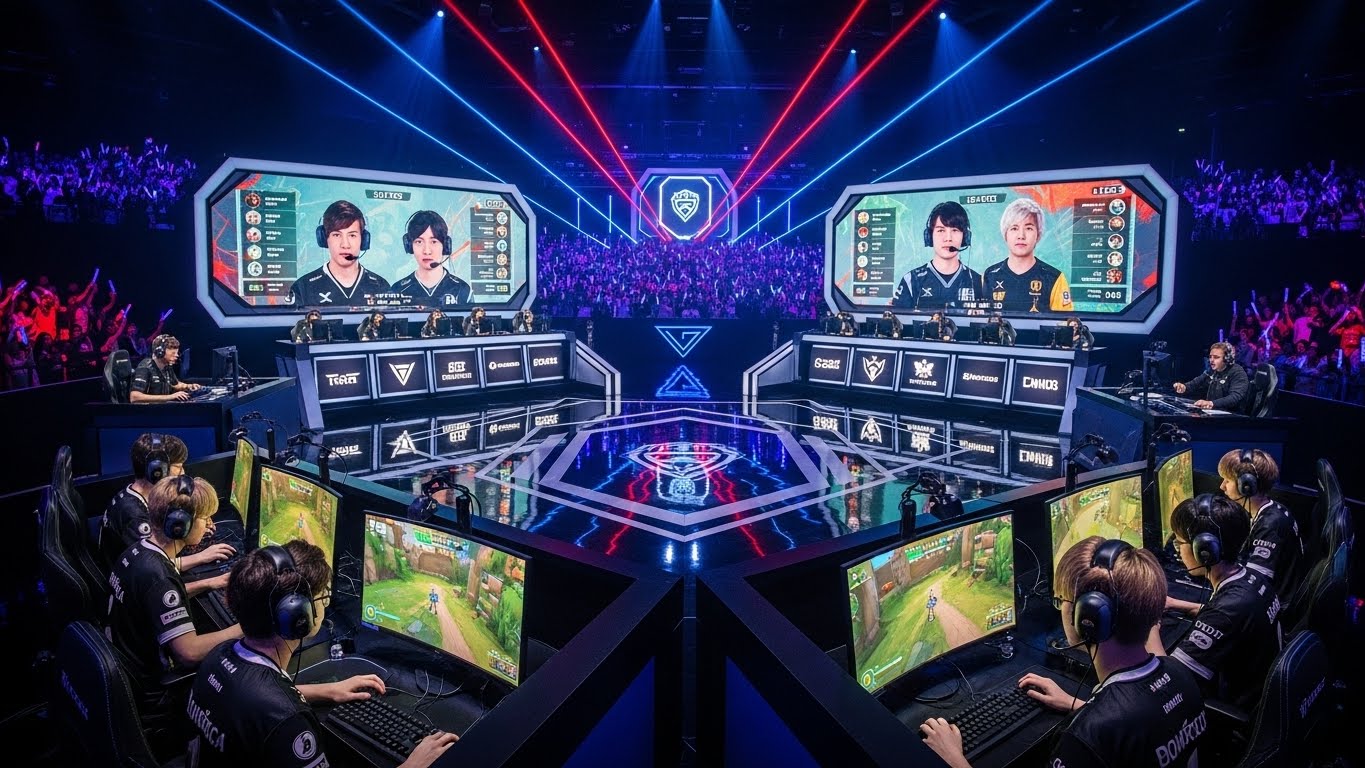
Esports events now fill stadiums and arenas, drawing audiences comparable to traditional sporting events. Millions more watch online through streaming platforms, creating a vibrant, engaged, and international fanbase. Sponsorships, media rights, merchandise, and event revenue have contributed to a multi-billion-dollar industry, elevating esports to a commercial powerhouse.
Professional esports teams operate like traditional sports franchises. They hire coaches, analysts, fitness trainers, and psychologists to ensure peak performance, while players follow rigorous training schedules. The professionalization of esports has redefined gaming as a serious career path, challenging outdated perceptions of gamers as casual hobbyists.
The Modern Esports Athlete: Skill, Dedication, and Strategy
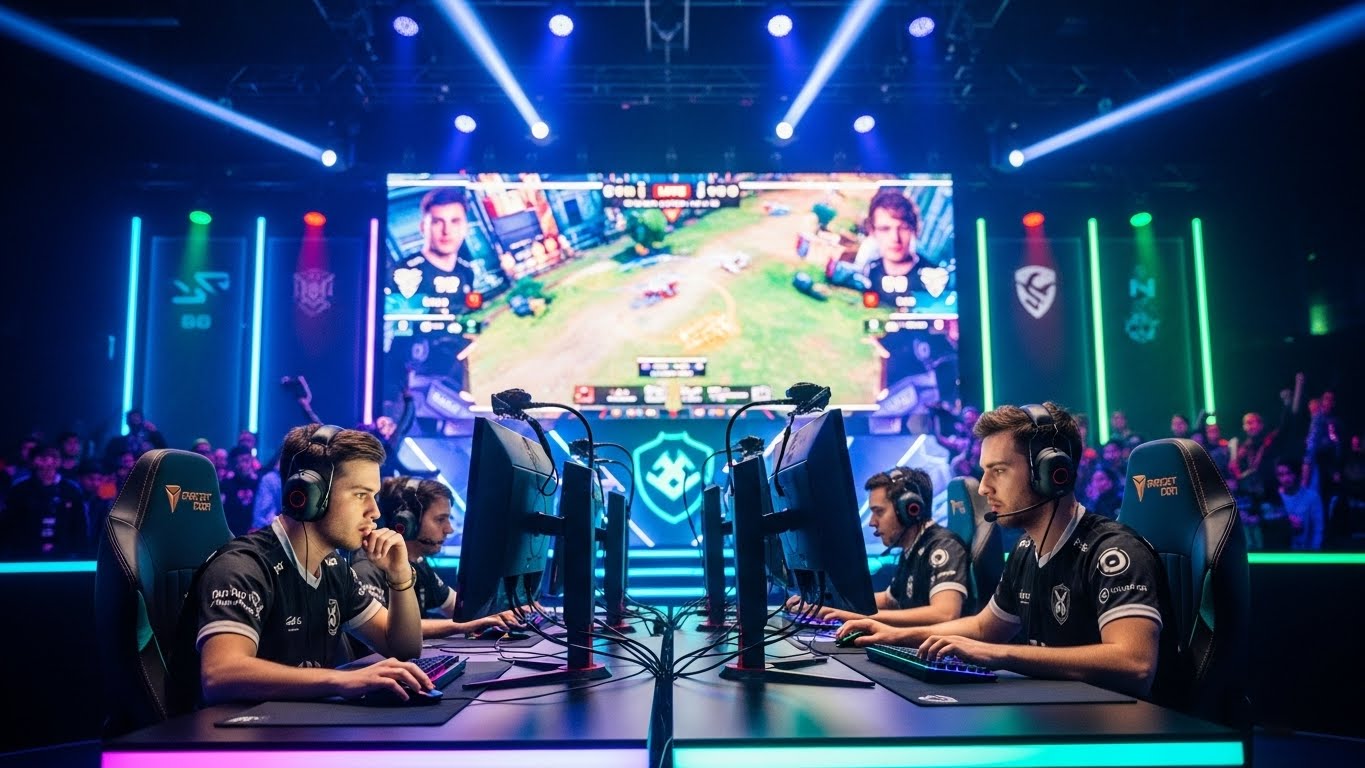
Esports athletes are highly trained professionals who combine skill, strategy, and mental resilience. Their abilities extend beyond fast reflexes; they include teamwork, communication, decision-making under pressure, and long-term strategic planning. Players often practice six to eight hours a day, analyzing gameplay, studying opponents, and refining tactics.
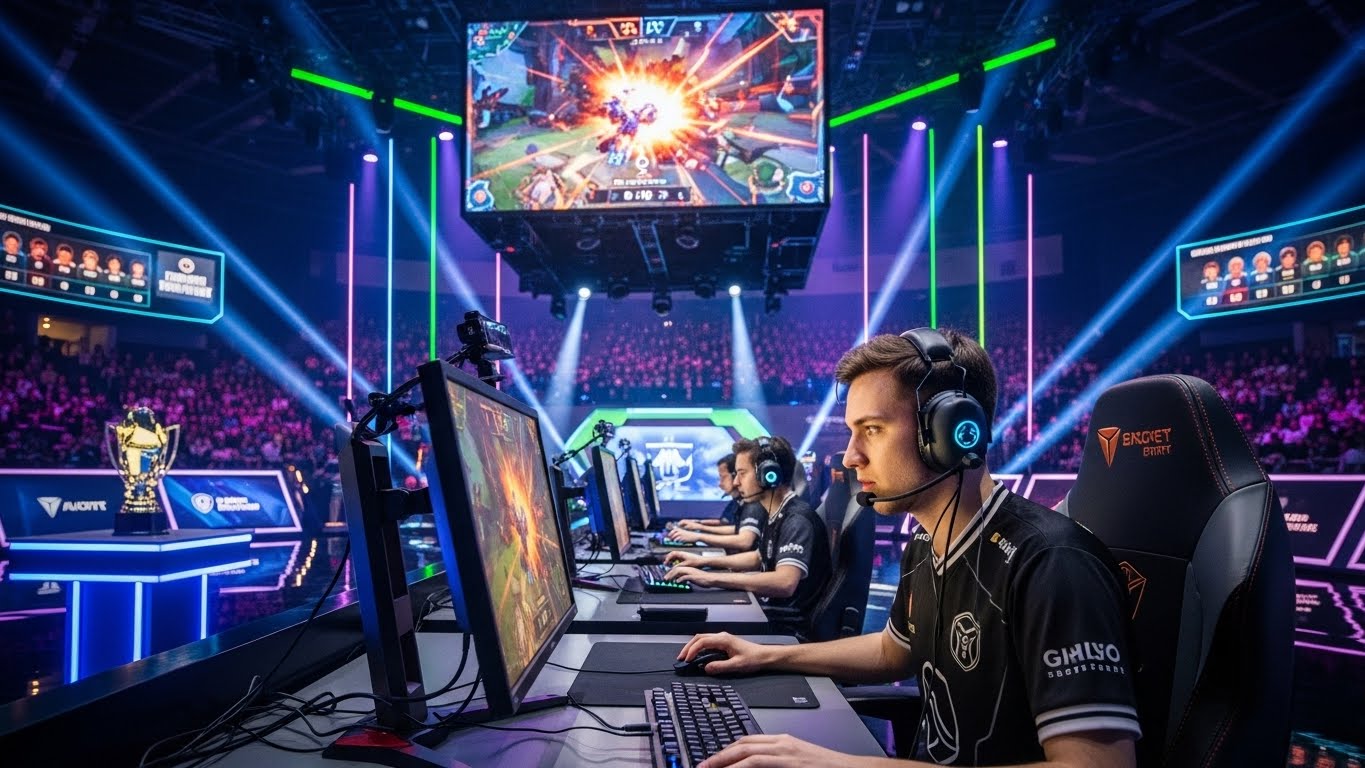
The physical and mental demands of esports are significant. Players must maintain sharp focus, manage stress, and stay healthy despite long hours of training and competition. Many teams employ sports psychologists and physical trainers to support players, ensuring they remain competitive at the highest level. Reaction times are measured in milliseconds, requiring precision and agility comparable to traditional athletes.
Esports athletes demonstrate that competition is not confined to physical arenas. Mental acuity, adaptability, and strategic insight have become equally important measures of excellence, making esports a legitimate form of modern athleticism.
Technology and Innovation: The Backbone of Esports
Technology has been central to the growth of esports. High-speed internet, advanced gaming hardware, and realistic graphics engines have enabled smooth, competitive gameplay. Live streaming platforms allow millions of viewers to follow matches in real-time, interact with players, and become part of a global community.
The future of esports will likely be shaped by emerging technologies such as virtual reality and augmented reality, offering immersive spectator experiences. Artificial intelligence may also play a role in coaching, analysis, and strategy development, pushing competitive gaming to new heights.
The digital nature of esports allows it to transcend geographical boundaries. Fans from different countries can watch live matches, interact online, and form communities around their favorite teams. This global reach has helped esports become a unifying force, connecting people through shared passion and entertainment.
The Culture of Esports: Community, Identity, and Entertainment
Esports has developed a unique culture that blends competition, creativity, and social connection. Fans engage through online forums, live streams, and social media, creating communities that transcend geographic and cultural barriers. These communities foster a sense of belonging and shared identity among participants and spectators alike.
Content creators and streamers play a crucial role in shaping esports culture. They entertain, educate, and engage audiences, providing insight into gameplay while building personal connections with fans. Watching a favorite player or team becomes more than spectating—it is a social and emotional experience that builds loyalty and investment.
Esports also encourages inclusivity. Unlike traditional sports, physical limitations do not restrict participation. More women, nonbinary players, and individuals from underrepresented regions are entering professional circuits, broadening the diversity and appeal of competitive gaming.
Educational and Career Opportunities in Esports
Esports has opened up numerous career and educational opportunities. Universities now offer scholarships for competitive gaming, while academic programs explore esports management, broadcasting, and game design. Students study the business, technology, and psychology of esports, preparing for careers in a rapidly expanding industry.
Beyond playing professionally, careers exist in coaching, analytics, event organization, media production, content creation, and marketing. The ecosystem is diverse and dynamic, providing opportunities for individuals with a wide range of skills. Esports demonstrates that gaming is not just entertainment—it is a legitimate field for skill development, personal growth, and professional advancement.
The Economic Impact of Esports
The economic influence of esports extends beyond the gaming industry itself. Sponsorships, advertising, media deals, and merchandising generate billions of dollars annually. Companies recognize the value of esports as a platform to reach engaged, tech-savvy, and global audiences.
Tournaments attract international visitors, boosting local economies through tourism, hospitality, and media coverage. Emerging regions are increasingly investing in esports infrastructure, creating opportunities for talent development and economic growth. The financial impact of esports highlights its significance as both a cultural and commercial force in the modern world.
Challenges Facing Esports
Despite its growth, esports faces significant challenges. Player burnout and mental health concerns are pressing issues, as intense training schedules and high-pressure competitions take a toll on young athletes. Career longevity is limited, with peak performance often lasting only a few years.
Regulation and governance remain fragmented, with multiple leagues, publishers, and organizations overseeing different aspects of competition. This can lead to disputes, inconsistencies, and challenges in protecting player rights.
Online toxicity and harassment are also concerns. Communities and organizations must prioritize inclusivity, respect, and mental well-being to ensure sustainable growth and a positive experience for all participants.
The Future of Esports
The future of esports is promising, with technology, global expansion, and cultural integration driving growth. Virtual reality, augmented reality, and artificial intelligence will redefine gameplay and spectator experiences, making esports more immersive and interactive than ever.
Esports is likely to become further integrated into education, media, and mainstream entertainment. Crossovers with music, film, and virtual experiences will expand its cultural footprint. Emerging regions are contributing to global talent pools and audiences, ensuring esports remains a worldwide phenomenon.
The continued evolution of esports reflects broader societal trends toward digital engagement, connectivity, and innovation. It is not only shaping entertainment but also redefining how we perceive competition, community, and achievement in the modern world.
Conclusion: Esports as a Cultural and Competitive Force
Esports is more than a trend—it is a revolution in competition, entertainment, and culture. It has redefined what it means to be an athlete, created vibrant global communities, and established a multi-billion-dollar industry. Players, fans, and organizations now contribute to an ecosystem that rivals traditional sports in excitement, engagement, and economic impact.
From humble beginnings in arcades to grand international tournaments, esports demonstrates the power of digital technology to transform human experience. It is a testament to creativity, dedication, and innovation, offering new ways to compete, connect, and excel. In the digital age, esports is not just part of the future—it is shaping it.