
 proesportszone51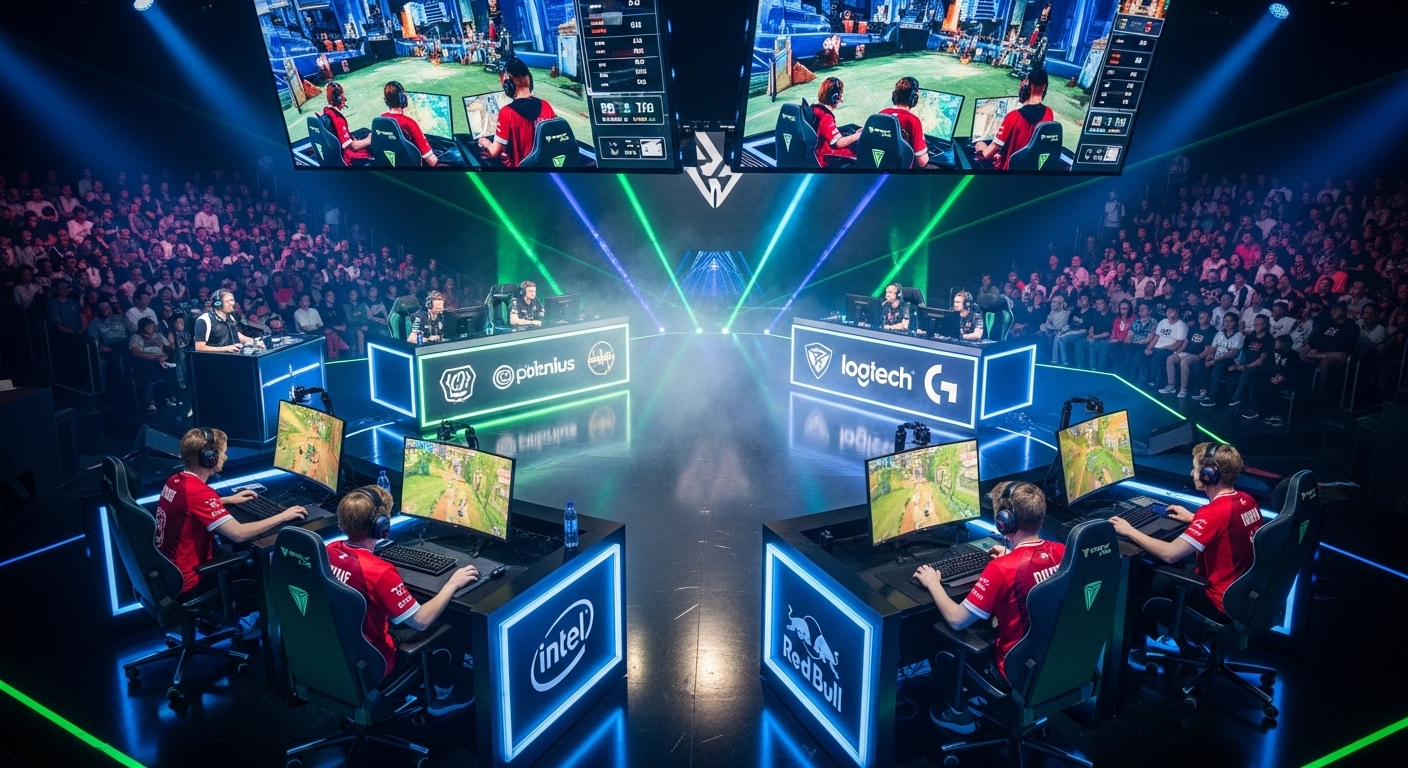
Introduction
In recent years, esports has transitioned from a niche hobby to a global phenomenon. What was once a pastime for enthusiasts playing video games in their bedrooms has evolved into a billion-dollar industry with professional leagues, international tournaments, and millions of dedicated fans. Esports is no longer just about entertainment—it is shaping the future of competition, technology, and culture. This blog explores the evolution of esports, the skills it requires, its impact on society, career opportunities, and the challenges and future of this rapidly growing industry.
The Evolution of Esports
Esports has come a long way since its humble beginnings. The concept of competitive video gaming emerged in the 1970s, with early arcade competitions and local tournaments for games like Space Invaders and Pac-Man. In the 1990s, the rise of personal computers and the internet allowed players to compete online, creating the first online gaming communities.
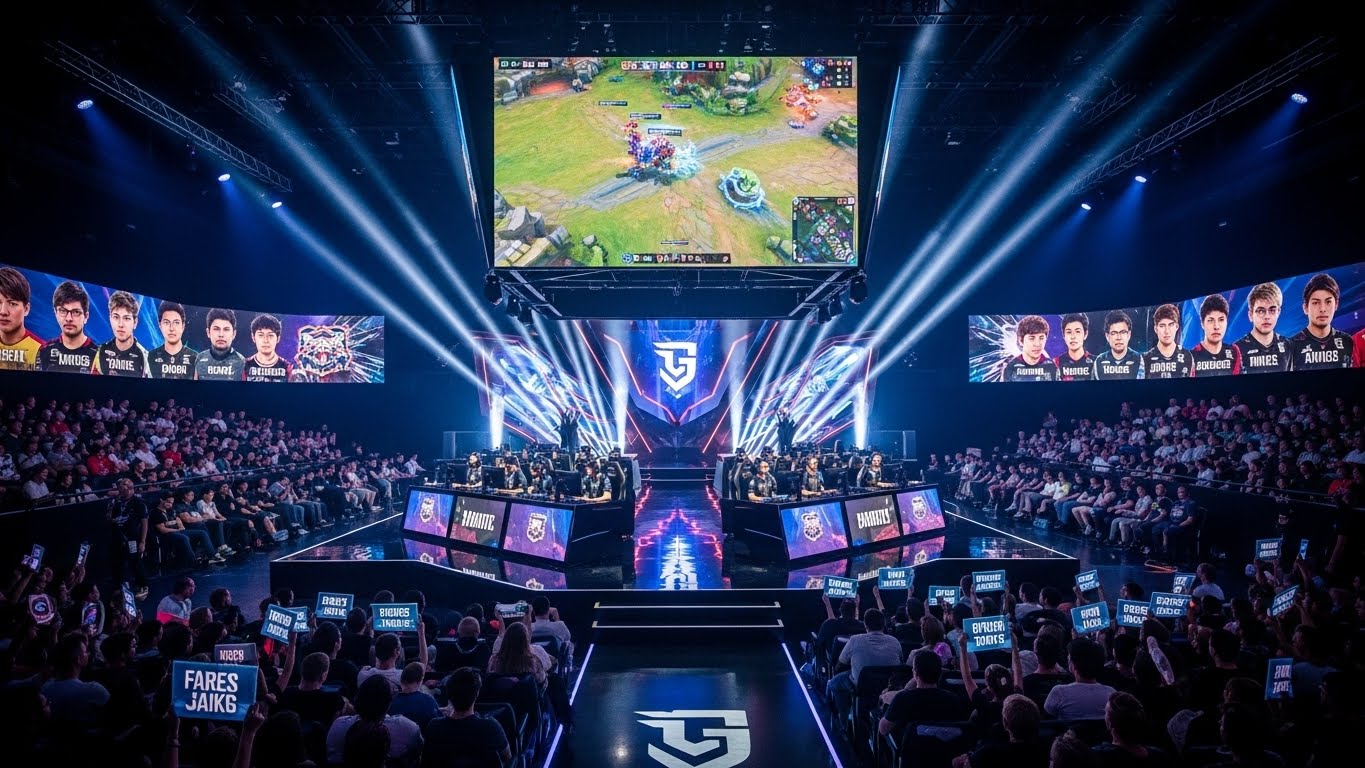
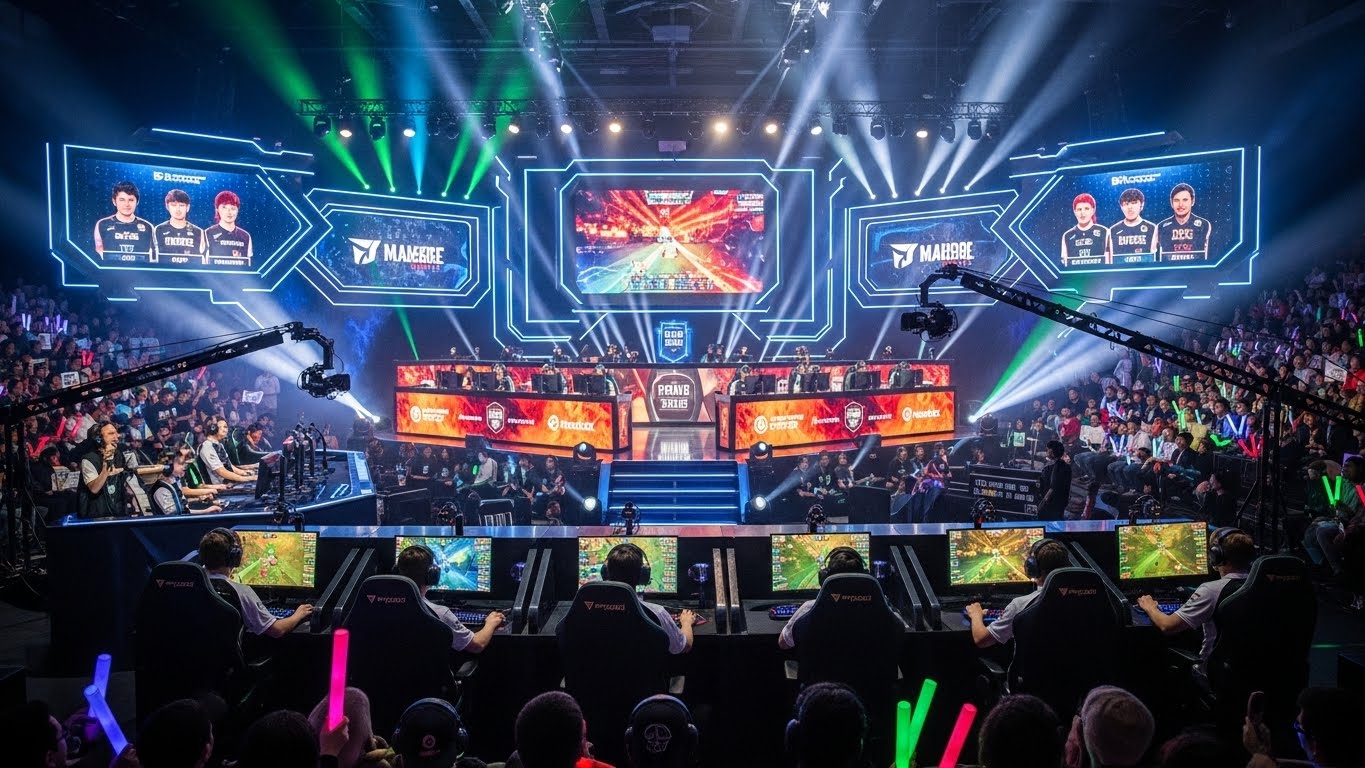
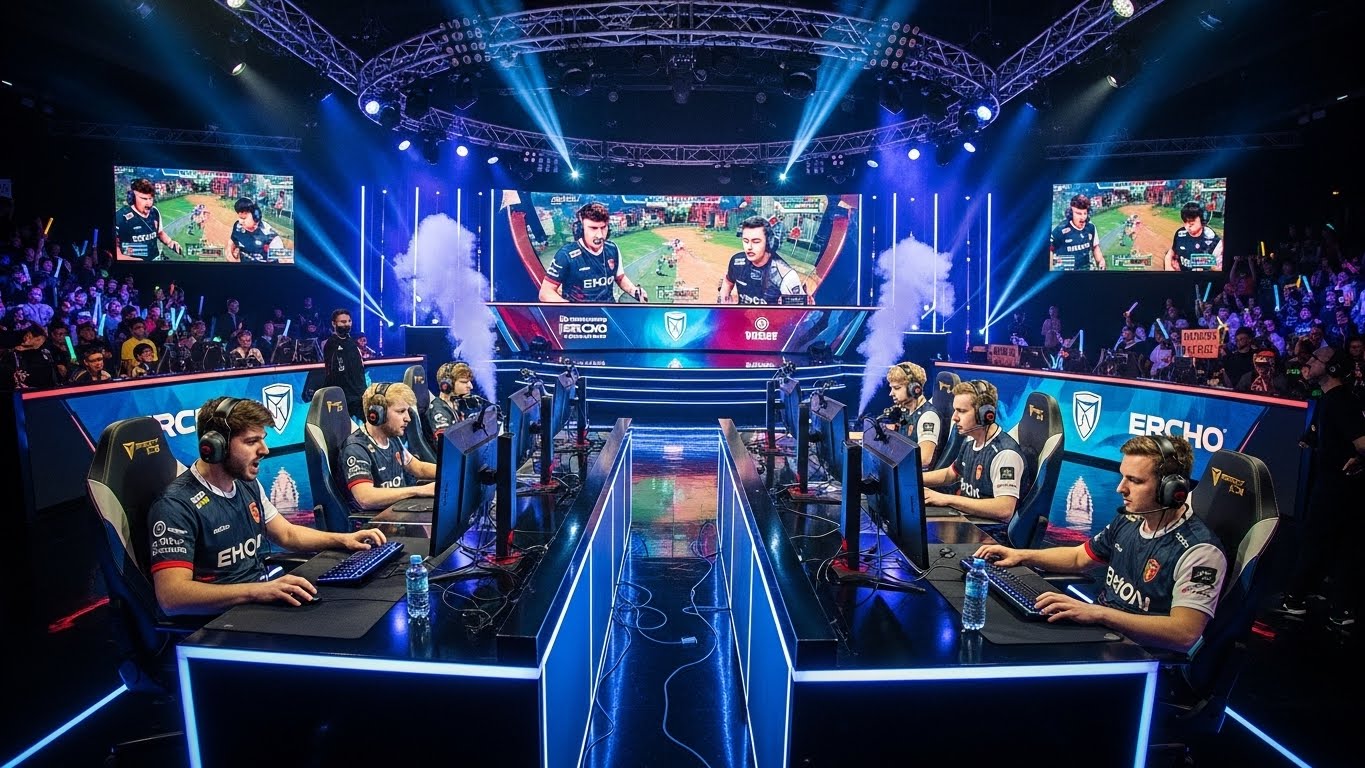
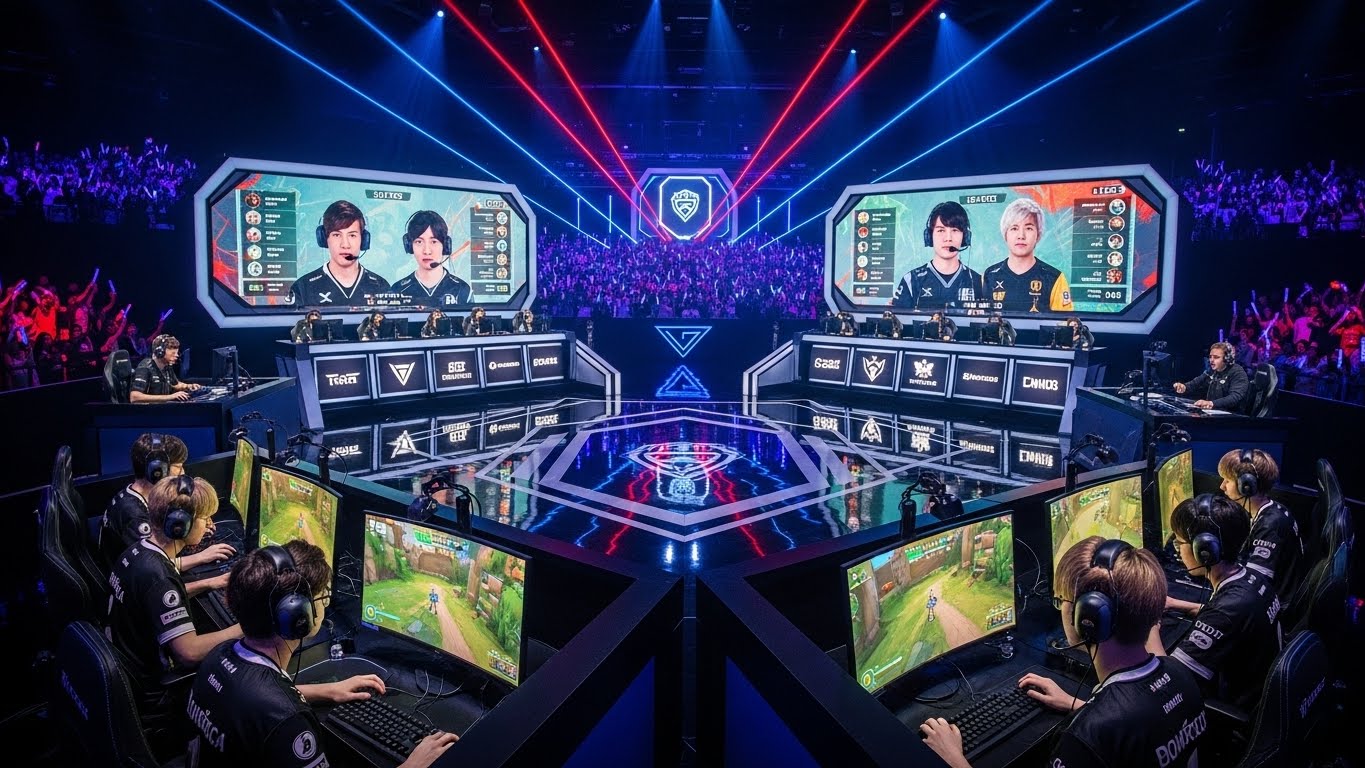
The 2000s marked a turning point with the establishment of professional leagues, organized tournaments, and gaming events in arenas. Games such as StarCraft in South Korea and Counter-Strike in Europe drew massive audiences, laying the foundation for modern esports. Today, esports tournaments like the League of Legends World Championship, Dota 2’s The International, and the Fortnite World Cup attract millions of viewers globally, with prize pools worth millions of dollars.
The Structure of Esports Competitions
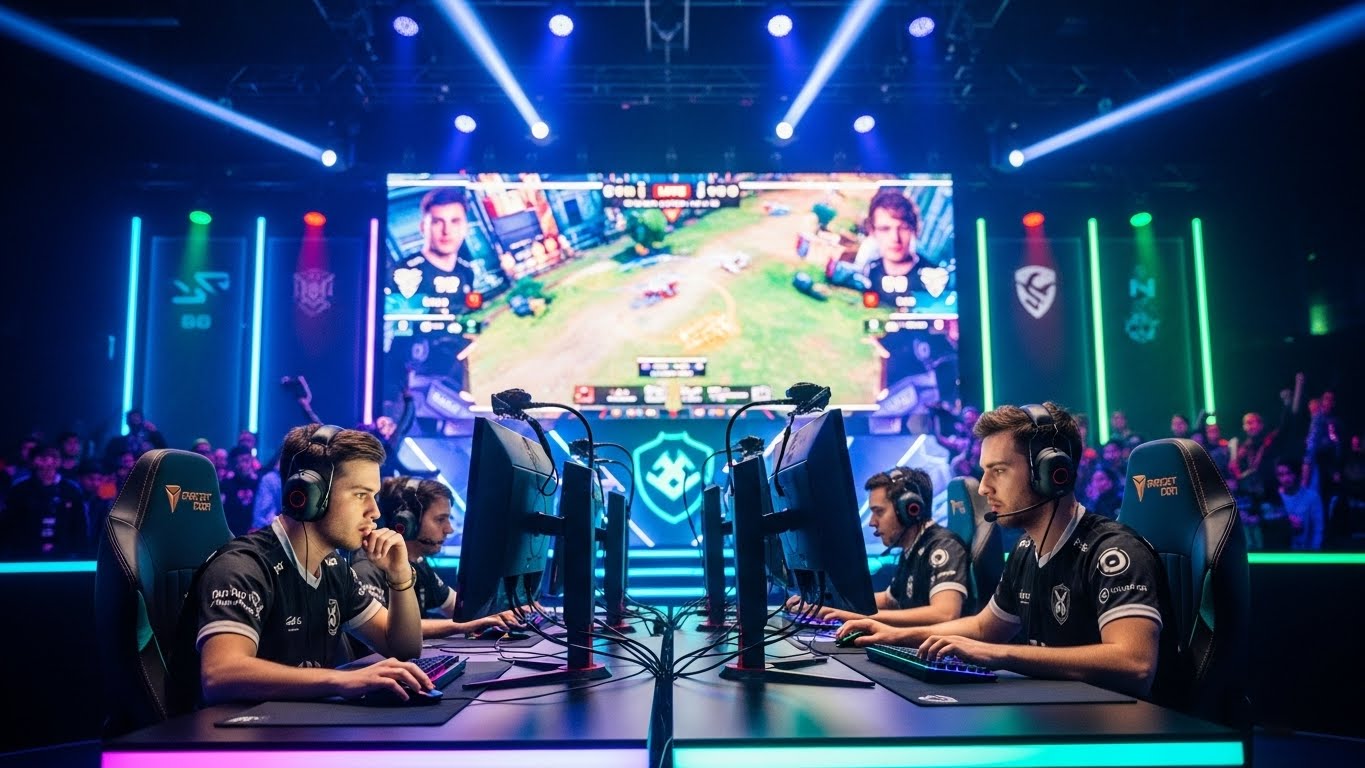
Esports competitions are structured similarly to traditional sports, with leagues, seasonal events, regional qualifiers, and global championships. Players form professional teams and undergo rigorous training, sometimes dedicating ten to twelve hours daily to practice and strategy development.
Team-based games require coordination, communication, and synergy, while individual competitions focus on precision, timing, and decision-making. Professional esports organizations employ coaches, analysts, and support staff to optimize performance. Unlike traditional sports, esports allows global participation through online tournaments, connecting players from different continents in real time.
Skills Required for Success in Esports
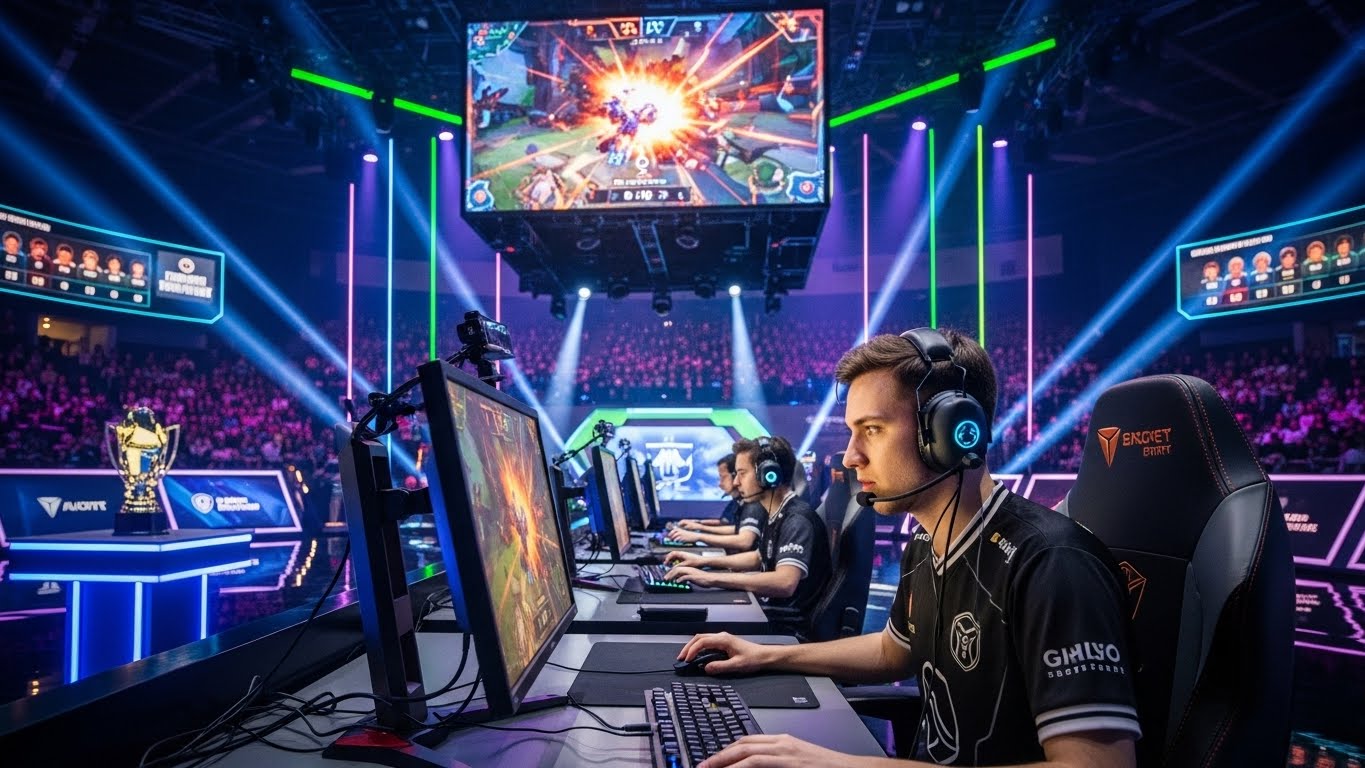
Success in esports requires a unique combination of physical, cognitive, and interpersonal skills. Hand-eye coordination, reflexes, and precision are essential for gameplay, while strategic thinking, problem-solving, and adaptability are crucial for making quick decisions under pressure.
Team-based games demand communication, leadership, and collaboration. Mental resilience is equally important, as players must handle stress, setbacks, and intense competition. Professional esports athletes also prioritize physical well-being to maintain stamina, focus, and reaction speed during long practice sessions and tournaments.
The Role of Technology in Esports
Technology is the backbone of esports. High-performance computers, gaming consoles, fast internet connections, and specialized peripherals are essential for competitive gaming. Streaming platforms allow fans to watch live tournaments, follow their favorite players, and interact with the community in real time.
Emerging technologies such as virtual reality and augmented reality are set to transform esports experiences, providing immersive gameplay and enhanced viewer engagement. Performance analytics and data-driven coaching tools help players refine strategies and maximize potential. Technology has not only enabled esports to thrive but also made it accessible to audiences and players worldwide.
Global Popularity of Esports
Esports has a universal appeal, transcending age, culture, and geography. Countries like South Korea, China, the United States, and many European nations have professional leagues and esports academies. Online accessibility allows players from remote regions to compete at high levels, while tournaments attract millions of viewers globally.
The international nature of esports promotes cultural exchange and collaboration. Fans around the world share strategies, celebrate victories, and analyze matches, creating vibrant communities that extend beyond national borders. Esports has truly become a global phenomenon, bridging gaps between cultures and generations.
Economic Impact of Esports
The esports industry has grown into a multi-billion-dollar market. Professional players earn salaries, tournament winnings, and sponsorship deals. Teams operate like traditional sports franchises, employing coaches, analysts, marketing professionals, and event managers.
Esports also generates revenue through streaming platforms, merchandising, and live event ticket sales. Sponsorships from technology companies, apparel brands, and energy drinks fuel industry growth. Large tournaments boost local economies, stimulating tourism, hospitality, and media industries. The economic impact of esports highlights its significance beyond entertainment, driving innovation and creating opportunities worldwide.
Esports as a Career Path
Esports offers a diverse range of career opportunities. While professional gameplay is the most visible role, individuals can also become coaches, analysts, commentators, event organizers, marketers, or content creators. Many organizations have training programs and academies that help aspiring players develop skills while maintaining their education.
Educational institutions are increasingly recognizing esports as a legitimate field, offering scholarships and programs to cultivate talent. Beyond playing, esports careers include management, broadcasting, and digital media roles, providing long-term professional growth opportunities.
Mental Health and Esports
The competitive nature of esports brings unique mental health challenges. Long hours of practice, performance pressure, and public scrutiny can lead to stress, anxiety, or burnout. Maintaining a balanced routine with physical exercise, proper nutrition, and mental wellness practices is critical.
Many professional teams now provide counseling, mental health resources, and stress management programs to support players. Prioritizing mental health ensures sustainable growth and helps athletes perform at their best, both in-game and in life.
Cultural Impact of Esports
Esports has influenced popular culture profoundly. Players are celebrated as digital celebrities, inspiring millions of fans. Streaming platforms and social media allow fans to engage with content, discuss gameplay strategies, and participate in the esports community.
Esports also affects fashion, music, and entertainment. Branded apparel, merchandise, and gaming peripherals have become symbols of cultural identity for fans. Music collaborations and esports-themed content reflect how deeply esports has integrated into lifestyle and entertainment trends.
Inclusivity and Accessibility in Esports
One of esports’ strengths is its inclusivity. Unlike many traditional sports, esports does not rely on physical attributes, making it accessible to people of all abilities, genders, and backgrounds. Adaptive technology and online platforms allow a wide range of players to compete professionally and recreationally.
Inclusive esports initiatives foster diversity in teams and fan communities, promoting equality and challenging stereotypes. Skill, strategy, and dedication determine success, not physical limitations, which makes esports a truly democratic form of competition.
Challenges Facing Esports
Despite rapid growth, esports faces challenges. Player burnout, community toxicity, cheating, and inconsistent regulation threaten the industry’s integrity. Standardized rules, fair competition, and player welfare programs are critical for sustainable development.
Balancing commercial interests with the well-being of players is essential. Collaboration among developers, organizations, and governing bodies is necessary to address these issues and ensure esports continues to thrive responsibly.
The Future of Esports
The future of esports is full of potential. Advancements in technology, such as virtual reality, cloud gaming, and immersive streaming experiences, will enhance both gameplay and audience engagement. Investment from global brands, increased media coverage, and educational initiatives will further legitimize esports as a mainstream industry.
Esports education programs and academies will continue to nurture new talent, creating professional pathways for aspiring players. As the industry grows, it will redefine competition, entertainment, and career opportunities in the digital age.
Conclusion
Esports is more than a form of entertainment—it is a cultural revolution and a new type of competition. Combining skill, strategy, teamwork, and technology, esports empowers players, connects fans, and drives economic growth. It challenges traditional definitions of sports, promotes inclusivity, and inspires global communities.
As esports continues to expand, it will inspire generations of digital athletes, foster innovation, and create opportunities for millions around the world. The digital arena is more than just a game; it is a platform where passion, talent, and technology come together, shaping the future of competition, entertainment, and culture.