
 proesportszone51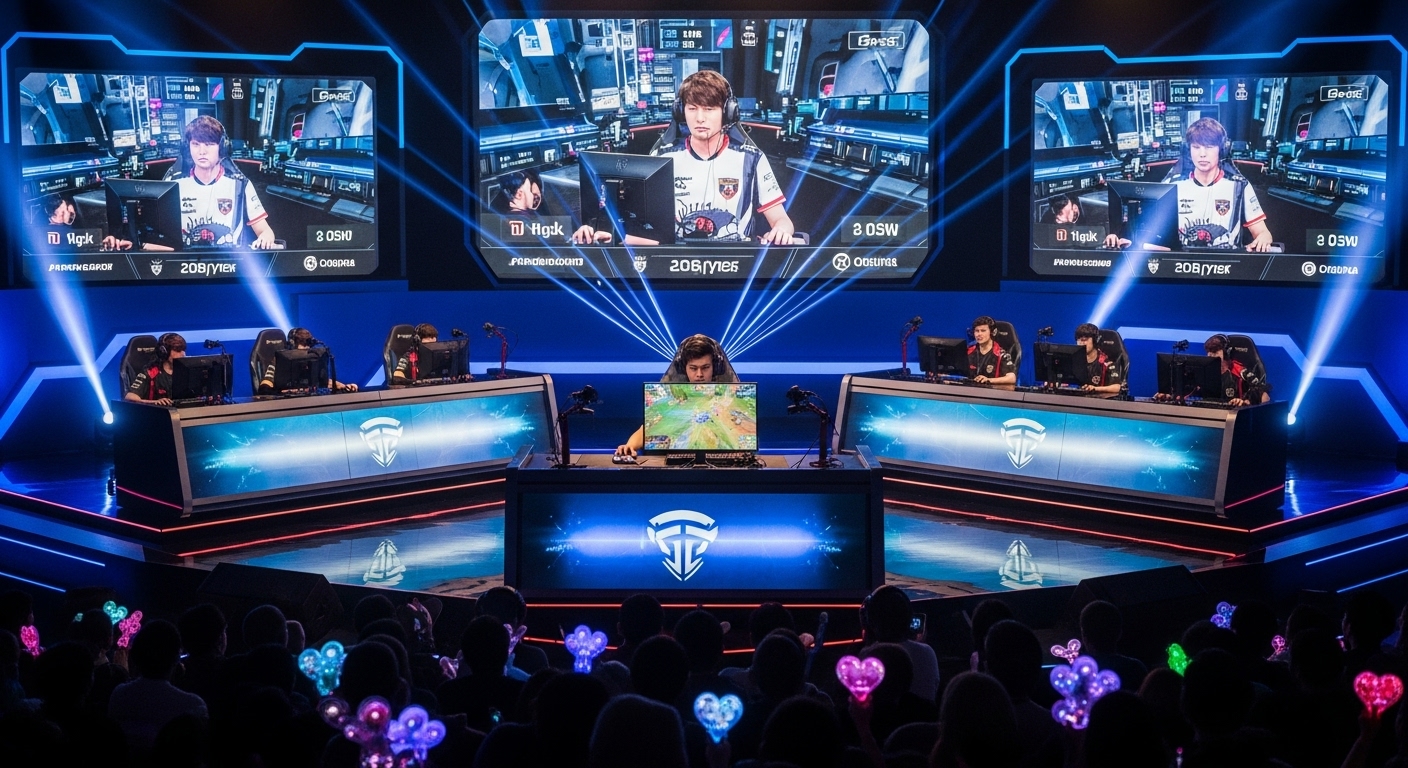
In the last two decades, the world has witnessed a monumental shift in how people perceive competition, entertainment, and community. This shift has been largely driven by the rise of Esports—a realm where gaming meets athleticism, strategy intertwines with spectacle, and digital avatars replace traditional uniforms. Esports has evolved from a niche subculture into a global powerhouse, rivaling traditional sports in viewership, investment, and cultural impact. It is not merely a hobby or pastime anymore; it is an industry, a lifestyle, and a new form of digital identity.
The Birth of a Digital Phenomenon
Esports did not emerge overnight. Its roots can be traced back to the 1970s, when early computer tournaments like Space Invaders and Pong captivated small groups of players. Back then, the idea of professional gaming seemed absurd—computers were bulky, slow, and inaccessible to most. Yet, as technology evolved, so did the spirit of competition within virtual spaces.
By the 1990s, multiplayer gaming and the internet revolution began to take hold. Titles like StarCraft, Quake, and Counter-Strike introduced a new level of skill and teamwork. LAN parties became the battlegrounds for early gaming tournaments, and small communities started organizing events that hinted at what was to come. It was in these humble beginnings that Esports found its essence: passion, precision, and performance.
The 2000s: Laying the Foundation for Global Esports
The early 2000s marked a turning point. The rise of broadband internet allowed players from around the world to compete in real-time. Games like Warcraft III, Halo 2, and Counter-Strike 1.6 set new benchmarks for online competition. Korea emerged as the first true Esports hub, with StarCraft: Brood War dominating television networks and turning players like Lim “BoxeR” Yo-hwan into national celebrities.
During this time, Esports began to formalize its structure. Professional teams formed, leagues were established, and sponsors started investing real money into what was once considered a hobby. This era also saw the birth of early Esports organizations such as Fnatic, SK Gaming, and Team Liquid—names that still resonate today.
The Streaming Revolution: How Esports Reached the Masses
No other technological leap influenced Esports as profoundly as live streaming. Platforms like Twitch and YouTube Gaming changed everything. For the first time, fans could watch tournaments and follow their favorite players in real time, from anywhere in the world.
This accessibility transformed Esports into a global spectacle. Viewership numbers skyrocketed as millions tuned in to watch titles like League of Legends, Dota 2, and Call of Duty. Esports no longer depended on television or physical attendance; it thrived online, feeding off the energy of digital communities.
Streaming also empowered individual players to build personal brands. Gamers who were once invisible beyond leaderboards became influencers with millions of followers. This shift created a new ecosystem where entertainment, competition, and personality merged into one cohesive experience.
The Rise of Major Esports Titles
The backbone of Esports lies in its games—the digital battlegrounds that fuel global competition. Over the years, several titles have defined and redefined the scene.
League of Legends became a cornerstone of Esports culture. Released in 2009, it combined strategy, teamwork, and skill in a way that captivated millions. Its yearly World Championship events are now among the most-watched tournaments on Earth.
Dota 2 followed closely, with its International tournaments boasting some of the largest prize pools in Esports history. The game’s complexity and tactical depth turned it into a stage for mental warfare as much as mechanical prowess.
Counter-Strike: Global Offensive cemented itself as the ultimate test of precision and reflex. Its tactical gameplay and long-standing competitive history have made it a pillar of professional gaming.
Overwatch, Fortnite, Valorant, and Apex Legends further diversified the landscape, each bringing unique mechanics and aesthetics that attract different kinds of players and audiences. The variety of genres—from battle royales to strategy titles—demonstrates how Esports isn’t confined to one format. It is an umbrella of countless experiences and communities.
Esports as a Career Path
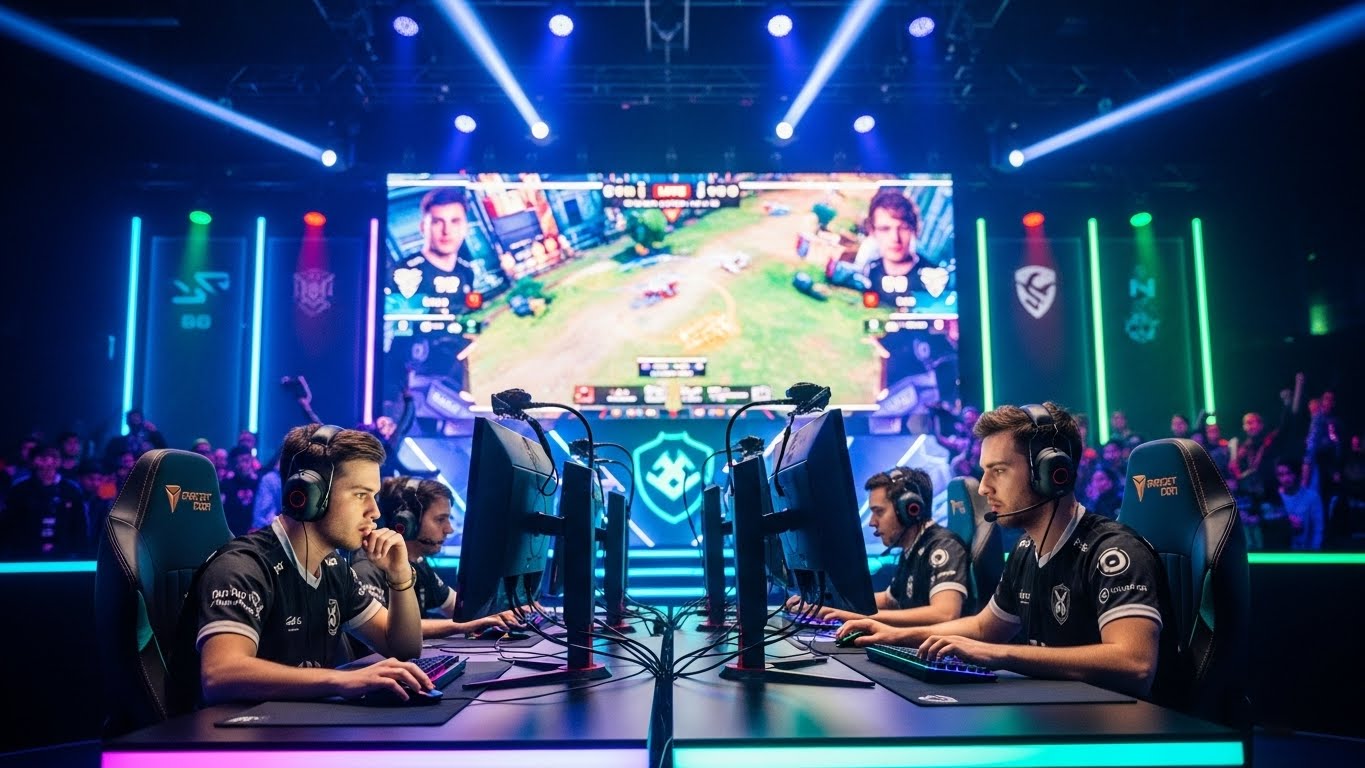
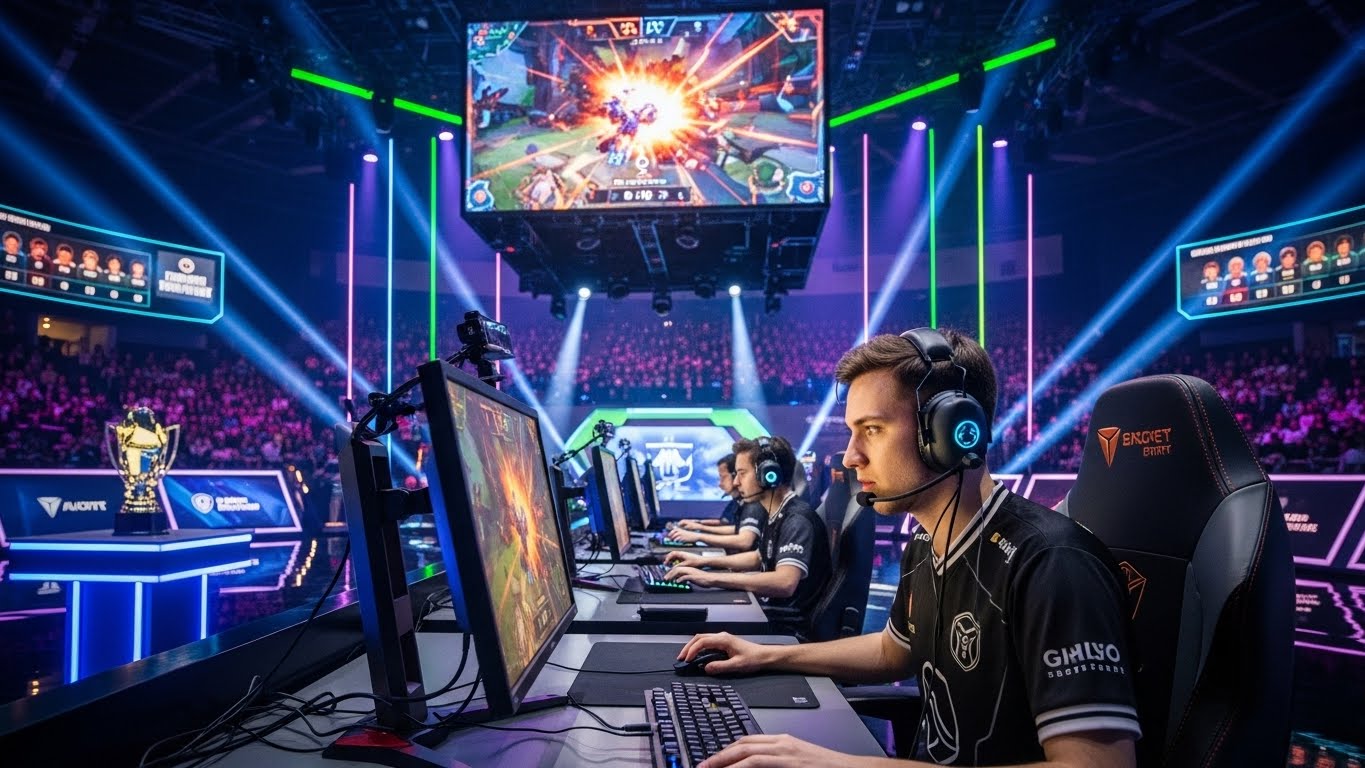
Once dismissed as an unrealistic dream, becoming a professional gamer is now a legitimate career. Esports athletes train for hours daily, studying gameplay, refining reflexes, and analyzing opponents much like traditional athletes. Top players earn salaries, sponsorships, and tournament winnings that rival or even exceed those of conventional sports figures.
But beyond players, Esports has generated an entire ecosystem of jobs. There are coaches, analysts, commentators, event organizers, marketing teams, and content creators—all working together to keep the industry thriving. Universities around the world now offer Esports scholarships, and some countries officially recognize professional gamers as athletes.
This professionalization has elevated gaming to a respected domain of discipline and opportunity. It has become a dream not just for those who play, but also for those who wish to build, broadcast, and manage within the world of competitive gaming.
The Business of Esports
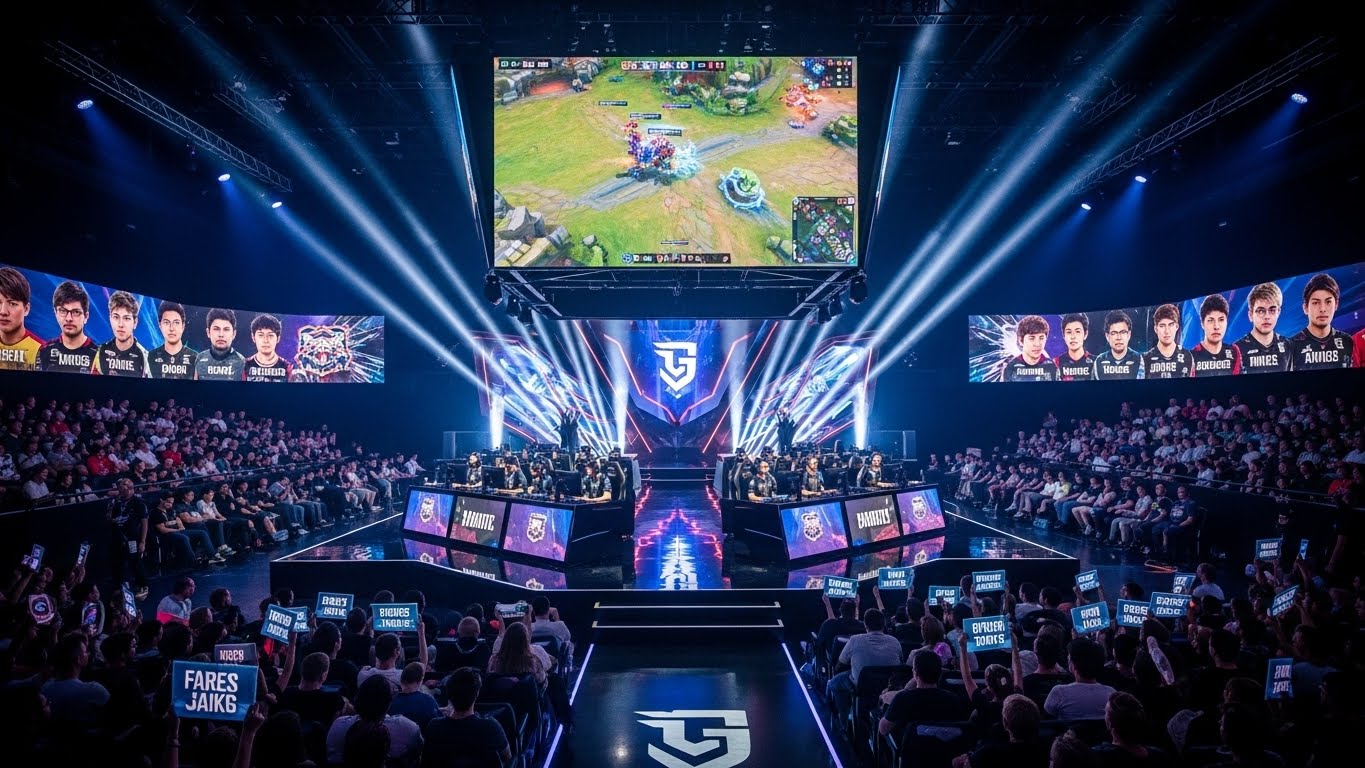
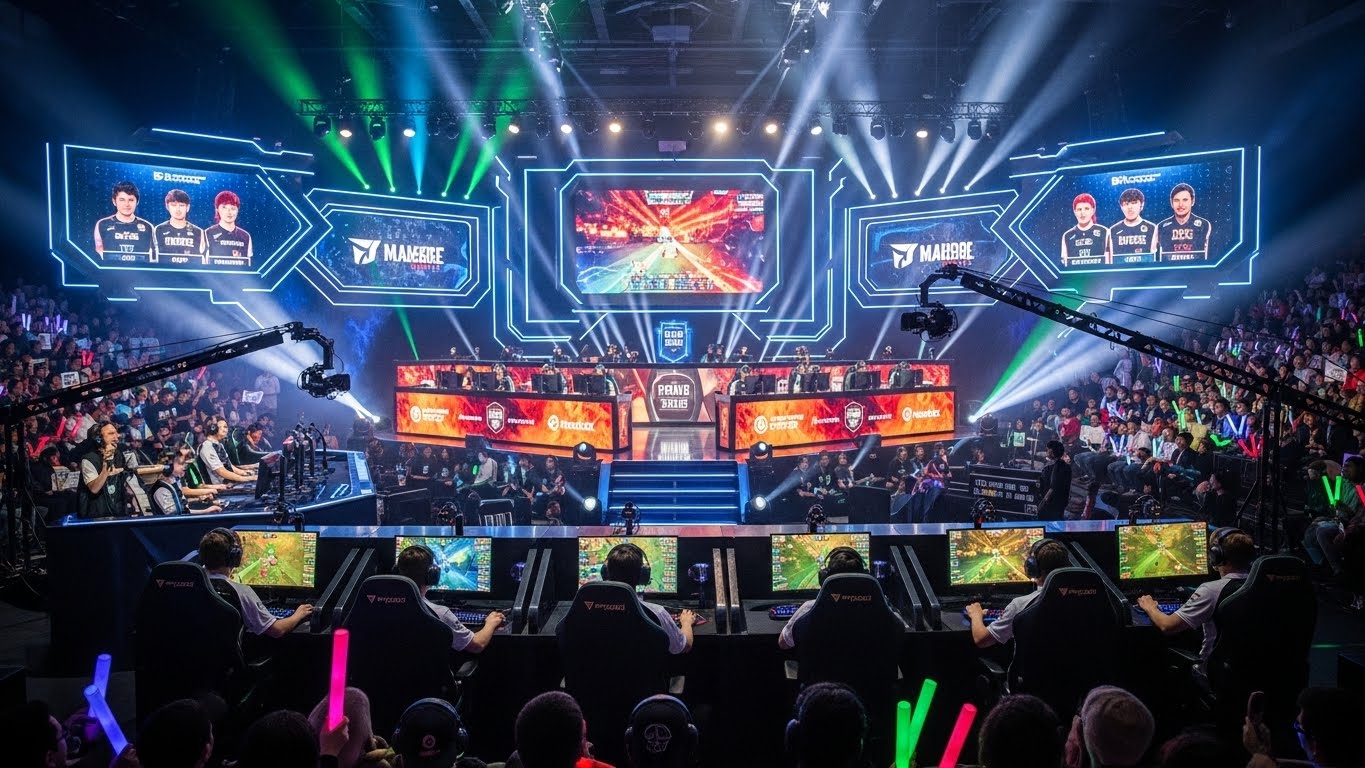
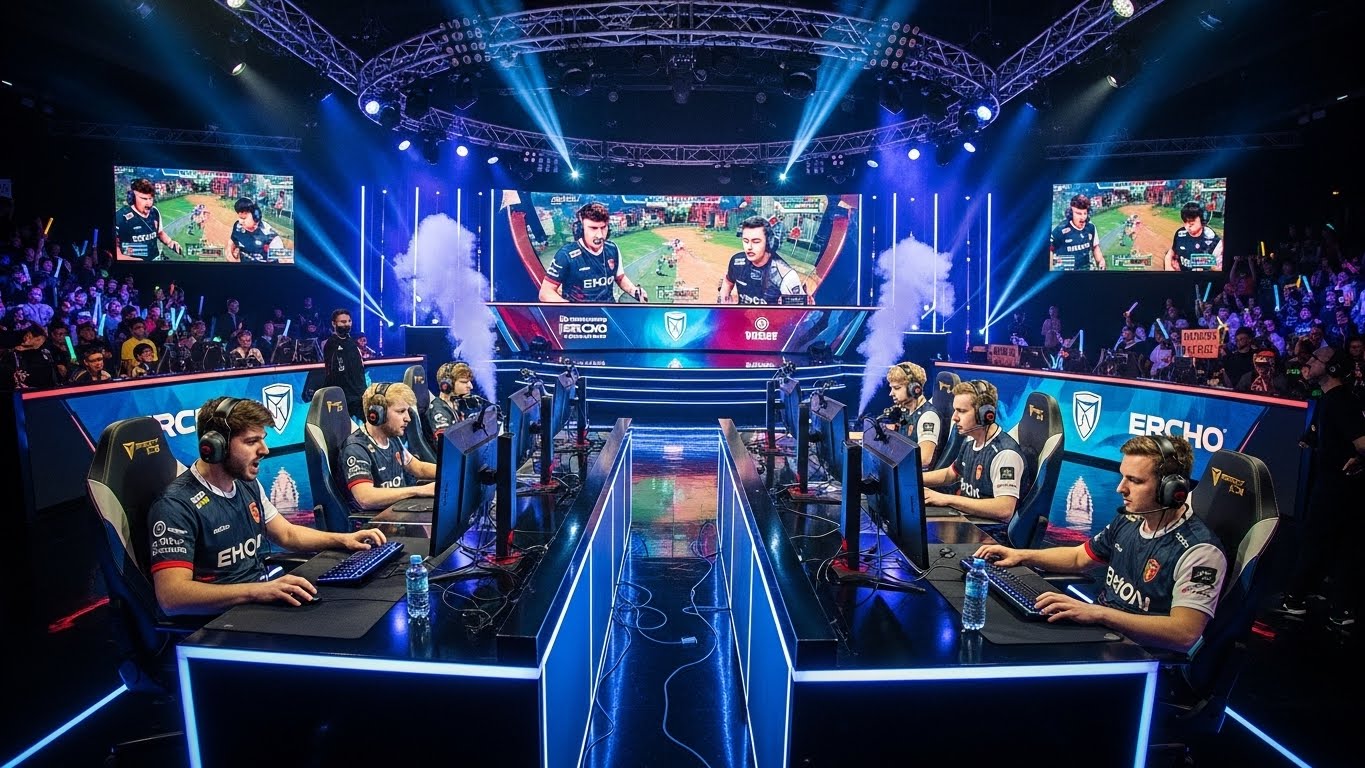
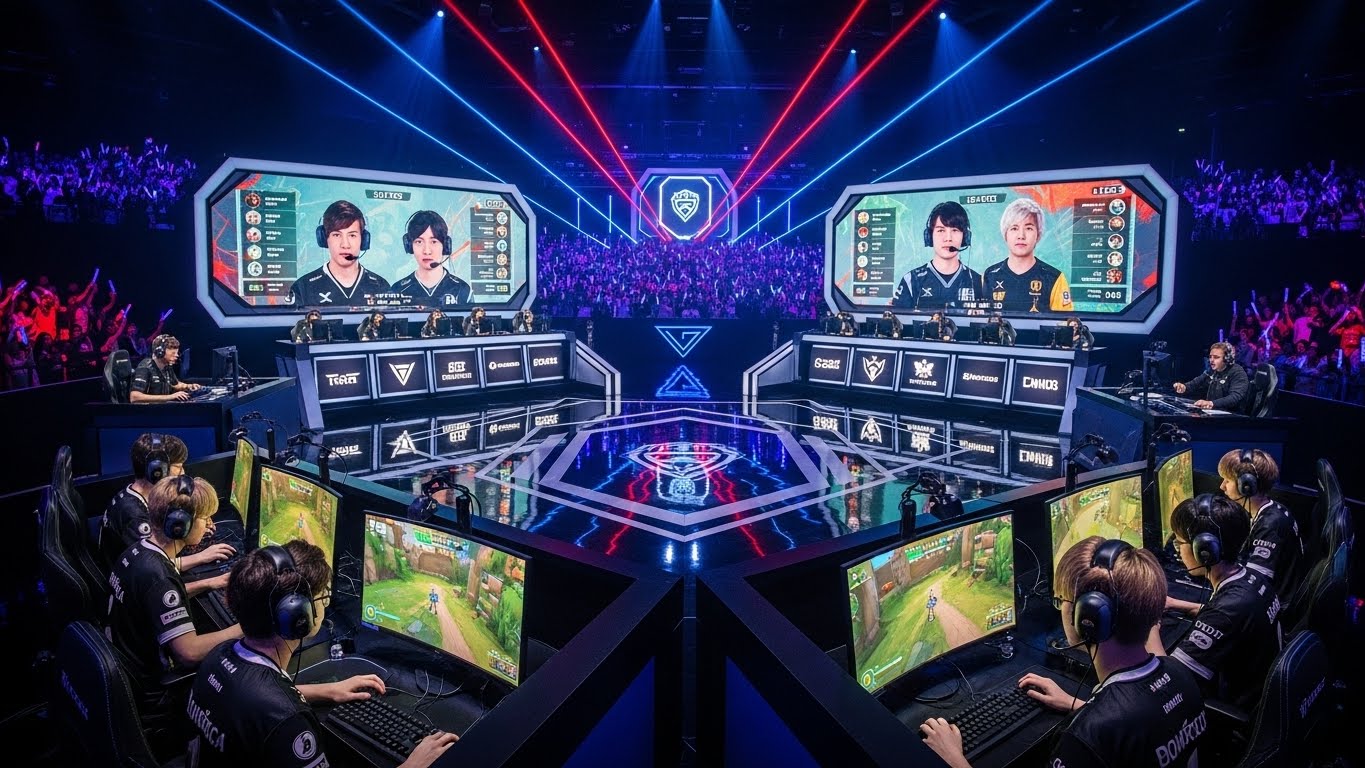
The financial growth of Esports has been staggering. What began as small prize pools in the early 2000s has transformed into multi-million-dollar tournaments and billion-dollar organizations. Esports events now fill arenas that once hosted concerts and sports matches, with elaborate light shows, commentary desks, and roaring crowds.
Sponsorships play a crucial role in sustaining the industry. Brands from all sectors—energy drinks, tech companies, apparel, and even automotive giants—have entered the space, recognizing the marketing power of reaching young, engaged audiences.
Moreover, the merger of gaming and entertainment has opened up new revenue streams. Merchandise, live events, streaming subscriptions, and even digital cosmetics contribute to the financial ecosystem. The Esports economy is not just about competition; it is about culture, influence, and innovation.
Esports and Traditional Sports: A Growing Convergence
For years, traditional sports and Esports existed in separate worlds. But now, the line between them is blurring. Professional sports franchises are investing heavily in Esports, establishing their own gaming divisions and acquiring teams. The NBA, FIFA, and Formula 1 have all created official Esports leagues, giving fans virtual alternatives to their favorite sports.
This crossover goes beyond business. The athletic rigor, teamwork, and strategic thinking required in Esports mirror the values of traditional sports. Athletes from both domains share similar mindsets—dedication, mental endurance, and a drive to compete at the highest level.
As technology continues to advance, the integration will deepen. The future might see hybrid events where physical and digital athletes share the same stage, redefining what “competition” means altogether.
The Cultural Impact of Esports
Esports has evolved into more than just competitive gaming—it has become a cornerstone of modern culture. It shapes fashion, language, music, and social interaction. Gaming terminology has entered everyday vocabulary, and Esports-inspired aesthetics influence everything from clothing to film.
Communities built around games are among the most passionate and creative in the world. Fan art, memes, live chat interactions, and community events create a sense of belonging that transcends geography. For many young people, Esports is not just entertainment—it’s identity, friendship, and self-expression.
Moreover, Esports has also played a pivotal role in breaking barriers. It offers an inclusive space where gender, race, and background matter less than skill and teamwork. While challenges remain, the industry is slowly moving toward more diversity and representation, opening doors for players and creators worldwide.
The Psychological and Social Dimensions of Esports
Competitive gaming demands more than mechanical skill. It requires psychological resilience, adaptability, and emotional intelligence. Esports athletes must manage stress, pressure, and public scrutiny, often at a young age.
The mental aspects of gaming are now studied by sports psychologists who specialize in helping players maintain focus and motivation. Proper training routines, mental exercises, and balanced lifestyles have become standard practices in professional teams.
At a broader level, gaming communities also provide social support. They allow people to connect, collaborate, and find belonging. Especially in times when physical interaction is limited, online gaming becomes a vital social outlet.
Challenges Facing the Esports Industry
Despite its success, Esports is not without challenges. The rapid growth of the industry has brought issues related to regulation, burnout, and integrity.
Player burnout is a growing concern due to intense schedules and constant travel. Match-fixing, cheating, and doping (through stimulants or energy enhancers) have also raised ethical questions about fair play. Moreover, the lack of standardized global governance makes it difficult to enforce consistent rules across tournaments.
Financial sustainability is another topic of debate. While top-tier organizations thrive, smaller teams often struggle with funding. Maintaining balance between corporate interests and community authenticity remains a delicate challenge.
However, these obstacles are not insurmountable. As the industry matures, governance bodies, unions, and ethical standards are emerging to protect players and maintain fairness. Transparency and professionalism will shape the next chapter of Esports evolution.
The Role of Technology in Esports Growth
Technology is the backbone of Esports. Advances in hardware, software, and connectivity have made competitive gaming smoother, fairer, and more immersive. High-refresh-rate monitors, precision peripherals, and optimized network systems ensure that every millisecond counts.
Artificial intelligence is now being used to analyze gameplay, predict strategies, and coach players. Virtual reality and augmented reality are opening new dimensions of interactivity. As cloud gaming becomes more widespread, accessibility barriers will continue to fall, allowing anyone, anywhere, to compete at high levels.
The future might even see the rise of “mixed-reality” Esports, where digital and physical gameplay blend into new forms of entertainment. The possibilities are endless, limited only by imagination and innovation.
The Future of Esports
The trajectory of Esports points toward a boundless future. It is not merely growing—it is evolving into something much larger than competition. In the next decade, we can expect Esports to integrate even more deeply with mainstream culture, education, and entertainment.
Schools and universities will continue to adopt Esports programs, nurturing not just players but future industry leaders. Media coverage will expand beyond gaming circles, treating tournaments as major global events. Virtual arenas will replace physical borders, uniting players and fans from every corner of the world.
Moreover, as generations grow up immersed in gaming, Esports will become as natural as football, cricket, or basketball. It will represent a fusion of technology, art, and human spirit—a modern testament to how people connect, compete, and create meaning.
Conclusion: More Than a Game
Esports stands at the intersection of passion, innovation, and community. What began as friendly matches among enthusiasts has transformed into a digital empire reshaping how we view competition and culture. It is a phenomenon born of pixels and persistence, yet it resonates deeply with timeless human instincts—the desire to excel, to belong, and to entertain.
In many ways, Esports is the purest form of modern storytelling: one where players write their narratives through reflexes, strategy, and courage. It reflects who we are in the digital age—connected, creative, and endlessly competitive. The future of Esports is not just about who wins or loses, but about how it continues to unite people across boundaries, proving that in this digital arena, the game never truly ends.