
 proesportszone51
Introduction: The Rise of Esports
Esports, short for electronic sports, has rapidly evolved from a niche hobby to a multi-billion-dollar global industry. What began in the 1970s with arcade competitions and has since blossomed into one of the most lucrative entertainment sectors in the world, offers a window into how gaming culture has transformed into a mainstream phenomenon. With millions of fans, players, and influencers, esports is reshaping the way we think about sports, entertainment, and competition.
From competitive leagues to massive global tournaments and streaming platforms, esports has grown into a full-fledged industry, with players, coaches, analysts, and content creators all playing vital roles. This post explores how esports has become the global powerhouse it is today, the factors behind its meteoric rise, and what the future holds for this thriving ecosystem.
The Birth and Evolution of Esports
The roots of esports can be traced back to the early days of video gaming, where gamers gathered to compete in local tournaments. The first official esports event was held in 1972 at Stanford University, where the game Spacewar was played in a tournament called the Intergalactic Spacewar Olympics. Although these early events were small, they provided the foundation for what would become a global phenomenon.
In the 1990s, the advent of online multiplayer games like Doom and StarCraft marked a turning point in competitive gaming. With the rise of the internet, players no longer had to be in the same physical location to compete. This was the beginning of the online multiplayer revolution, where the idea of esports began to take shape in earnest. By the early 2000s, events like the World Cyber Games (WCG) and Electronic Sports World Cup (ESWC) started gaining international attention.
The Explosion of Esports: Key Milestones
As gaming technology advanced and internet infrastructure improved, esports began to take a more professional turn. The mid-2000s saw the emergence of popular multiplayer games like League of Legends, Counter-Strike, Dota 2, and Overwatch, which became staples of the competitive gaming scene. This period also marked the rise of major esports organizations and teams, many of which continue to dominate the scene today.
- The Establishment of Major Leagues:
Esports organizations and publishers began organizing large-scale events with professional structures. For instance, Riot Games created the League of Legends World Championship in 2011, which quickly grew into one of the most-watched annual esports events in the world. Likewise, Valve’s Dota 2 International tournament, launched in 2011, became a hallmark of esports excellence with prize pools often exceeding $30 million. - Streaming Platforms:
A key factor in the growth of esports has been the rise of streaming platforms like Twitch, YouTube Gaming, and Facebook Gaming. These platforms allowed esports to reach a global audience, enabling fans to watch their favorite players and teams compete in real-time. The ability to stream live events has been a game-changer, helping to make esports accessible to millions of viewers, regardless of their location. - Mainstream Recognition:
The recognition of esports as a legitimate sport gained significant momentum in the 2010s. Notable milestones include the inclusion of esports in events like the Asian Games and the development of collegiate esports programs at universities across the world. In some countries, esports has even been recognized as a professional sport, with athletes receiving formal training and government-backed support.
The Esports Ecosystem: Players, Teams, and Organizations
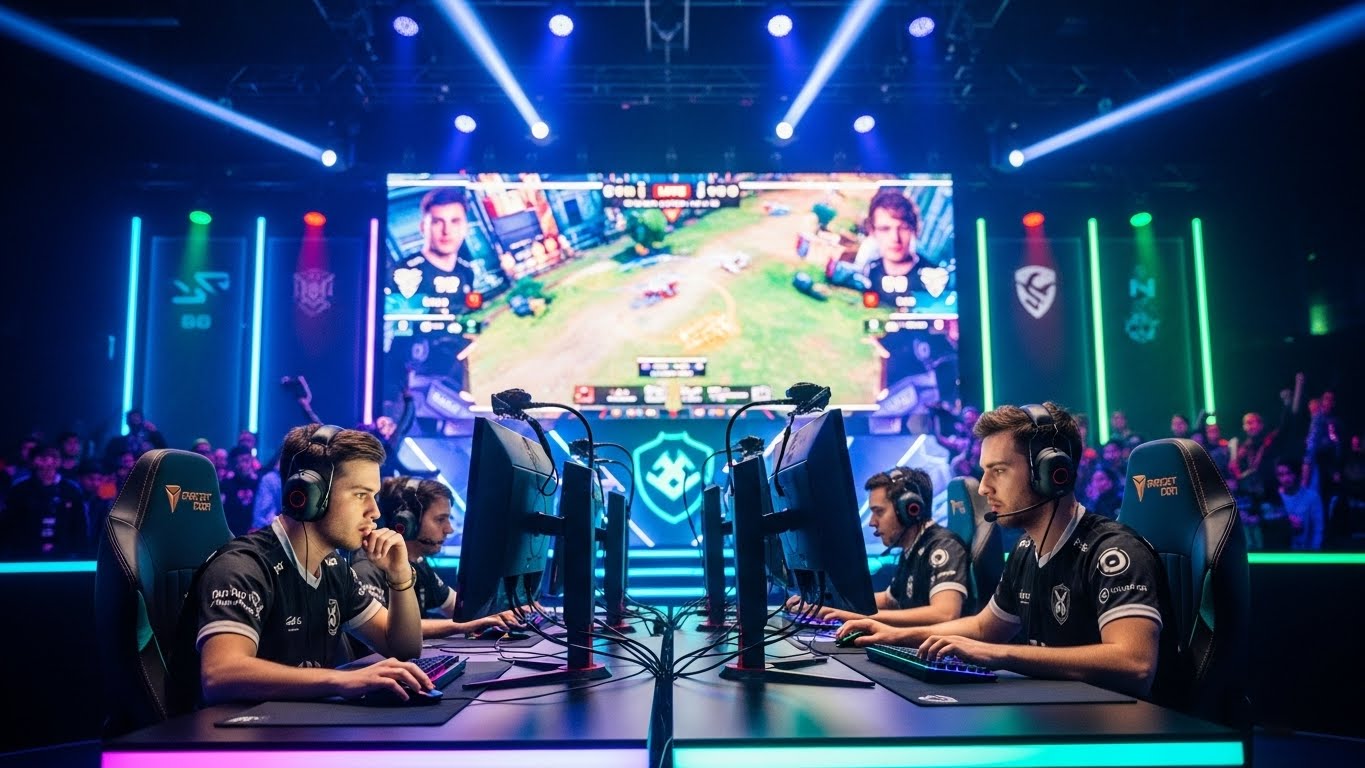
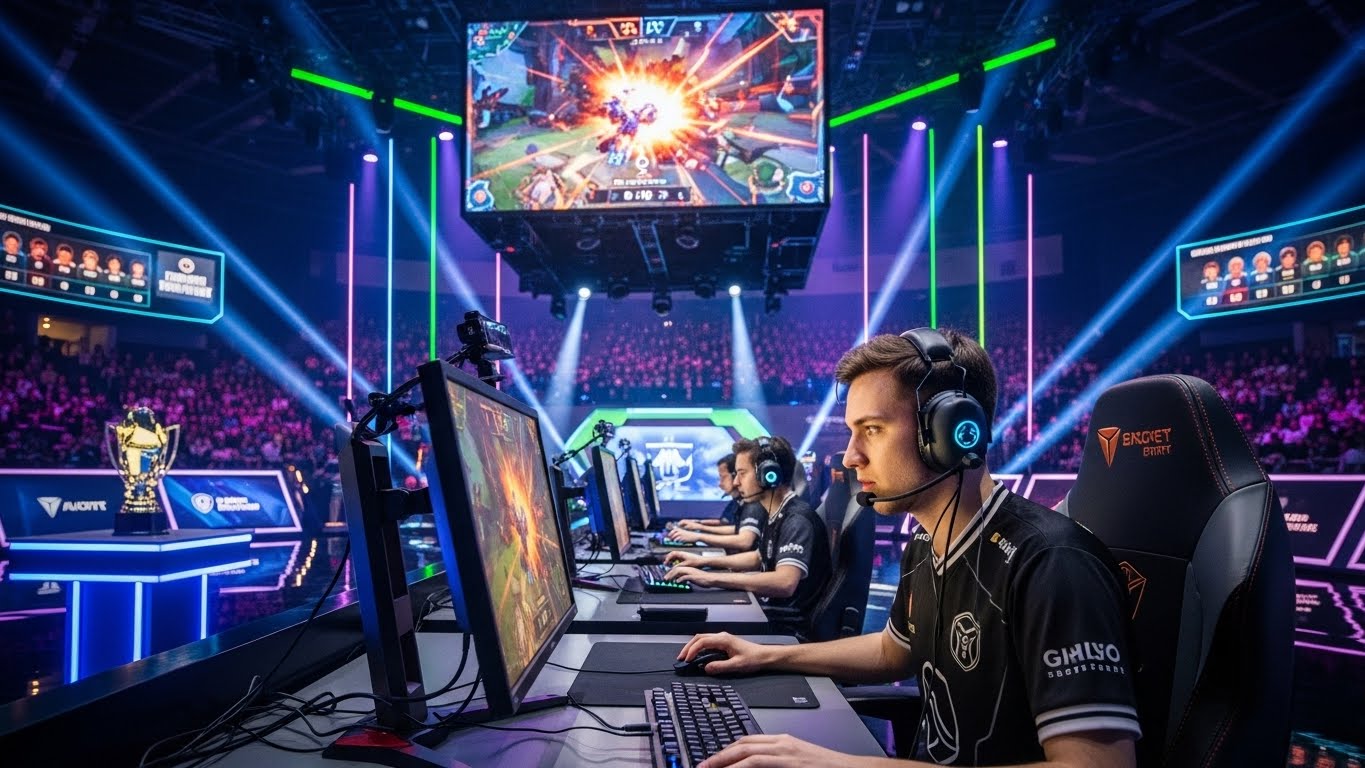
At the heart of the esports industry is its talented players. Just like traditional sports, professional esports athletes dedicate countless hours to perfecting their craft. Many of these players are revered for their skill, mental acuity, and strategic thinking. Some of the most popular esports titles, like League of Legends, Valorant, and Call of Duty, have created superstars who are followed by millions of fans.
- Players:
The best players in the world have transformed from hobbyists into full-time professionals, with salaries, sponsorships, and brand deals. In fact, some esports players have made millions in tournament winnings alone, in addition to lucrative endorsement deals. For example, Dota 2 player Johan “N0tail” Sundstein holds the record for the highest earnings in esports history, thanks to his success in the Dota 2 International tournaments. - Teams:
Esports organizations have become integral to the ecosystem, providing players with training, resources, and support. These teams, often backed by major sponsors and investors, compete in various leagues and tournaments around the world. Some of the most successful esports organizations include Cloud9, Team Liquid, Fnatic, and G2 Esports. These organizations not only field talented players but also play a critical role in promoting the esports ecosystem and building brand partnerships. - Coaches and Analysts:
Similar to traditional sports, esports teams employ coaches, analysts, and managers to help optimize player performance and team strategies. The role of the coach has evolved, with some even coming from traditional sports backgrounds. These professionals help shape the tactics used in competitive matches, providing insight that helps players maintain their competitive edge. - Content Creators and Influencers:
Esports is also closely tied to the world of content creation and online streaming. Influencers and content creators often stream their gameplay on platforms like Twitch, attracting millions of viewers. These creators can make substantial income through donations, sponsorships, and ad revenue. They help build fan engagement and promote esports culture, often blurring the line between entertainment and professional competition.
The Economic Impact of Esports
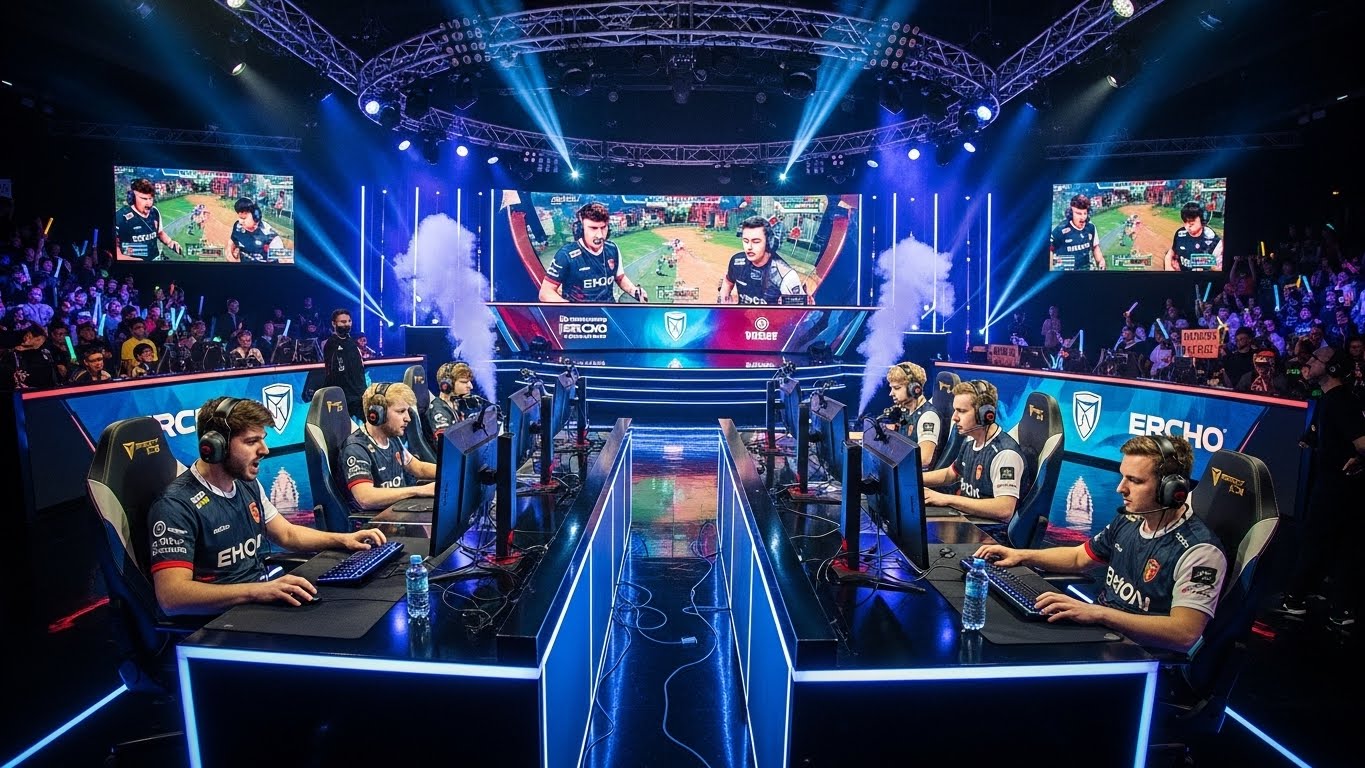
Esports is not just about competition; it’s a thriving global industry with an enormous economic impact. The esports ecosystem includes sponsorships, media rights, advertising, merchandise sales, and ticket sales, all contributing to its financial success.
- Sponsorships and Partnerships:
One of the driving forces behind the financial growth of esports is its ability to attract high-profile sponsorships. Major brands like Coca-Cola, Intel, Red Bull, and Nike have invested heavily in esports partnerships, sponsoring events, teams, and individual players. These sponsorships help fund tournaments and allow esports organizations to flourish. - Broadcasting and Media Rights:
As esports has become more mainstream, broadcasting rights for major events have become valuable commodities. Platforms like Twitch, YouTube Gaming, and traditional television networks have started bidding for the rights to broadcast top-tier tournaments. In addition to digital streams, esports events are now being broadcast on cable TV networks in some regions, making the scene more accessible to a wider audience. - Merchandising and Ticket Sales:
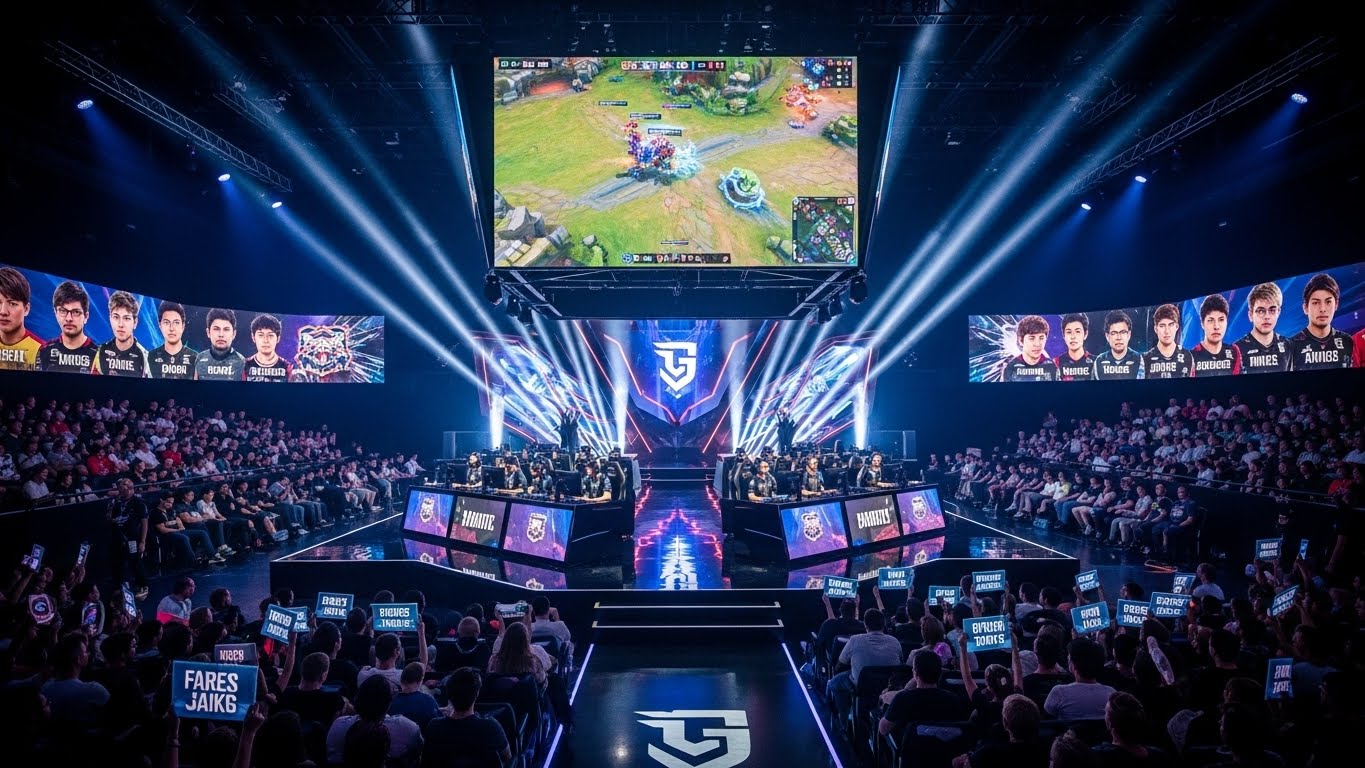
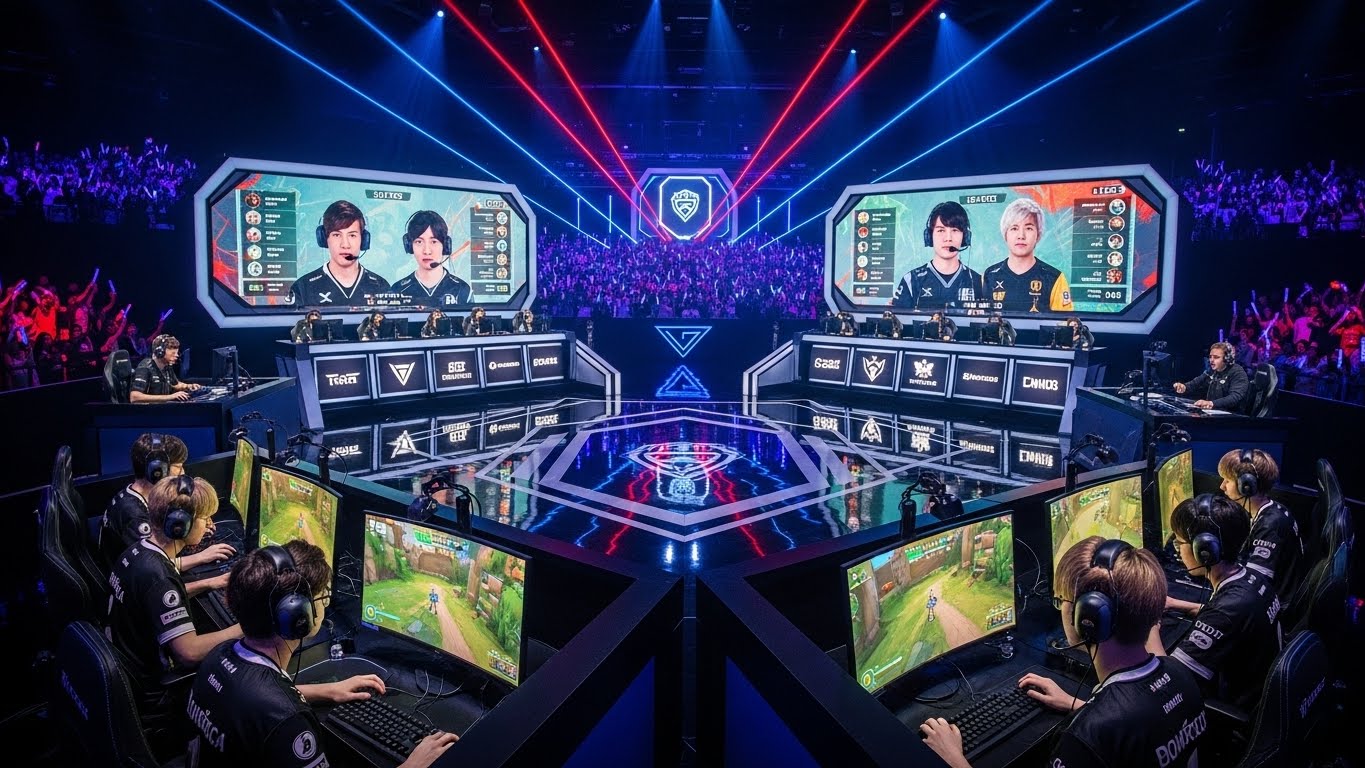
The popularity of esports has fueled merchandise sales, with fans purchasing everything from team jerseys to collectible items. Tournaments and live events, such as the League of Legends World Championship, have sold out large arenas and attracted thousands of attendees. This in-person fan engagement contributes to the overall revenue generated by the industry. - Esports Betting and Fantasy Leagues:
As with traditional sports, esports has become a focal point for betting and fantasy leagues. In countries where online betting is legal, fans place wagers on the outcomes of major tournaments, while others participate in fantasy leagues where they draft players and teams for simulated competitions. This has added another layer of entertainment and financial activity to the esports landscape.
The Future of Esports
Esports is still in its infancy, and the future looks incredibly bright. With technological advancements, growing global audiences, and increasing recognition from mainstream media, esports has the potential to continue its upward trajectory.
- Esports as a Spectator Sport:
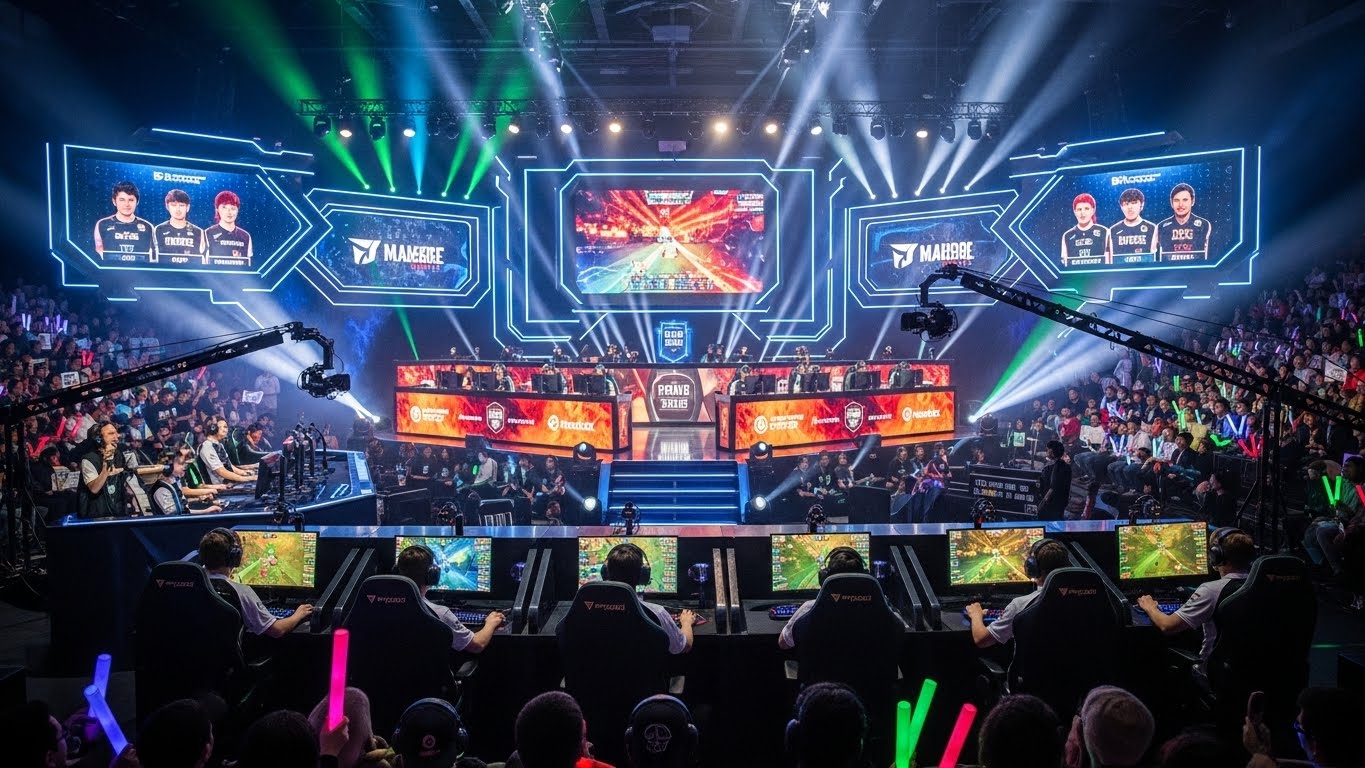
Just like traditional sports, esports events will continue to evolve in terms of production quality and fan engagement. Innovations in augmented reality (AR) and virtual reality (VR) could change the way audiences experience esports events, providing more immersive viewing experiences. - The Role of AI and Data Analytics:
Artificial intelligence (AI) and data analytics are already playing a key role in improving player performance. In the future, AI could help coaches and teams analyze gameplay, predict strategies, and optimize training methods. This could level the playing field, making esports competitions more dynamic and exciting. - Integration with Traditional Sports:
It’s possible that esports and traditional sports will become more intertwined in the future. With sports organizations like the NBA and NFL already making inroads into esports (through games like NBA 2K and Madden NFL), the boundaries between digital and physical competition may continue to blur.
Conclusion: A New Era in Competitive Entertainment
Esports is much more than just competitive gaming; it is a cultural movement that has captured the imagination of millions worldwide. The rapid growth of the industry has created new opportunities for players, organizations, and fans alike, while also bringing esports into the global spotlight. As we look to the future, esports is poised to continue its ascent as a major force in the world of entertainment, offering a new frontier of competition, excitement, and opportunity. The journey has only just begun, and esports is here to stay.