
 proesportszone51
In recent years, the world of competitive gaming, commonly known as esports, has undergone a dramatic transformation. What once was seen as a niche hobby or underground culture has now blossomed into a global entertainment industry worth billions of dollars. Esports encompasses professional video game competitions where players, teams, and even organizations compete at the highest levels for prestigious titles, fame, and monetary rewards. What makes esports particularly fascinating is its evolution from an arcade pastime to a multi-faceted, digital revolution affecting not only gamers but also industries, economies, and cultures at large.
The Evolution of Esports
Esports has been around for much longer than many people realize. In fact, competitive gaming traces its origins back to the 1970s, with early tournaments like the “Intergalactic Spacewar Olympics” held in 1972. However, it was in the 1990s and early 2000s that esports began to develop into a more recognizable phenomenon. Games like StarCraft, Counter-Strike, and Warcraft III established early competitive scenes, especially in South Korea, where esports began to receive widespread mainstream attention.
South Korea became the birthplace of esports as we know it today, with television networks broadcasting tournaments, creating a cultural foundation for what would eventually become a global entertainment sector. Fast-forward to the mid-2010s, and esports expanded beyond South Korea to North America, Europe, and China. Today, it is a multi-billion-dollar industry with millions of players, fans, and companies invested in its success.
The Players: Rising Stars and Professional Athletes
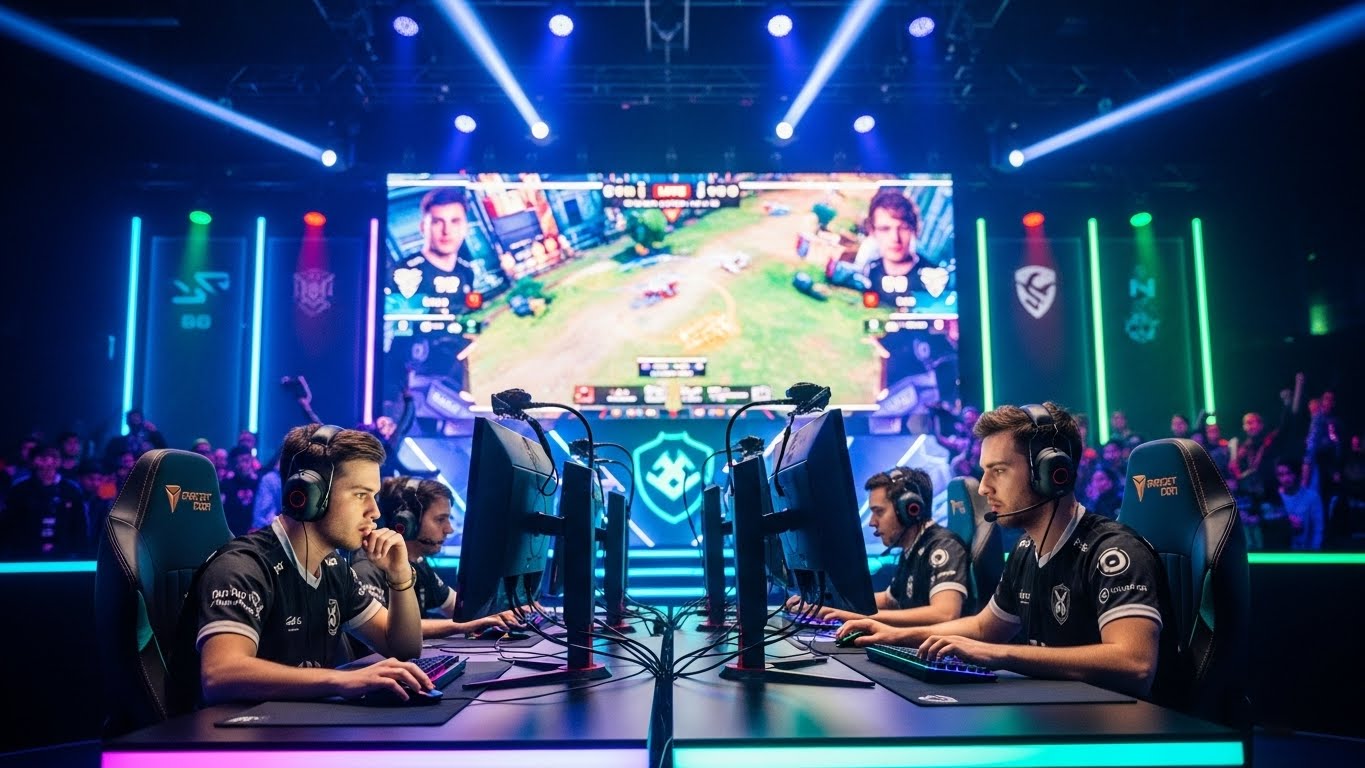
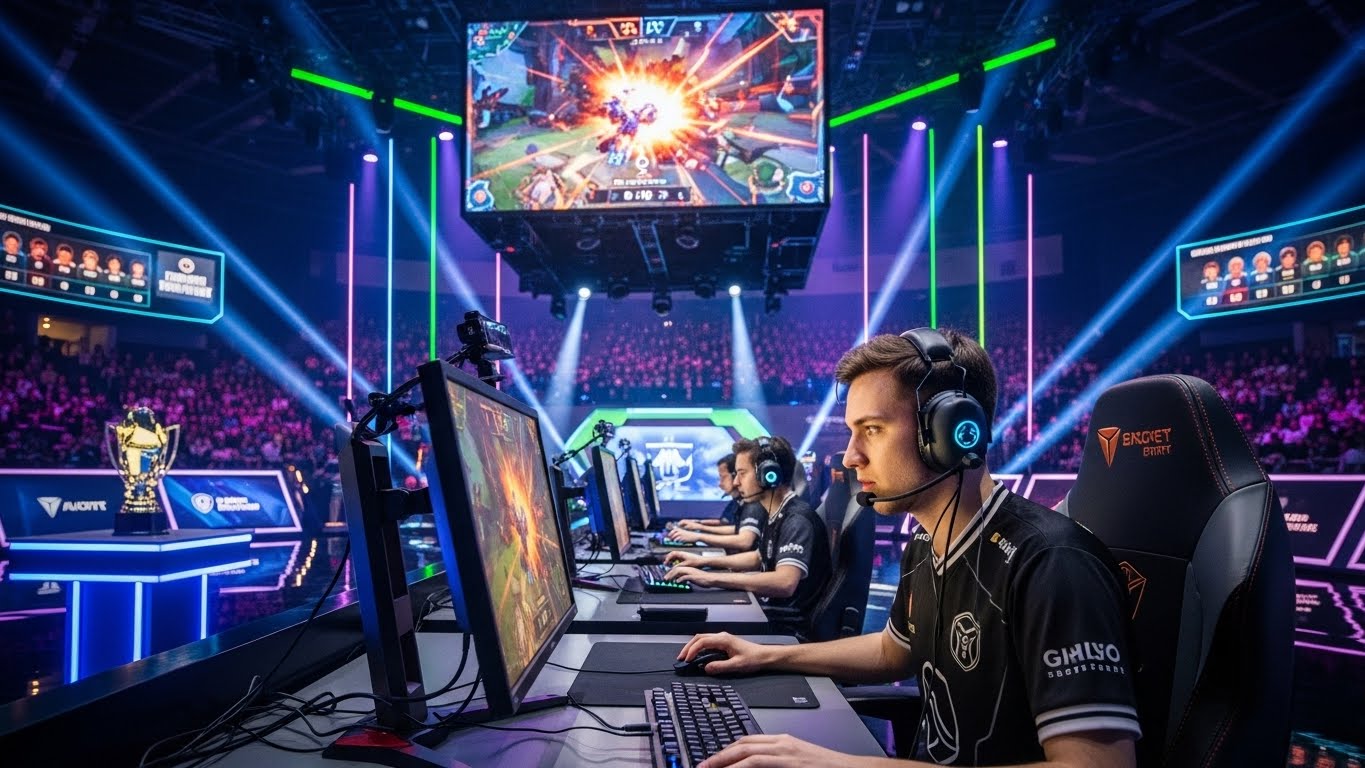
One of the most captivating aspects of esports is its players. These are individuals who, much like traditional athletes, dedicate hours of practice each day to refine their skills, study game mechanics, and build their mental resilience. In esports, the term “player” doesn’t only refer to someone who competes in a game; it refers to a highly skilled individual who often possesses unparalleled reflexes, strategic thinking, and the ability to perform under immense pressure.
The journey to professional gaming can be grueling, often requiring years of training and practice to reach the highest levels of play. Many top players start their careers as young teenagers, participating in smaller tournaments or even streaming their gameplay online to build an audience. Success comes with a combination of raw talent, hard work, and sometimes a bit of luck. However, once players break into the top-tier leagues, the rewards can be immense.
Unlike traditional athletes, esports players often don’t have to worry about the physical toll on their bodies (although injuries like carpal tunnel syndrome or eye strain are common), but they must cope with the mental and emotional stress of competition. Professional esports players often have to train multiple hours each day, scrimming with teammates, studying tactics, and keeping up with game updates, all while balancing their public personas. For some, it’s a dream come true, while for others, the intense lifestyle can lead to burnout.
The success of esports stars like Lee “Life” Seung Hyun in StarCraft, Kenny “kennyS” Schrub in Counter-Strike: Global Offensive, and Johan “N0tail” Sundstein in Dota 2 has made them not just local celebrities, but global icons in the gaming world. Their incredible performances in high-stakes competitions have earned them millions of dollars in prize money, sponsorships, and endorsement deals.
The Industry: From Tournaments to Streaming
Esports has expanded beyond just competitive play. Today, the esports industry consists of a vast ecosystem that includes sponsorships, media rights, merchandise sales, live events, and streaming platforms. The shift towards live streaming has been a key factor in the rise of esports, as platforms like Twitch and YouTube Gaming have enabled players, teams, and fans to interact in real-time. This democratization of media has allowed anyone with an internet connection to tune into major events, watch tournaments, and even follow the daily lives of their favorite gamers.
Esports has also become a lucrative business for game developers. The free-to-play model with in-game purchases has proven to be a successful strategy for many esports titles. Games like League of Legends, Dota 2, and Fortnite all generate billions in revenue through microtransactions, which fuel the competitive scene and provide players with a continual flow of new content to engage with.
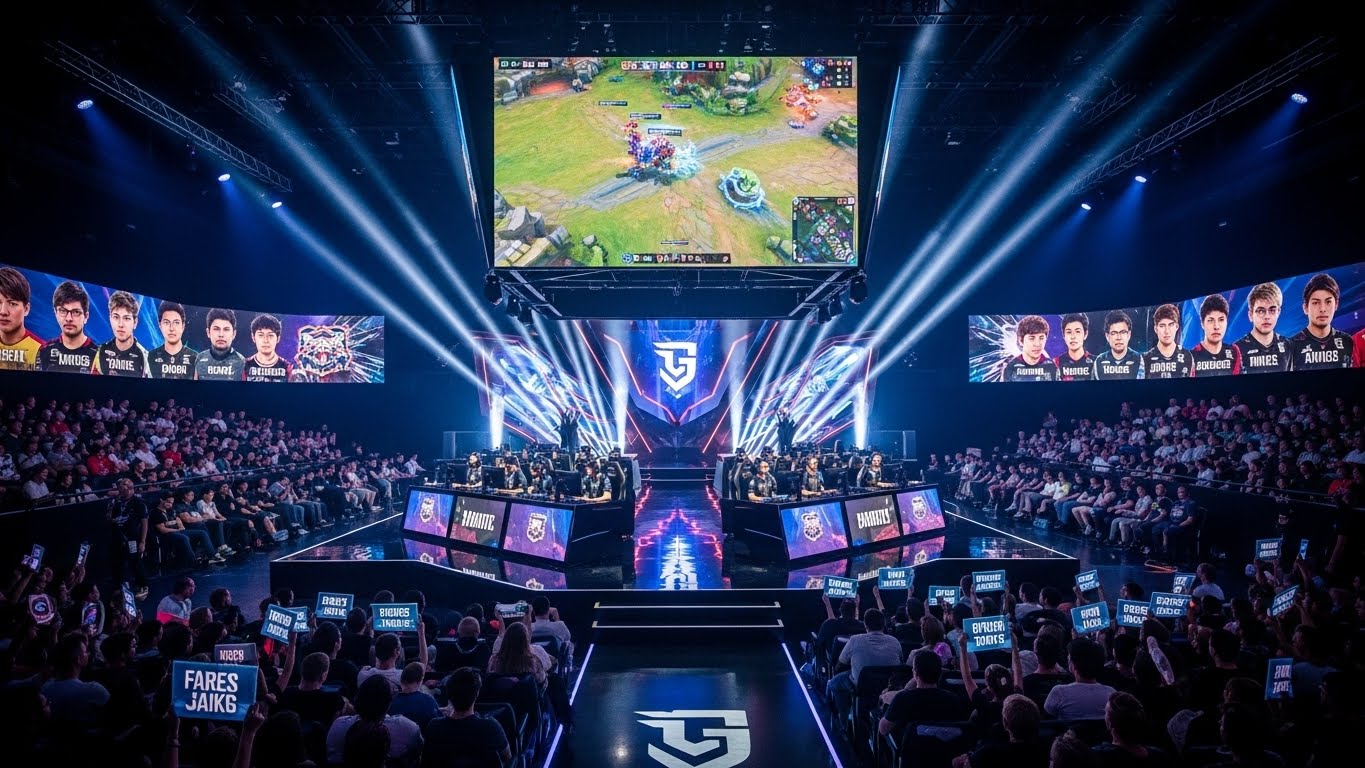
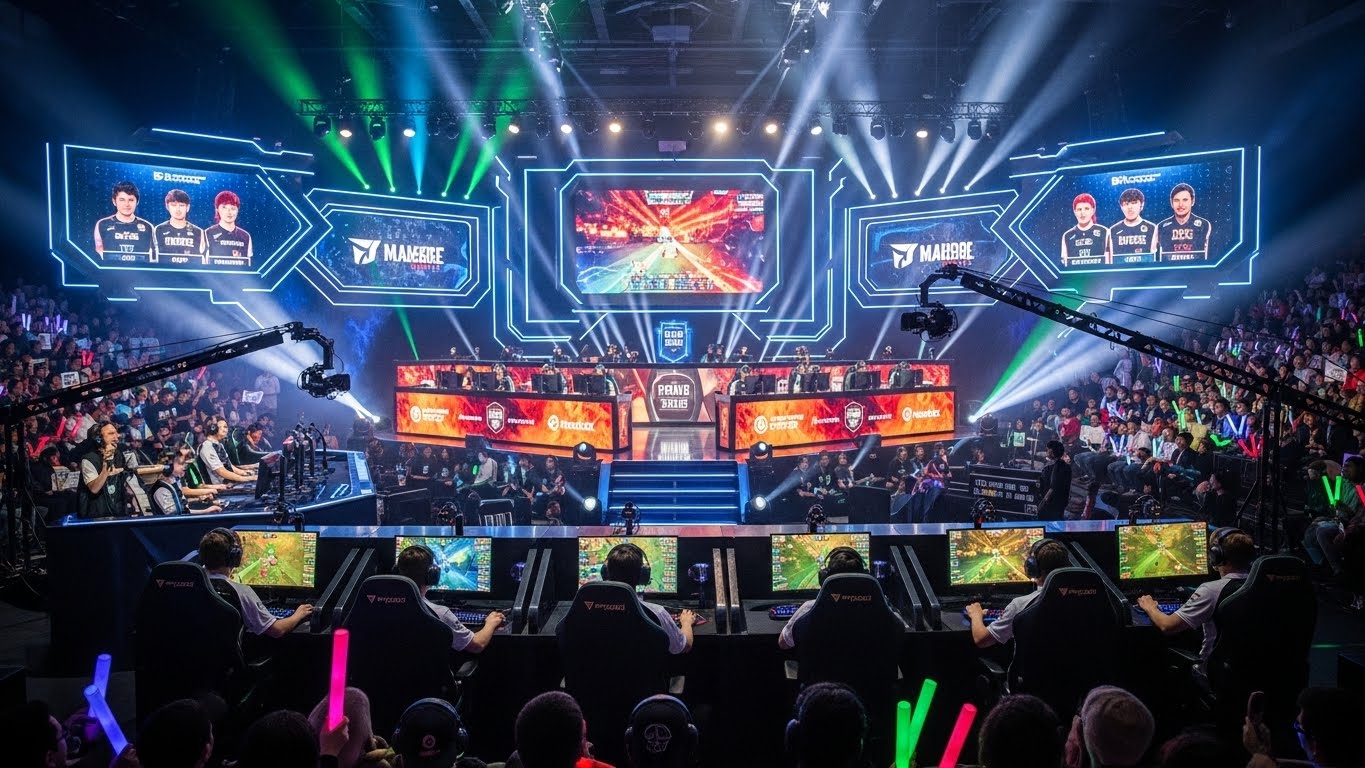
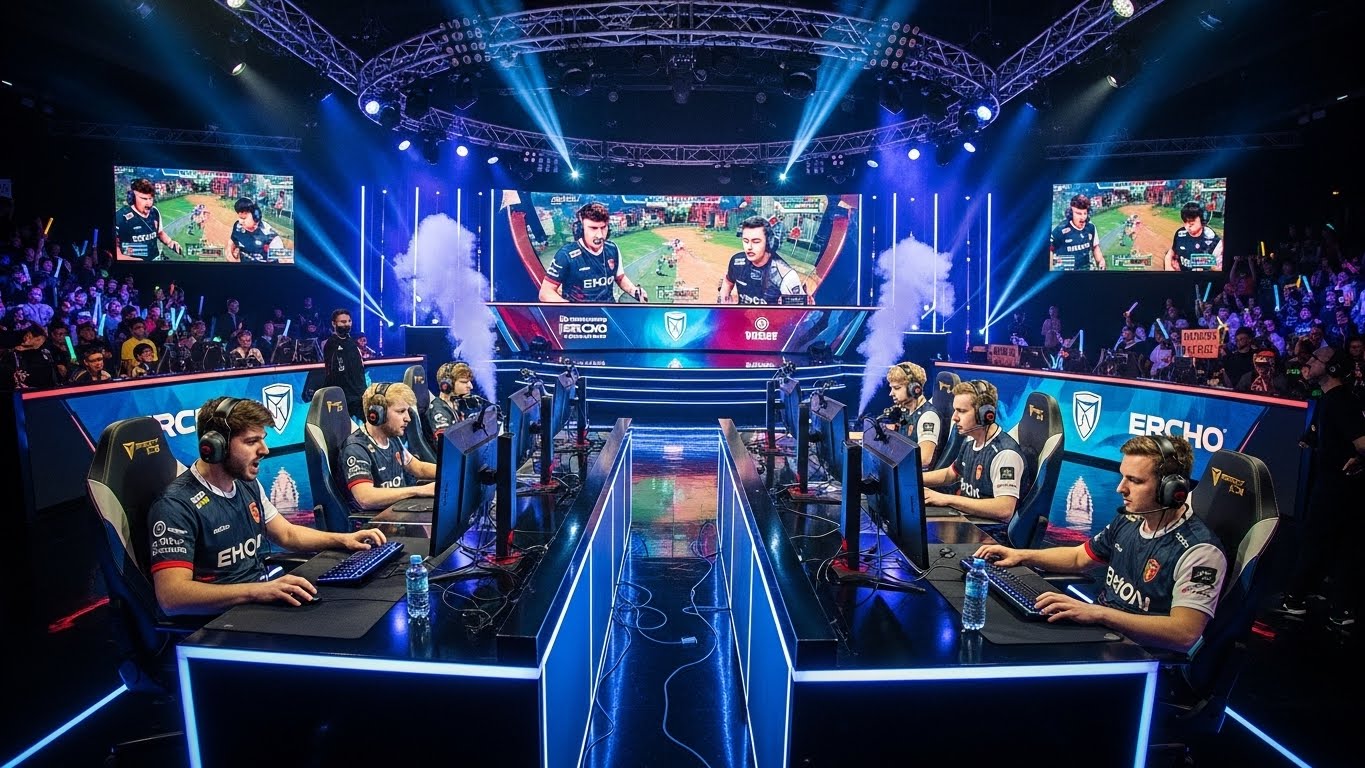
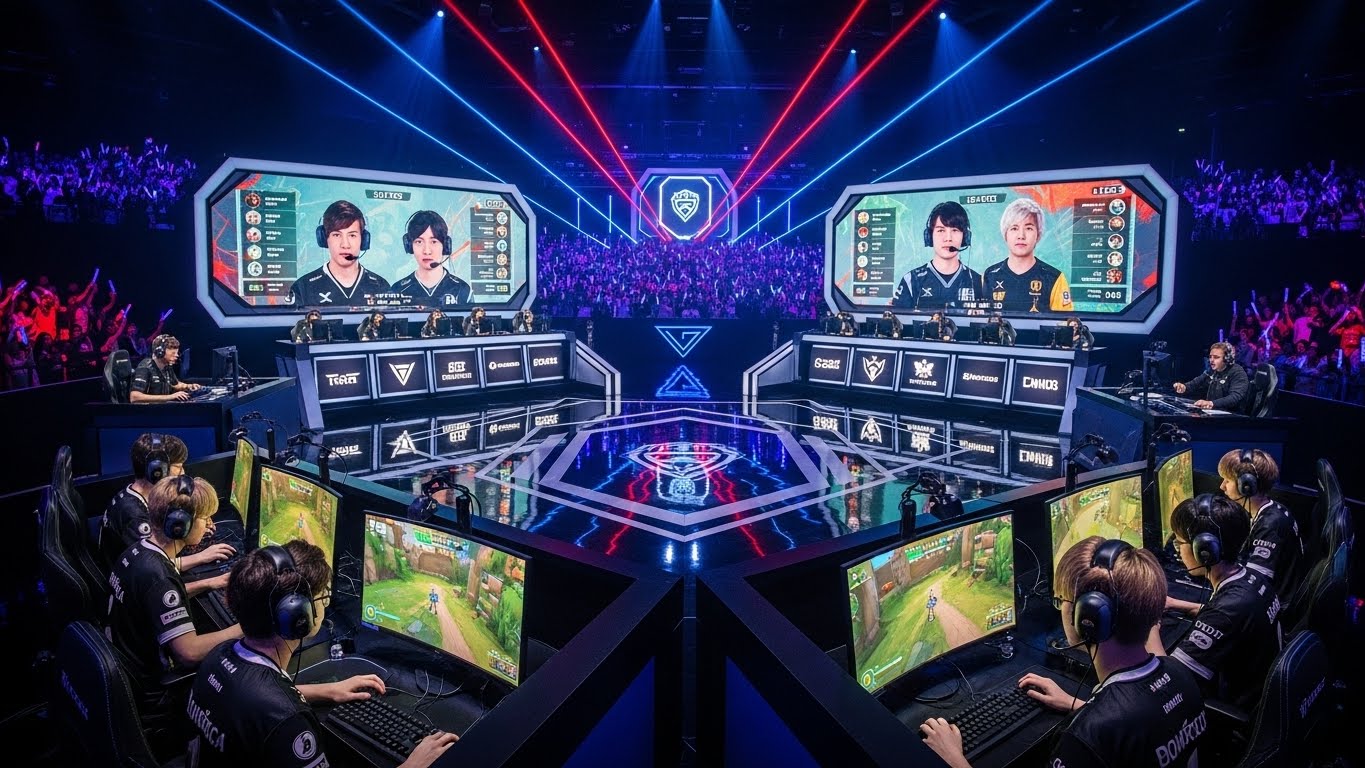
Furthermore, live events and tournaments have become massive spectacles. The League of Legends World Championship and The International (Dota 2’s premier tournament) are just two examples of how esports events have transcended beyond a simple game to become full-fledged entertainment spectacles, complete with live audiences, broadcast coverage, and sponsorship deals with global brands. These events, often held in large arenas or stadiums, attract millions of viewers, both in-person and via online streams.
The Global Appeal of Esports
One of the key reasons for esports’ meteoric rise is its global appeal. Unlike traditional sports, esports doesn’t have geographical boundaries. Gamers from all over the world can compete against each other without the limitations of location or time zone. Thanks to the internet, players in North America, Europe, South Korea, China, and beyond can participate in online tournaments and represent their regions on the world stage.
Esports also thrives on inclusivity. While traditional sports tend to favor certain body types, ages, or physical attributes, esports is far more accessible. Players of all ages and backgrounds can participate in the competitive gaming scene, creating a sense of equality that traditional sports often lack. Additionally, esports is a social activity. Players often form communities around their favorite games, which fosters collaboration, team spirit, and a shared passion for competition.
The Economics of Esports
Esports is not just a hobby or a form of entertainment; it is an industry in its own right. In 2025, the global esports industry is projected to generate over $2 billion in revenue, with the majority of that coming from media rights, sponsorships, and advertising. This influx of revenue has transformed esports into a viable career for players, coaches, analysts, and even content creators.
The sponsorship deals with major corporations such as Red Bull, Intel, and Coca-Cola show how attractive esports is to large brands looking to reach younger, tech-savvy consumers. These brands pour money into esports tournaments and organizations, further driving the growth of the industry. Even non-endemic companies, such as banks, automobile manufacturers, and fast-food chains, have jumped on the esports bandwagon to engage with this lucrative market.
Esports organizations also benefit from this growing economy. Top-tier teams in games like CS:GO, Dota 2, and Overwatch often receive significant financial backing and sponsorship, which allows them to sign the best players, hire professional coaches, and organize tournaments. These organizations often function as professional sports franchises, with their own brands, fanbases, and media teams dedicated to maximizing their impact in the esports ecosystem.
The Challenges Esports Faces
Despite its success, esports faces several challenges that could hinder its growth in the future. One of the main concerns is sustainability. While esports is a booming industry today, there are questions about whether its growth is sustainable in the long term. The high level of competition, along with the short lifespan of games (where games can lose their popularity after a few years), can present difficulties for teams and organizations looking for long-term stability.
Another challenge is the issue of regulation and cheating. Just as traditional sports are governed by strict rules and fair play, esports faces its own set of challenges in this area. The rise of cheating and match-fixing, as well as the use of performance-enhancing drugs, has raised concerns about the integrity of competitions. Esports governing bodies and game developers will need to ensure that cheating is kept to a minimum, while also providing a fair and transparent competitive environment.
Finally, there’s the issue of player well-being. As esports players often experience high levels of stress and intense pressure, organizations are increasingly paying attention to their mental and physical health. Players who experience burnout may suffer long-term effects on their mental health and careers. As esports continues to mature as an industry, addressing the well-being of players will be paramount for its future success.
The Future of Esports: A Bright Horizon
As esports continues to evolve, its future seems bright. With more games being developed for competitive play, larger prize pools, and growing sponsorship opportunities, esports will only become more ingrained in the mainstream entertainment industry. We are likely to see even more crossovers between esports and traditional sports, as organizations and fans from both sectors increasingly collaborate.
The integration of virtual reality (VR) and augmented reality (AR) into gaming could revolutionize esports, taking it to new heights. Imagine immersive experiences where players compete in fully virtual environments, or spectators feel as though they are sitting alongside the action in a 3D arena.
Furthermore, the rise of mobile esports is expected to contribute significantly to the future of competitive gaming. Mobile games such as PUBG Mobile and Clash Royale already have competitive scenes and millions of fans worldwide. As mobile devices become more powerful, the scope of mobile esports will continue to grow, further expanding the reach of competitive gaming.
Ultimately, esports is not just a passing trend; it is a permanent fixture in the world of entertainment. From casual streamers to world-class professionals, the esports community is bound by its passion for gaming and competition. As the industry matures and adapts to new technologies and trends, the future of esports holds limitless potential.