
 proesportszone51
Esports has emerged as one of the most influential and rapidly growing entertainment industries of the modern era. What began as small gatherings of passionate gamers competing for fun has transformed into a global spectacle with professional teams, massive tournaments, dedicated fan bases, and significant economic impact. Today, esports stands alongside traditional sports in popularity, offering opportunities for players, creators, brands, and audiences worldwide. This blog explores the origins, growth, cultural influence, technology, challenges, and future of esports while highlighting why it has become such a powerful force in global entertainment.
The Origins of Esports
Competitive gaming began long before the term esports was coined. The earliest competitions took place in arcades and university computer labs, where players challenged each other for high scores and bragging rights.
Early Competitions and Community Growth
The foundations of esports were built by small communities united by love for video games. Classic titles inspired competitive play, bringing together dedicated players who sought to push their skills further. These early competitions emphasized skill, strategy, and camaraderie, paving the way for more organized events.
From Local Contests to Global Tournaments
As online connectivity improved, competitive gaming expanded beyond local gatherings. Players from different regions could now compete without being in the same physical space. This accessibility created international rivalries, larger audiences, and a growing interest in organized competitive gaming.
The Evolution of Esports as an Industry
Esports has grown from niche competitions to a professional industry supported by teams, sponsors, leagues, and media networks.
Professional Teams and Players
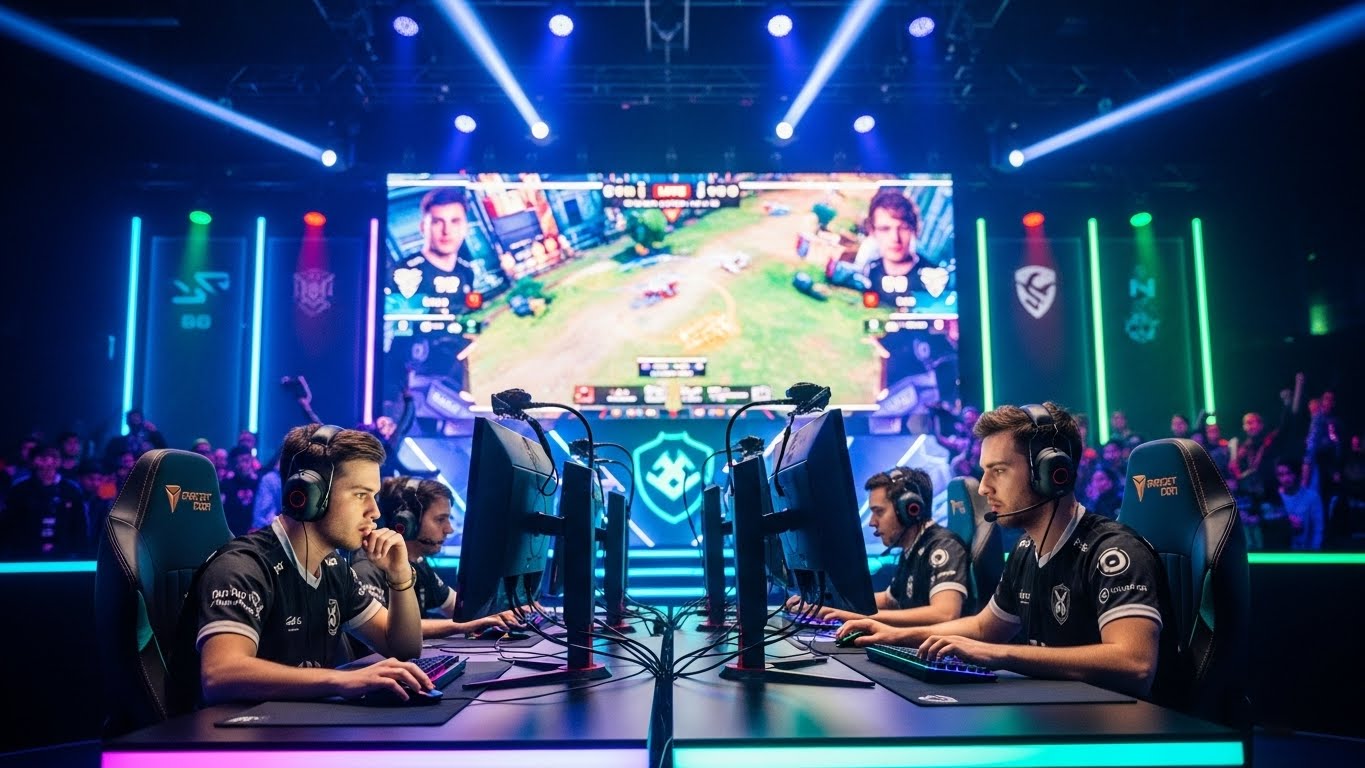
Modern esports teams operate with the same professionalism as traditional sports teams. They have managers, coaches, analysts, and training schedules. Professional players earn salaries, participate in tournaments, and build careers based on their performance and personal brand.
Major Titles and Competitive Genres
Esports spans many genres, offering diverse competitive experiences. Popular categories include strategy games, fighting games, shooters, battle arenas, sports simulations, and mobile games. Each genre supports leagues, tournaments, and dedicated fan communities.
Tournaments and Global Events
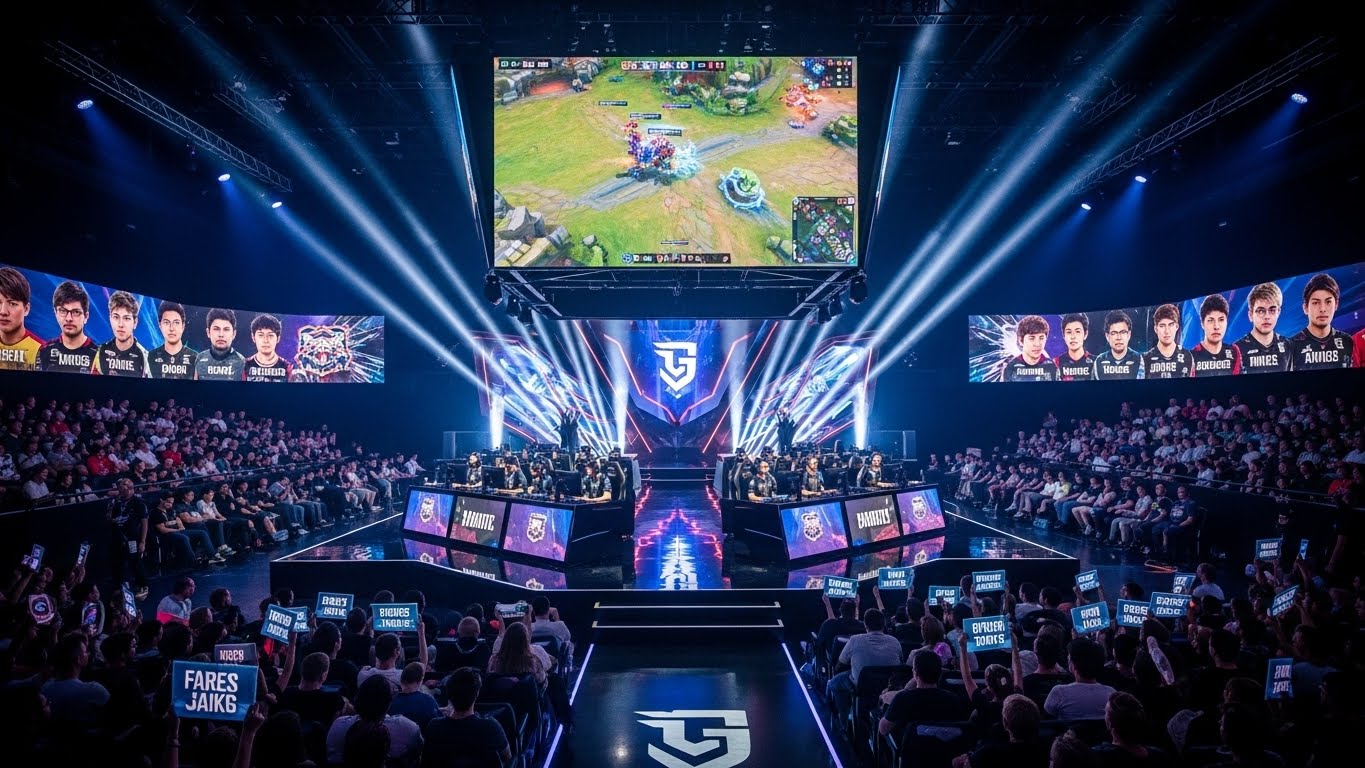
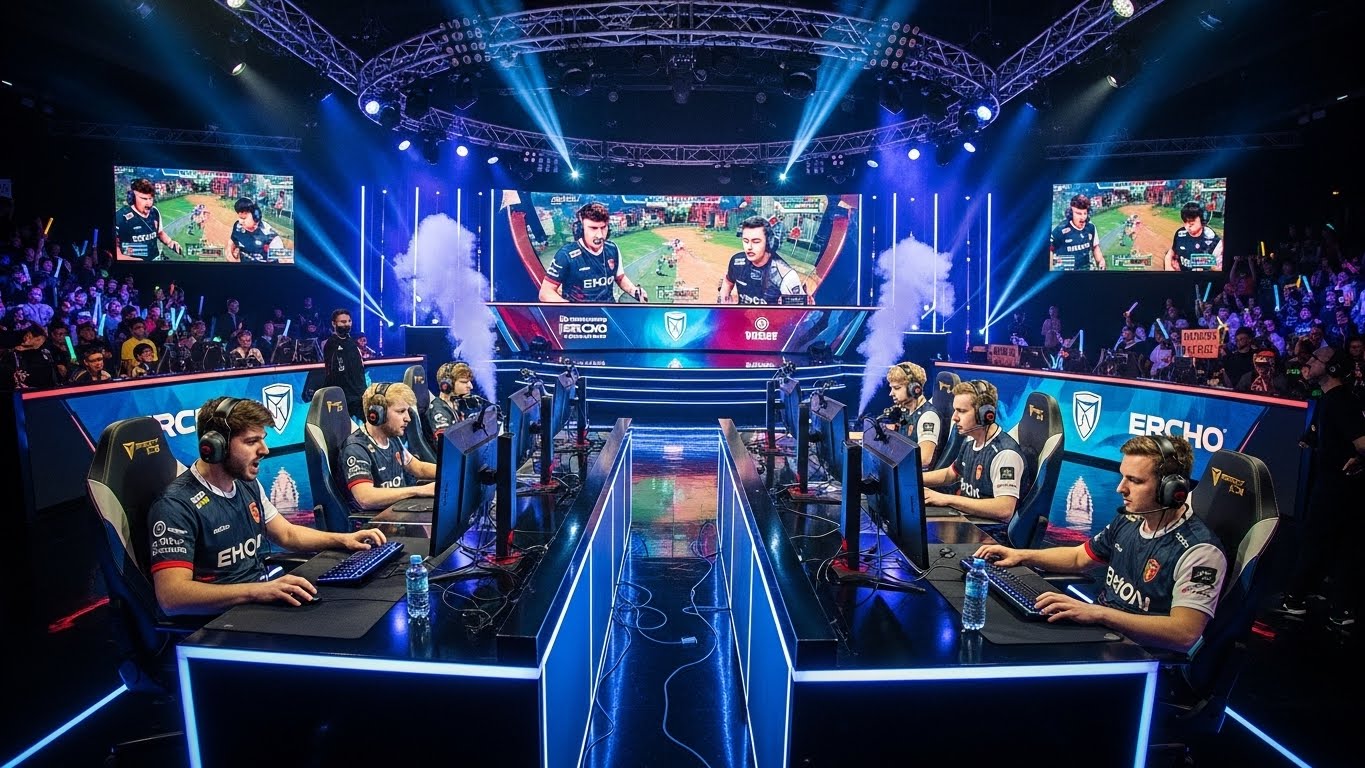
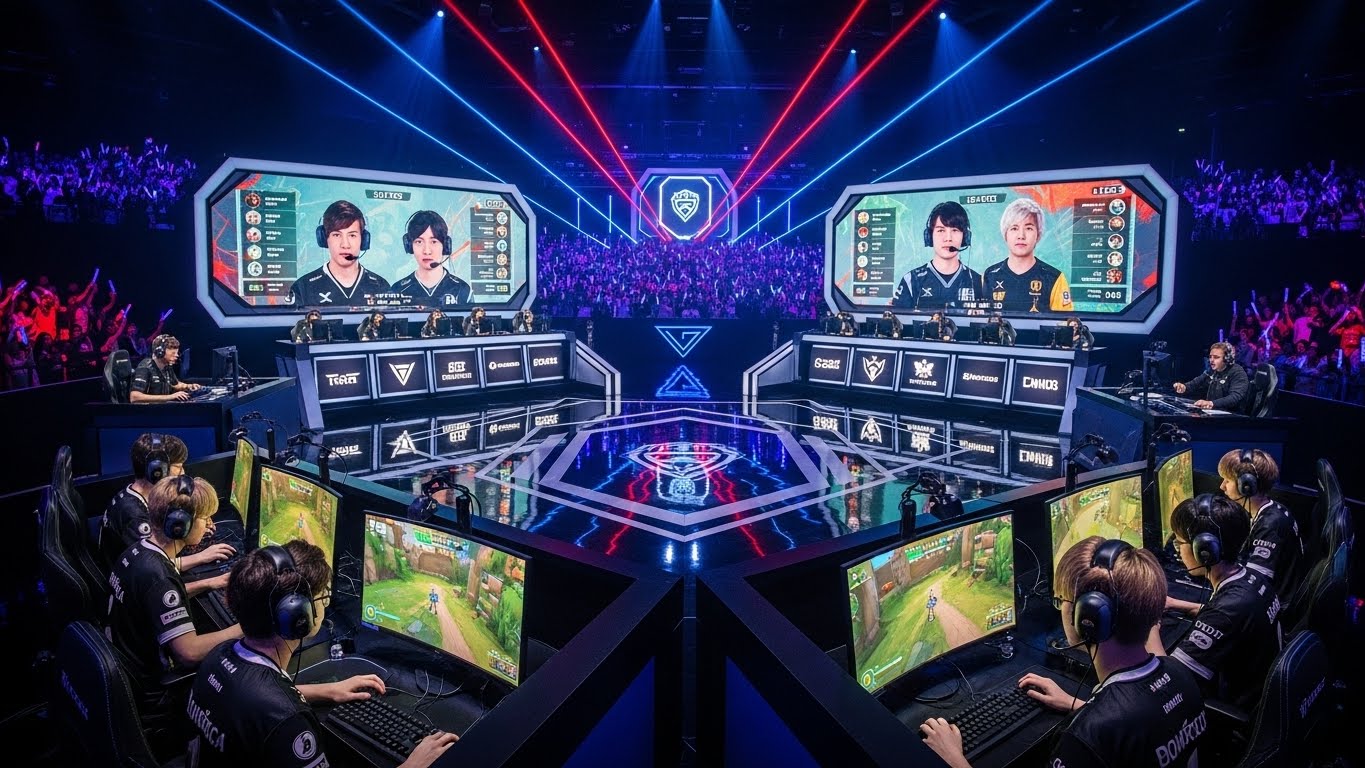
Large-scale esports tournaments have become iconic events watched by millions worldwide. These tournaments feature intense competition, dramatic storylines, and emotional victories. They attract global audiences and generate enthusiasm similar to major sporting events.
The Economic Impact of Esports
Esports has become a significant economic force, contributing to job creation, sponsorship growth, and investment opportunities.
Sponsorships and Brand Partnerships
Major brands recognize the influence of esports and actively sponsor teams, tournaments, and individual players. Sponsorship deals support prize pools, training facilities, and content production, fueling the industry’s growth.
Streaming and Content Creation
Streaming platforms have revolutionized how esports is consumed. Players stream practice sessions, interact with fans, and build personal brands. Content creation has become a full-time career for many, offering opportunities beyond competitive play.
Merchandise and Fan Engagement
Esports teams sell merchandise including jerseys, accessories, and collectibles. These products strengthen team identity and deepen fan engagement, creating a cultural connection between players and supporters.
The Role of Technology in Esports Growth
Technology plays a crucial role in the success and evolution of esports, enabling high-quality competition and global connectivity.
High-Performance Gaming Hardware
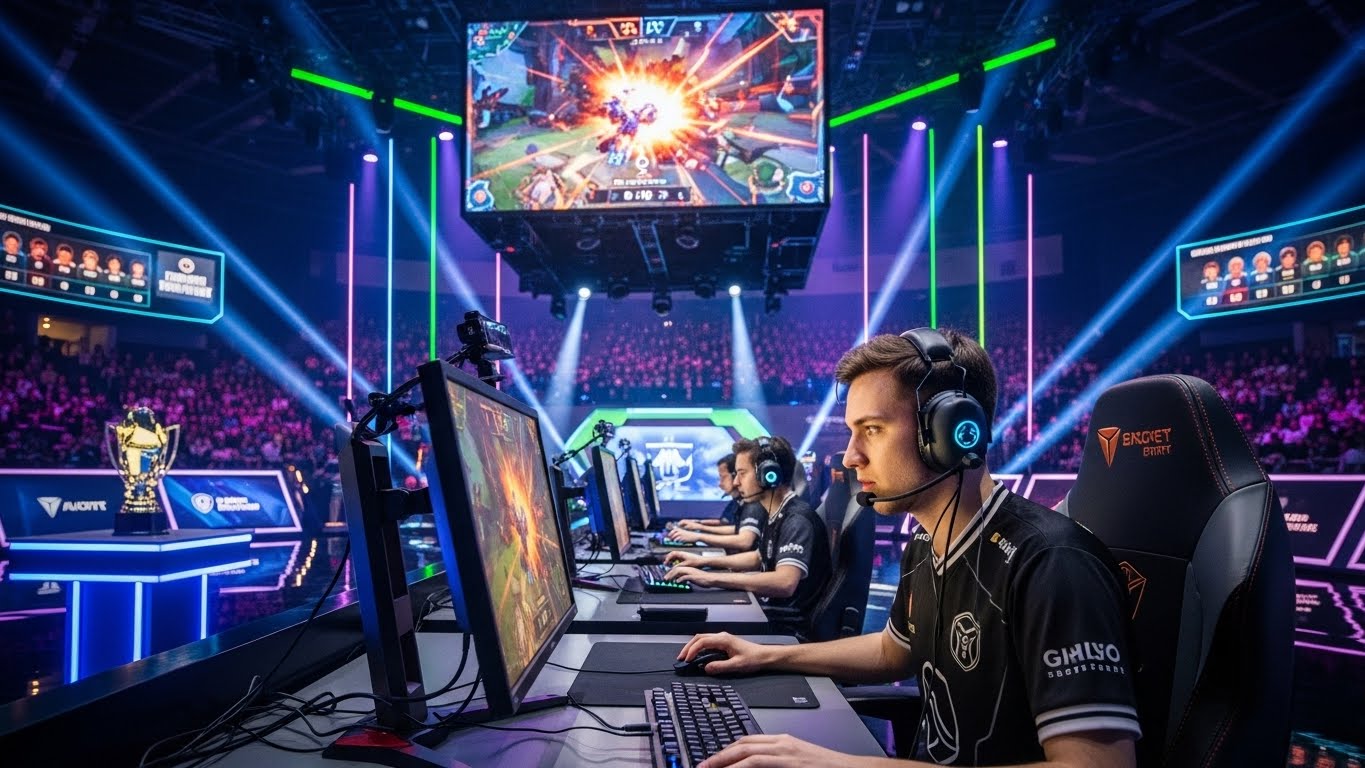
Professional players rely on advanced hardware to compete at the highest level. High-refresh displays, precise input devices, and optimized systems ensure fast and accurate gameplay.
Online Connectivity and Global Servers
Reliable online networks allow players from different continents to compete in real-time. Global servers support balanced gameplay, enabling fair competition regardless of location.
Broadcasting and Digital Production
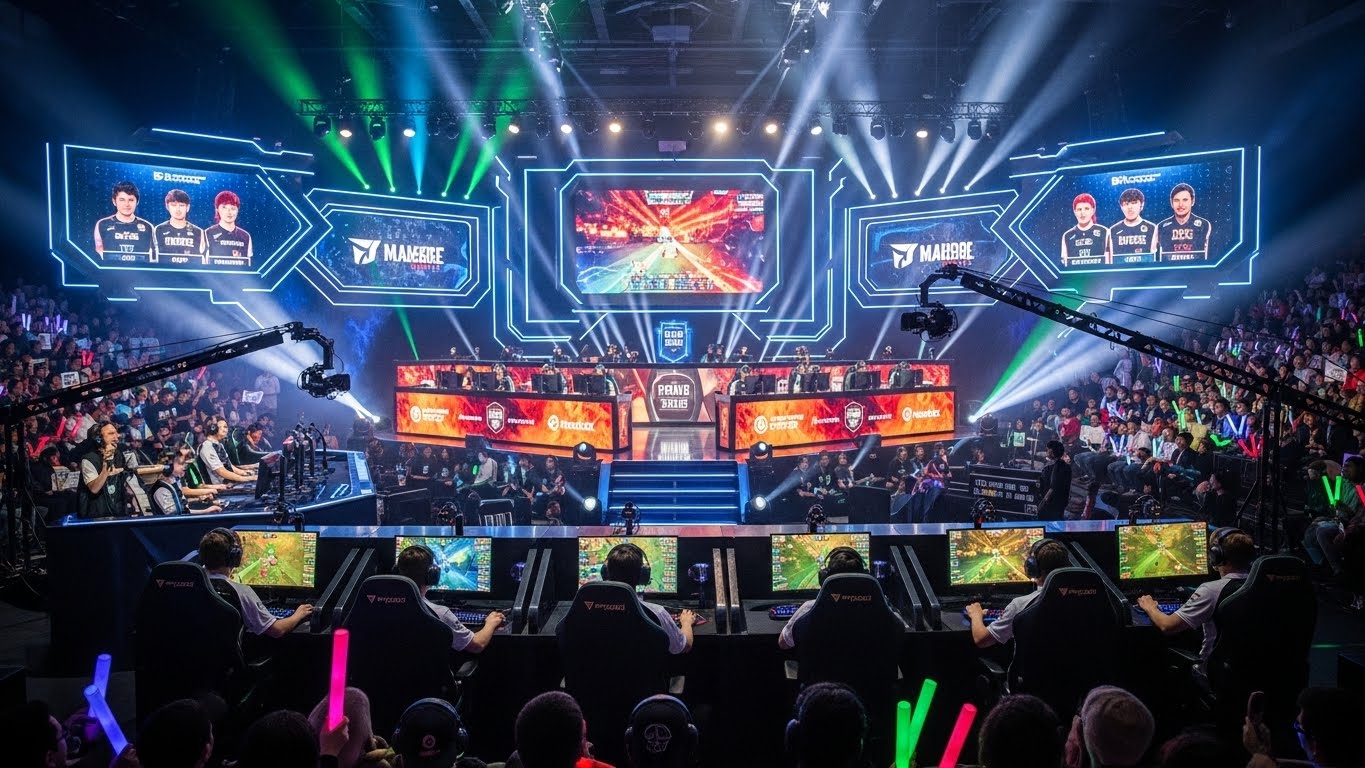
Live esports broadcasts feature professional commentary, instant replays, and analysis segments. These productions create an exciting viewing experience, drawing in fans who enjoy following teams, players, and matches.
The Social and Cultural Influence of Esports
Esports is more than a competitive activity; it is a global cultural movement that connects people across age groups, backgrounds, and interests.
Creating Global Communities
Esports fosters online and offline communities built around shared passion. Fans form groups, attend events, engage in discussions, and follow their favorite teams. These communities create lifelong friendships and support networks.
Shaping Youth Culture
Younger generations view esports as a legitimate form of entertainment and competition. It influences fashion, music, slang, and lifestyle choices. Esports heroes inspire young players to pursue gaming as both a hobby and a potential career.
Educational and Career Opportunities
Esports has entered the education sector, with schools and universities offering scholarships, courses, and competitive clubs. Students develop skills such as teamwork, communication, critical thinking, and strategic planning through esports activities.
Esports as a Spectator Experience
Watching esports has become a major form of entertainment. Fans tune in to watch intense matches, dramatic comebacks, and high-level gameplay.
Player Storylines and Rivalries
Spectators are drawn to the stories behind players and teams. Rivalries, personal journeys, career highlights, and emotional victories add depth to the viewing experience.
Live Events and Arena Experiences
Live esports events bring thousands of fans together to experience the excitement firsthand. The atmosphere in these arenas is electric, with cheering fans, dramatic lighting, and thrilling matchups creating unforgettable experiences.
Casual and Competitive Viewership
Esports appeals to both serious fans and casual viewers. Even those who do not play the games enjoy the drama, excitement, and entertainment value of the competitions.
Challenges Facing the Esports Industry
Despite its impressive growth, esports faces challenges that require careful management and strategic solutions.
Player Health and Well-Being
Professional gamers spend long hours practicing, which can lead to physical strain, eye fatigue, and mental stress. Teams and organizations are increasingly focusing on health support, balanced training, and wellness programs.
Maintaining Competitive Integrity
Issues such as cheating, account sharing, and unfair advantages must be addressed to maintain trust in the competitive scene. Tournament organizers use strict rules, monitoring tools, and fair play systems to protect integrity.
Industry Regulation and Standards
As esports grows, it needs standardized rules and governance. This includes clear contract structures, age requirements, player rights, and tournament regulations. Consistent standards ensure fair treatment and long-term stability.
Financial Sustainability
Not all teams and tournaments are financially stable. Balancing sponsorship, revenue, and operational costs remains a challenge. Sustainable models are essential to support the industry’s continued growth.
The Future of Esports
The future of esports is bright, with ongoing innovation, expanding audiences, and growing recognition.
Growth of Mobile Esports
Mobile games have opened esports to new regions and demographics. Their accessibility continues to boost global participation and audience engagement.
Integration with Traditional Sports
Esports and traditional sports increasingly intersect, with athletes, teams, and organizations exploring partnerships, endorsements, and shared content strategies.
Virtual Reality and New Competitive Formats
Virtual reality and emerging technologies will create new competitive experiences. Fully immersive games and hybrid competitions will broaden the possibilities of esports.
Continued Global Expansion
Esports will continue reaching new audiences, especially in regions where gaming culture is rapidly growing. International tournaments, multilingual broadcasts, and cross-cultural collaboration will strengthen global connections.
Conclusion: Esports as a Defining Force of Modern Entertainment
Esports has evolved from humble beginnings into a global powerhouse of competition, creativity, and community. It has reshaped entertainment, built new careers, and connected millions worldwide. With advanced technology, passionate fans, and continuous innovation, esports stands as a defining force in modern culture.
Its impact reaches beyond gaming, influencing education, business, media, and lifestyle. As the industry grows, esports will continue to inspire players, create opportunities, and bring people together through the universal excitement of competition.
Esports is no longer just a trend; it is a movement that reflects the digital era’s spirit of creativity, connection, and limitless possibility.