
 proesportszone51
The world of competitive gaming, or esports, has transformed dramatically over the past two decades. Once a niche activity confined to small groups of enthusiasts, esports has blossomed into a global multi-billion-dollar industry. It’s a unique blend of skill, strategy, and entertainment that attracts millions of players and viewers alike. In this blog, we’ll explore the world of esports—its origins, its current impact, and its future potential.
What Is Esports?
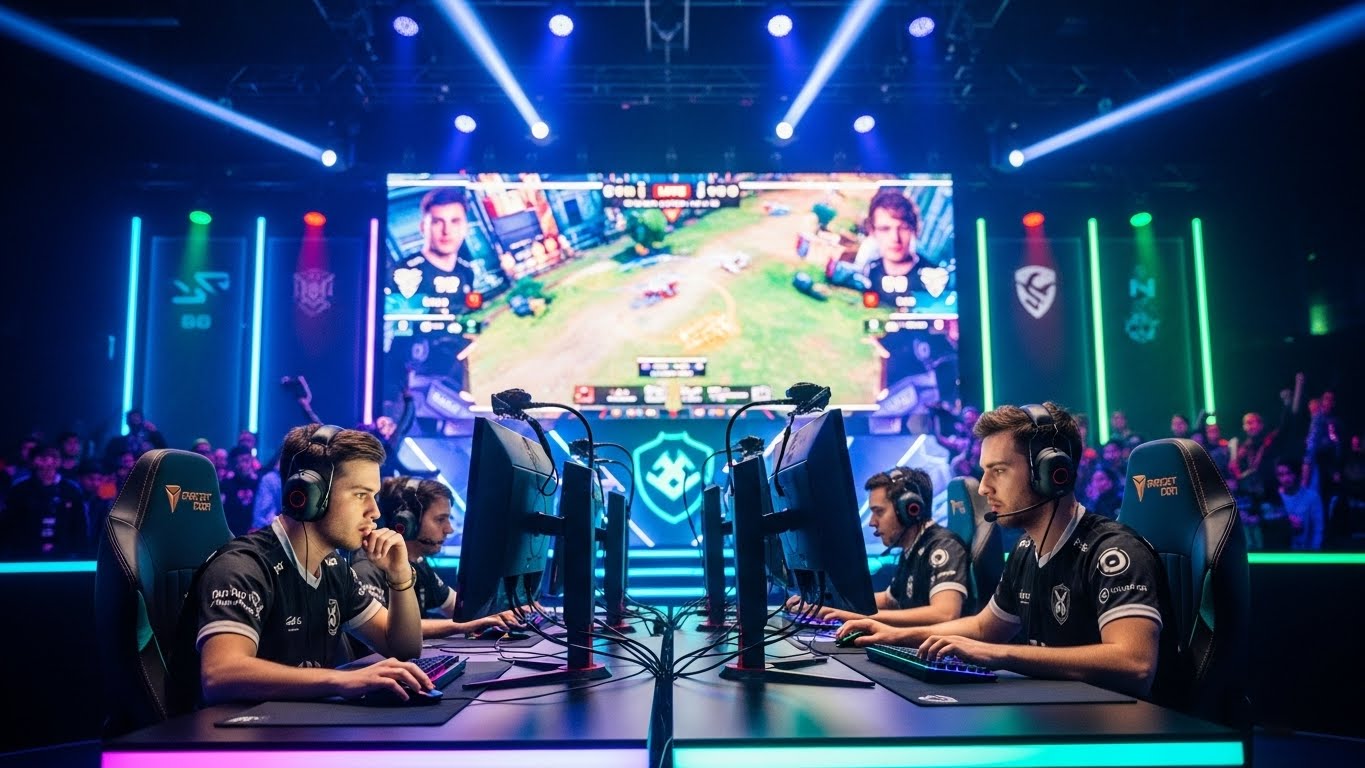
Esports refers to competitive video gaming, where professional players or teams compete in multiplayer video game tournaments. Unlike casual gaming, esports demands not only talent but also extensive training, strategy, and teamwork. Games like League of Legends, Counter-Strike: Global Offensive, Dota 2, and Overwatch are just a few examples of the titles that host massive competitive scenes.
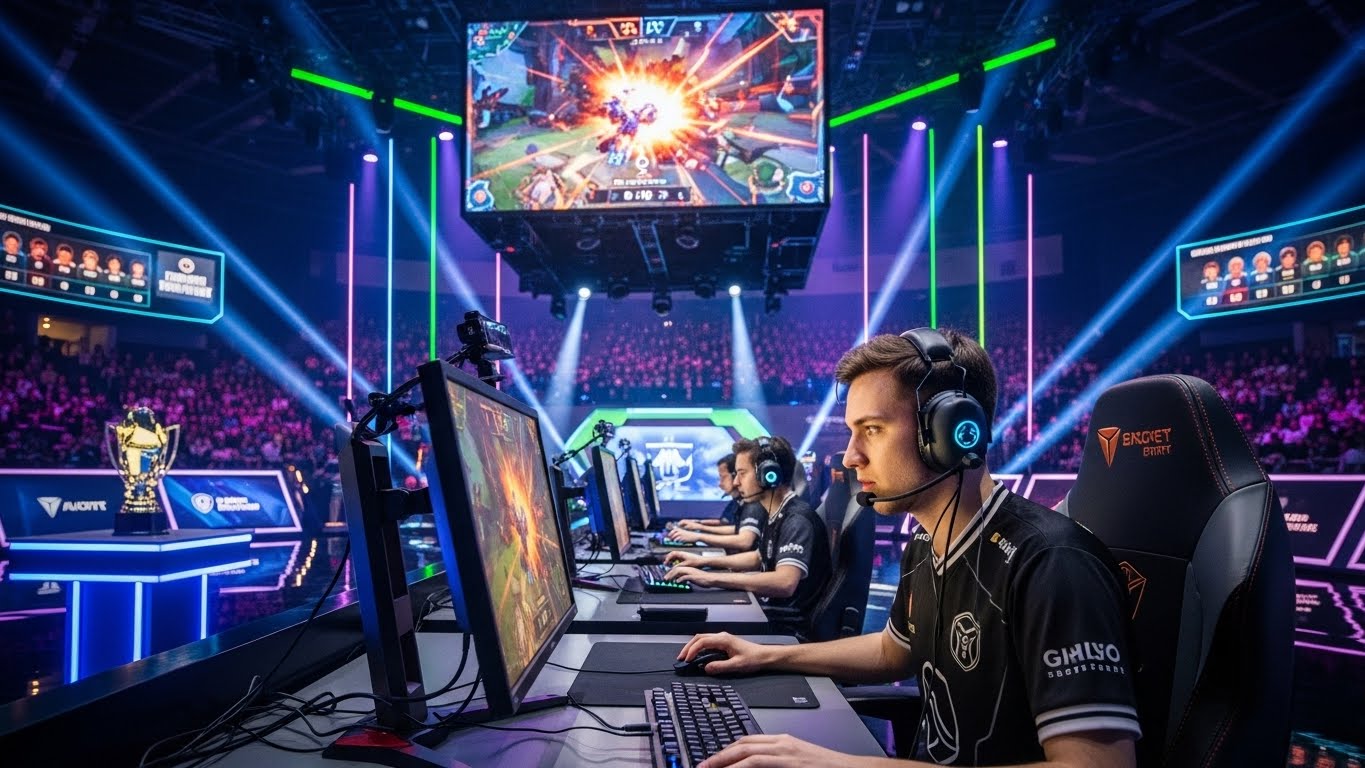
Esports spans various genres, from real-time strategy games to first-person shooters and sports simulations. Professional gamers practice for hours every day, honing their skills, studying their opponents, and refining their strategies in order to compete at the highest level.
The Journey to Professional Gaming
The roots of esports can be traced back to the early days of online gaming. In the 1990s, games like Quake and StarCraft became popular among players who wanted to test their skills against one another. The first notable esports tournaments began to appear in the early 2000s, but it wasn’t until platforms like Twitch launched in the 2010s that esports really took off in mainstream culture.
In countries like South Korea, esports found early success due to a combination of fast internet infrastructure and a culture that embraced digital entertainment. South Korea’s StarCraft leagues were some of the earliest examples of televised esports, paving the way for the global phenomenon we see today.
The Explosion of Esports Viewership
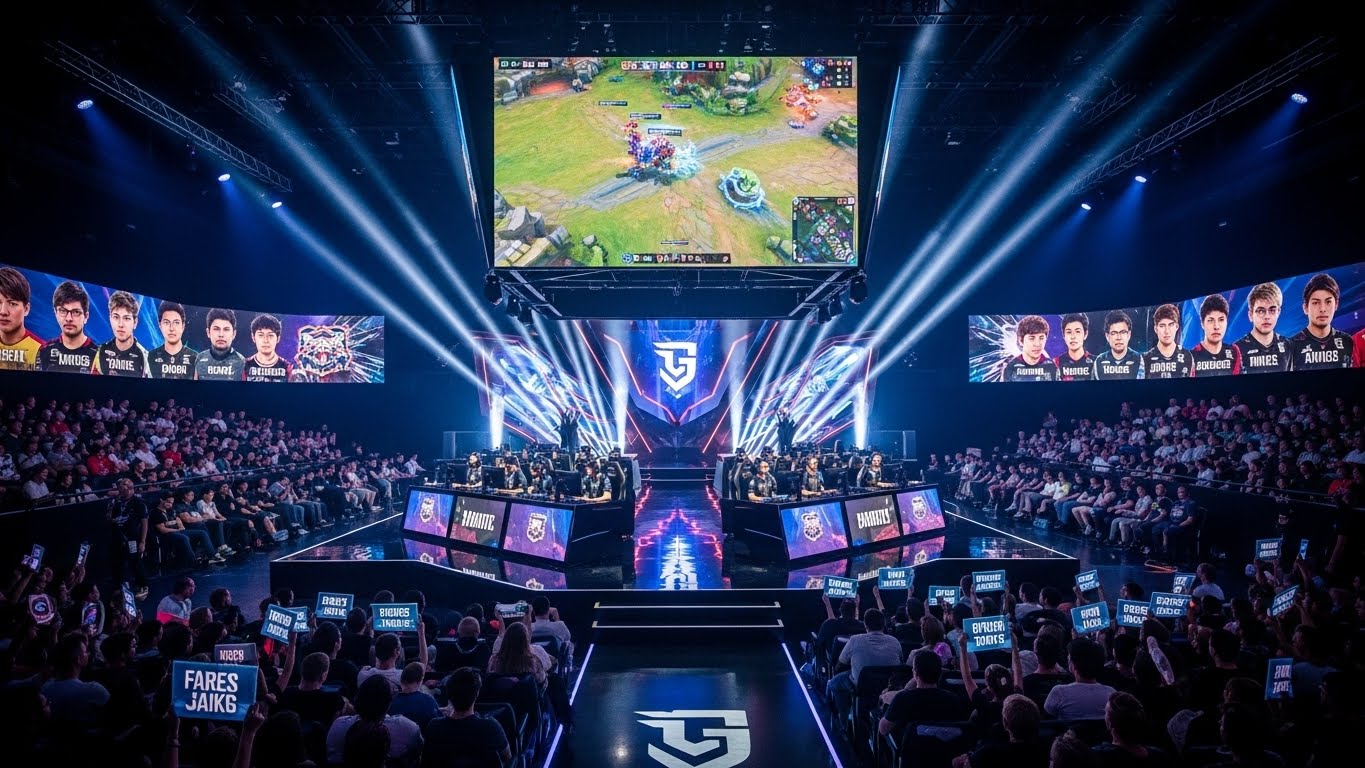
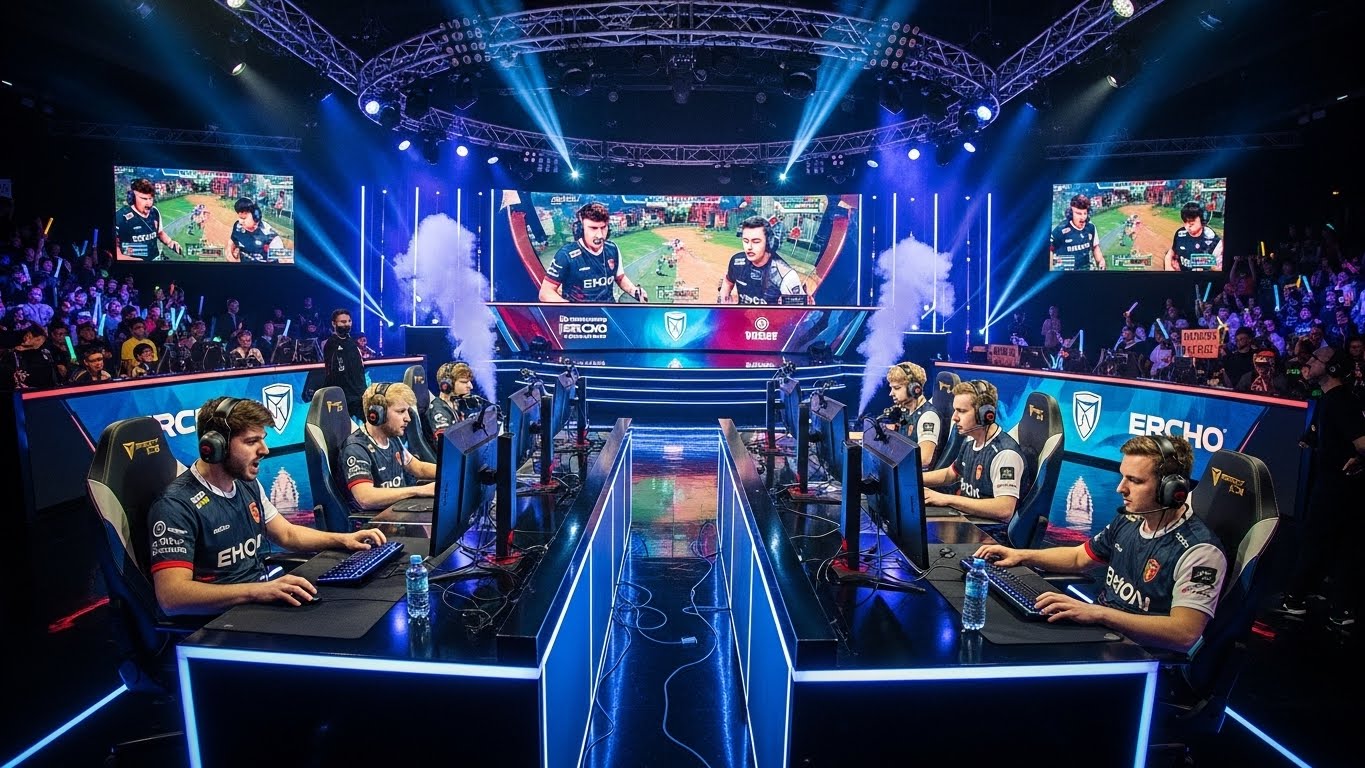
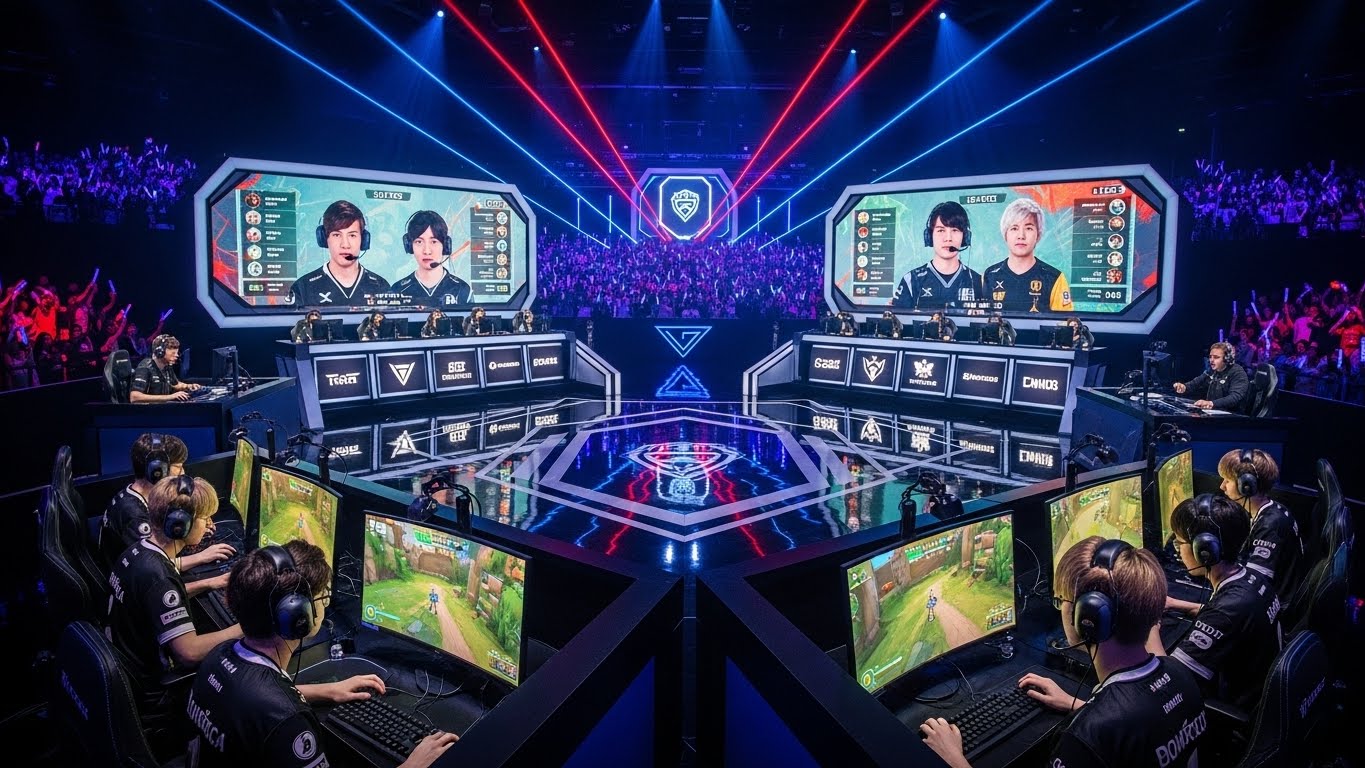
One of the most fascinating aspects of esports is its huge, global fanbase. The number of viewers watching esports events has increased exponentially over the last decade. Major tournaments, such as The International (Dota 2’s annual championship) and the League of Legends World Championship, routinely attract millions of live viewers, both in person and via online streaming platforms like Twitch and YouTube Gaming.
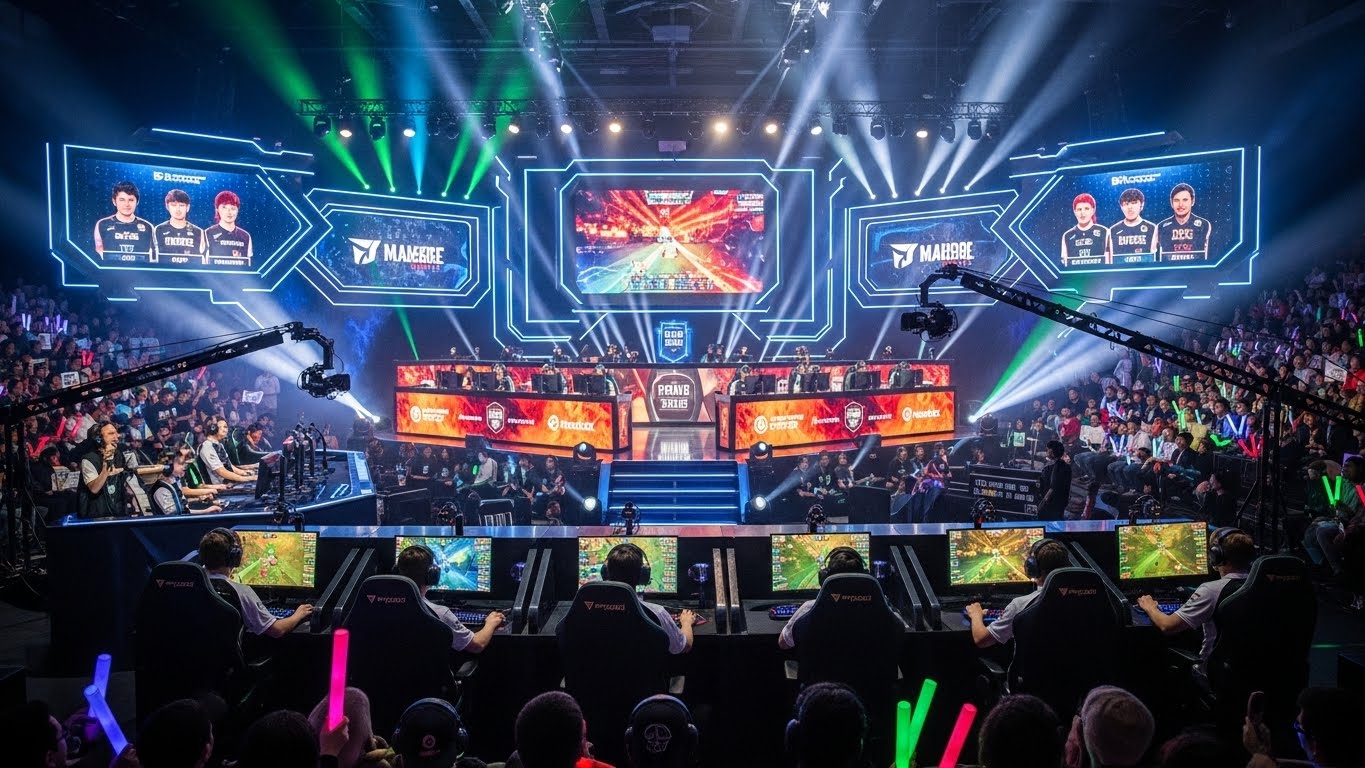
Esports events are often broadcast with live commentary, in-depth analysis, and a level of production value that rivals traditional sports broadcasts. As a result, esports has found a massive audience that spans continents and generations, making it one of the most exciting entertainment mediums in the world today.
The Financial Power of Esports
Esports isn’t just growing in terms of viewership—it’s also becoming a major economic force. The industry is expected to surpass $1.5 billion in revenue in the coming years, with substantial income generated from advertising, sponsorships, ticket sales, and broadcasting rights. Major brands like Coca-Cola, Intel, and Mercedes-Benz have jumped on board, sponsoring tournaments and teams, recognizing the immense potential in reaching younger, tech-savvy audiences.
Players at the top of the esports world can earn impressive salaries, both through tournament winnings and endorsement deals. The prize pools for high-profile tournaments have grown astronomically—The International Dota 2 tournament, for example, has featured prize pools exceeding $40 million. Esports athletes are not only skilled players but often influencers with millions of followers across social media platforms, further boosting their earning potential.
Esports as a Career Path
For many, esports has gone from a hobby to a viable career. As the industry matures, more opportunities arise for players, coaches, analysts, streamers, and even event organizers. Universities are offering scholarships for esports players, and dedicated esports programs are springing up around the world. The rise of esports as a professional career has opened doors for individuals who might otherwise have pursued traditional sports or entertainment industries.
But beyond players, the esports ecosystem also requires coaches, analysts, streamers, content creators, and even tech experts to support the growing infrastructure. Many traditional sports organizations now recognize esports as a legitimate career path and are even starting to invest in esports teams, further blurring the lines between traditional sports and digital gaming.
The Challenges Facing Esports
Despite its rapid growth, esports faces several challenges that could impact its long-term success. One major issue is player burnout. Competitive gaming is mentally and physically demanding, and players often face intense pressure to perform. The demands of constant practice, travel, and competition can take a toll on mental health, with many players reporting stress, anxiety, and depression.
Additionally, the esports industry has yet to establish a standardized set of rules and regulations, leaving room for inconsistency in tournament formats, player contracts, and even issues like cheating and match-fixing. As the industry continues to mature, these concerns will need to be addressed to ensure a fair, sustainable environment for everyone involved.
The Cultural Influence of Esports
Esports is more than just a form of entertainment—it’s also a cultural phenomenon. It has fostered an entirely new language, social norms, and even a distinct set of heroes and villains in the gaming community. Professional players, streamers, and influencers have amassed huge followings, with fans cheering for their favorite teams and players as they would traditional sports stars.
In addition, esports has become a cornerstone of online communities and social media platforms. Streaming platforms like Twitch allow fans to interact with players in real-time, creating a level of intimacy and engagement that traditional sports broadcasts cannot match. This direct relationship between players and their audiences is one of the key factors driving esports’ immense popularity.
Looking Ahead: The Future of Esports
As esports continues to evolve, it will likely undergo further transformations. We can expect to see even greater investments in technology, such as augmented reality (AR) and virtual reality (VR), which could revolutionize how fans engage with esports events. These technologies could make viewing experiences even more immersive, allowing fans to feel as though they’re part of the action.
Additionally, esports is becoming increasingly integrated with traditional sports. Major sports leagues like the NFL and NBA are beginning to host esports events and sponsor esports teams. Some even predict that esports could one day be included in the Olympics, a move that would give the industry the kind of recognition it deserves as a legitimate form of competition.
Conclusion
Esports is more than just a passing trend—it’s a rapidly growing industry that has the potential to reshape the future of entertainment, sports, and digital media. From its humble beginnings in basement tournaments to filling massive arenas with live audiences, esports has become a force to be reckoned with. As technology advances, audiences expand, and new talent continues to emerge, the future of esports looks bright. Whether you’re a player, a fan, or a curious observer, it’s clear that esports is here to stay, and it’s only going to get bigger.