
 proesportszone51
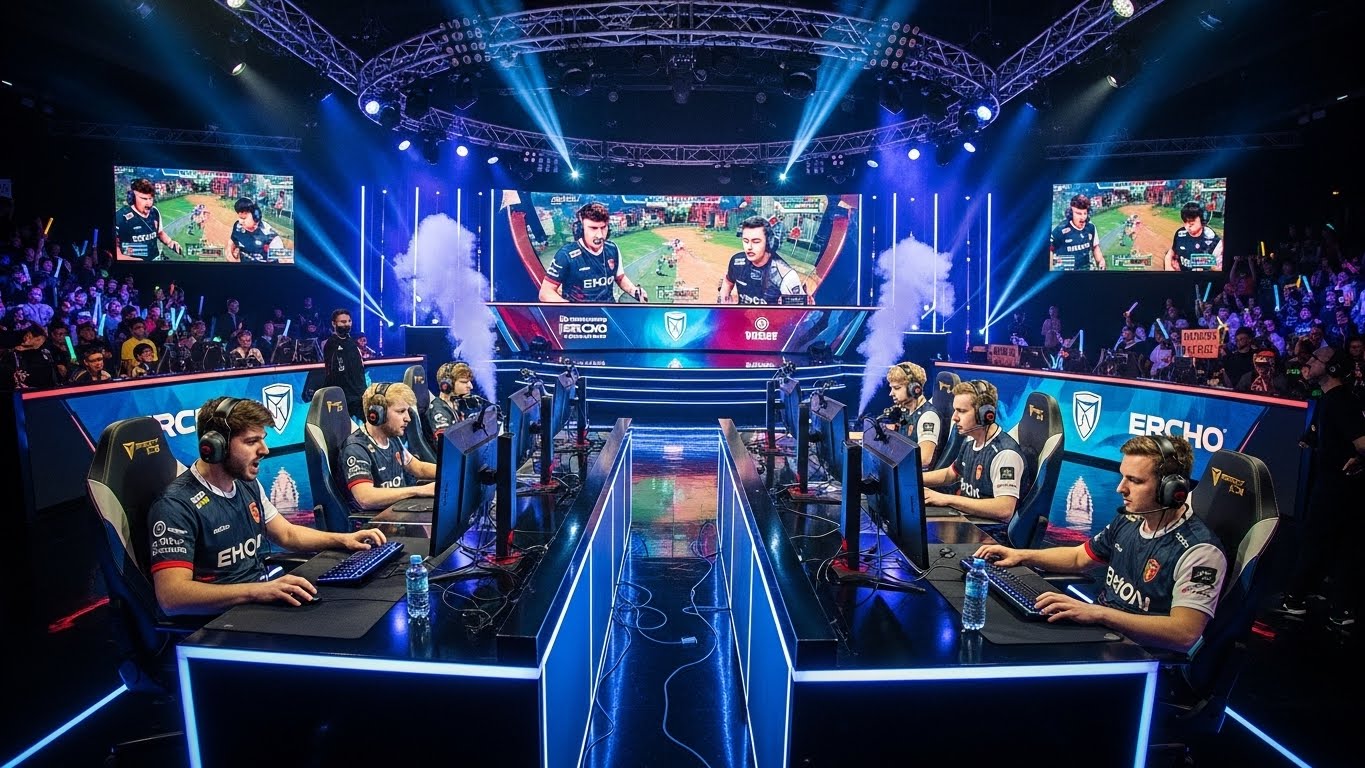
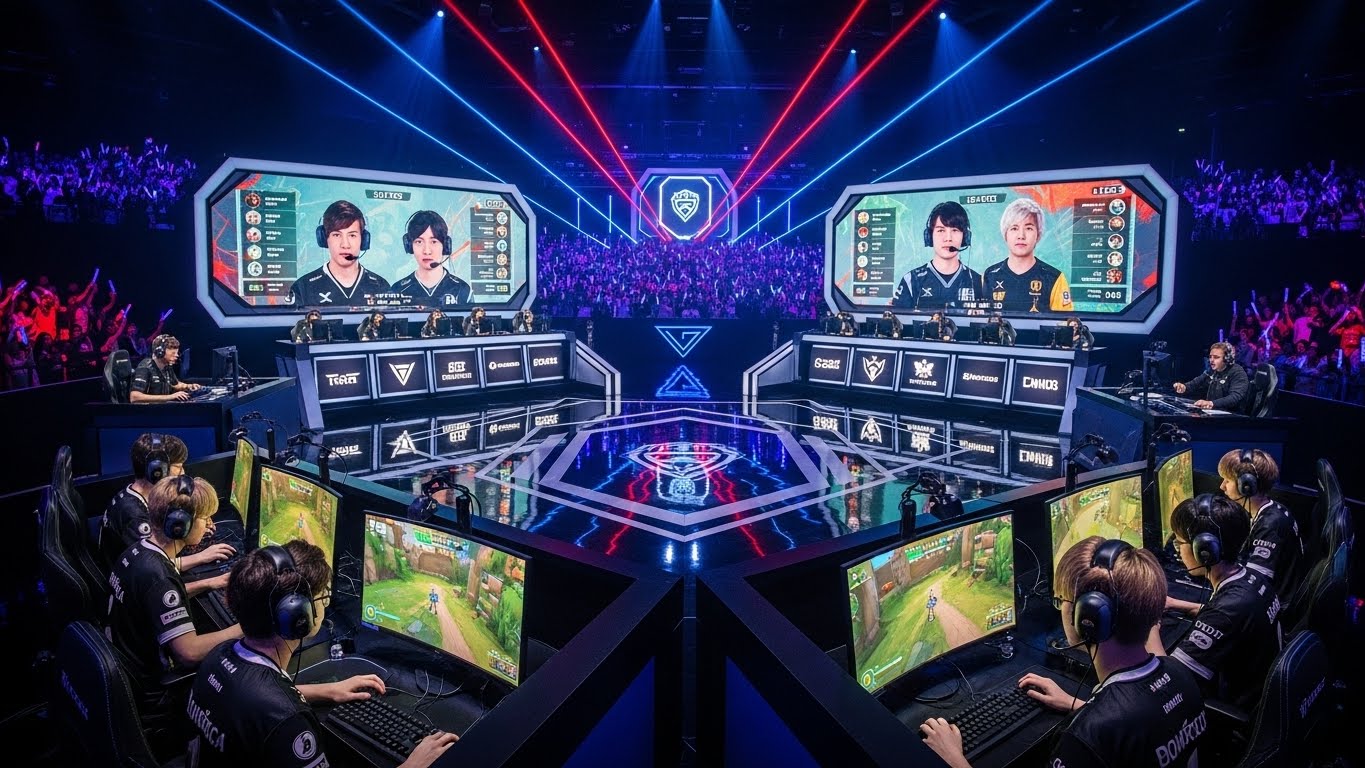
Esports, or competitive gaming, has emerged as one of the most influential entertainment industries of the 21st century. What began as casual tournaments among friends has transformed into a professional arena attracting millions of viewers, sponsorships, and global recognition. The rise of esports highlights how digital culture, technology, and competition converge in today’s world.
The Evolution of Esports
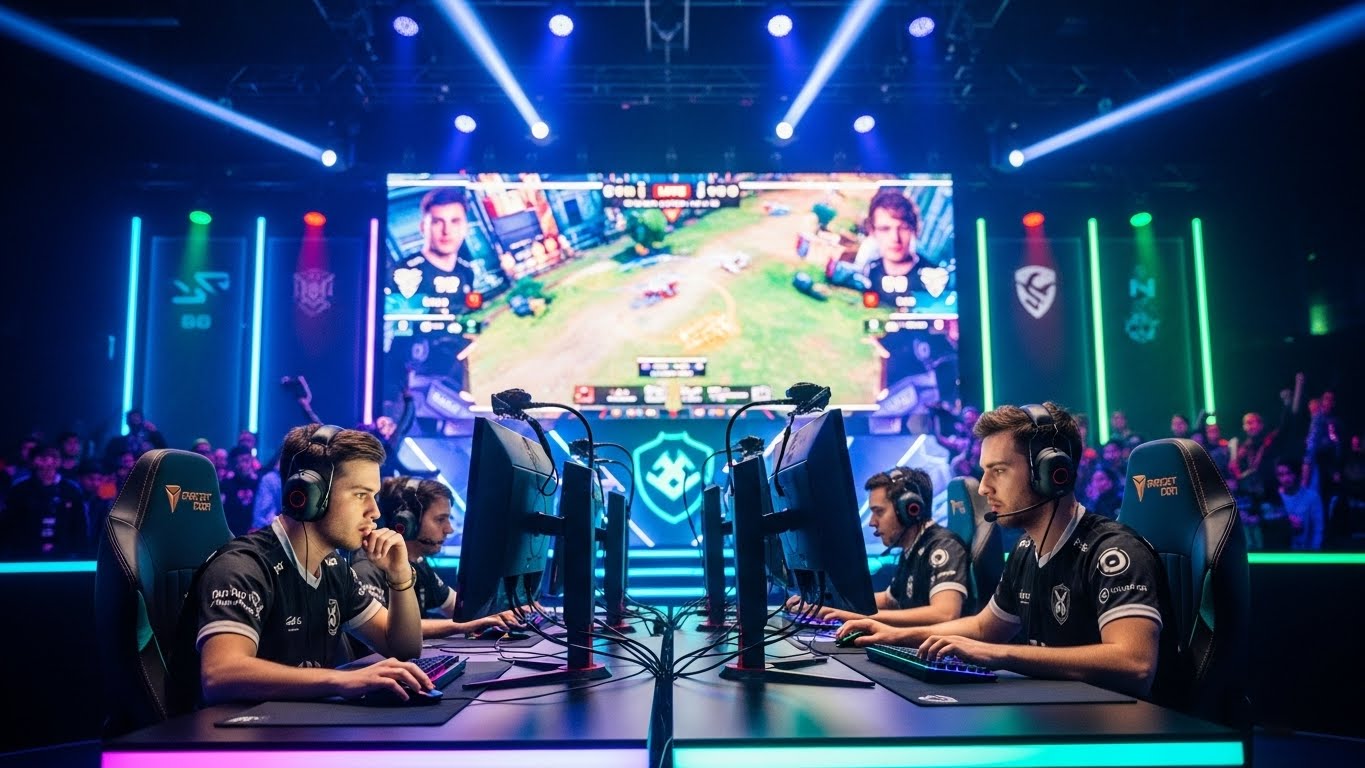
Esports has a rich history that traces back to early video game competitions in arcades and local tournaments. As computers and gaming consoles became more accessible, organized competitions grew in scale and professionalism. Today, esports encompasses a variety of genres, platforms, and international leagues, turning passionate gamers into professional athletes and content creators.
Popular Esports Game Genres
Esports spans multiple game types, each offering unique challenges and experiences:
- First-Person Shooters (FPS): Fast-paced games emphasizing precision, reflexes, and teamwork.
- Multiplayer Online Battle Arenas (MOBA): Strategy-driven games where teams control characters and aim to dominate the battlefield.
- Real-Time Strategy (RTS): Games focusing on resource management, tactical planning, and large-scale decision-making.
- Sports Simulations: Digital versions of traditional sports like football, basketball, and racing.
- Battle Royale: Competitive survival games where adaptability, strategy, and quick thinking are key.
The Global Impact of Esports
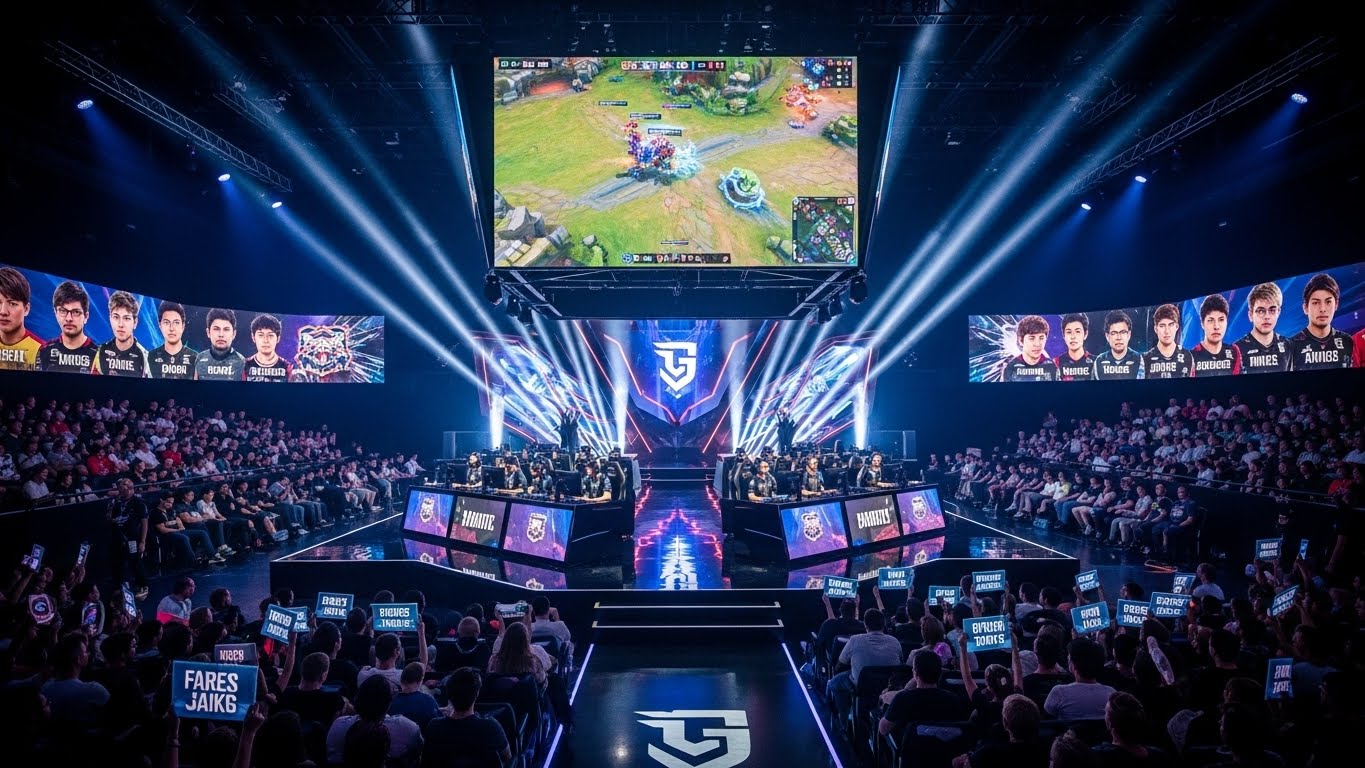
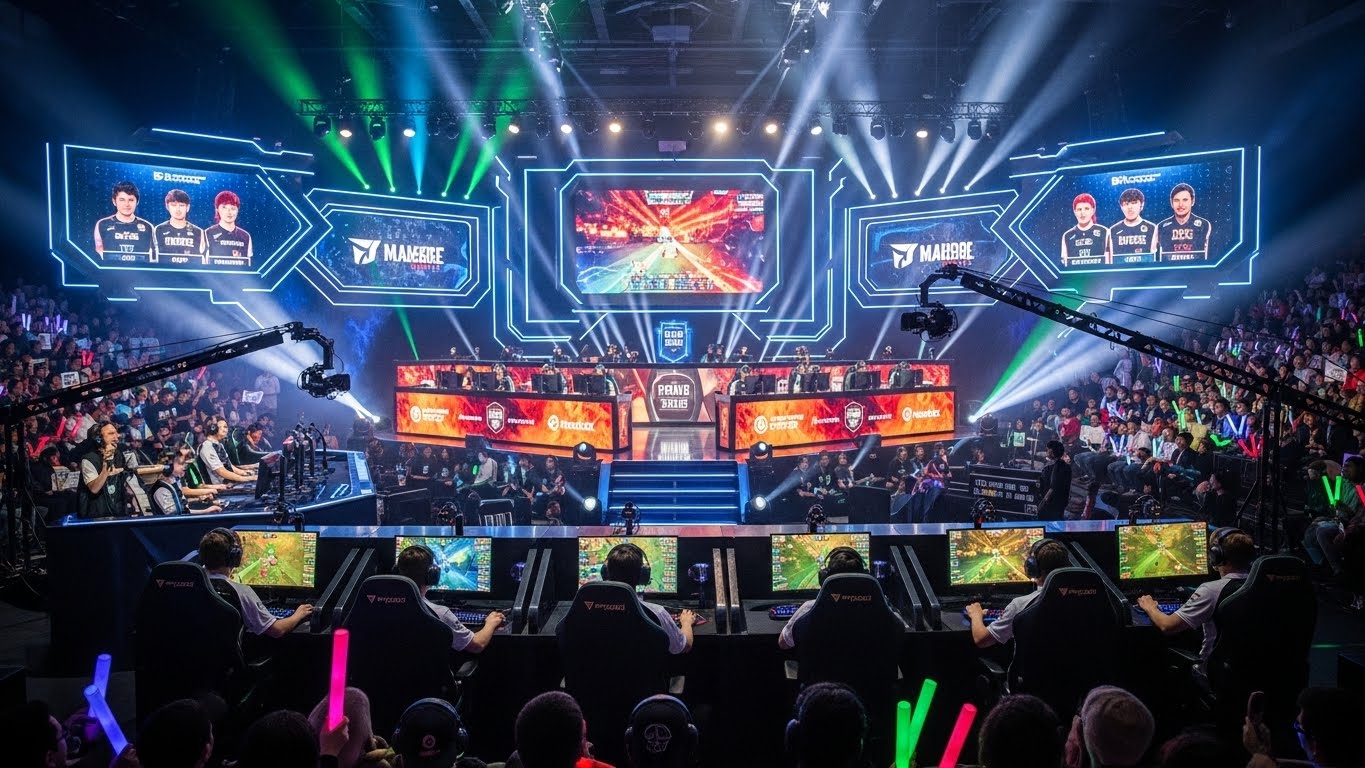
Esports has become a cultural and economic powerhouse. Millions of fans worldwide watch live tournaments on streaming platforms, while events fill stadiums with enthusiastic audiences. Sponsorships, merchandise, and media deals generate substantial revenue. Educational institutions even offer scholarships and programs dedicated to esports, reflecting its growing legitimacy.
Benefits of Esports
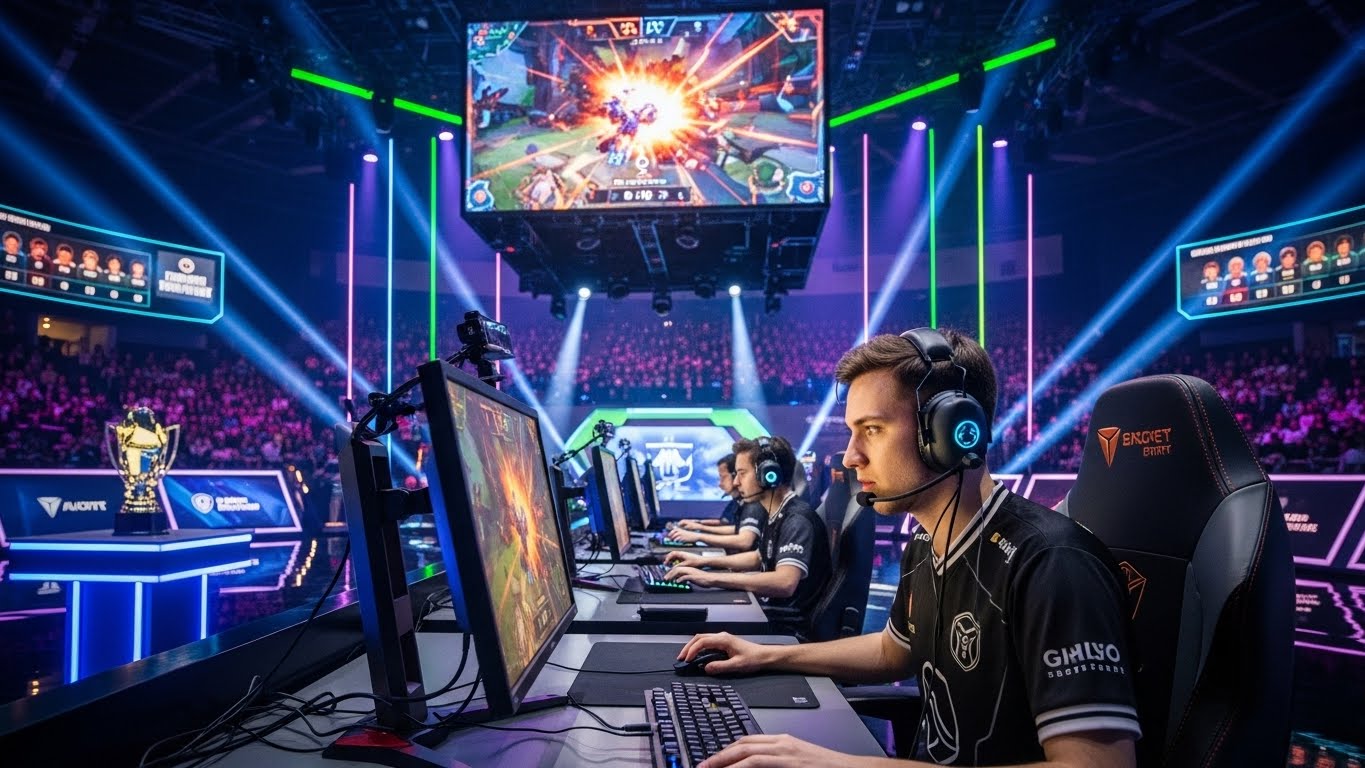
Competitive gaming offers numerous advantages. Cognitive skills such as strategic thinking, problem-solving, and decision-making are honed through gameplay. Social benefits include teamwork, communication, and collaboration, while the competitive nature encourages discipline and perseverance. For many, esports also opens career opportunities beyond playing, including coaching, event management, commentary, and content creation.
Challenges Facing the Esports Industry
Despite its growth, esports faces challenges. Player burnout and mental health concerns are significant due to intense practice schedules and high competition levels. Ensuring fair play, preventing cheating, and maintaining a healthy online environment are ongoing concerns. Additionally, balancing the rapid commercial growth with long-term career sustainability for players is critical.
The Future of Esports
The future of esports is full of promise. Emerging technologies like virtual reality, augmented reality, and artificial intelligence are set to revolutionize gameplay and fan engagement. Esports will increasingly merge with traditional sports and entertainment, creating hybrid events and immersive experiences. As accessibility and global connectivity improve, esports will continue to expand its cultural and economic influence.
Conclusion
Esports is more than just gaming—it is a global movement that combines competition, technology, and entertainment. Its growth has created professional opportunities, built communities, and redefined the meaning of sports in the digital age. With innovation and passion driving the industry forward, esports is poised to remain a powerful force shaping the future of entertainment worldwide.