
 proesportszone51
Introduction
In today’s digital era, the definition of sports has expanded beyond traditional boundaries. Esports, short for electronic sports, has emerged as one of the most dynamic and fast-growing industries in the world. It combines the thrill of competition with the innovation of technology, creating a unique space where skill, strategy, and teamwork meet on virtual battlegrounds.
The Evolution of Esports
Esports began modestly, with small gaming tournaments held among local groups. However, with advancements in internet technology and the increasing popularity of multiplayer games, competitive gaming transformed into a global sensation. From arcade machines to professional gaming arenas, esports has evolved into a mainstream form of entertainment followed by millions.
A Thriving Global Industry
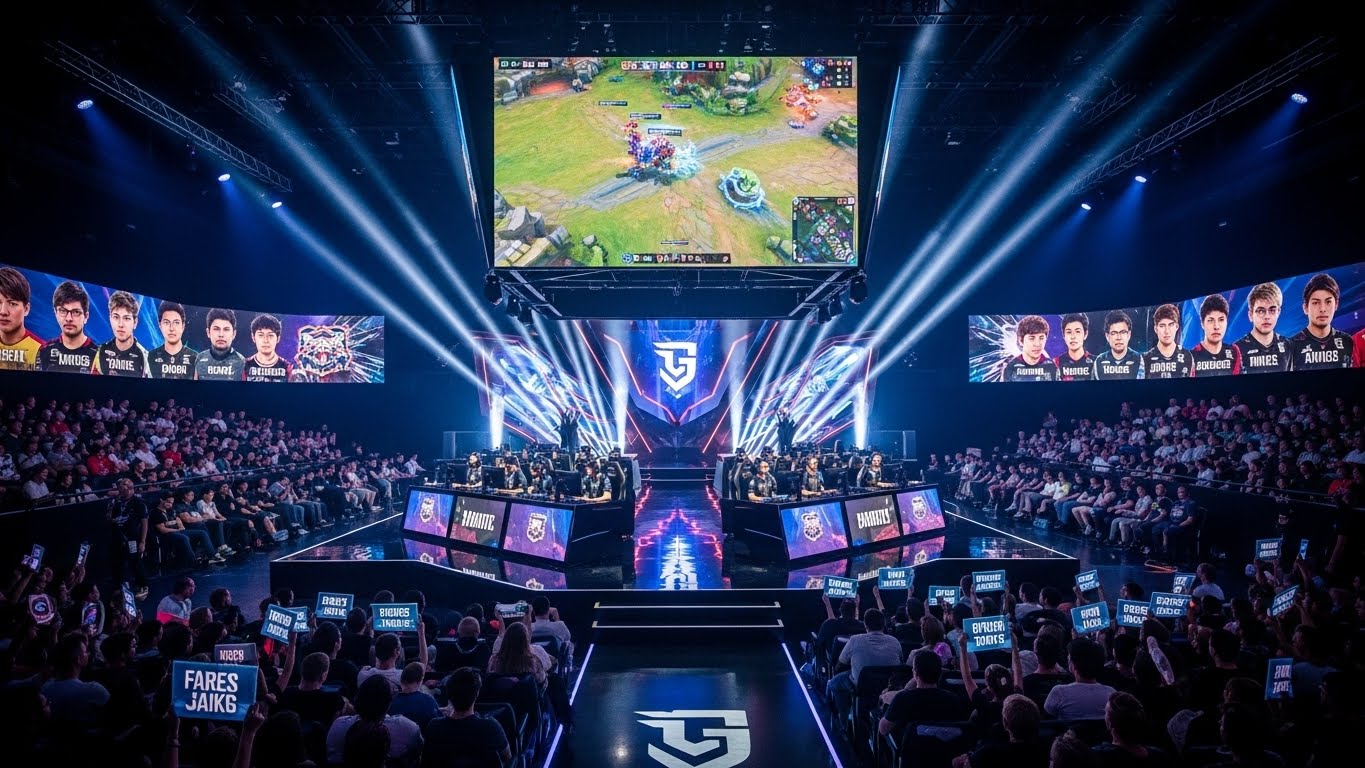
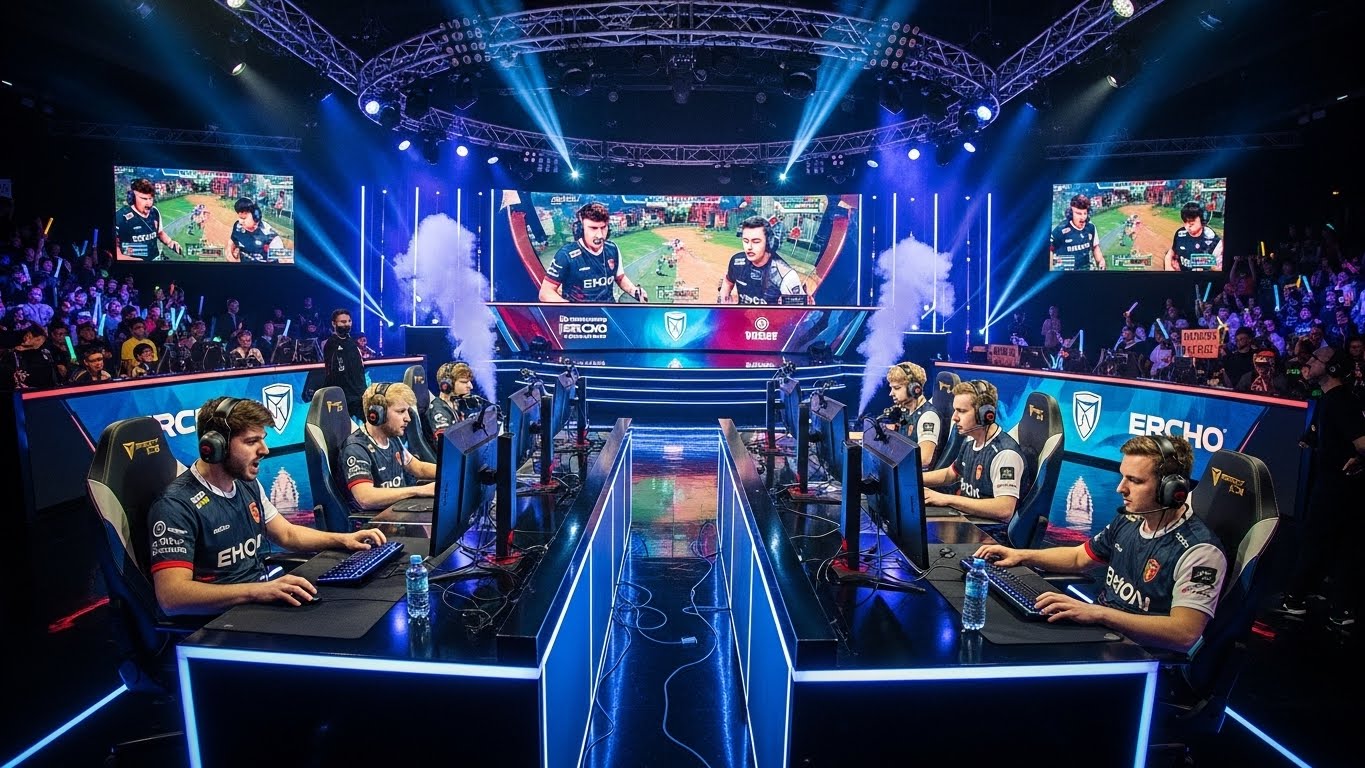
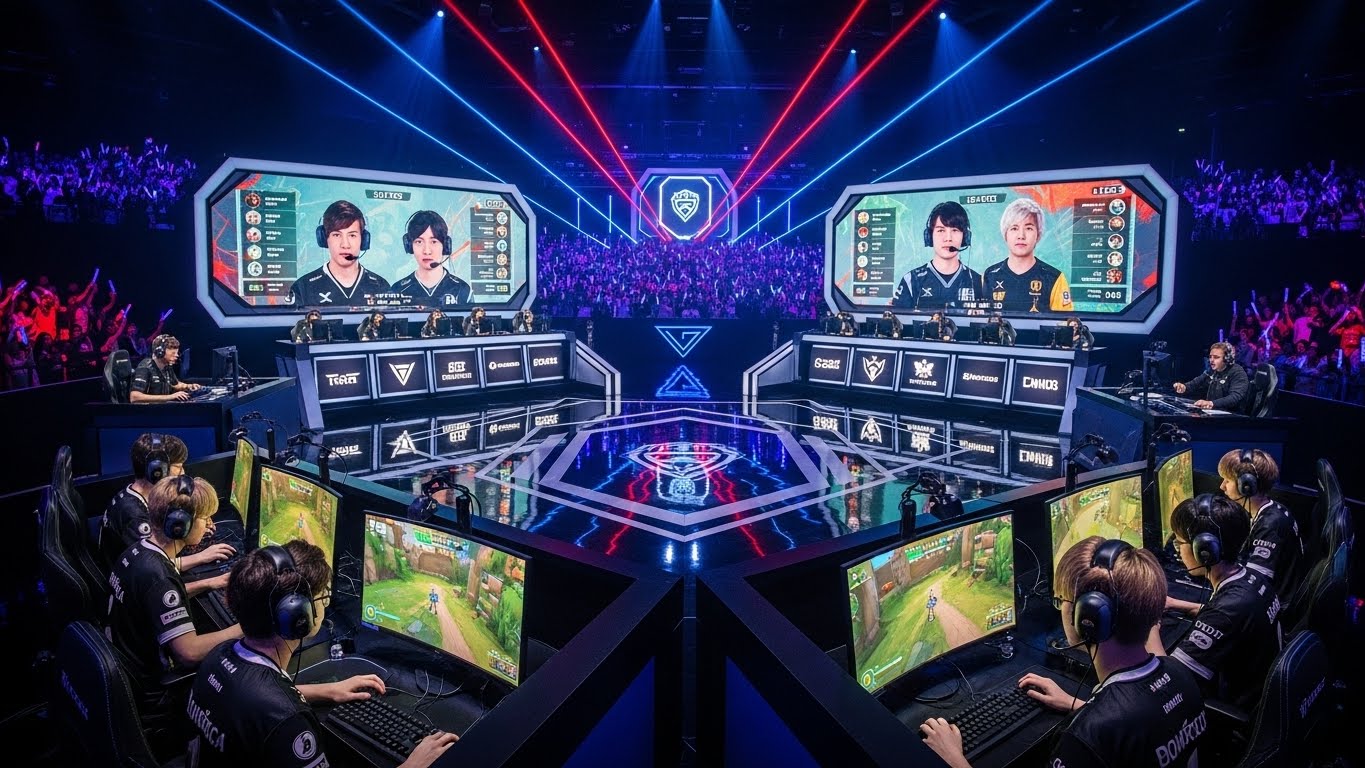
The esports industry has reached incredible heights in recent years. Major tournaments now attract audiences comparable to traditional sporting events. Sponsorships, advertising, and merchandise sales have turned esports into a billion-dollar industry. Popular games like League of Legends, Dota 2, and Valorant headline global competitions where top players earn fame and fortune.
Professional Players and Teams
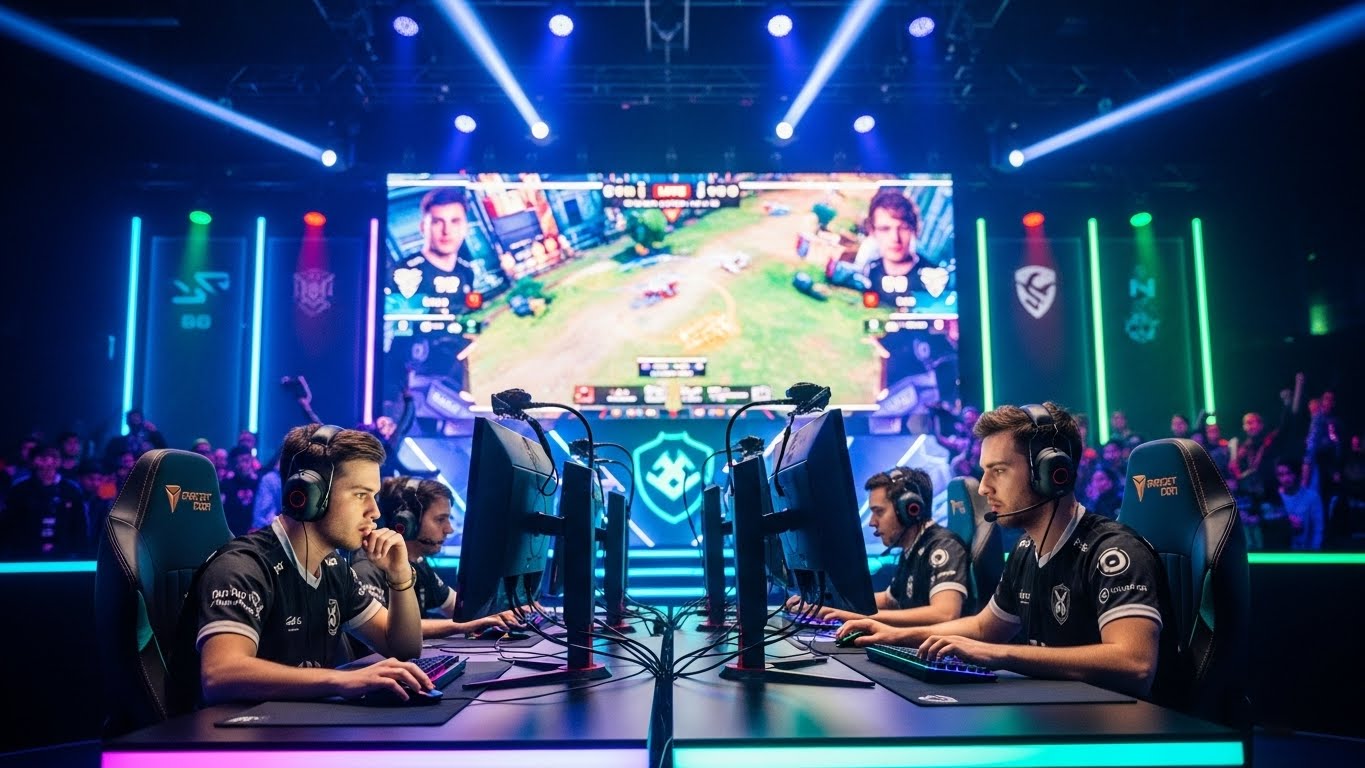
Esports athletes are far from casual gamers. They train daily, study gameplay, and practice teamwork to gain a competitive edge. Teams are managed like professional sports clubs, complete with coaches, analysts, and fitness trainers. These players compete at the highest level, representing their countries and organizations in international tournaments.
Technology Driving Esports
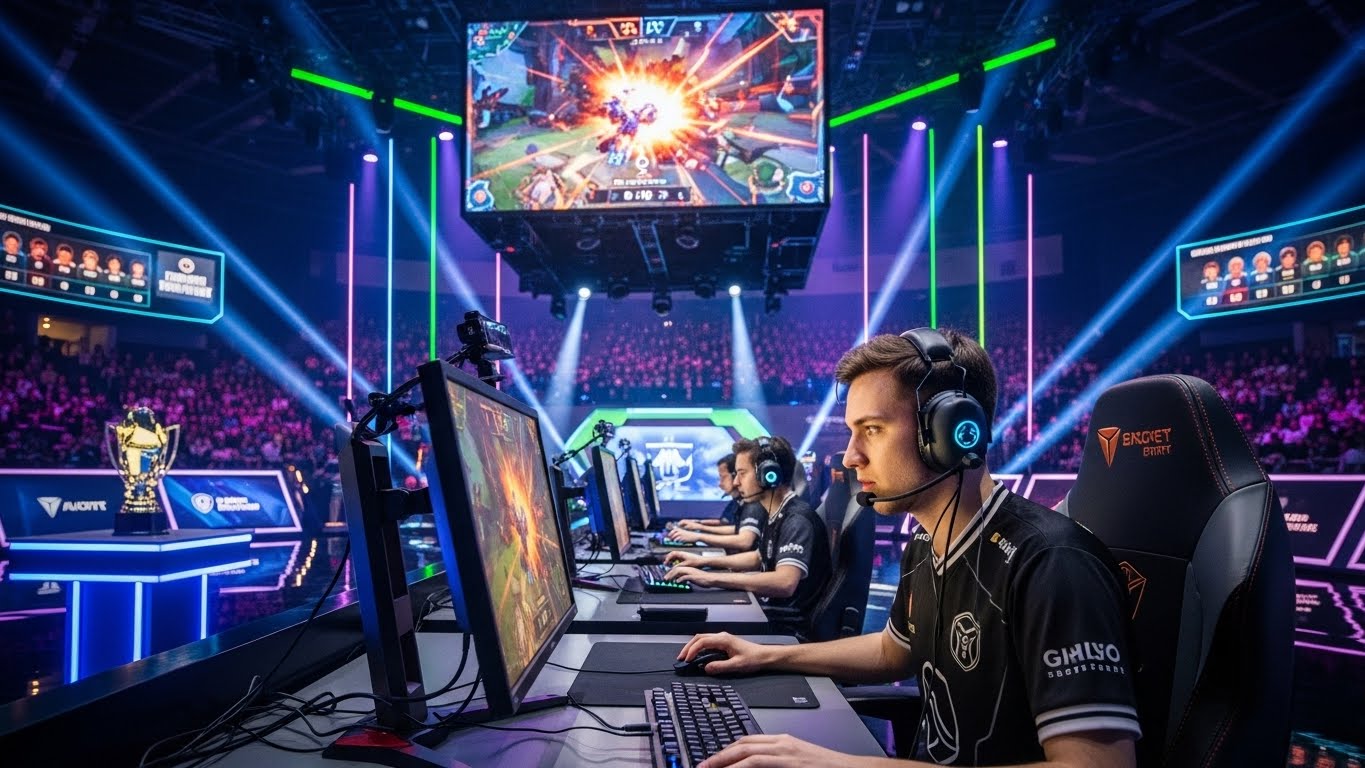
The rapid growth of esports wouldn’t be possible without cutting-edge technology. High-speed internet, gaming hardware, and live streaming platforms have revolutionized how fans watch and engage with matches. With innovations like virtual reality and augmented reality, the future of esports promises even more immersive and interactive experiences.
Esports Community and Culture
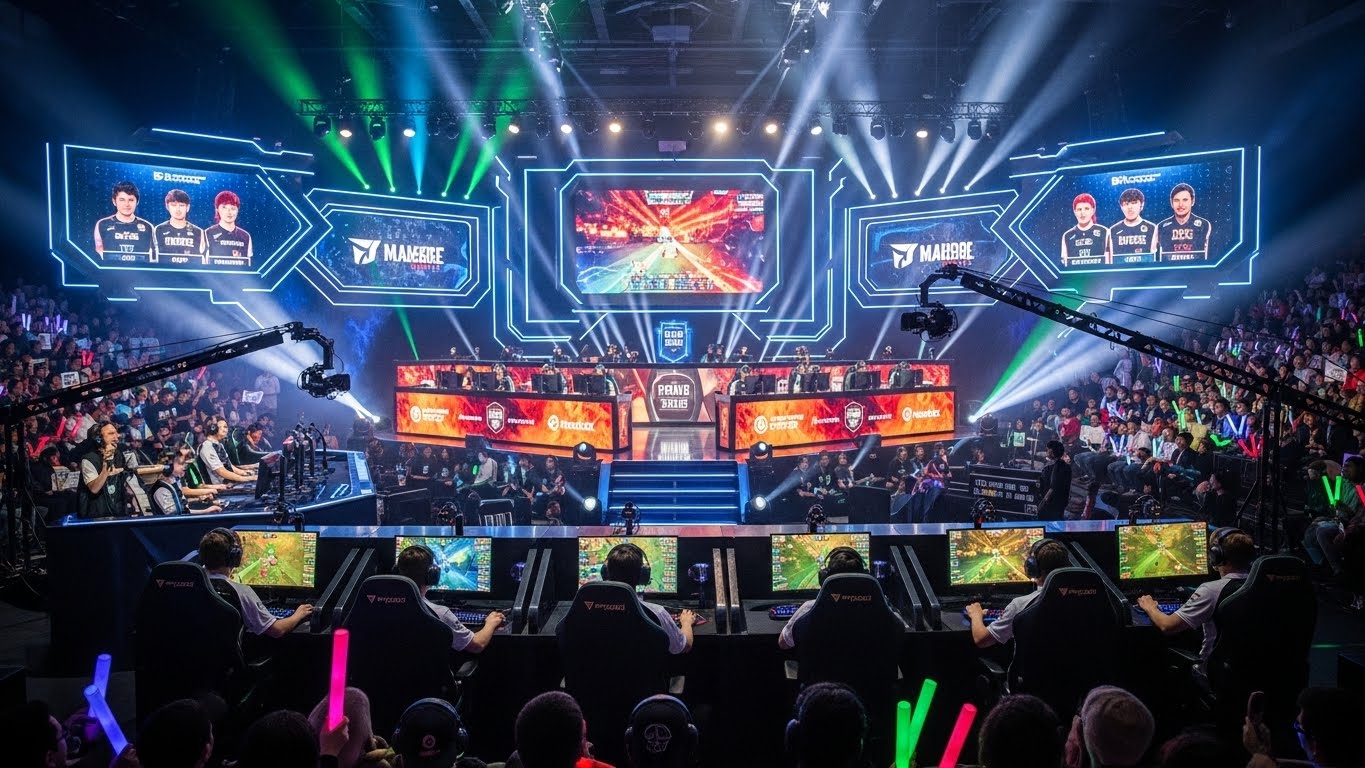
What truly sets esports apart is its strong and passionate community. Fans from around the world connect through live events, online discussions, and social media. The esports culture encourages diversity, creativity, and collaboration, building a global family united by a love for gaming. It has also become a source of inspiration for young people dreaming of making their mark in the digital arena.
Education and Career Opportunities
Esports has also entered the academic and professional world. Many universities now offer scholarships and courses in esports management, broadcasting, and game development. Career paths extend beyond playing, including commentary, coaching, production, and marketing roles. This shows how esports is not just entertainment—it’s a growing career field with endless potential.
Challenges in the Esports World
Despite its success, esports faces several challenges. Player burnout, health issues, and unfair practices remain concerns within the industry. Maintaining fair competition, promoting mental wellness, and ensuring diversity and inclusion are key to ensuring sustainable growth. Addressing these challenges will shape the future of esports.
Conclusion
Esports has transformed from a simple pastime into a global powerhouse of competition and creativity. It stands as a symbol of how technology can bring people together and create new forms of achievement. As the world continues to evolve digitally, esports will remain at the forefront of entertainment, inspiring millions to dream, compete, and connect beyond the screen.