
 proesportszone51
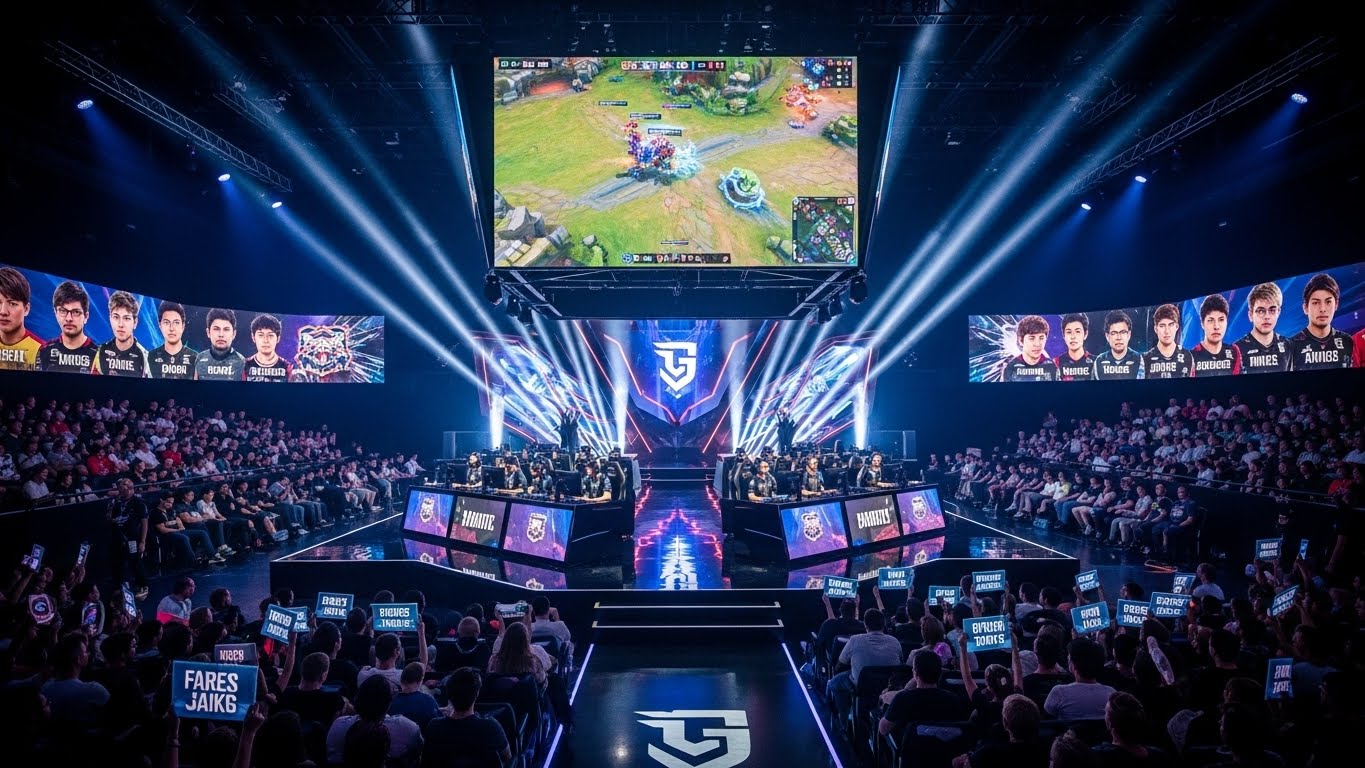
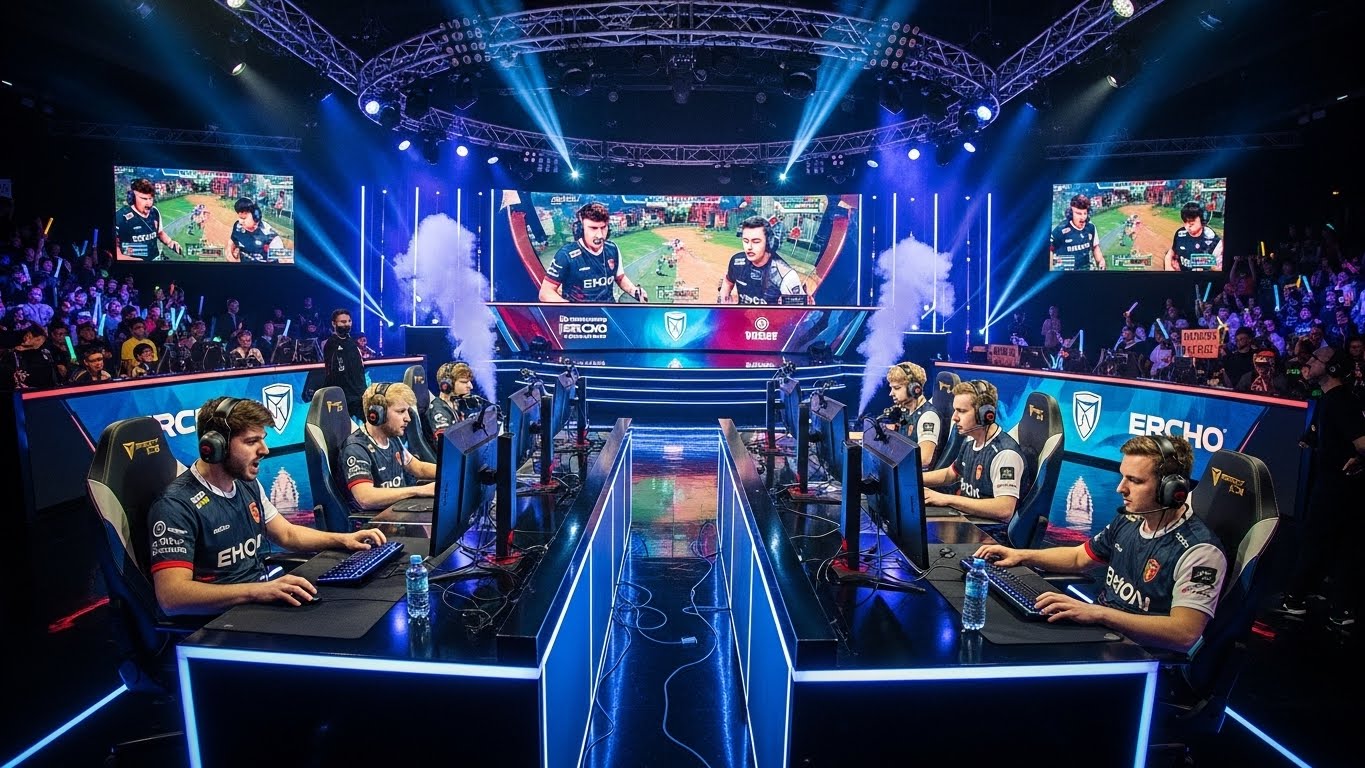
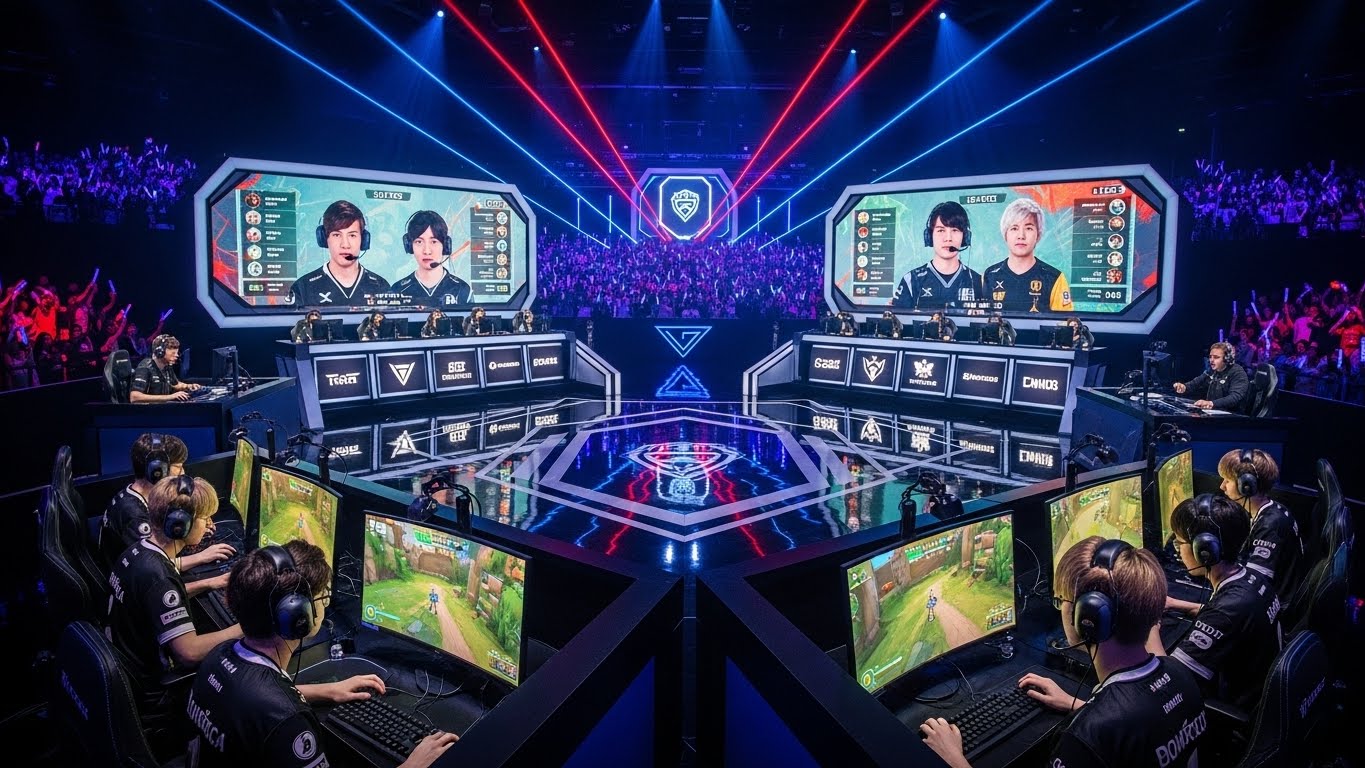
In the past decade, esports has emerged from the fringes of gaming culture to become a global entertainment powerhouse. What was once a niche hobby for competitive gamers has now evolved into a legitimate sport, with massive tournaments, sponsorships from global brands, and dedicated fanbases across the world. Competitive gaming, or esports, now garners millions of viewers and has a profound impact on the world of entertainment, media, and digital culture. In this blog post, we will explore the rise of esports, its growing influence, and what lies ahead for the future of competitive gaming.
Defining Esports: A New Era of Competition
Esports, short for electronic sports, refers to organized, multiplayer video game competitions. Unlike casual gaming, where players engage for fun and entertainment, esports takes place in a highly competitive environment, often involving professional players, teams, and leagues. These competitions usually focus on popular video games such as League of Legends, Dota 2, Counter-Strike: Global Offensive, Fortnite, and Overwatch. In esports, the objective is to win tournaments or leagues by outplaying and outsmarting opponents, which requires skill, strategy, and teamwork.
Esports competitions can take many forms: individual matches, team-based tournaments, and even year-long leagues where players or teams compete for rankings, titles, and large prize pools. The level of commitment and skill required for success in esports mirrors traditional sports, with players training for hours each day, analyzing gameplay, and perfecting their techniques.
The Meteoric Rise of Esports
Esports is not just a trend; it is a rapidly growing industry that has redefined what we understand as “sports.” According to recent industry reports, the global esports market is expected to surpass $1 billion in revenue in the next few years, with sponsorships, media rights, and tournament prize pools driving much of this growth. Several factors contribute to the meteoric rise of esports:
- Global Accessibility: Esports transcends geographic boundaries. Thanks to the internet, gamers from different countries can compete in global tournaments, and fans can tune in from virtually anywhere. This worldwide reach has allowed esports to grow exponentially, creating a universal fanbase and community.
- Streaming Platforms: Platforms like Twitch, YouTube Gaming, and Facebook Gaming have become the epicenters of esports, allowing viewers to watch live broadcasts of their favorite games and players. Streamed competitions now attract millions of viewers, some even surpassing the viewership of traditional sports events. These platforms also provide gamers with the ability to showcase their skills and build their personal brand through live streaming.
- Corporate Sponsorships and Partnerships: With the growing popularity of esports, major companies across industries have invested heavily in the space. Brands such as Intel, Coca-Cola, and Nike have formed partnerships with esports teams and events, driving more funding and mainstream attention to competitive gaming. These sponsorships have also paved the way for more professionalization in the industry.
- Mainstream Media Exposure: Esports has increasingly been recognized as a legitimate form of entertainment by traditional media outlets. High-profile tournaments like the League of Legends World Championship and The International (Dota 2) are now broadcast on television networks, and some events have even been aired during prime time slots. The global audience for esports continues to grow, pushing it further into the mainstream.
Professionalism in Esports: A New Career Path
One of the most notable developments in the esports world is the rise of professional players who compete at the highest level, much like athletes in traditional sports. As the industry becomes more established, there are now clear career paths for those who wish to pursue esports full-time. Here’s how the landscape looks for esports professionals:
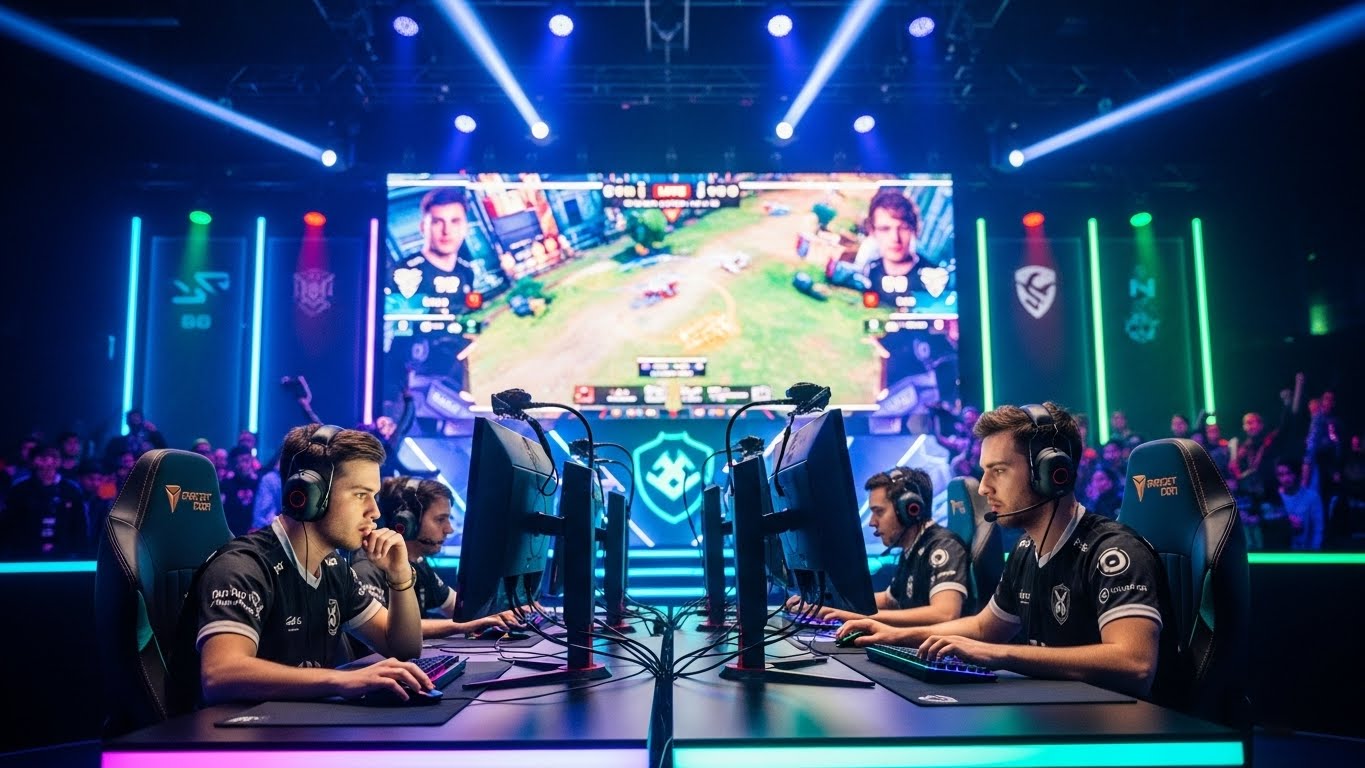
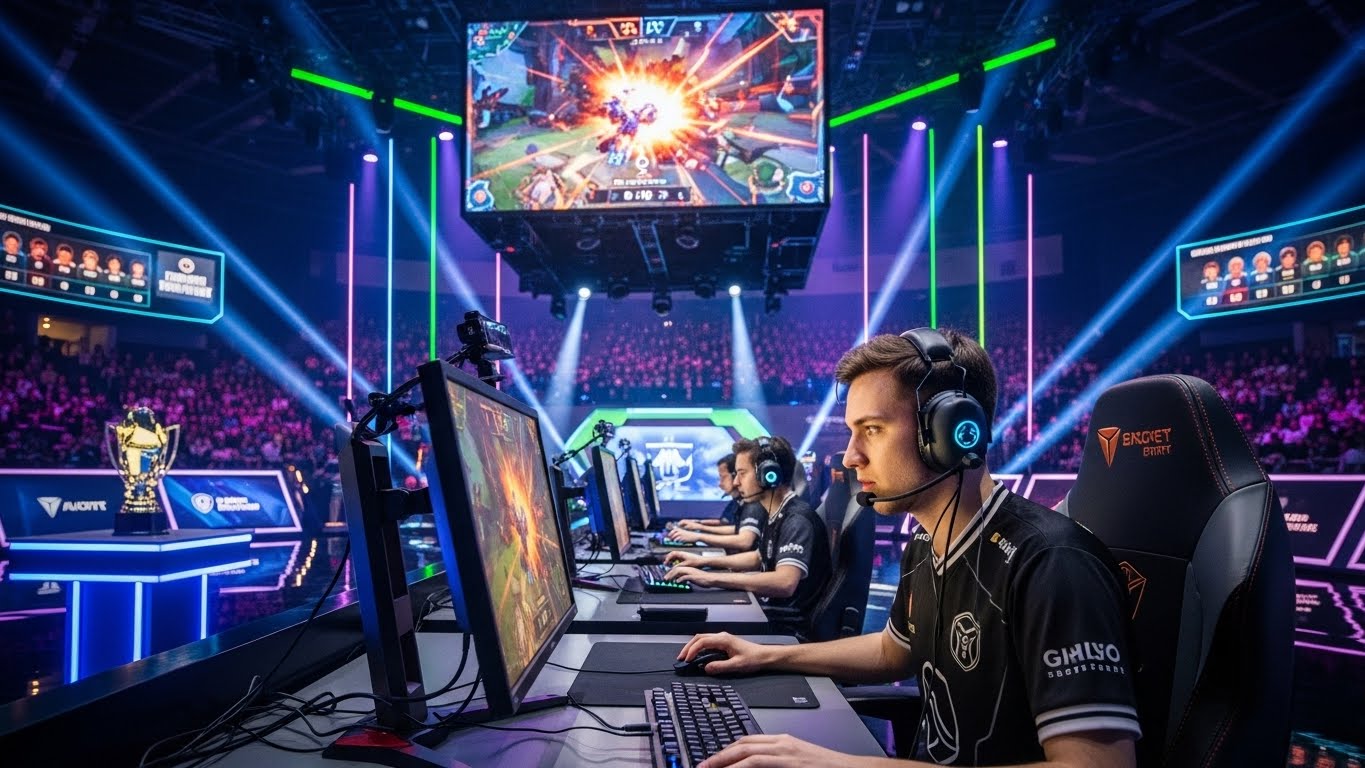
- Esports Players: Top-tier esports players make a living through tournament winnings, sponsorships, and streaming. In some cases, esports athletes can earn millions of dollars annually. Much like traditional sports athletes, these players often have coaches, managers, and support staff to help them train and prepare for high-stakes competitions. The dedication and skill required to succeed in esports are immense, and only the best of the best rise to the top.
- Esports Coaches and Analysts: Behind every successful team in esports is a dedicated group of coaches, analysts, and strategists. Esports coaches help players improve their in-game performance, develop strategies, and ensure that the team works cohesively. Analysts, on the other hand, study opponents’ gameplay, providing valuable insights that can turn the tide of a match. These roles are critical to the success of esports teams, making esports coaching a growing profession in its own right.
- Streamers and Content Creators: While professional players dominate competitive tournaments, many esports players also pursue careers as streamers. Platforms like Twitch allow gamers to stream their gameplay live to an audience, earning revenue through advertisements, sponsorships, and viewer donations. Streamers often build strong fan communities and gain significant influence in the gaming world. The rise of content creators has further propelled esports into the mainstream, as fans enjoy watching players engage with games and personalities outside of tournament settings.
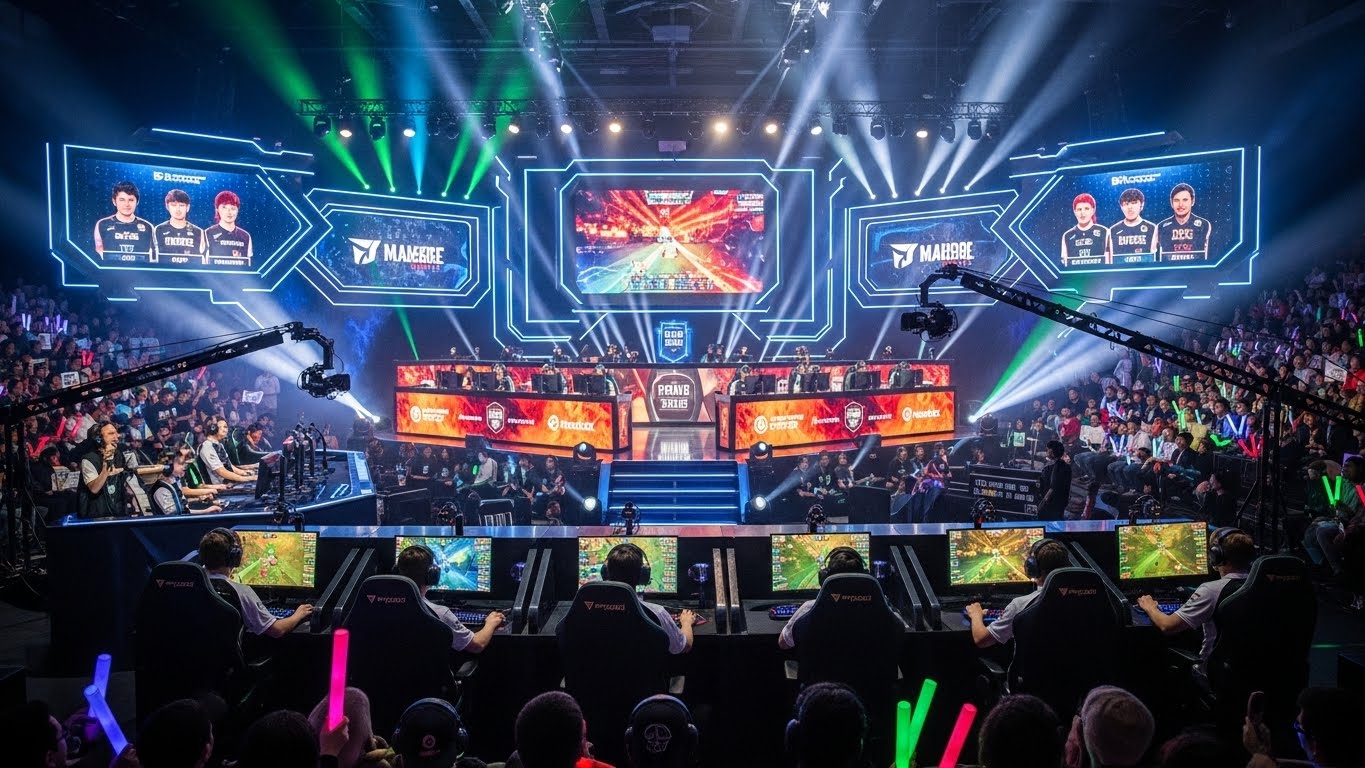
- Tournament Organizers: Esports events require a great deal of coordination and organization. Tournament organizers play a crucial role in bringing events to life, managing logistics, setting up venues (both virtual and physical), securing sponsorships, and ensuring that the competitions run smoothly. The growth of large-scale esports tournaments has created jobs and opportunities for event managers and professionals in the industry.
The Esports Fanbase: A New Era of Spectatorship
One of the most exciting aspects of esports is its massive, dedicated fanbase. What sets esports apart from traditional sports is the level of interactivity and digital engagement that fans can experience. Esports fans are not just passive spectators; they actively engage with players, teams, and events, contributing to the sense of community and connection that esports offers.
- Global Fanbase: Esports has a global fanbase, with millions of viewers across the world tuning in to watch their favorite games and players. This wide-reaching audience has helped esports transcend cultural boundaries, uniting people from different nations under the banner of competitive gaming.
- Interactive Viewing Experience: Unlike traditional sports, esports allows fans to interact directly with the action. Viewers can chat with streamers, engage with commentary, and share their thoughts in real time through platforms like Twitch. Esports also offers a level of transparency in gameplay, with viewers able to see exactly what players are doing in the game, how they strategize, and how they perform under pressure.
- Fan Communities: Fans of esports often form tight-knit communities that extend beyond the tournaments themselves. These communities come together on social media platforms, fan forums, and streaming services to discuss games, share content, and support their favorite players and teams. This sense of belonging helps build loyalty among viewers, turning casual fans into passionate supporters.
- Esports as Entertainment: Esports is not just about the competition; it’s also about the entertainment. Large tournaments are filled with exciting moments, such as incredible plays, underdog victories, and intense rivalries. Fans are drawn to the unpredictability and drama of live esports events, which often feel like blockbuster sports movies in real time.
The Future of Esports: What’s Next?
As esports continues to evolve, there are several exciting developments on the horizon that will shape its future. The industry is expected to continue its rapid growth, with new opportunities emerging in both the professional and recreational gaming sectors.
- Virtual Reality and Augmented Reality: As gaming technology advances, virtual reality (VR) and augmented reality (AR) could play a significant role in the future of esports. These immersive technologies may allow players to experience games in entirely new ways, making esports competitions even more dynamic and engaging for both players and fans. Imagine watching an esports match where you’re not just a viewer, but an active participant in the virtual world.
- Esports in Education: As esports gains more recognition, academic institutions are incorporating it into their curricula. Universities are offering esports scholarships, and some have even created competitive esports programs and facilities. This development creates a pipeline of talent for the industry, allowing young players to pursue both higher education and professional gaming careers.
- Esports as a Global Sport: With the growing recognition of esports as a legitimate form of competition, there is potential for it to be included in international sporting events, such as the Olympics. Several countries are already treating esports as a formal sport, with government organizations offering support and developing national esports initiatives.
- More Inclusivity: Esports has traditionally been dominated by young men, but the industry is increasingly becoming more inclusive. Initiatives to encourage women and underrepresented groups to participate in esports are growing, and diversity in both players and teams is on the rise. As the esports ecosystem expands, there will likely be more opportunities for people from different walks of life to compete and succeed.
Conclusion: Esports – The Future of Competitive Gaming
Esports has truly revolutionized the way we think about competition, entertainment, and sports. From casual gamers to professional players, from fan communities to global broadcasting networks, esports has created an entirely new cultural landscape. As technology continues to evolve and the industry expands, esports is poised to become an even more significant part of the global entertainment scene.
The future of esports looks incredibly bright. Whether you’re a gamer, a fan, or just curious about the world of competitive gaming, it’s clear that esports is not just a passing trend—it’s the future of entertainment.