
 proesportszone51
Introduction: The Rise of Esports in the Digital Age
In the last two decades, a quiet revolution has taken place within the world of competitive gaming. What once began as a niche hobby, often associated with basement LAN parties and casual weekend tournaments, has blossomed into a multi-billion-dollar industry. Esports, or electronic sports, has evolved into one of the fastest-growing sectors in the global entertainment landscape, attracting millions of fans, players, and investors.
From the high-intensity action of League of Legends and Dota 2 to the strategic warfare of Counter-Strike: Global Offensive and Call of Duty, esports has become a cultural phenomenon. Today, competitive gaming draws enormous audiences to live events, features sponsorship deals worth millions, and even holds its own alongside traditional sports leagues in terms of viewership.
In this blog post, we’ll delve into the history, structure, impact, and future of esports, exploring how it has shifted from casual pastime to professional spectacle.
The Birth and Evolution of Esports
Esports has roots that stretch back to the early days of gaming. The term “esports” itself may be relatively new, but competitive gaming has been around since the advent of video games in the 1970s.
Early Beginnings: Arcade Competitions and the First Tournaments
The first major esports event can be traced back to 1972 with a competition called the Intergalactic Spacewar Olympics, where players competed in the game Spacewar, an early arcade game that became a cult classic. Though the competition was small and niche, it planted the seeds for future esports events.
Throughout the 1980s and 1990s, arcade gaming tournaments began gaining popularity, especially as games like Pac-Man and Donkey Kong captured the public’s imagination. During this time, regional competitions were held, often at arcades or local gaming events. However, it wasn’t until the late 1990s and early 2000s that esports truly began to take form as an organized, professional industry.
The Birth of Online Competitions
As the internet became more widespread, multiplayer gaming exploded in popularity. Games such as StarCraft and WarCraft allowed players from all over the world to compete against one another online, and the digital arena began to take shape. In South Korea, for example, StarCraft became a national obsession, leading to the formation of the Korean Pro Gaming League in 1999. This was one of the first official leagues dedicated to competitive gaming, and it became a key milestone in the professionalization of esports.
By the mid-2000s, large-scale tournaments like World Cyber Games (WCG) and ESL (Electronic Sports League) began to gain international attention. These tournaments were still relatively small compared to today’s standards, but they set the stage for the massive, highly organized competitions we see today.
The Growth of Esports: From Hobby to Global Spectacle
As esports continued to grow, so did its infrastructure. With the rise of streaming platforms like Twitch in 2011 and YouTube’s increasing support for gaming content, competitive gaming was able to reach a wider audience than ever before.
The Role of Streaming: Twitch and the Democratization of Esports
Twitch, a live-streaming platform primarily focused on video games, played a crucial role in esports’ global rise. What started as a small community of gamers sharing their gameplay soon became a hub for professional esports leagues, offering fans the ability to watch live tournaments in real-time from the comfort of their homes.
For many viewers, Twitch became the go-to platform for following their favorite teams, players, and games. The ability to interact with streamers through live chat added a level of engagement that traditional sports lacked. As a result, Twitch and other streaming platforms have become integral to the growth and popularization of esports worldwide.
Sponsorships and Media Rights: Esports Goes Mainstream
The increasing viewership of esports caught the attention of major sponsors and media companies. Brands that traditionally focused on other types of entertainment began investing in esports. For instance, companies like Red Bull, Intel, and Coca-Cola have sponsored major tournaments and gaming teams, bringing significant financial support to the ecosystem. This influx of sponsorship money helped elevate esports to a level of professionalism not seen in its early years.
In addition to corporate sponsorships, media rights deals began to emerge, allowing esports to be broadcast on television and streaming services. Leagues like the Overwatch League and League of Legends Championship Series secured major broadcasting deals, and events like The International (Dota 2’s premier tournament) reached millions of viewers across the globe. Esports was no longer just a niche interest but a global spectacle that attracted millions of fans and viewers, including those outside the gaming community.
The Structure of Esports: Teams, Leagues, and Tournaments
One of the key factors in esports’ rapid growth is its professionalization. Esports is now structured similarly to traditional sports leagues, with organized teams, tournaments, and even franchise models.
The Rise of Esports Teams
Just like traditional sports, esports has seen the rise of professional teams that compete in various leagues and tournaments. These teams are often sponsored by major brands and consist of players who specialize in specific games. Some of the most famous esports organizations include Cloud9, T1, Team Liquid, and Fnatic.
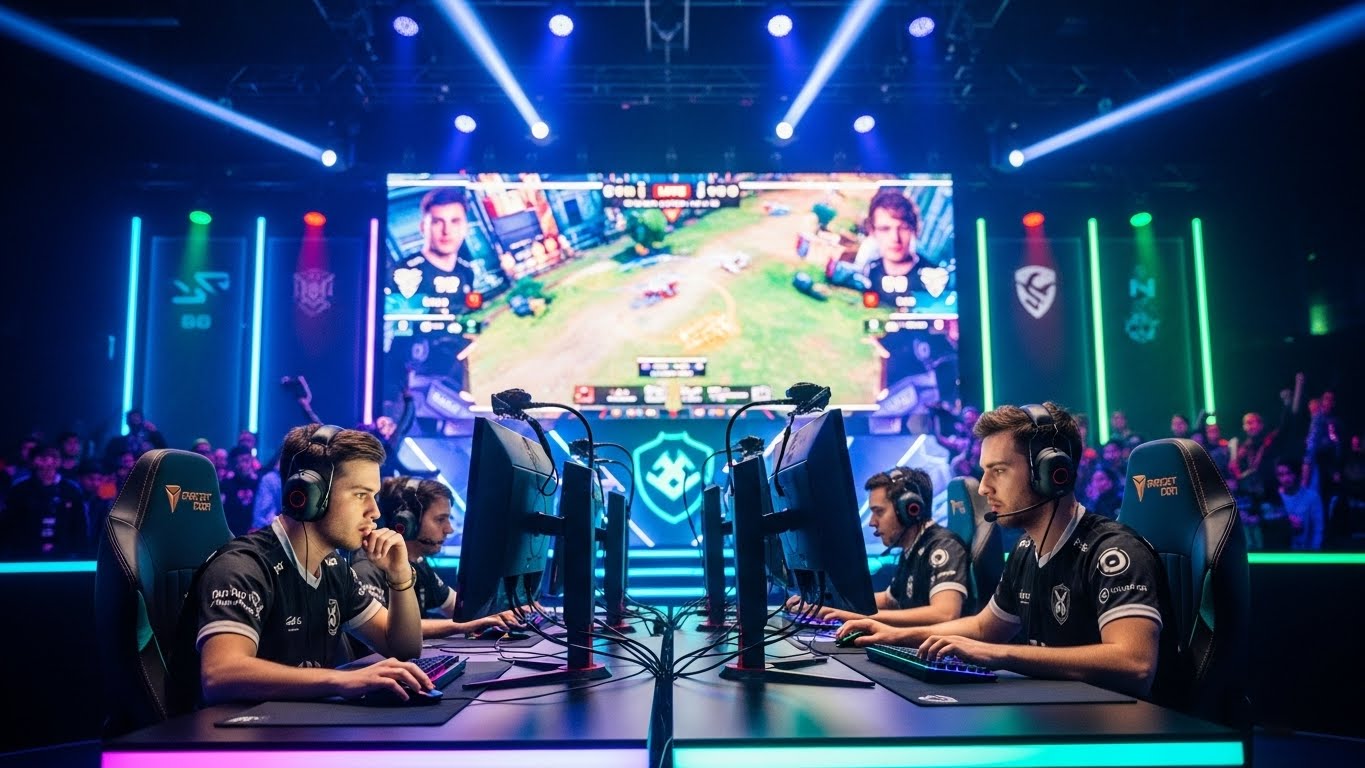
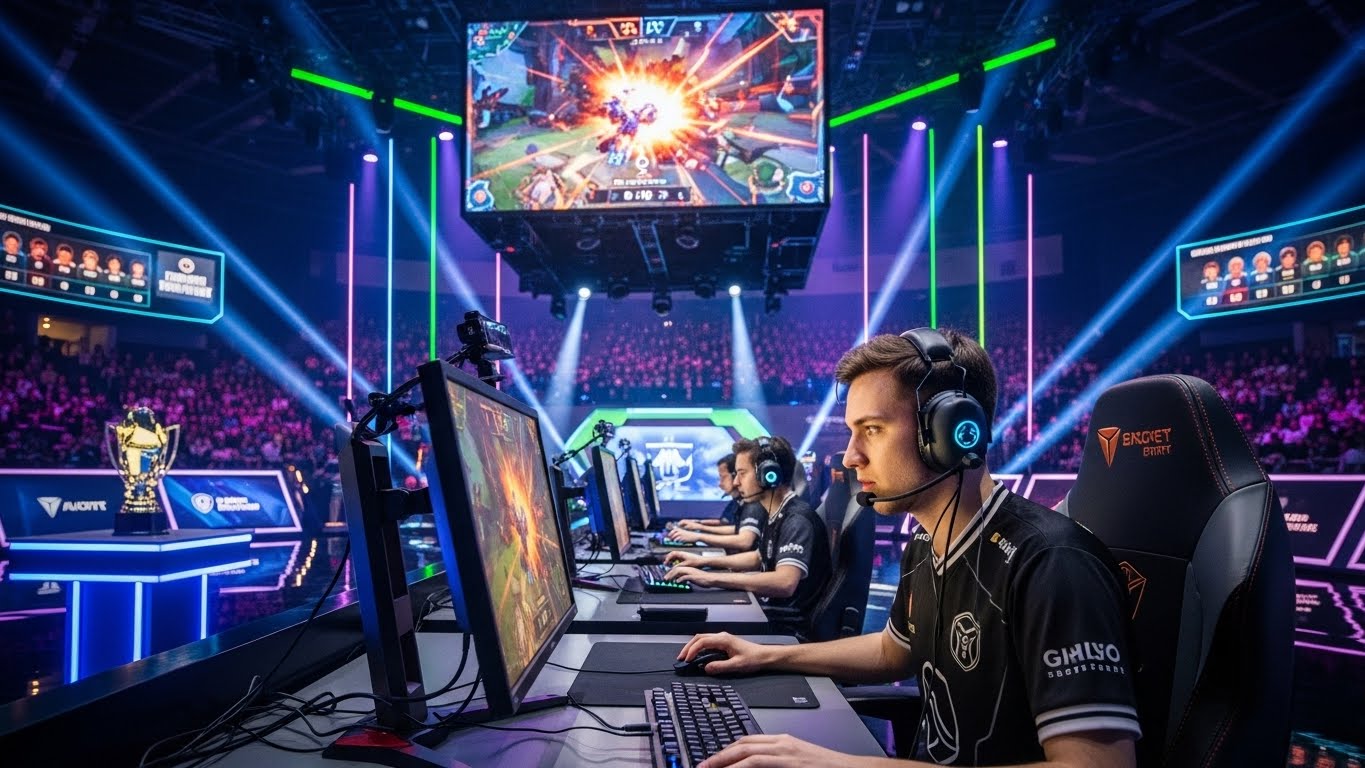
Players on these teams are highly skilled and often undergo rigorous training to improve their gameplay. They are not only competing against other players but also facing intense scrutiny from fans and media. Esports teams have dedicated coaches, analysts, and support staff, and some even have psychologists to help players manage the mental and emotional challenges of high-level competition.
Major Leagues and Tournaments
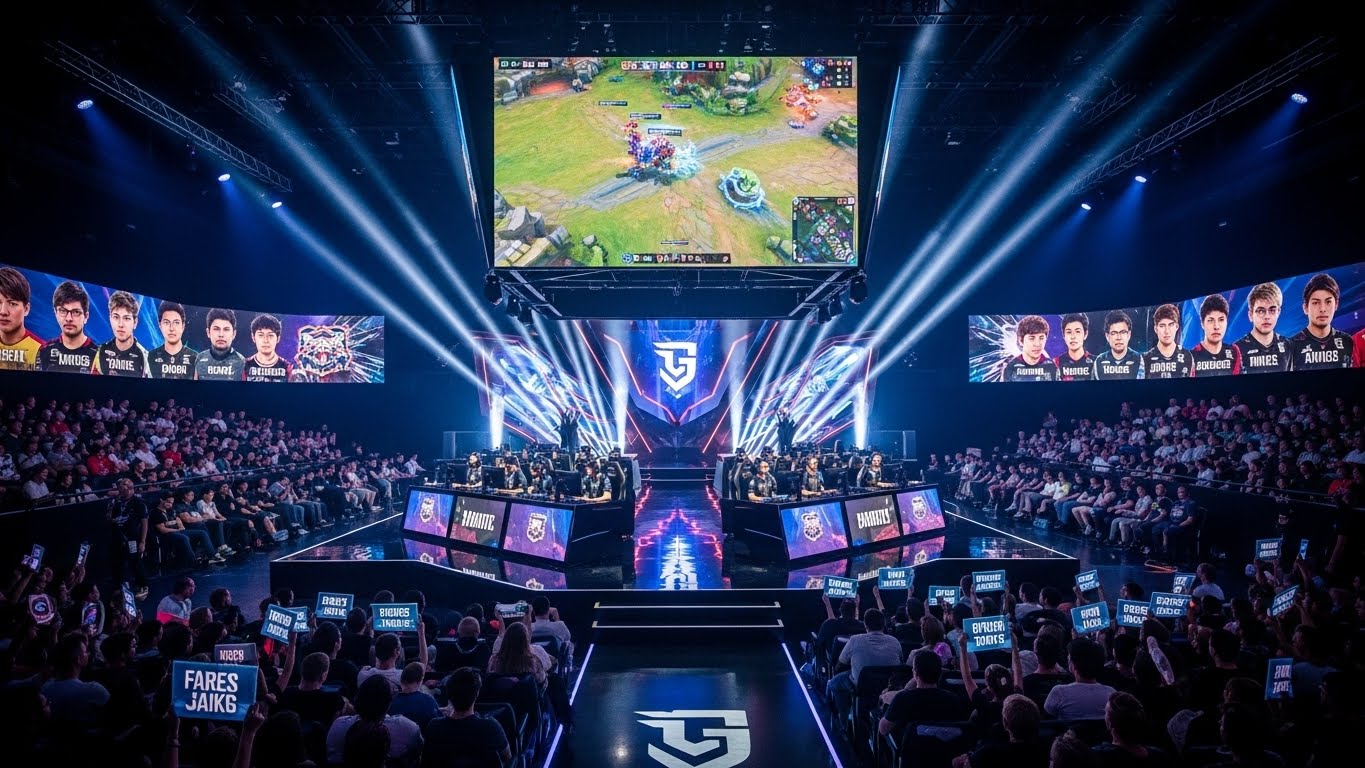
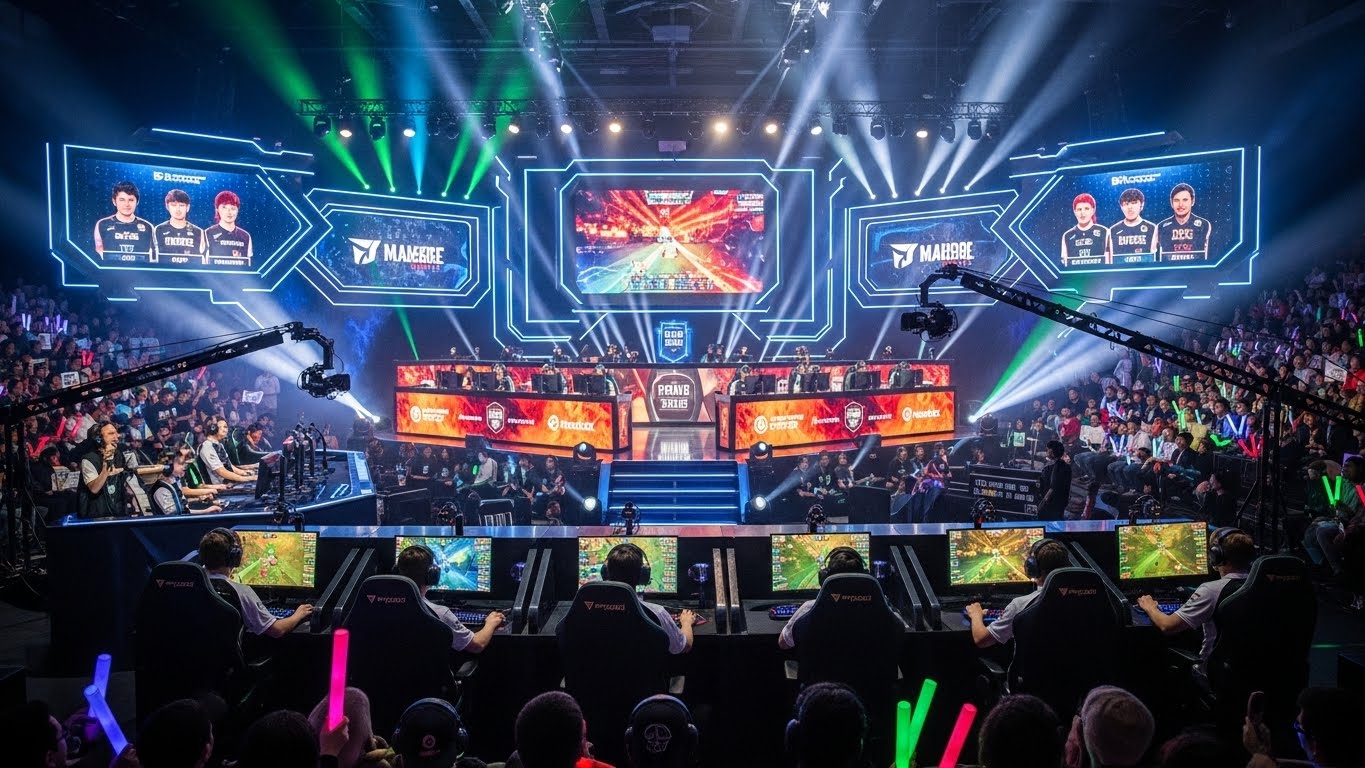
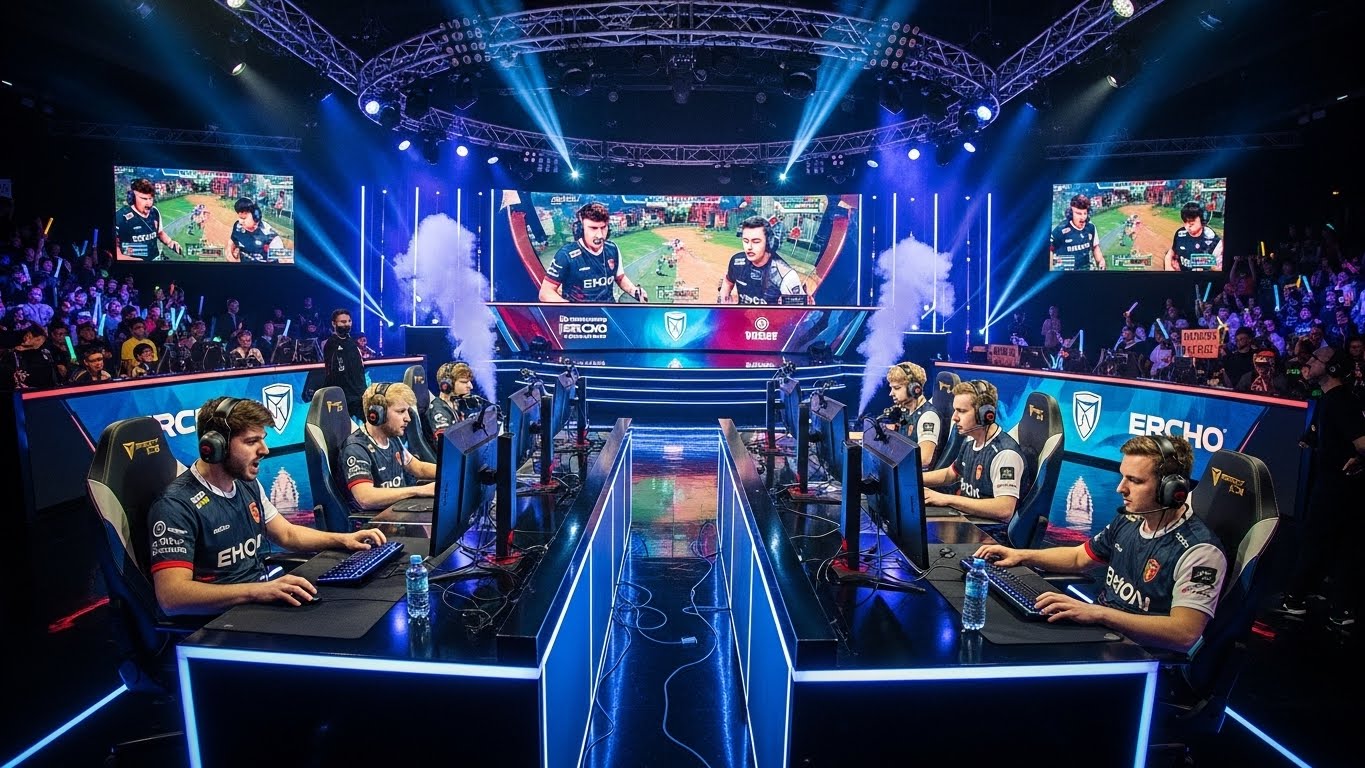
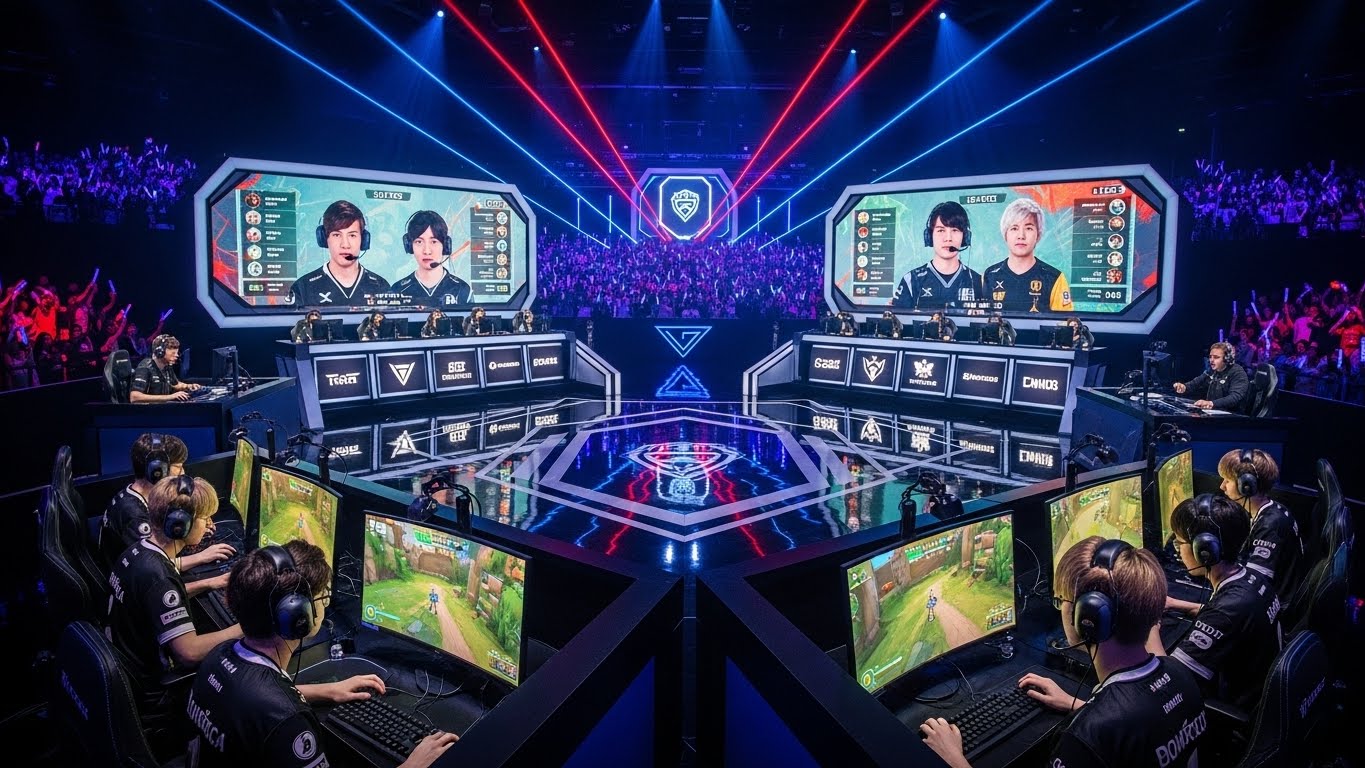
Esports tournaments have become elaborate events, often filling arenas and broadcasting to millions of viewers worldwide. Popular titles like League of Legends, Counter-Strike: Global Offensive, Dota 2, and Fortnite have their own major leagues and annual tournaments, offering multi-million-dollar prize pools.
The International, the annual Dota 2 tournament, is one of the most well-known examples of a major esports event, with prize pools often exceeding $30 million. The League of Legends World Championship similarly attracts millions of viewers and boasts an incredible prize pool, with its final matches being broadcast in arenas packed with fans and watched by millions more online.
These tournaments not only offer monetary rewards but also provide players with a platform for fame and recognition. For many, winning an esports tournament is akin to becoming a sports champion in traditional athletic competitions.
The Economic Impact of Esports
The financial growth of esports has been staggering. What was once a hobby-driven industry is now worth billions, with revenue streams coming from various sources such as sponsorships, media rights, merchandise, ticket sales, and even crowdfunding.
Sponsorships and Brand Partnerships
Corporate sponsorships have been a major contributor to the financial success of esports. Companies like Mercedes-Benz, Adidas, and Louis Vuitton have entered the space, collaborating with esports teams and events to reach younger audiences. These brand partnerships are not limited to product placements but often involve exclusive collaborations, such as the creation of branded team jerseys or custom-designed in-game items.
Esports as a Career: Streamers and Content Creators
Aside from professional players, esports has given rise to a new class of influencers: streamers and content creators. These individuals make a living by streaming their gameplay, creating content related to esports, and engaging with their followers. Popular streamers like Ninja (Tyler Blevins), Shroud (Michael Grzesiek), and Pokimane (Imane Anys) have millions of followers and generate significant income from ad revenue, sponsorships, donations, and partnerships.
The rise of esports has democratized gaming careers, with anyone with a computer and an internet connection potentially able to turn their passion into a full-time job.
The Social and Cultural Impact of Esports
Esports is not only an entertainment and economic powerhouse but also a cultural force that has reshaped how we think about gaming and competition. It has brought gaming into the mainstream, changing perceptions of it from a solitary activity to a social, competitive, and even professional pursuit.
Community and Global Connection
One of the defining aspects of esports is its global community. Gamers from all corners of the world can connect, compete, and share their love for the game. Esports has fostered a sense of belonging for fans and players alike, creating a space where people can share experiences, learn from one another, and build friendships, all through the medium of gaming.
Major esports tournaments often have global appeal, with teams from Europe, North America, Asia, and other regions competing against each other. The shared passion for gaming unites fans across borders, languages, and cultures, and esports events serve as a reminder of the unifying power of competition.
Esports and Education
Esports has also found a place in educational settings, with many schools and universities establishing esports programs and offering scholarships to talented players. Esports programs provide students with opportunities to pursue careers in gaming while also developing valuable skills such as teamwork, strategic thinking, and time management. Some schools even offer esports as an extracurricular activity, giving students the chance to compete in local or national tournaments.
The Future of Esports
As esports continues to grow, the future looks incredibly promising. With advancements in technology, the increasing popularity of virtual reality (VR) and augmented reality (AR), and the continued integration of esports into mainstream entertainment, there’s no telling how big esports will get. The potential for new gaming platforms, genres, and competitions is endless, and it’s clear that esports is here to stay.