
 proesportszone51
Introduction: The New Frontier of Competitive Gaming
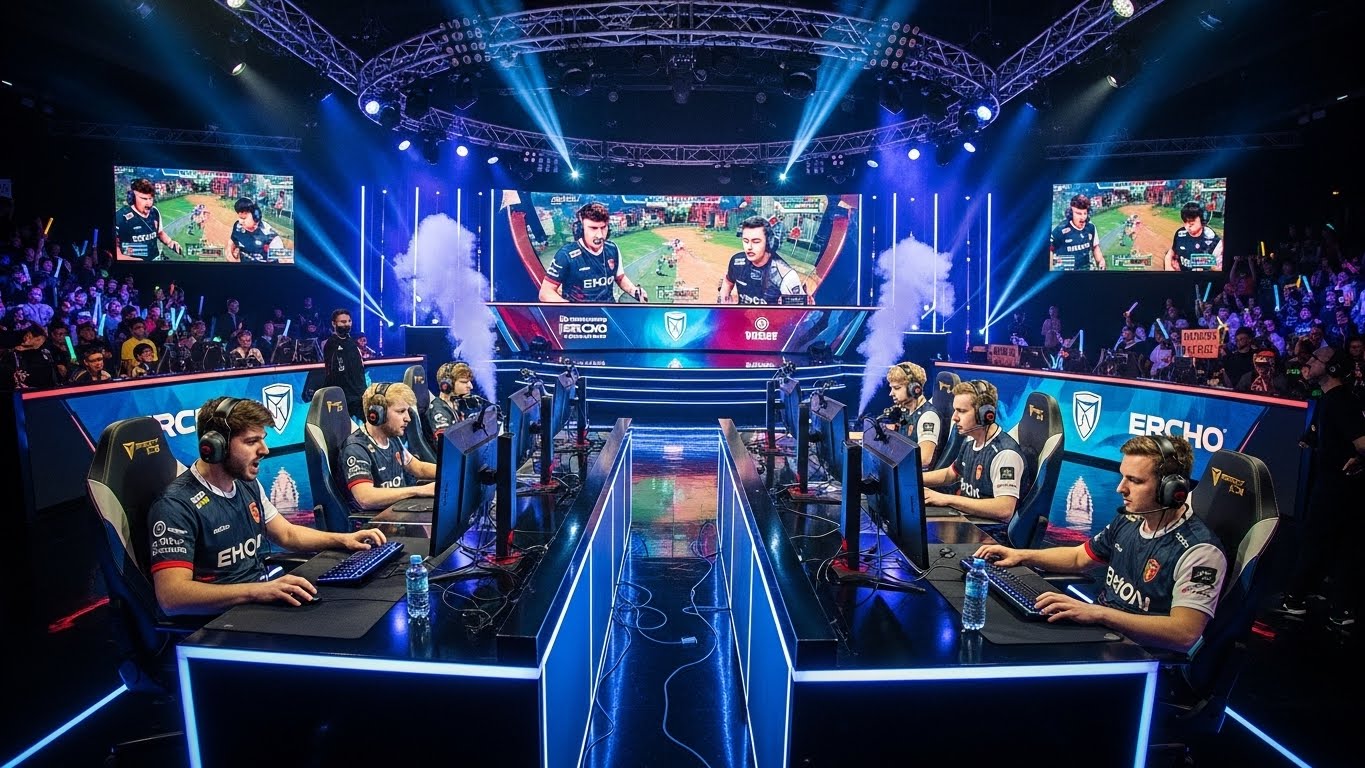
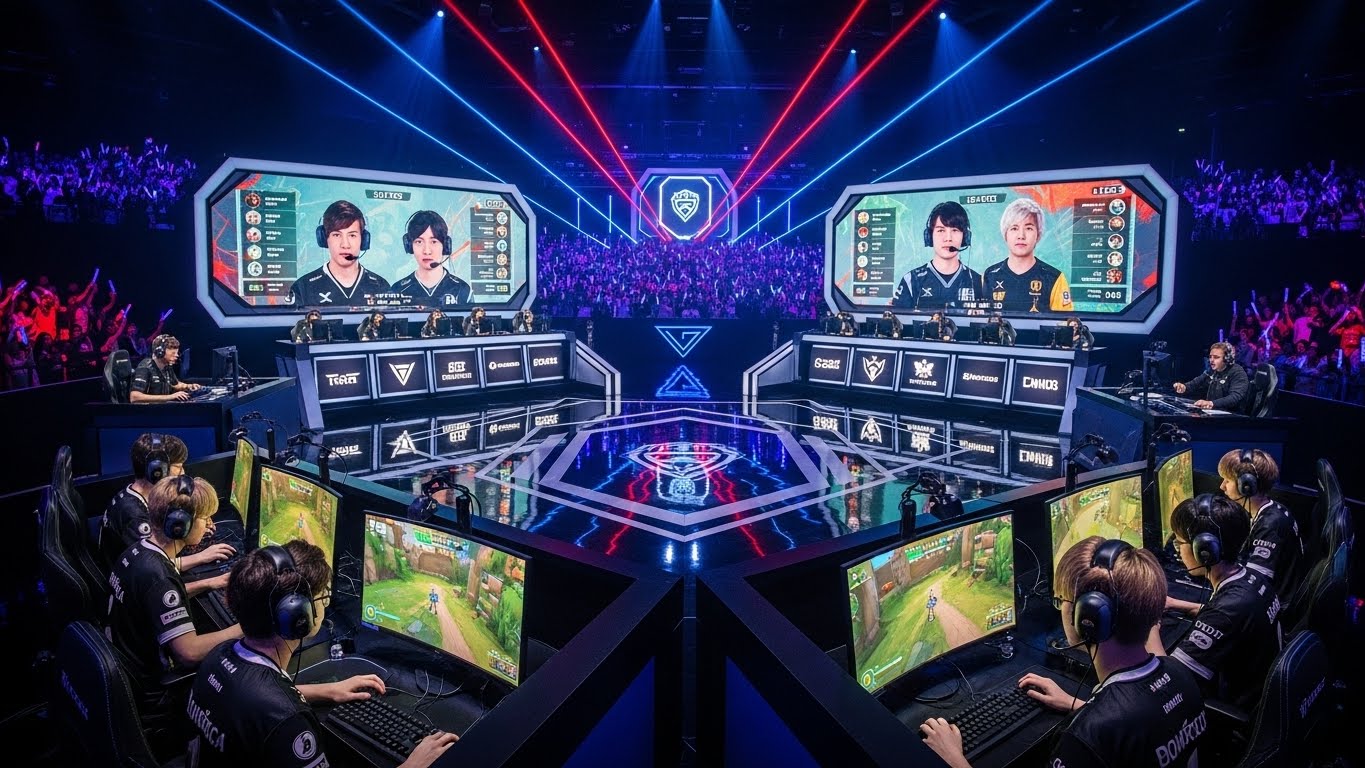
Esports, or electronic sports, have rapidly grown from a niche hobby to a global phenomenon, captivating millions of players and spectators around the world. What once began as informal tournaments between friends has evolved into multi-million-dollar competitions, with professional players, coaches, sponsors, and media networks driving the industry’s growth. In this new digital arena, esports are not just about playing games; they are about strategy, teamwork, and mastery of complex virtual worlds. As a legitimate sport, esports is now rivaling traditional sports in popularity, viewership, and cultural significance. But what exactly is it about esports that makes it so compelling? In this post, we will explore the rise of esports, its impact on culture and entertainment, and why it’s here to stay.
The Evolution of Esports: From Casual Play to Professional Leagues
The origins of esports trace back to the 1990s, when early video games like “Street Fighter” and “Quake” started hosting local tournaments. These events were often small, with participants gathering in arcades or community centers to compete. However, as the internet grew, so did the scope of gaming tournaments. Online multiplayer games such as “StarCraft” and “Warcraft” paved the way for large-scale, globally connected competitions. As technology advanced, so did the games themselves, becoming more sophisticated and requiring even higher skill levels to master.
In the early 2000s, esports began to form its current structure with the launch of major tournaments like the “World Cyber Games” (WCG) and “Electronic Sports World Cup” (ESWC). These events showcased the potential for esports to be more than just a hobby, attracting corporate sponsorships, media attention, and large audiences. Over the years, esports evolved further with the rise of competitive gaming platforms like Twitch, which allowed players and teams to broadcast their matches to a global audience. The introduction of professional leagues, such as the League of Legends Championship Series (LCS) and the Overwatch League (OWL), has further solidified esports as a professional sport with a dedicated fan base.
The Global Impact of Esports: Connecting Players and Fans Worldwide
One of the key factors contributing to the rapid rise of esports is its global accessibility. Unlike traditional sports, where geographic and physical limitations can hinder participation, esports allow players from any part of the world to compete against one another. With the power of the internet, individuals in North America, Europe, Asia, and beyond can compete in real-time, with matchmaking systems creating a level playing field for gamers of all backgrounds. Esports’ online nature also means that the audience can be just as global, with viewers tuning in from around the world to watch their favorite teams and players compete.
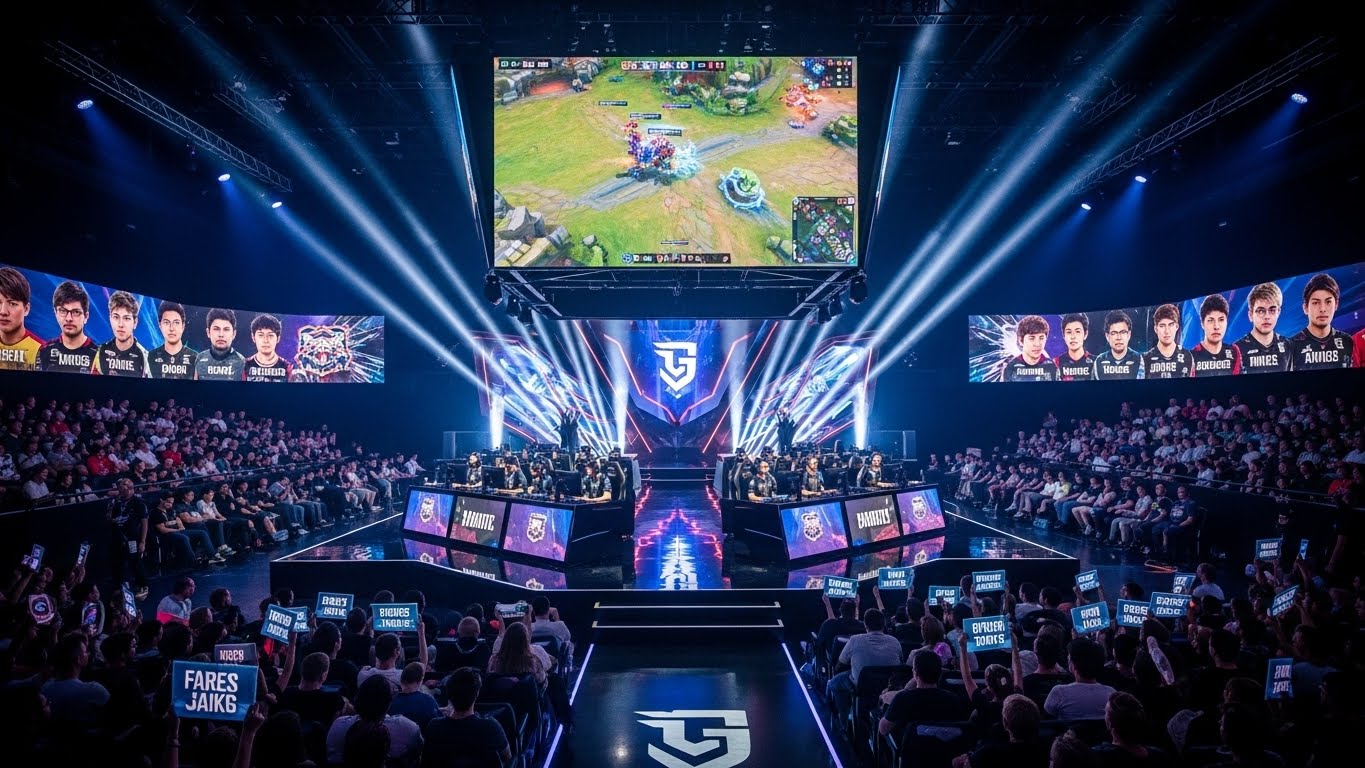
Streaming platforms such as Twitch, YouTube Gaming, and Facebook Gaming have allowed fans to engage with their favorite esports content creators, players, and teams in a more interactive way. These platforms enable viewers to watch live streams, engage in real-time chat, and participate in a community of like-minded fans. Major esports tournaments, such as “The International” (Dota 2), “League of Legends World Championship,” and “Fortnite World Cup,” draw millions of viewers online and in person, showcasing the immense reach of the esports industry.
Esports also fosters cross-cultural exchange. International tournaments often feature players and teams from diverse backgrounds, creating opportunities for global collaboration and understanding. In this way, esports breaks down cultural and language barriers, with fans and players uniting over their shared passion for gaming and competition.
The Economics of Esports: From Hobby to Industry
Esports is now a multi-billion-dollar industry, with revenue streams from sponsorships, advertising, media rights, merchandise sales, and ticket sales to live events. Brands from various sectors, including technology, automotive, and energy drinks, are investing heavily in esports, seeing the immense potential for exposure to a young, tech-savvy audience. Major companies like Intel, Coca-Cola, Red Bull, and Nike have partnered with esports leagues and tournaments to build their brands within this new digital space.
Sponsorships are a significant source of revenue for esports teams and players. Professional esports organizations such as Team Liquid, Cloud9, and FaZe Clan have established lucrative partnerships with top-tier companies, helping to fund player salaries, training facilities, and tournament travel expenses. These sponsorships often extend beyond the digital realm, with players and teams appearing in traditional media, advertisements, and even fashion campaigns.
Another major source of revenue for esports is media rights. Streaming platforms and broadcasters pay substantial sums to secure the rights to air major esports tournaments and league matches. The growing popularity of esports has led to partnerships with mainstream media outlets like ESPN, which regularly airs esports content. The increasing visibility of esports on TV and streaming services signals the industry’s maturation, proving that it’s not just a passing trend, but a legitimate part of the entertainment landscape.
The Role of Technology in Esports
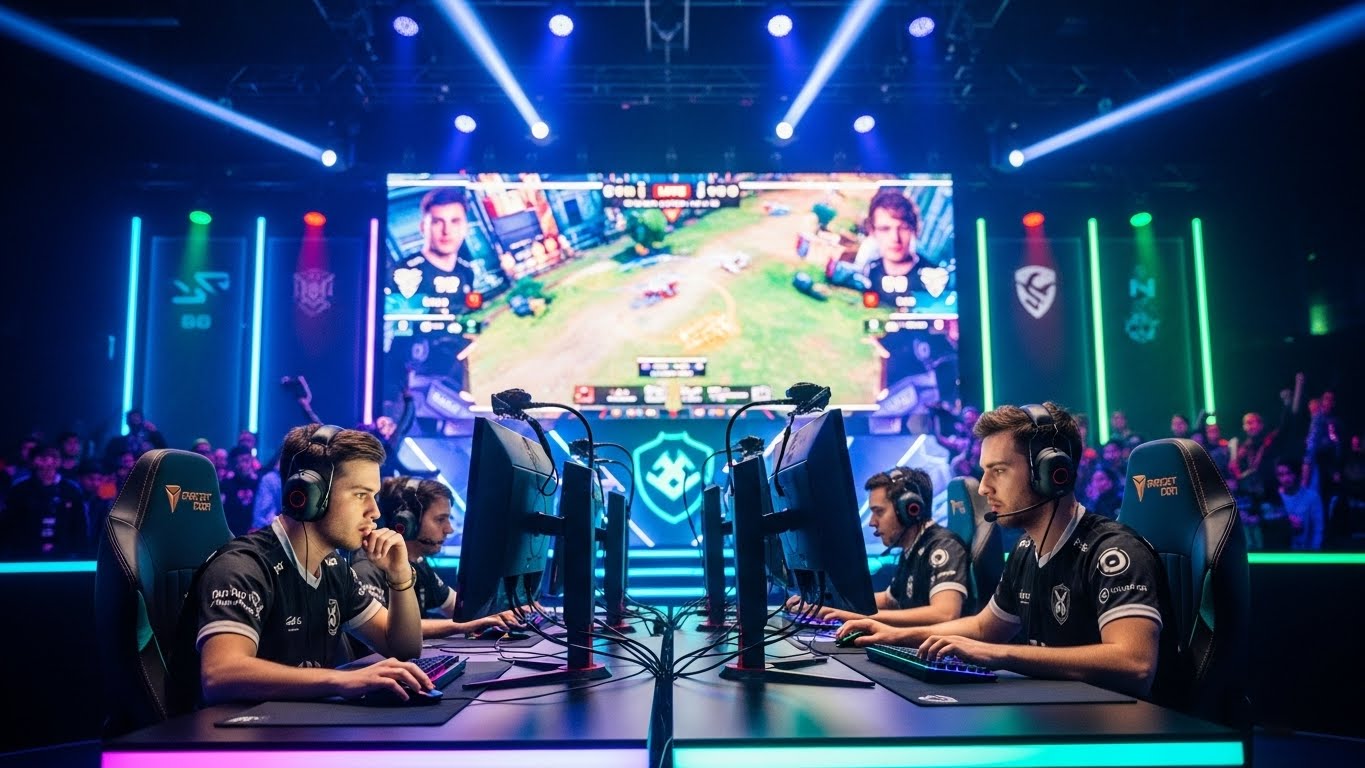
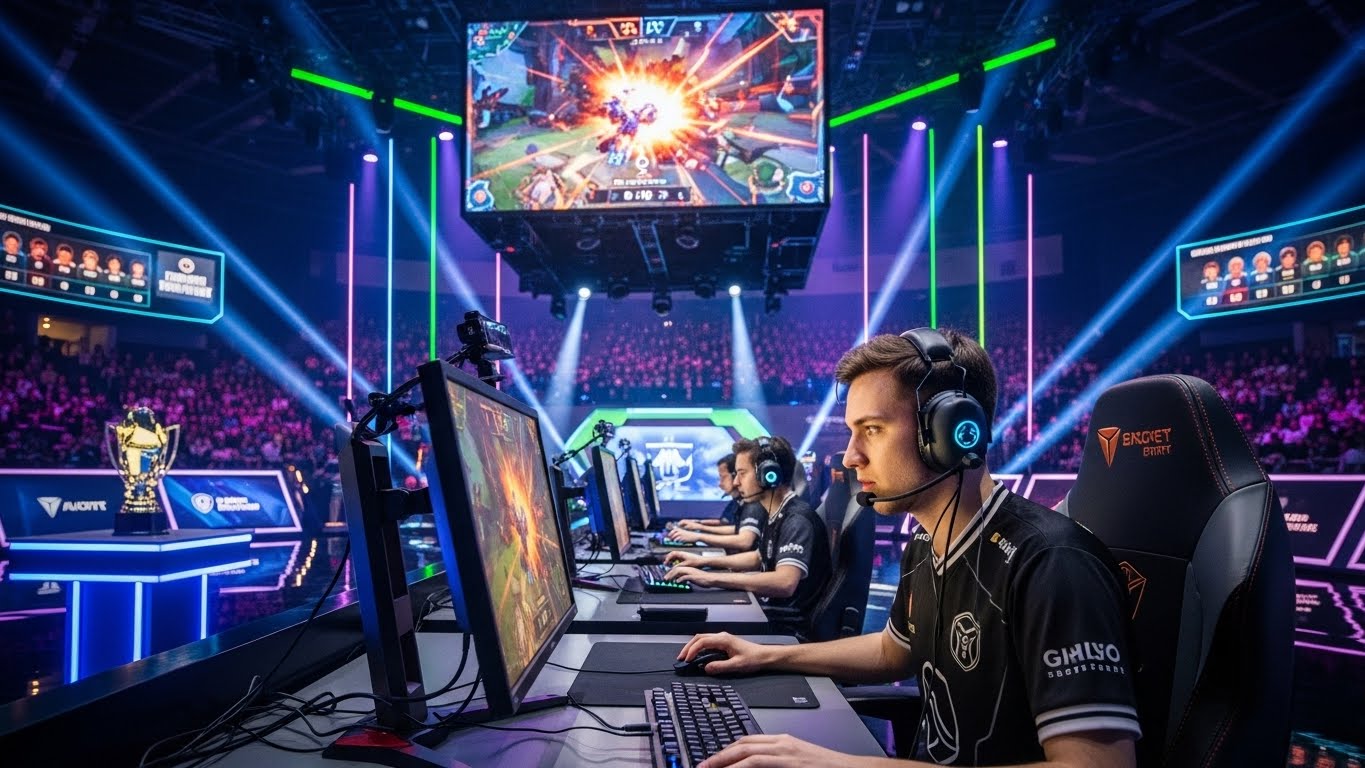
Technology plays a crucial role in the development of esports, both in terms of gameplay and audience experience. The gaming industry itself is a technological marvel, with high-performance computers, gaming consoles, and peripherals designed specifically to enhance gameplay. Esports players rely on cutting-edge equipment, including powerful gaming PCs, specialized controllers, and ultra-fast monitors, to gain every advantage over their competitors.
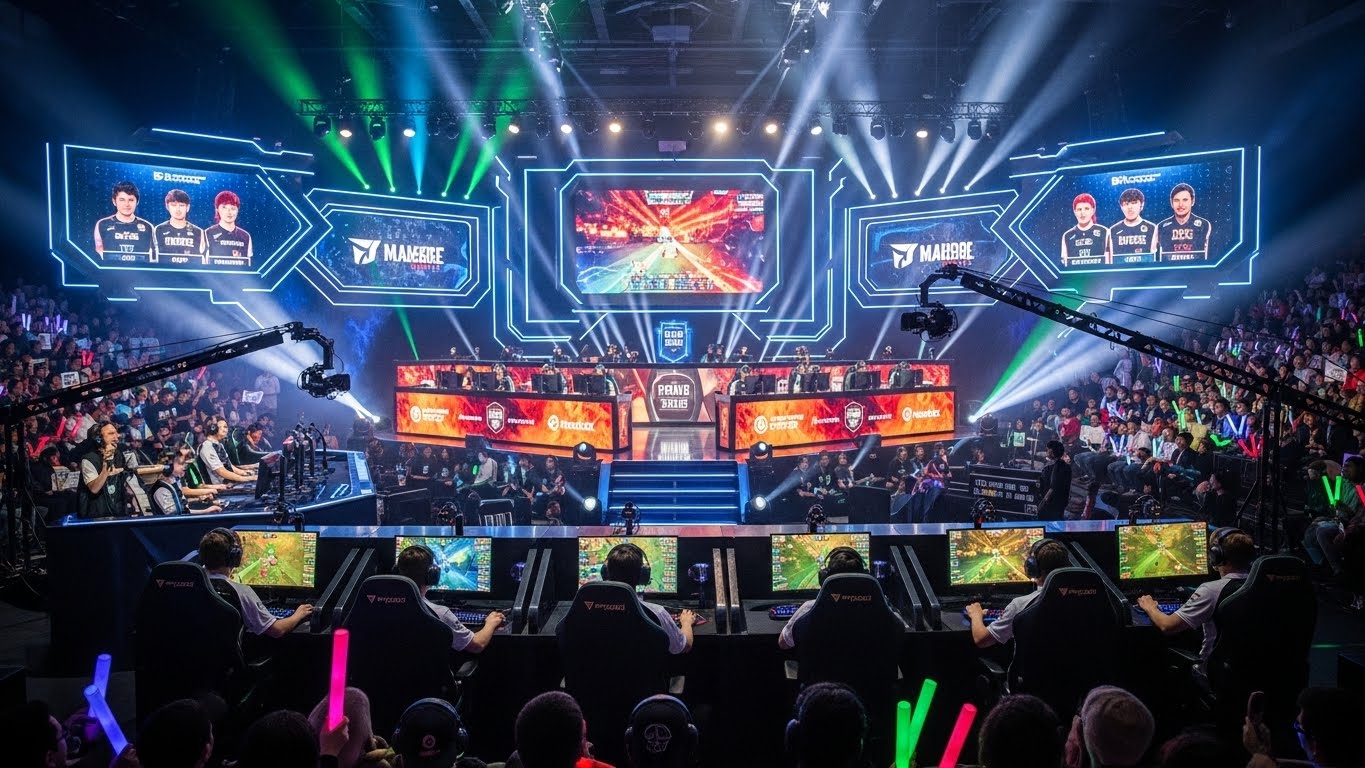
In addition to the gaming hardware, the evolution of software and networking has enabled seamless online competition. Low-latency servers, cloud gaming, and advanced matchmaking systems allow players to connect with minimal lag, providing a smoother experience for both players and viewers. Esports broadcasters also utilize advanced production technology, including multi-camera setups, instant replays, and live commentary, to create a professional and engaging viewing experience for fans.
The integration of virtual reality (VR) and augmented reality (AR) into esports is another exciting development. VR gaming has the potential to revolutionize esports by creating a more immersive experience for both players and fans. Imagine a world where viewers can “step into” a virtual arena and watch a match unfold from any perspective they choose. Although still in its early stages, VR and AR could significantly enhance the esports experience in the future.
Esports as a Career Path: The Rise of the Professional Gamer
For many, esports is no longer just a hobby but a viable career option. Professional gamers can earn substantial salaries through tournament winnings, sponsorships, streaming, and content creation. Top players in games like “League of Legends,” “Dota 2,” and “Fortnite” can earn millions of dollars annually, both from prize pools and lucrative endorsement deals. The high earnings of professional gamers have helped elevate esports into the realm of legitimate sports careers, with young players now seeing gaming as a potential long-term profession.
In addition to players, there are many other career opportunities within the esports ecosystem. Coaches, analysts, broadcasters, and tournament organizers all play critical roles in ensuring the success of esports teams and events. Furthermore, the rise of esports as a form of entertainment has led to job creation in marketing, event management, graphic design, and more. This has created a thriving job market for individuals interested in working within the gaming industry, offering opportunities for those with diverse skill sets beyond just playing the games.
Challenges Facing Esports: Sustainability and Inclusivity
Despite its rapid growth, esports is not without its challenges. One of the primary concerns is the long-term sustainability of the industry. As the esports ecosystem expands, there is increasing pressure to create stable financial models that benefit both players and organizations while ensuring the continued growth of the industry. Ensuring that prize pools and sponsorship deals remain high while balancing the needs of players, teams, and fans will be crucial for the future of esports.
Another challenge facing esports is the need for greater inclusivity. While gaming has traditionally been dominated by young men, the esports community is increasingly recognizing the importance of gender diversity. Female players, coaches, and commentators are making significant strides in professional esports, but there is still work to be done to ensure that women and other underrepresented groups have equal opportunities to succeed.
The Future of Esports: A Mainstream Phenomenon
The future of esports looks incredibly promising. As technology continues to evolve, so too will the experiences offered to both players and fans. Esports will likely continue to grow in terms of both viewership and participation, and we may see even more mainstream integration with traditional sports networks and media outlets. The potential for esports to be included in the Olympics, as well as its growing presence in universities and high schools, signals a shift towards wider acceptance of esports as a legitimate form of competition and entertainment.
Esports has already proven its staying power, and with the continued support of players, sponsors, and fans, it will likely remain a significant cultural force for years to come.