
 proesportszone51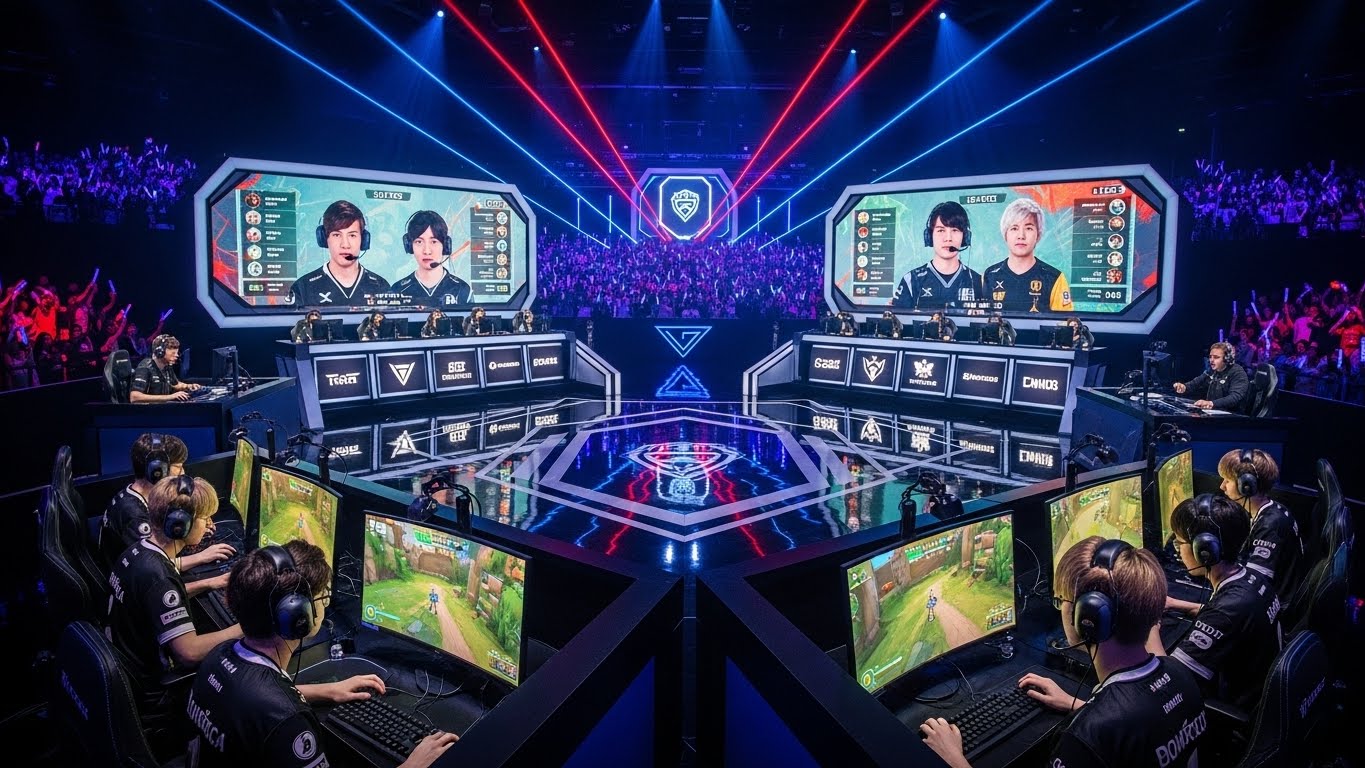
Introduction: Esports as a Global Phenomenon
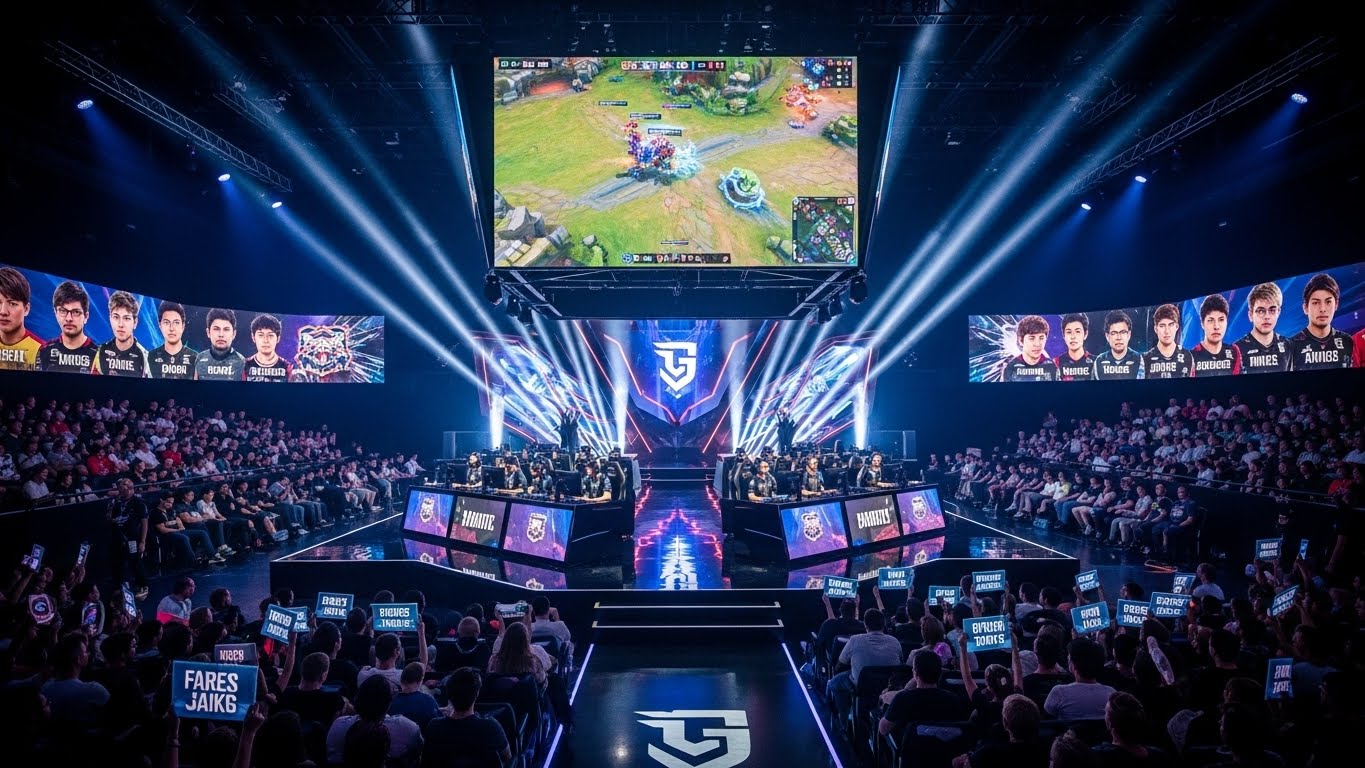
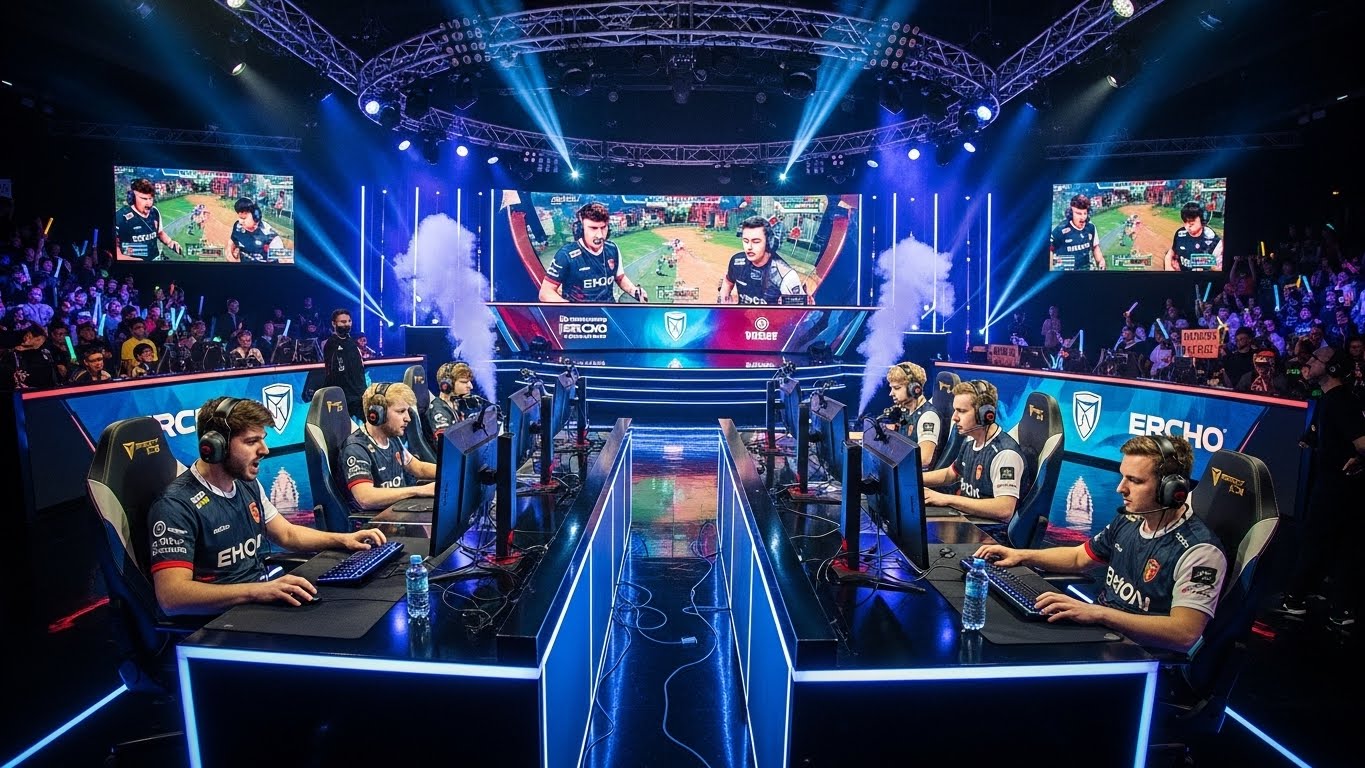
Esports, or competitive video gaming, has transformed from a niche hobby into a worldwide phenomenon that attracts millions of players and fans. What once began as casual gaming competitions in basements and arcades has now evolved into professional leagues with sponsorships, media coverage, and multi-million-dollar prize pools. Today, esports is not only a form of entertainment but also a legitimate career path, a platform for innovation, and a cultural force shaping the way people connect globally. Its rapid growth highlights how technology, culture, and competition intersect to create a new kind of sports ecosystem.
The Evolution of Competitive Gaming
The roots of esports trace back to the early days of arcade and console competitions. Titles like Space Invaders, Pac-Man, and Street Fighter paved the way for organized tournaments, where players could showcase their skills and compete for recognition. With the rise of personal computers and online gaming in the 1990s, games such as StarCraft, Counter-Strike, and Warcraft introduced new forms of strategic competition. Online multiplayer platforms enabled global participation, allowing players from different countries to compete in real-time. Today, esports spans a diverse range of genres including first-person shooters, multiplayer online battle arenas, sports simulations, and battle royale games, each with its own competitive scene and professional leagues.
The Economic Impact of Esports
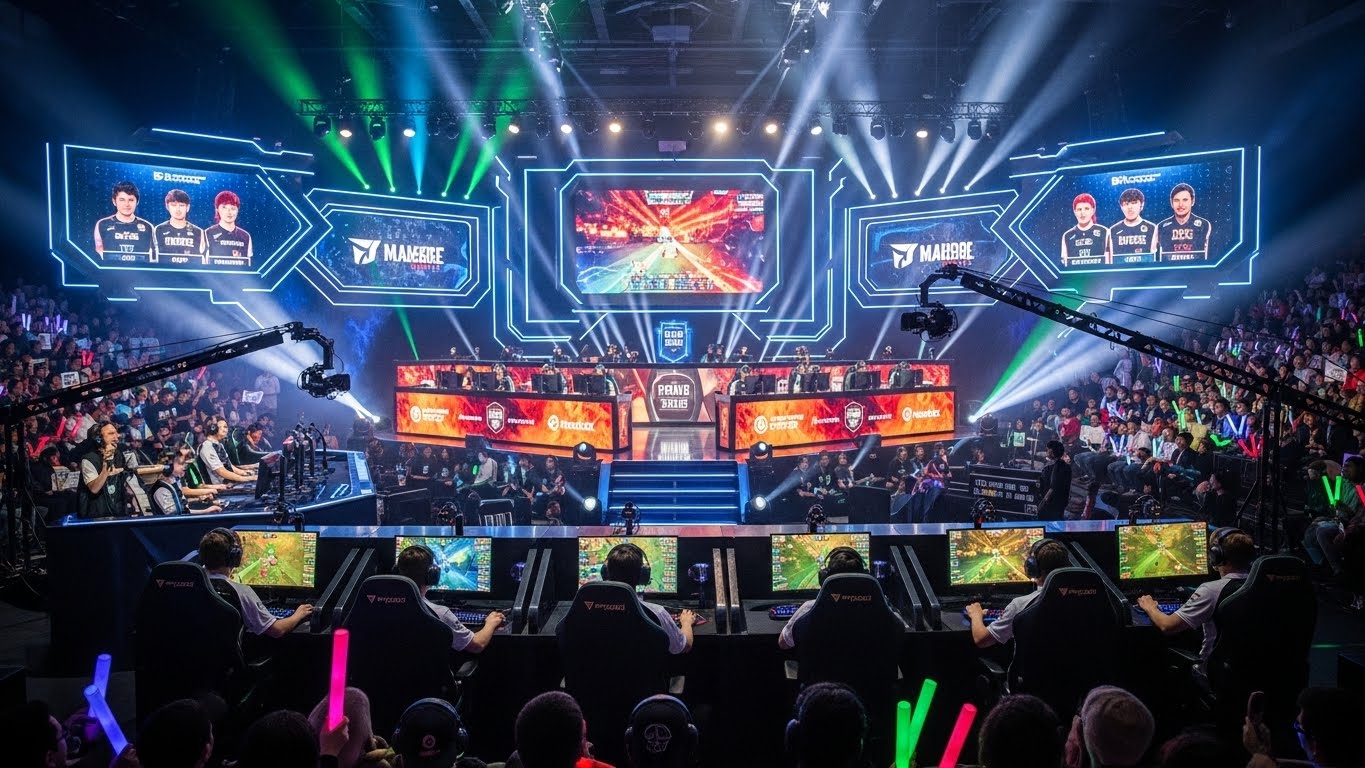
Esports has become a billion-dollar industry, generating revenue from sponsorships, advertising, merchandise, ticket sales, and streaming platforms. Major tournaments attract audiences comparable to traditional sports events, with some global championships drawing tens of millions of viewers. Professional esports organizations have established structured management teams, coaches, analysts, and marketing departments, reflecting the level of professionalism that rivals traditional sports franchises. The economic impact extends beyond the industry itself, boosting related sectors such as technology, media production, event management, and gaming hardware manufacturing.
Esports careers are no longer limited to players alone. Content creators, streamers, commentators, coaches, and event organizers all play crucial roles in the ecosystem. The rise of esports has created a diverse range of opportunities, providing viable career paths for individuals passionate about gaming and digital entertainment.
The Role of Technology in Esports Growth
Technology is at the core of esports’ rapid rise. High-speed internet, advanced gaming hardware, and sophisticated software have enabled competitive gaming to reach a professional level. Streaming platforms allow players to broadcast their gameplay to millions of viewers, creating interactive experiences that connect fans and competitors. Analytics and performance-tracking tools help teams refine strategies, monitor player performance, and optimize training routines. Virtual reality and augmented reality are poised to further revolutionize the industry, offering immersive gameplay experiences and new formats for competition.
In addition, advancements in communication technology have facilitated global tournaments. Players can compete from different continents in real-time, breaking down geographic barriers and enabling international leagues. This technological integration ensures that esports remains accessible, scalable, and highly engaging for participants and audiences alike.
Mental and Cognitive Benefits of Esports
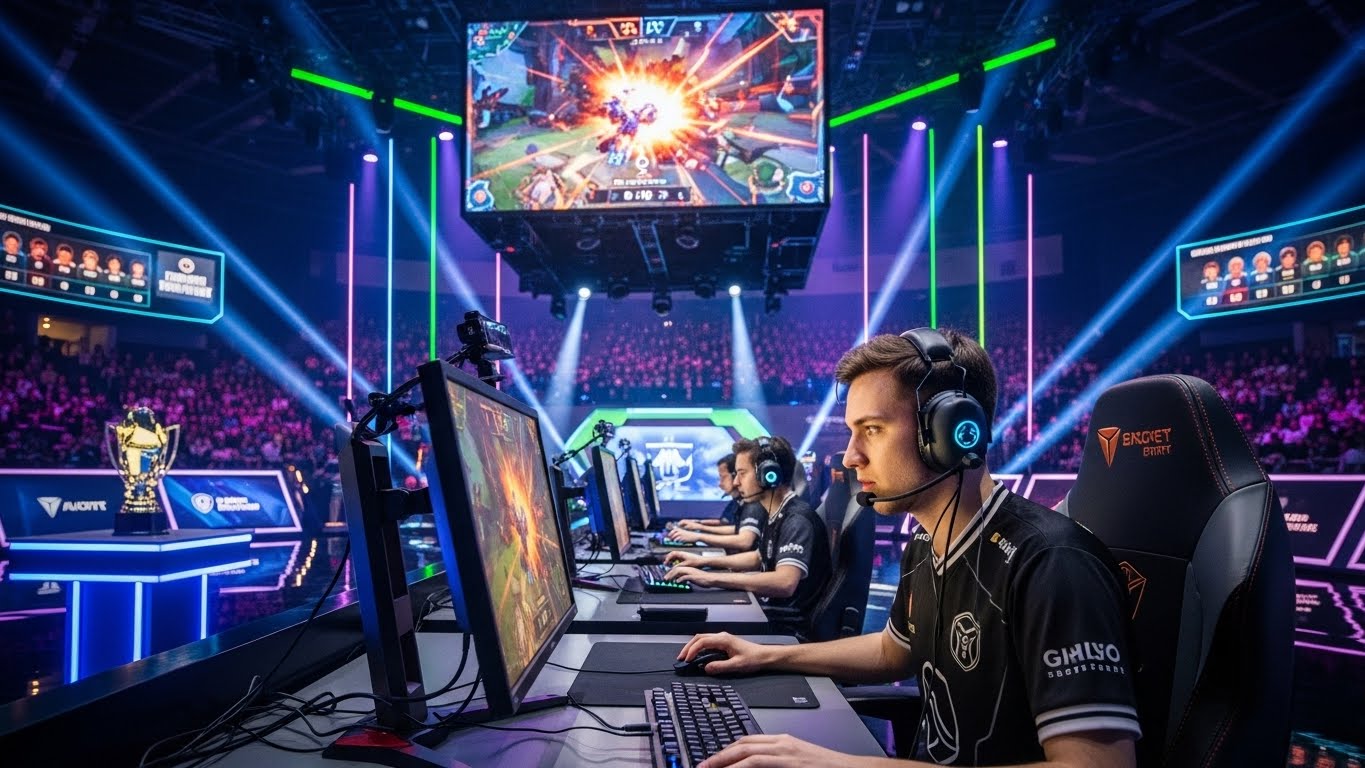
While esports may not require physical exertion in the traditional sense, it demands exceptional mental agility and cognitive skills. Competitive gaming enhances strategic thinking, decision-making under pressure, hand-eye coordination, and multitasking abilities. Players must anticipate opponents’ moves, manage resources, and adapt quickly to changing situations. These skills not only contribute to success in esports but also have applications in other areas such as problem-solving, project management, and critical thinking.
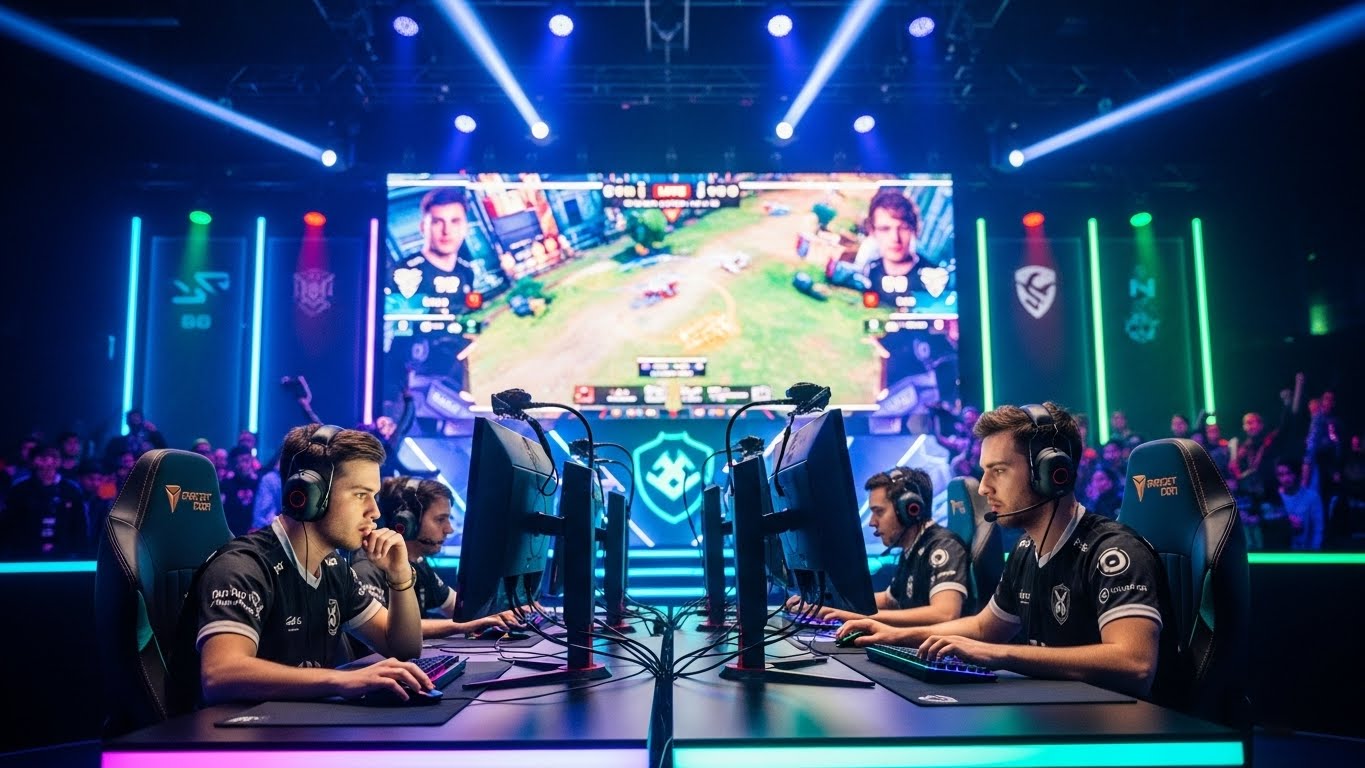
Additionally, esports fosters teamwork and communication in multiplayer games. Players develop interpersonal skills by coordinating strategies, supporting teammates, and navigating social dynamics within teams. Leadership, collaboration, and adaptability are all cultivated in high-level esports environments, making competitive gaming a platform for personal growth and cognitive development.
The Cultural Influence of Esports
Esports has reshaped modern entertainment culture. It has created communities where individuals with shared interests can connect, collaborate, and celebrate achievements. Fans engage with players not only as athletes but also as personalities and influencers, forming relationships through streaming platforms, social media, and fan events. Esports has also influenced fashion, music, and lifestyle trends, as players and teams become cultural icons with global recognition.
Universities and educational institutions have embraced esports by offering scholarships, academic programs, and dedicated facilities. This integration highlights the legitimacy of esports as both an academic and professional pursuit, further embedding it into mainstream culture and inspiring a new generation of gamers to pursue their passions seriously.
Health Considerations in Esports
Despite its many benefits, esports also presents health challenges. Long hours of gameplay, sedentary behavior, and intense mental focus can lead to physical strain, eye fatigue, and stress. Professional esports players often follow strict routines, including physical exercise, ergonomic setups, balanced nutrition, and mental health strategies to maintain peak performance. Organizations and leagues increasingly prioritize player wellness, recognizing that longevity and consistency require both mental and physical care.
Awareness of these health considerations has prompted discussions about sustainable training practices, burnout prevention, and the importance of balancing gaming with other aspects of life. As esports continues to grow, integrating wellness into professional practices remains a crucial aspect of the industry’s future.
The Competitive Landscape
Esports is highly competitive, with structured leagues, tournaments, and ranking systems. Global events like the League of Legends World Championship, Dota 2’s The International, and the Call of Duty League Finals attract massive viewership and offer substantial prize pools. These competitions showcase not only individual skill but also strategic depth, teamwork, and resilience. Each game has its own meta, constantly evolving as strategies and techniques develop, which keeps the competitive environment dynamic and challenging.
The competitiveness of esports has created a culture of professionalism. Players often dedicate years to honing their skills, studying opponents, and participating in rigorous training regimens. This professionalization underscores that esports is more than entertainment; it is a serious domain that demands dedication, strategy, and discipline.
Esports as a Tool for Social Connection
One of the most remarkable aspects of esports is its ability to connect people across cultures and geographies. Online multiplayer games bring players together regardless of language, nationality, or background. Communities form around games, creating bonds through shared interests and collaborative experiences. Esports also promotes inclusivity, providing opportunities for individuals who may not participate in traditional sports due to physical limitations, geographic constraints, or social barriers.
The social aspect of esports extends to fans as well. Viewers interact through chat, forums, and social media, sharing insights, celebrating victories, and analyzing gameplay. This sense of community transforms esports from a solitary activity into a collective experience, fostering friendships and connections that often extend beyond the digital realm.
Future Prospects of Esports
The future of esports looks promising and continues to expand rapidly. Emerging technologies, growing investment, and increasing mainstream acceptance suggest that esports will continue to gain prominence in entertainment and professional sports landscapes. Virtual reality, artificial intelligence, and innovative game design will shape new competitive formats, while global tournaments and collegiate programs will cultivate talent on an unprecedented scale. As the industry matures, esports will likely achieve greater recognition as a legitimate sport, with professional standards, ethical guidelines, and infrastructure comparable to traditional athletics.
Moreover, esports has the potential to influence broader societal trends. Educational programs, career pathways, and community initiatives centered around esports can inspire innovation, digital literacy, and social engagement, further solidifying its role as a transformative force in modern culture.
Conclusion: Esports as a Modern Competitive Arena
Esports is more than a pastime; it is a dynamic, evolving arena where competition, technology, and culture intersect. It provides economic opportunities, mental and cognitive benefits, social connectivity, and cultural influence, making it a multifaceted phenomenon. The growth of esports demonstrates that competition and achievement are not confined to physical sports alone but can thrive in digital spaces, creating global communities and inspiring new forms of excellence.
As esports continues to evolve, it will reshape perceptions of competition, entertainment, and career possibilities. The journey from casual gaming to professional leagues illustrates the power of passion, innovation, and dedication. Esports has proven that the spirit of competition transcends platforms, bringing together millions of players and fans worldwide. In the digital age, esports represents not only the future of competitive gaming but also a new frontier for connection, creativity, and human achievement.