
 proesportszone51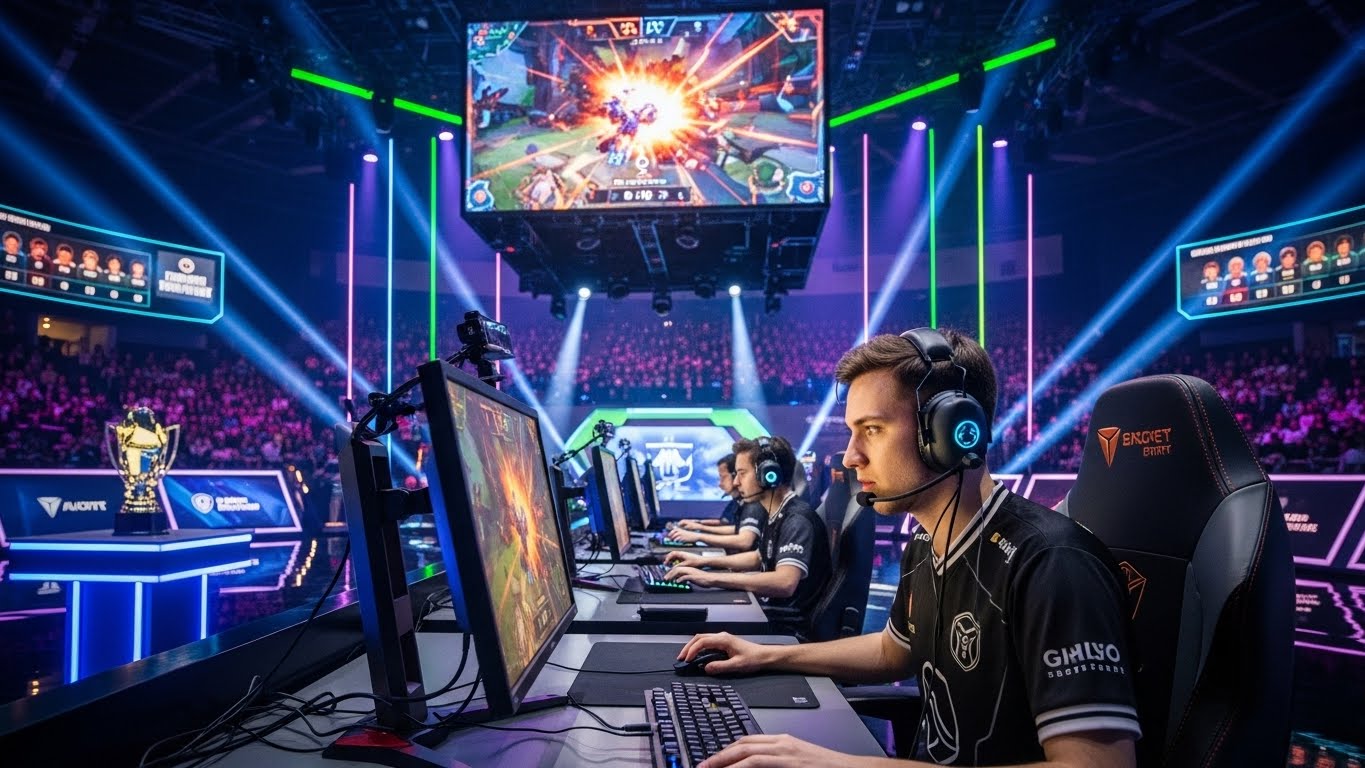
Introduction: A New Era of Competition
In recent years, the world of competitive entertainment has undergone a profound transformation. Traditional sports have long dominated the global stage, but a new contender has emerged—esports. Short for electronic sports, esports refers to competitive video gaming where professional players and teams compete in organized tournaments across various games. What was once considered a niche hobby has evolved into a multi-billion-dollar industry, attracting millions of fans worldwide. Today, esports is more than just gaming; it represents a cultural phenomenon, a career opportunity, and a testament to the evolution of digital competition.
The Evolution of Esports
Esports has a relatively short but fascinating history. Its roots trace back to the late 1970s and 1980s when arcade gaming competitions started to appear. Events like the Space Invaders Championship in 1980 attracted thousands of participants and set the stage for competitive gaming. The 1990s witnessed the rise of PC gaming with titles such as StarCraft and Quake, which became staples for early esports tournaments. Multiplayer online games like Counter-Strike and Warcraft III in the early 2000s further cemented the appeal of competitive gaming.
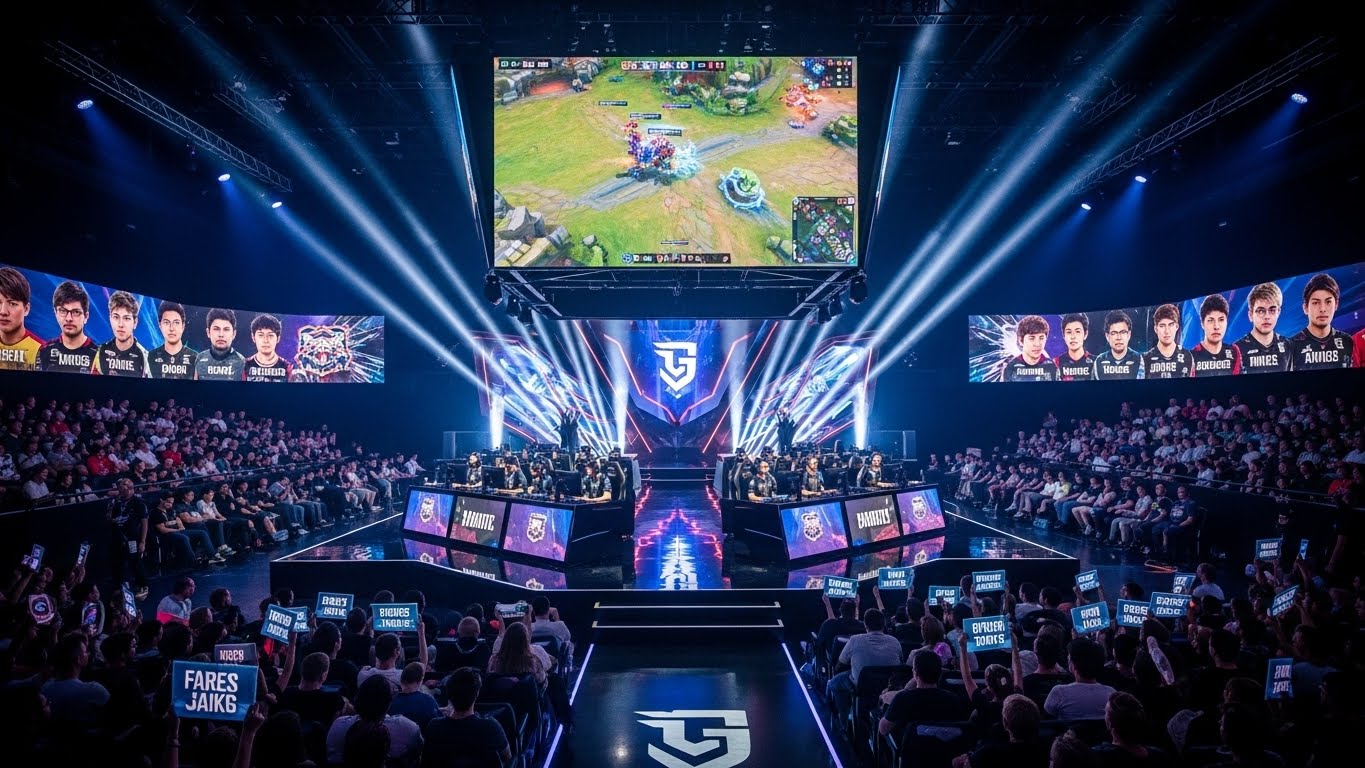
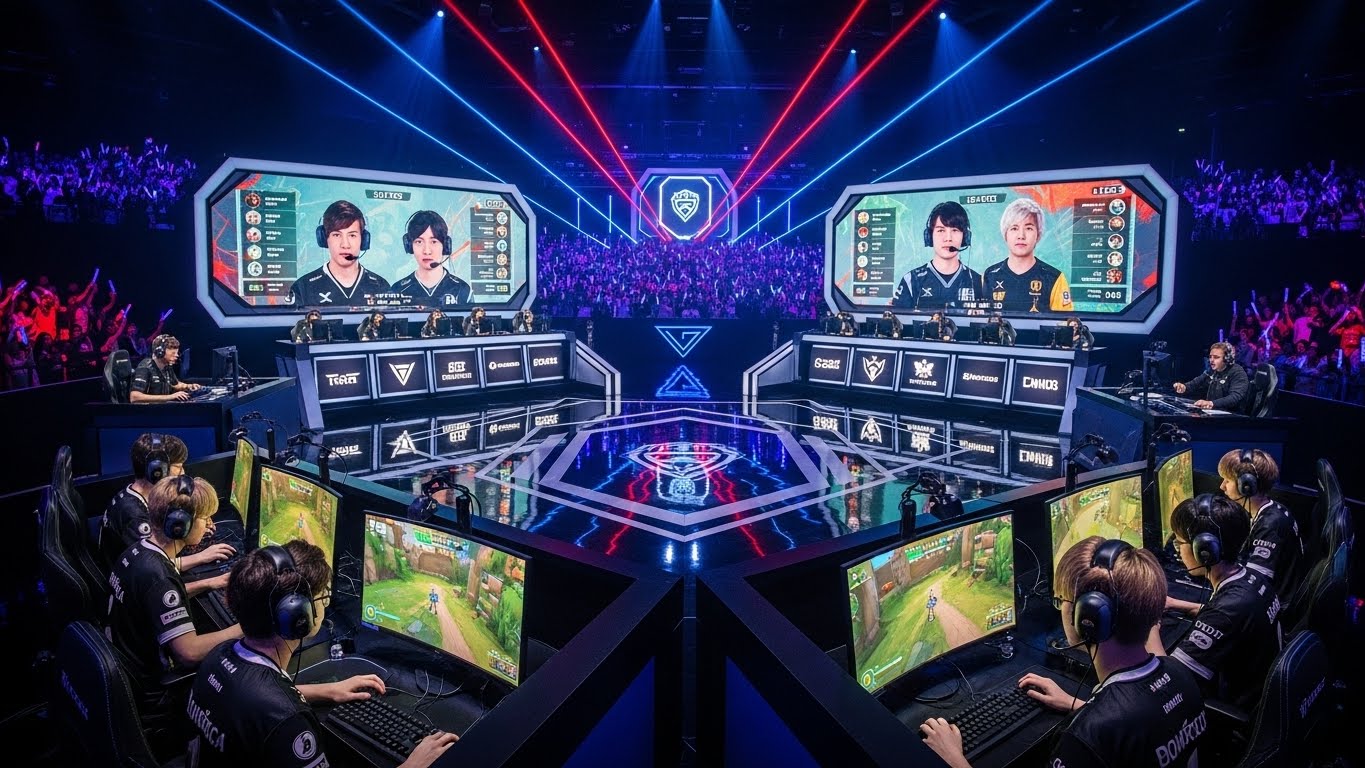
The real turning point, however, came with the advent of high-speed internet and live streaming platforms. Gamers could now compete globally in real time, and fans could watch matches online, turning esports into a spectator sport. Today, major tournaments fill arenas and stadiums, drawing audiences comparable to traditional sports events.
Popular Esports Genres and Games
Esports spans multiple genres, each attracting different types of players and fans. Multiplayer Online Battle Arenas, commonly known as MOBAs, are among the most popular. Games like League of Legends and Dota 2 involve teams battling in strategic arenas, requiring coordination, quick thinking, and precise execution. First-Person Shooters (FPS) like Counter-Strike: Global Offensive, Call of Duty, and Valorant emphasize reflexes, accuracy, and teamwork. Battle Royale games such as Fortnite and Apex Legends introduce a survival-based competitive experience where players fight to be the last one standing.
Additionally, sports simulation games like FIFA and NBA 2K have created a digital version of traditional sports competitions. Racing games like Gran Turismo and esports adaptations of card games like Hearthstone have also developed loyal communities. The diversity of games ensures that esports appeals to a wide range of audiences and skill sets.
Esports as a Career
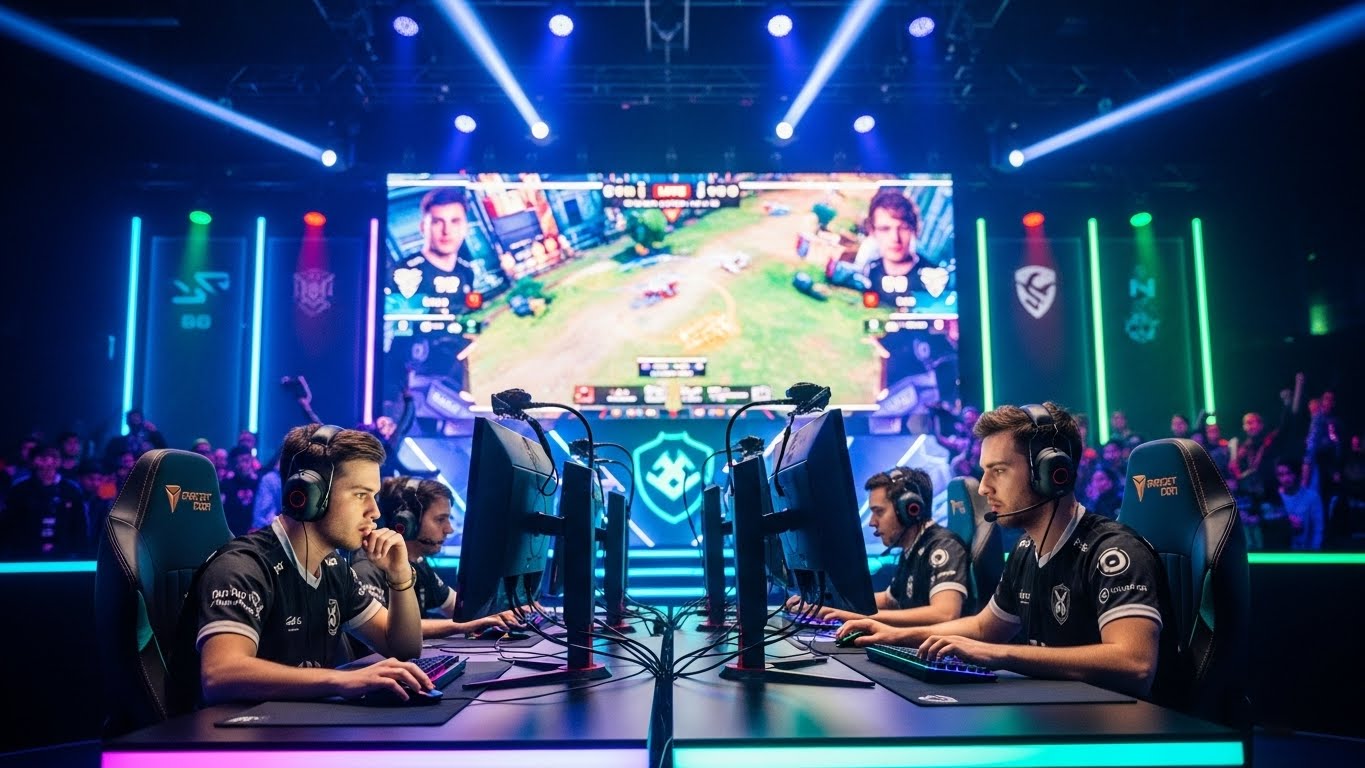
For many, esports is more than a hobby; it is a viable career path. Professional gamers earn income through tournament winnings, sponsorships, team salaries, and streaming platforms. Top players can make millions annually, similar to elite athletes in traditional sports. Coaches, analysts, and content creators also play a crucial role in the ecosystem, offering strategic insights, training, and entertainment for fans.
The rise of esports academies and structured training programs has helped nurture young talent. Players can now receive professional guidance on strategy, communication, and mental conditioning. Universities in some countries even offer esports scholarships, treating competitive gaming with the same seriousness as athletics. The professionalization of esports is a testament to its legitimacy and enduring appeal.
The Role of Streaming and Media
Streaming platforms have been instrumental in the meteoric rise of esports. Services such as Twitch, YouTube Gaming, and other live streaming platforms allow fans to watch their favorite players and tournaments in real time. Unlike traditional sports, where viewers are often limited to broadcasts on television networks, esports provides a more interactive and engaging experience. Fans can chat with commentators, interact with players, and even influence content through live polls.
Media coverage has also expanded beyond streaming. Dedicated esports news websites, magazines, and podcasts provide in-depth analyses, interviews, and event coverage. The integration of esports into mainstream media has further increased its visibility, drawing attention from non-gaming audiences and sponsors.
Global Reach and Cultural Impact
Esports has a truly global presence. Countries such as South Korea, China, and the United States lead the industry in terms of viewership, professional teams, and tournament infrastructure. South Korea, in particular, is often regarded as the birthplace of modern esports culture, with professional gaming being a respected and lucrative career choice. In China, esports has gained recognition as an official sport, with government-backed leagues and initiatives to promote competitive gaming among youth.
The cultural impact of esports extends beyond gaming. It has influenced fashion, music, and entertainment. Popular players are celebrated as celebrities, often collaborating with brands, musicians, and influencers. Esports has also shaped online communities, creating spaces where fans can socialize, share strategies, and celebrate their favorite teams. This integration into everyday life highlights esports as not just a sport, but a cultural phenomenon.
Esports Tournaments and Events
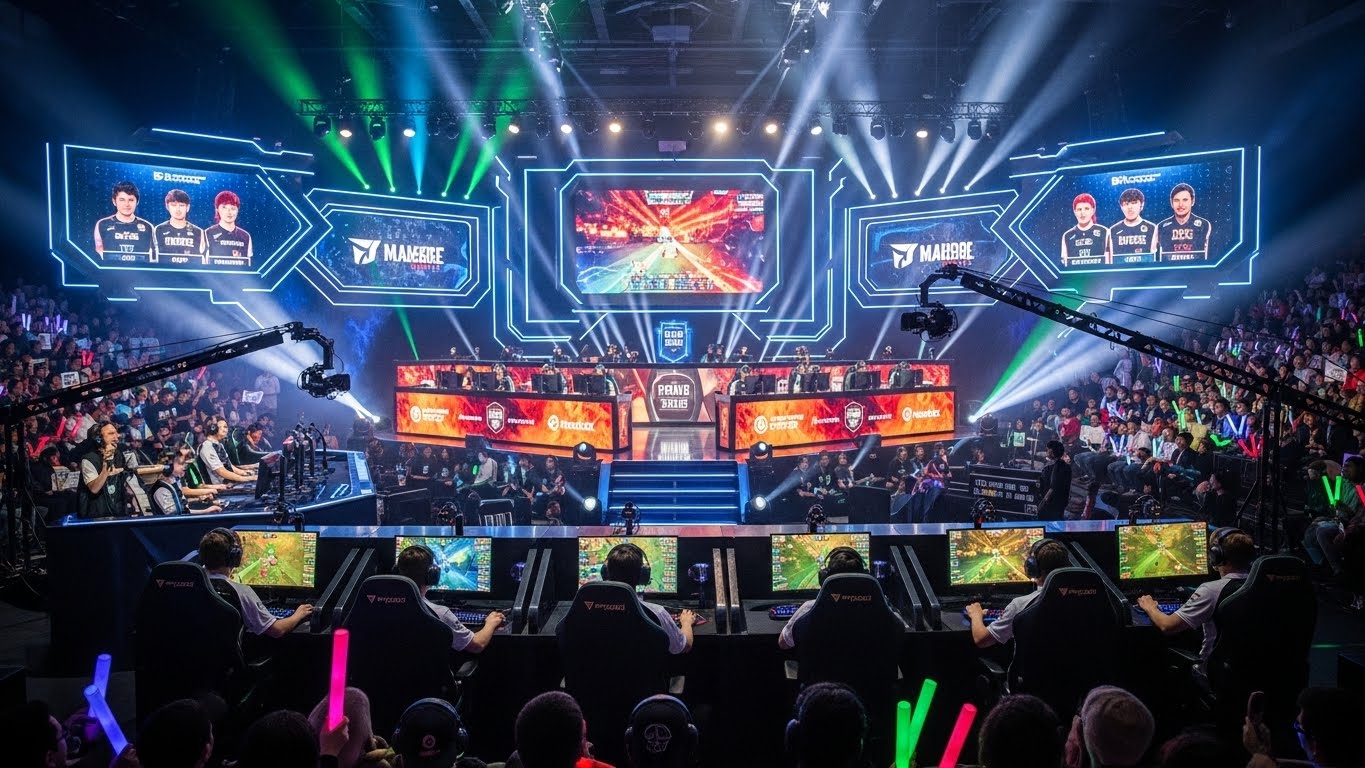
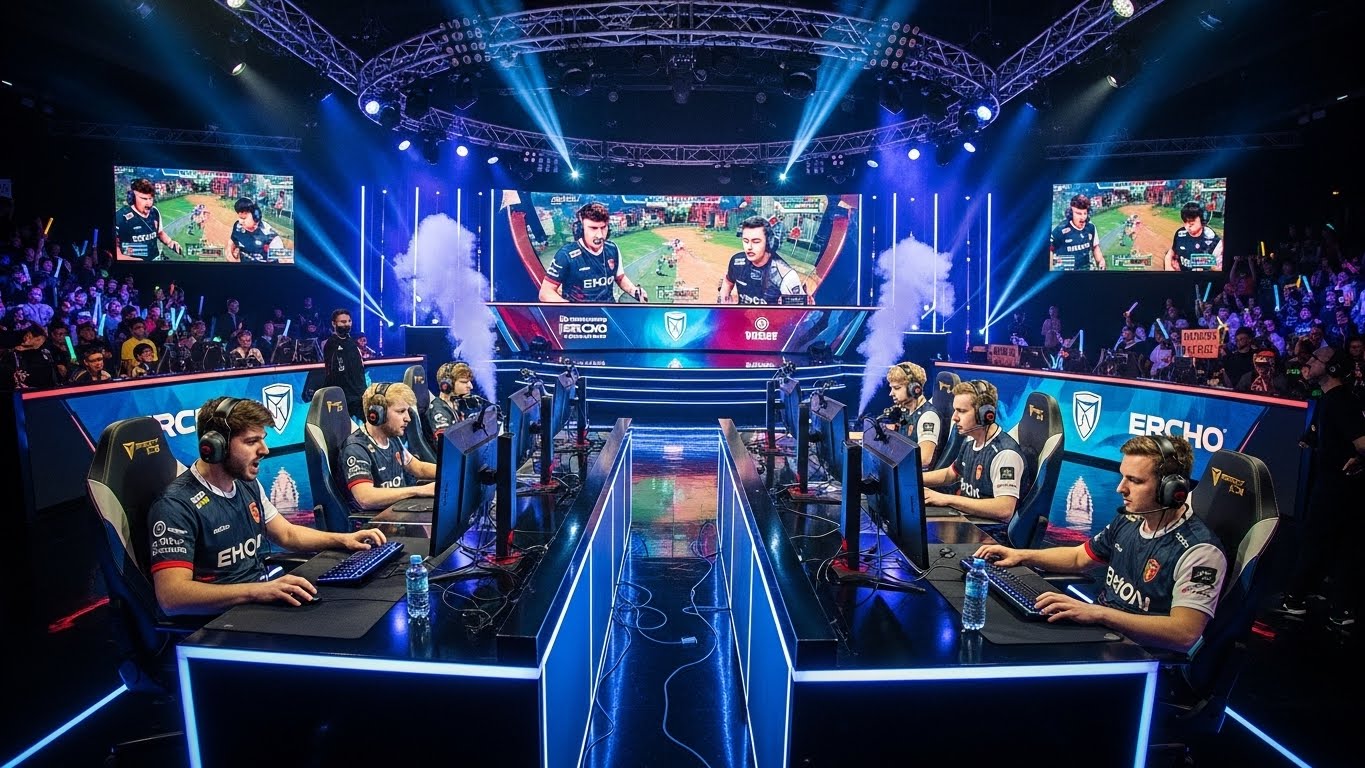
One of the most exciting aspects of esports is its tournaments. Events such as The International for Dota 2, the League of Legends World Championship, and the Fortnite World Cup are highly anticipated, drawing massive audiences both online and offline. Prize pools for these tournaments often reach millions of dollars, incentivizing players to compete at the highest level.
Local and regional tournaments provide a pathway for emerging talent to gain recognition. Esports events are meticulously organized, with professional production, commentary, and fan engagement, making them comparable to traditional sports events in scale and spectacle.
Challenges Facing the Industry
Despite its growth, esports faces several challenges. Player burnout and mental health issues are significant concerns due to the intense training schedules and competitive pressure. Unlike traditional sports, esports athletes often start their careers at a young age, which can lead to physical and psychological strain.
Another challenge is regulation and standardization. The esports industry is fragmented, with different games, leagues, and tournaments operating independently. This lack of uniform rules and governance can create inconsistencies and confusion for players and fans alike. Additionally, concerns about cheating, match-fixing, and sponsorship ethics occasionally mar the industry’s reputation.
The Future of Esports
The future of esports is both promising and transformative. Technological advancements such as virtual reality, augmented reality, and cloud gaming are poised to reshape the way competitive gaming is experienced. Imagine spectators immersing themselves in a virtual arena, experiencing matches as if they were inside the game itself.
Esports is also likely to continue its integration into mainstream sports culture. Collaboration with traditional sports leagues, televised coverage, and global sponsorships will enhance its legitimacy. As esports becomes more accessible through mobile gaming and online platforms, its audience will expand even further, creating a diverse and inclusive community of players and fans.
Conclusion: Beyond the Game
Esports represents more than competition; it embodies the evolution of entertainment, technology, and culture. What began as a pastime for gaming enthusiasts has grown into a global phenomenon with professional athletes, massive audiences, and significant economic impact. As the industry continues to expand, it offers opportunities for players, content creators, and fans to engage in ways previously unimaginable.
The rise of esports challenges traditional notions of sports, entertainment, and community, proving that competition can thrive in digital arenas just as passionately as it does on physical fields. The story of esports is still unfolding, and with each tournament, innovation, and fan, it continues to redefine what it means to play, compete, and connect in the modern world.