
 proesportszone51
Introduction: The Birth of a Digital Phenomenon
In the last two decades, a cultural revolution has unfolded in the world of entertainment and competition. This revolution does not take place in football stadiums, basketball courts, or traditional arenas—it thrives in the digital realms of online games, computer screens, and virtual battlefields. Esports, or electronic sports, has transformed from a niche hobby into a billion-dollar industry that attracts millions of fans, sponsors, and professional athletes across the globe.
What once began as friendly LAN parties among friends has evolved into an organized, highly competitive, and globally recognized sporting ecosystem. Esports now commands massive audiences, professional teams, sponsorships, tournaments, and even mainstream media coverage. Its rise reflects not only the power of technology but also the changing ways humans engage with play, competition, and community.
The Origins of Esports: Humble Beginnings
To understand the phenomenon of Esports, one must trace its roots to the early days of gaming. In the 1970s and 1980s, video games were still in their infancy. Arcades were filled with machines like Space Invaders, Pac-Man, and Donkey Kong. Competition existed, but it was casual, often limited to local high-score boards. Players challenged each other to see who could last the longest or achieve the most points before running out of quarters.
The first known competitive gaming event took place in 1972 at Stanford University, where students competed in Spacewar! for a year’s subscription to Rolling Stone magazine. Though modest, it marked the beginning of organized gaming competition. In the 1980s, arcade tournaments became more common, and magazines began publishing national leaderboards. Players started to gain recognition, paving the way for professional competition in the years to come.
The 1990s: The Foundation of Organized Competitive Gaming
The 1990s were the turning point for gaming and technology. Personal computers became more accessible, consoles grew more powerful, and the internet was beginning to connect people around the world. This period witnessed the birth of competitive gaming as we know it today.
Games like Doom, Quake, and StarCraft pioneered the concept of multiplayer gaming through LAN parties and early online connections. Players could finally test their skills against others across cities and even countries. The excitement of these competitions led to the creation of organized tournaments such as the Cyberathlete Professional League (CPL) and QuakeCon.
In South Korea, a country that would later become synonymous with Esports, StarCraft became a national obsession. Professional players were treated like celebrities, and televised matches drew millions of viewers. This South Korean model of Esports professionalism—complete with team houses, training schedules, and dedicated leagues—would become the blueprint for the rest of the world.
The 2000s: Esports Goes Global
As the new millennium dawned, Esports exploded in popularity. The advent of broadband internet made online multiplayer gaming faster and more accessible. Games like Counter-Strike, Warcraft III, Halo, and Call of Duty became competitive staples. Online leagues and tournaments began to appear, offering significant cash prizes.
Platforms such as World Cyber Games (WCG) and Electronic Sports World Cup (ESWC) hosted global tournaments where the best players from different countries competed for glory. These events laid the groundwork for international Esports culture.
During this decade, streaming and digital broadcasting also began to shape the future of Esports. While YouTube was only beginning to take off, early platforms allowed players to share their matches, tutorials, and highlights. This made gaming more accessible to casual viewers and inspired a new generation of players to pursue competitive gaming.
The Streaming Revolution and the Rise of New Heroes
If the 2000s built the foundation, the 2010s catapulted Esports into the mainstream. The introduction of live-streaming platforms like Twitch revolutionized the way audiences consumed gaming content. For the first time, millions could watch live matches, interact with players in real time, and follow tournaments from the comfort of their homes.
Games like League of Legends, Dota 2, and Counter-Strike: Global Offensive became central pillars of the Esports ecosystem. Massive tournaments such as The International and League of Legends World Championship began offering prize pools worth millions of dollars. Esports events started filling arenas and stadiums once reserved for traditional sports.
A new generation of professional gamers rose to fame, not just as competitors but as entertainers. Streamers and content creators became celebrities, commanding audiences larger than those of traditional sports stars. The line between Esports athletes and influencers blurred, leading to the emergence of personal brands and fan communities centered around individual players.
The Business of Esports: A Billion-Dollar Industry
Today, Esports is far more than just gaming—it’s an industry with its own economy, infrastructure, and career paths. Major corporations, technology giants, and even sports organizations have invested heavily in Esports. Sponsorships, advertising, media rights, and merchandise form the financial backbone of the industry.
Top-tier teams like Fnatic, Team Liquid, and T1 operate like professional sports franchises, complete with management staff, coaches, analysts, and training facilities. These organizations recruit the best talent from around the world and provide them with resources to train and perform at their peak.
Prize pools have skyrocketed as well. For instance, Dota 2’s The International tournaments have surpassed tens of millions of dollars in rewards. Esports organizations now negotiate sponsorships with brands ranging from energy drinks to automobile manufacturers, making the scene both lucrative and sustainable.
Esports and Traditional Sports: Convergence and Competition
As Esports has grown, comparisons to traditional sports have become inevitable. Both involve teamwork, strategy, training, and high-level competition. However, there are key differences that make Esports unique.
Unlike traditional sports, Esports is not limited by physical geography or body type. Anyone with access to a computer or console can compete, regardless of age or physical condition. Esports also evolves faster—game updates, patches, and new titles constantly reshape the competitive landscape.
Interestingly, many traditional sports organizations have entered the Esports world. Major football clubs have launched their own Esports divisions, and well-known athletes have invested in gaming teams. This crossover signifies a growing respect and recognition for Esports as a legitimate form of competition and entertainment.
The Cultural Impact of Esports
Esports is not merely a pastime; it has become a cultural force that influences fashion, music, entertainment, and social interaction. Esports players are now influencers who shape trends and inspire millions of young people.
Gaming tournaments are major cultural events, featuring music performances, celebrity appearances, and immersive fan experiences. The aesthetics of gaming—its colors, sounds, and digital artistry—have influenced everything from apparel design to mainstream media.
Esports also plays a crucial role in shaping digital communities. Fans gather online to discuss strategies, share fan art, and celebrate their favorite players. The sense of belonging and shared enthusiasm creates a powerful global culture that transcends borders and languages.
The Psychological and Social Dimensions
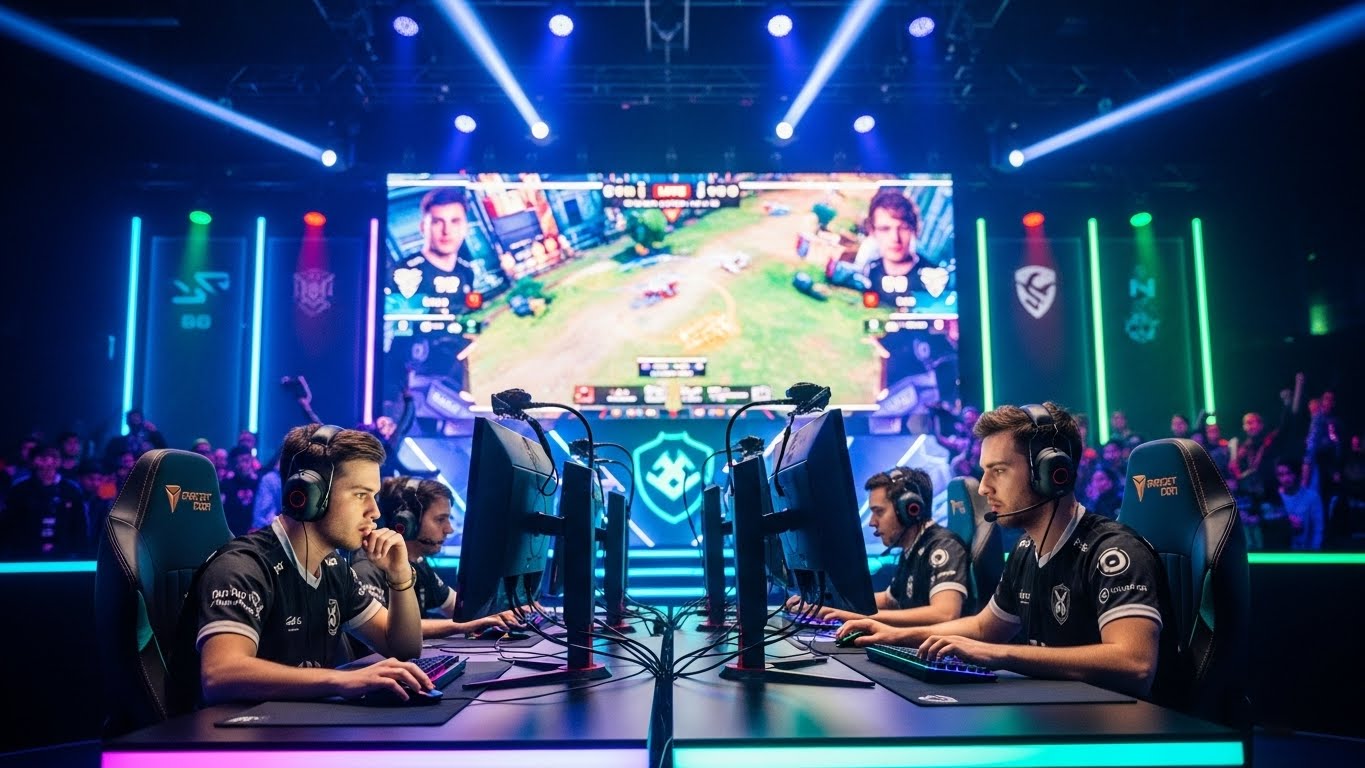
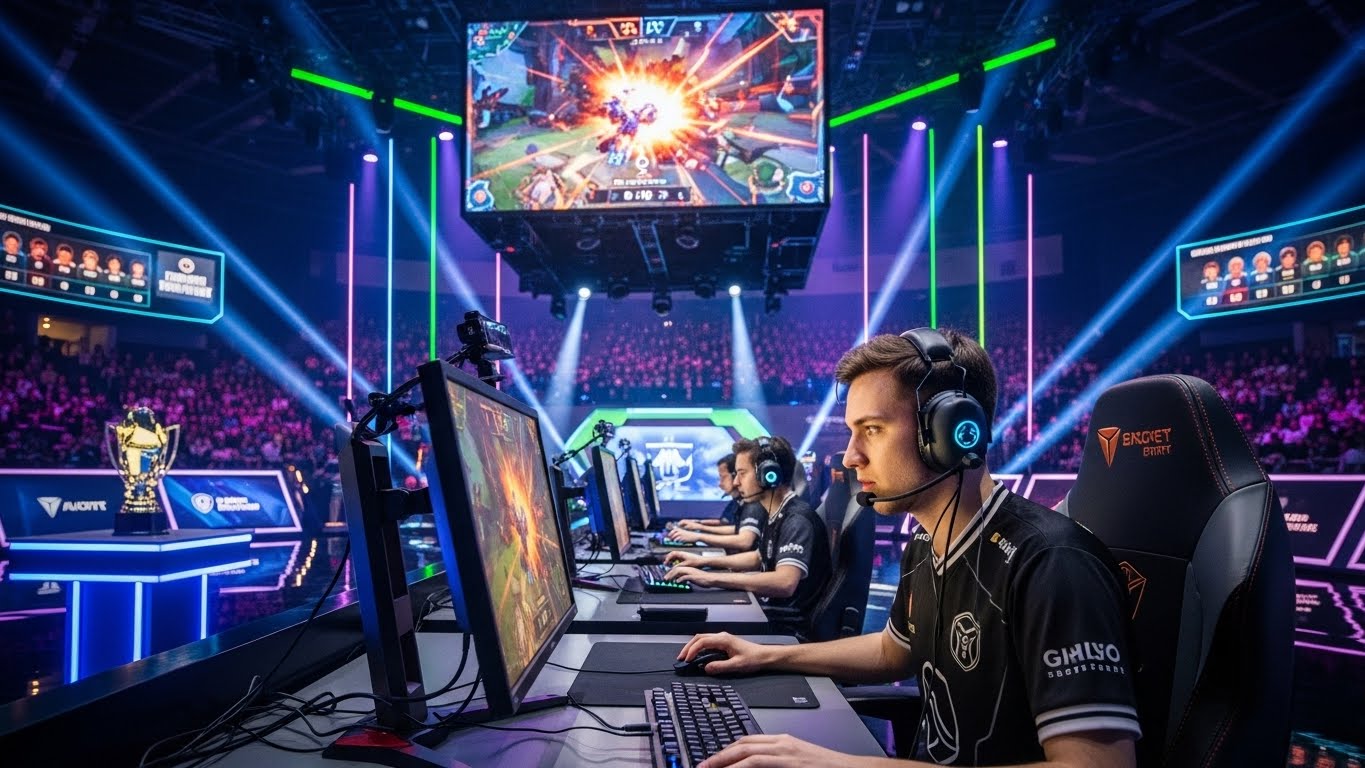
Behind the glamour of Esports lies a deep psychological and social dimension. Competitive gaming requires intense concentration, coordination, and mental endurance. Top players train for hours daily, studying opponents, refining reflexes, and mastering strategies.
However, this intensity also brings challenges. Burnout, stress, and performance anxiety are common among professional players. The short career span of Esports athletes—often peaking in their early twenties—adds to the pressure. To address this, many teams now employ sports psychologists and wellness coaches to support mental health.
On the social side, Esports has created opportunities for connection and inclusion. Many individuals who once felt isolated or marginalized have found community and purpose through gaming. Esports promotes teamwork, communication, and global friendship in a digital age often criticized for isolation.
Esports in Education and Career Development
An emerging trend is the integration of Esports into education. Schools and universities around the world now offer Esports scholarships, training programs, and even degrees in gaming management, marketing, and production. This legitimizes Esports as a viable career path beyond just playing.
Students learn valuable skills such as teamwork, critical thinking, leadership, and digital literacy through organized Esports programs. Beyond professional gaming, careers in broadcasting, event management, software development, and content creation have opened new possibilities for young enthusiasts.
Diversity and Inclusion in Esports
While Esports has made remarkable progress, diversity remains an ongoing challenge. Historically dominated by men, the industry has faced criticism for gender imbalance and lack of representation. However, efforts to promote inclusivity are gaining momentum.
Women-only tournaments, diversity-driven organizations, and initiatives encouraging female participation are helping to reshape the landscape. Similarly, accessibility features in gaming hardware and software have made competitive play possible for individuals with disabilities. Esports has the potential to become the most inclusive form of competition on the planet if these efforts continue.
Technology and Innovation Driving the Future
The evolution of Esports is tightly linked to technological innovation. Advancements in gaming hardware, software, and network infrastructure have continuously expanded the limits of what’s possible.
Virtual Reality (VR) and Augmented Reality (AR) promise to bring even more immersive Esports experiences. Cloud gaming allows players to compete without expensive equipment, making participation more accessible. Artificial Intelligence is being used to analyze gameplay, develop strategies, and even simulate opponents for training.
As 5G and faster internet connections spread worldwide, latency issues that once hindered online competition are fading away. The future of Esports will likely merge gaming, technology, and real-world experiences in ways we can barely imagine today.
Esports as a Global Spectacle
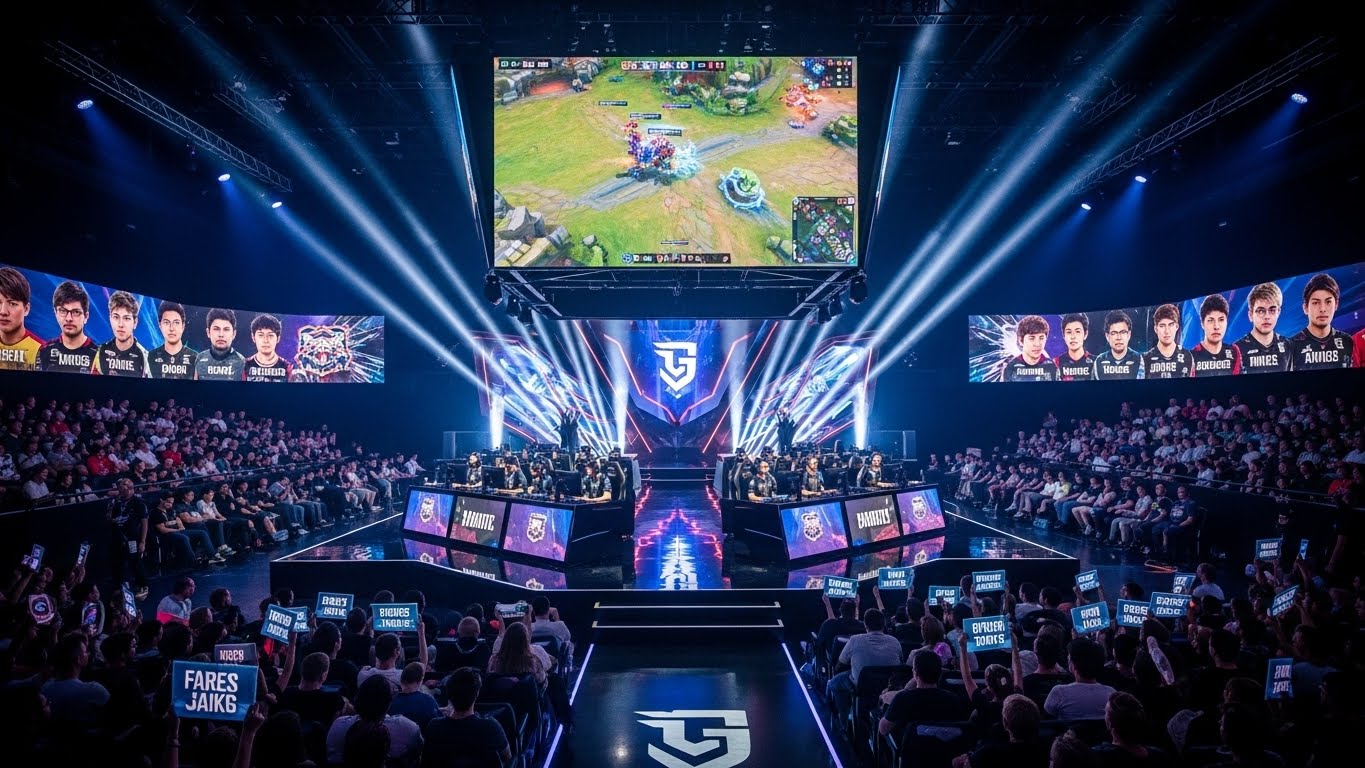
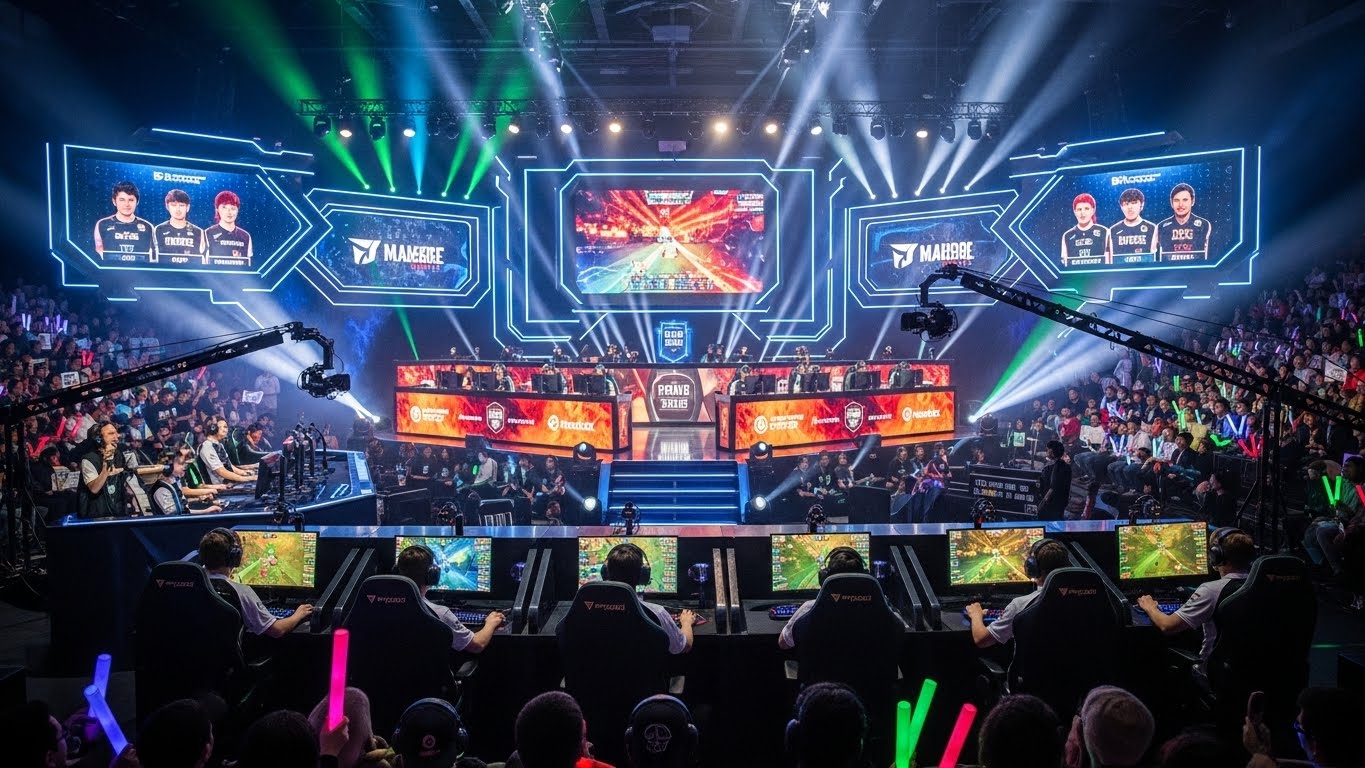
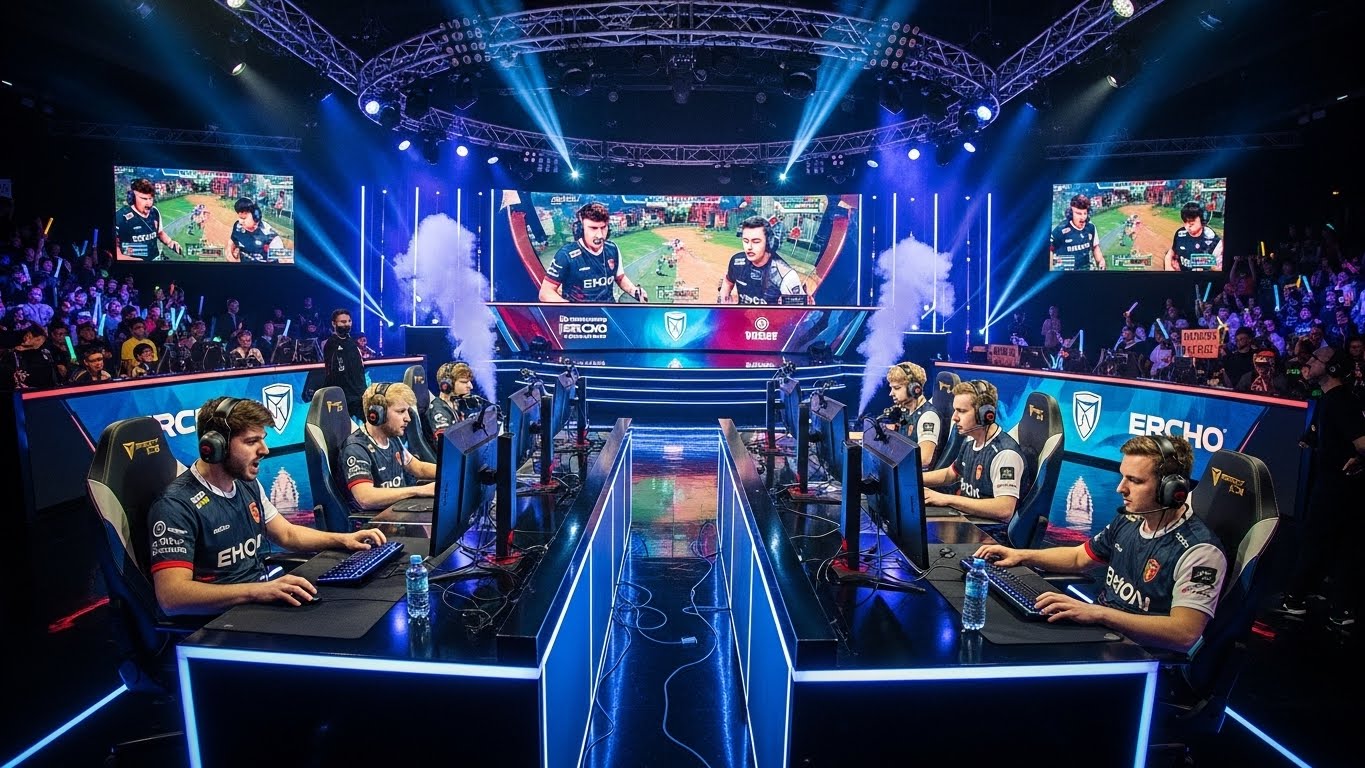
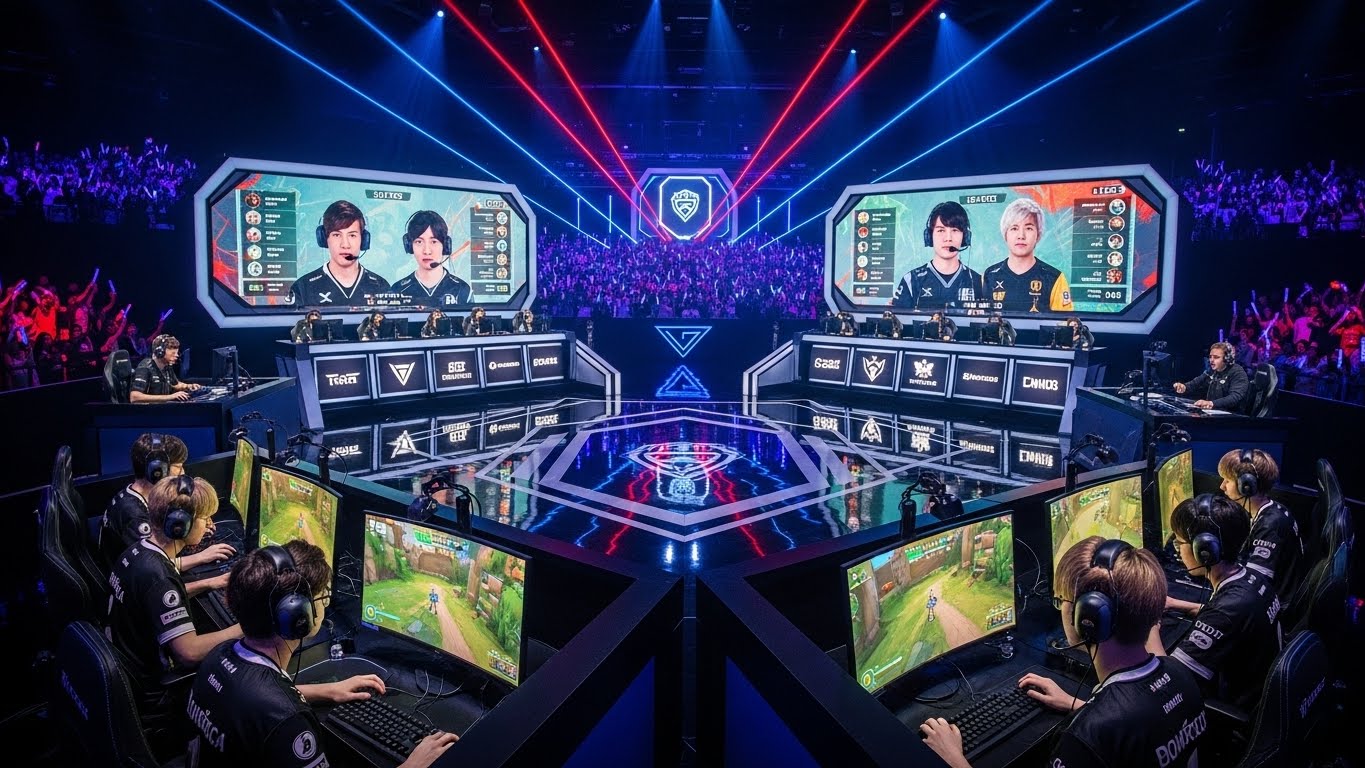
Today, Esports tournaments draw millions of viewers—both online and in-person. Events like The International, Fortnite World Cup, and League of Legends Worlds fill stadiums with fans waving banners and cheering for their favorite teams. The production quality rivals that of major sports broadcasts, complete with commentators, analysts, and cinematic camera work.
What makes Esports unique is its digital-native audience. Unlike traditional sports, which rely heavily on television, Esports thrives online. Fans watch live streams, engage on social media, and contribute to discussions in real time. This interactivity creates a sense of community and shared emotion that is hard to replicate elsewhere.
The Challenges Ahead
Despite its rapid growth, Esports faces challenges that will shape its future. Regulation is one such issue. Because games are privately owned by companies, the rules and ecosystems can change suddenly. Establishing consistent standards for tournaments, player contracts, and integrity remains a work in progress.
Player well-being is another concern. The intense training schedules and pressure to perform can take a toll on physical and mental health. As the industry matures, there is a growing need for better player protection, unionization, and support systems.
Monetization and sustainability also pose questions. While large organizations thrive, smaller teams and grassroots tournaments often struggle to survive. Ensuring fair revenue distribution and opportunities for emerging talent will be crucial for long-term stability.
The Future Vision: Esports and the Next Generation
The future of Esports looks brighter than ever. As technology advances, and as younger generations grow up with gaming as a normal part of life, the industry is set to expand further. Esports will likely become as mainstream as football or basketball, with its own heroes, rivalries, and traditions.
We may see Esports integrated into major global events such as the Olympics, blurring the line between physical and digital sports even more. With virtual environments, cross-platform competitions, and digital reality experiences, Esports could redefine how humanity experiences competition itself.
Conclusion: A New Era of Competition
Esports is more than a game; it is a movement that reflects the evolution of human creativity, connection, and competition in the digital age. What began as small tournaments in basements has become a worldwide phenomenon uniting millions of fans.
It is a testament to how technology can create new forms of entertainment, new communities, and new opportunities. The journey of Esports from obscurity to global prominence reveals a simple truth: the desire to compete, to connect, and to excel is universal—whether on a field, a court, or a digital battlefield.
As the future unfolds, Esports will continue to evolve, inspiring new generations to push boundaries, challenge limits, and redefine what it means to play.