
 proesportszone51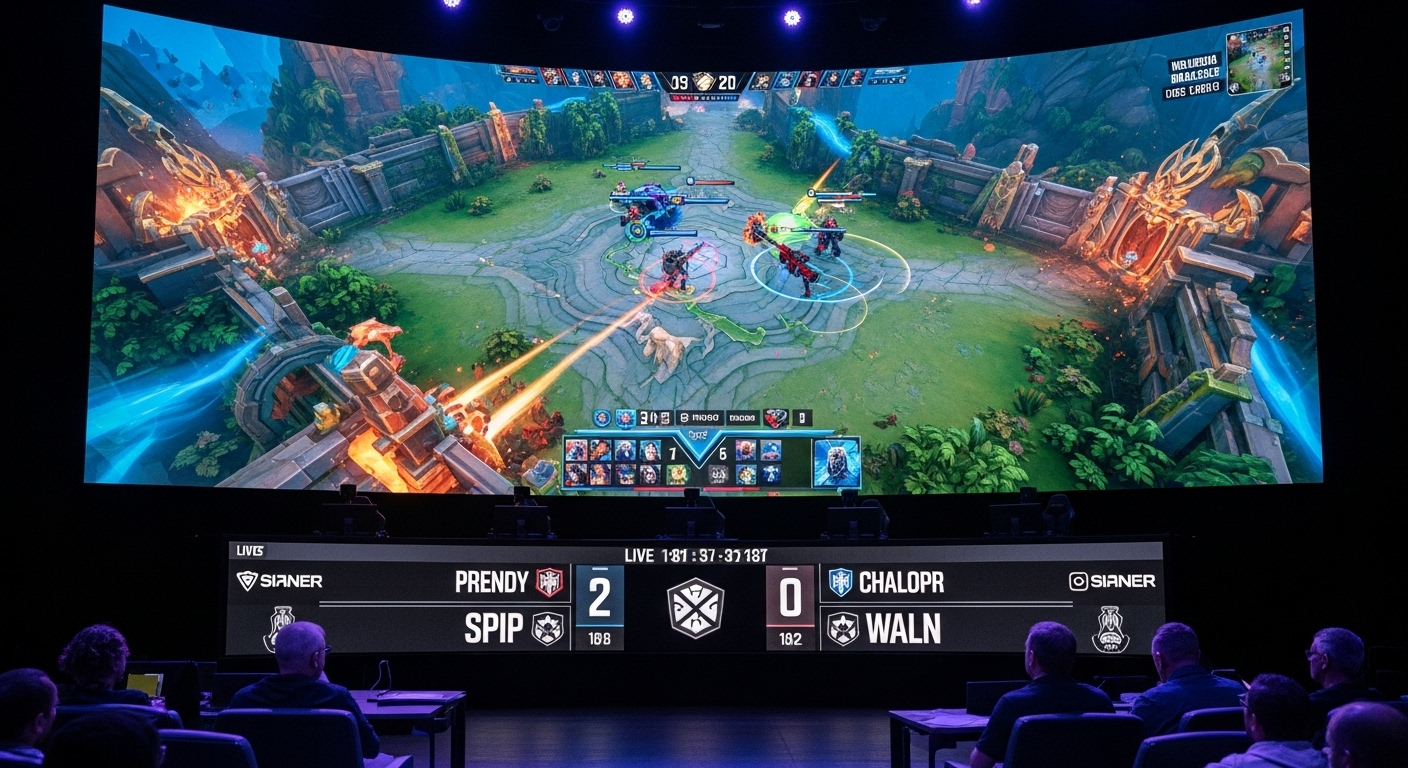
Introduction: The Dawn of a New Kind of Sport
Over the past two decades, the world has witnessed a remarkable transformation in entertainment, competition, and technology. Among these evolutions, one stands out as a defining phenomenon of the digital age—esports. Once dismissed as a casual pastime or a hobby for tech-savvy youth, competitive gaming has exploded into a global industry valued in billions, attracting millions of viewers, players, sponsors, and professional organizations. Esports represents the merging of technology, culture, and human skill in a way that transcends traditional boundaries of sport and entertainment.
Esports has changed how people perceive video games. No longer confined to bedrooms and arcades, gaming has evolved into massive tournaments held in sold-out arenas, streamed across digital platforms, and followed with the same passion that fans show for football, basketball, or cricket. The players, once considered introverted gamers, are now international celebrities and role models for younger generations who see gaming as both an art and a career path.
The Origins of Esports
The origins of esports can be traced back to the 1970s, when the first known video game competitions began taking place on college campuses. In 1972, Stanford University hosted an event called the “Intergalactic Spacewar Olympics,” marking what many historians consider the first esports tournament. The prize was modest—a year’s subscription to a magazine—but the concept of organized video game competition was born.
During the 1980s, arcade culture flourished, and gaming competitions began to attract wider attention. Titles like Pac-Man, Donkey Kong, and Space Invaders became the early battlegrounds of competitive gaming. Players competed for high scores, and leaderboards became the primitive version of the modern esports ranking system.
The 1990s brought about the golden age of multiplayer gaming. The introduction of home consoles and personal computers with internet connectivity created a new ecosystem for competitive play. Games like Doom, Quake, and StarCraft became the cornerstones of early esports scenes. The rise of local area network (LAN) parties enabled players to face off in real-time, paving the way for global online tournaments in the 2000s.
The Growth of the Esports Industry
By the early 2000s, esports was no longer a niche interest but an emerging industry. South Korea played a pivotal role in its development, becoming the epicenter of competitive gaming. The country invested heavily in internet infrastructure, which made online gaming accessible to nearly everyone. Games like StarCraft: Brood War became national phenomena, with professional players achieving celebrity status and matches broadcasted on television channels dedicated entirely to esports.
The global spread of esports followed quickly. With the advancement of streaming technology and online broadcasting platforms, esports tournaments could now reach audiences worldwide. This democratization of access helped esports grow beyond national borders and into a truly international scene. Organizations like Major League Gaming (MLG) in North America and the World Cyber Games (WCG) in Asia further legitimized esports as a professional pursuit.
As audiences grew, so did the stakes. Prize pools expanded from a few thousand dollars to millions. Sponsors began to invest heavily, recognizing esports as a new frontier for marketing and brand engagement. Game developers started designing their titles with competitive play in mind, leading to games like League of Legends, Dota 2, Counter-Strike: Global Offensive, and Overwatch dominating the scene.
The Players: From Hobbyists to Athletes
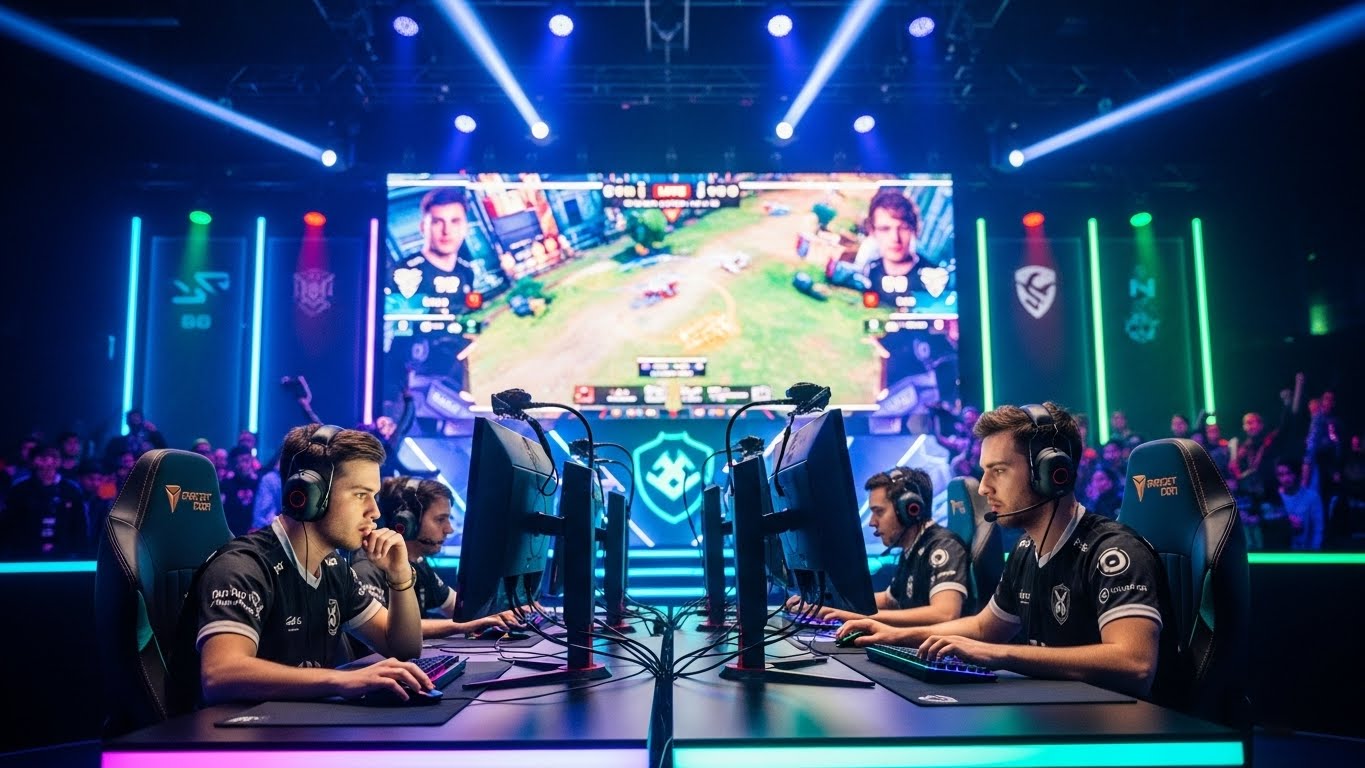
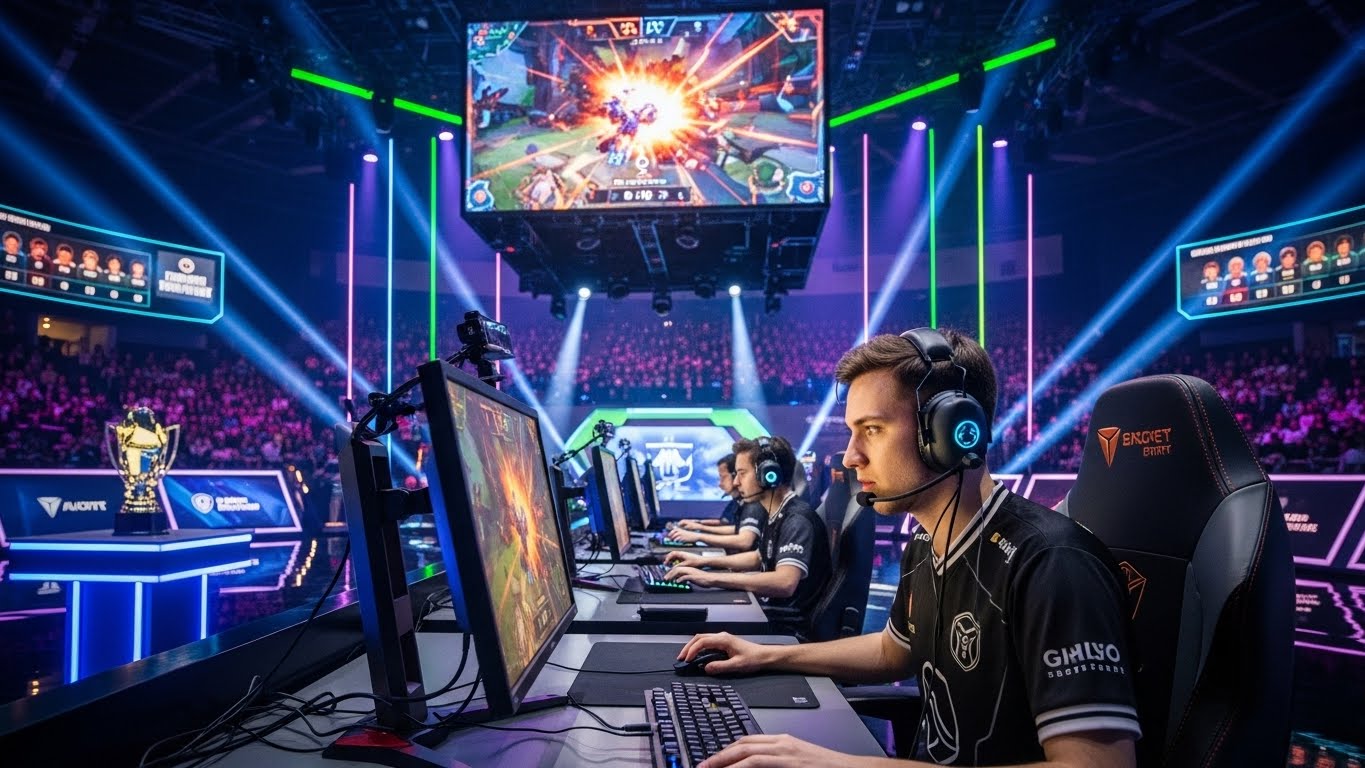
Professional esports players are often compared to athletes—and for good reason. The level of discipline, practice, and strategic thinking required to compete at the highest level is immense. Many players train for eight to twelve hours a day, studying opponents, refining mechanics, and improving team communication.
Esports has shattered stereotypes about gamers being lazy or unmotivated. The top players are as committed to their craft as professional footballers or basketball players. Reflexes, hand-eye coordination, mental agility, and teamwork are essential skills that define success in competitive gaming.
Moreover, the career of an esports athlete is not just about raw talent. It requires emotional control, focus under pressure, and adaptability in high-stakes scenarios. Many players also face the challenge of balancing fame and mental health, as the constant exposure to audiences and social media can be overwhelming. To address this, professional teams now employ coaches, psychologists, and nutritionists to support their players’ well-being—mirroring traditional sports institutions.
The Role of Technology in Esports Expansion
Technology lies at the heart of the esports revolution. High-speed internet, powerful gaming hardware, and sophisticated software have transformed the way games are played, watched, and monetized. The rise of streaming platforms has made it possible for fans to follow tournaments in real-time, engage with their favorite players, and even build communities around specific games or teams.
Virtual reality (VR) and augmented reality (AR) are starting to influence the next phase of esports evolution. These technologies promise to immerse players and audiences alike in more interactive experiences, blurring the line between the physical and digital worlds. Artificial intelligence is also being used to analyze gameplay, optimize strategies, and enhance training programs for professional teams.
Furthermore, blockchain technology and digital assets like in-game collectibles or non-fungible tokens (NFTs) are creating new ways for fans to engage with esports ecosystems. This integration of technology not only expands the business side of esports but also enhances the fan experience, creating a digital culture that thrives on innovation and participation.
The Spectator Experience
What makes esports truly unique is its interactive spectator experience. Unlike traditional sports, esports allows fans to not only watch but also participate in the ecosystem. They can engage directly with players through live chats, social media, and community events. The accessibility of streaming platforms has turned tournaments into global festivals, where fans from every corner of the world can join without needing a ticket or travel expense.
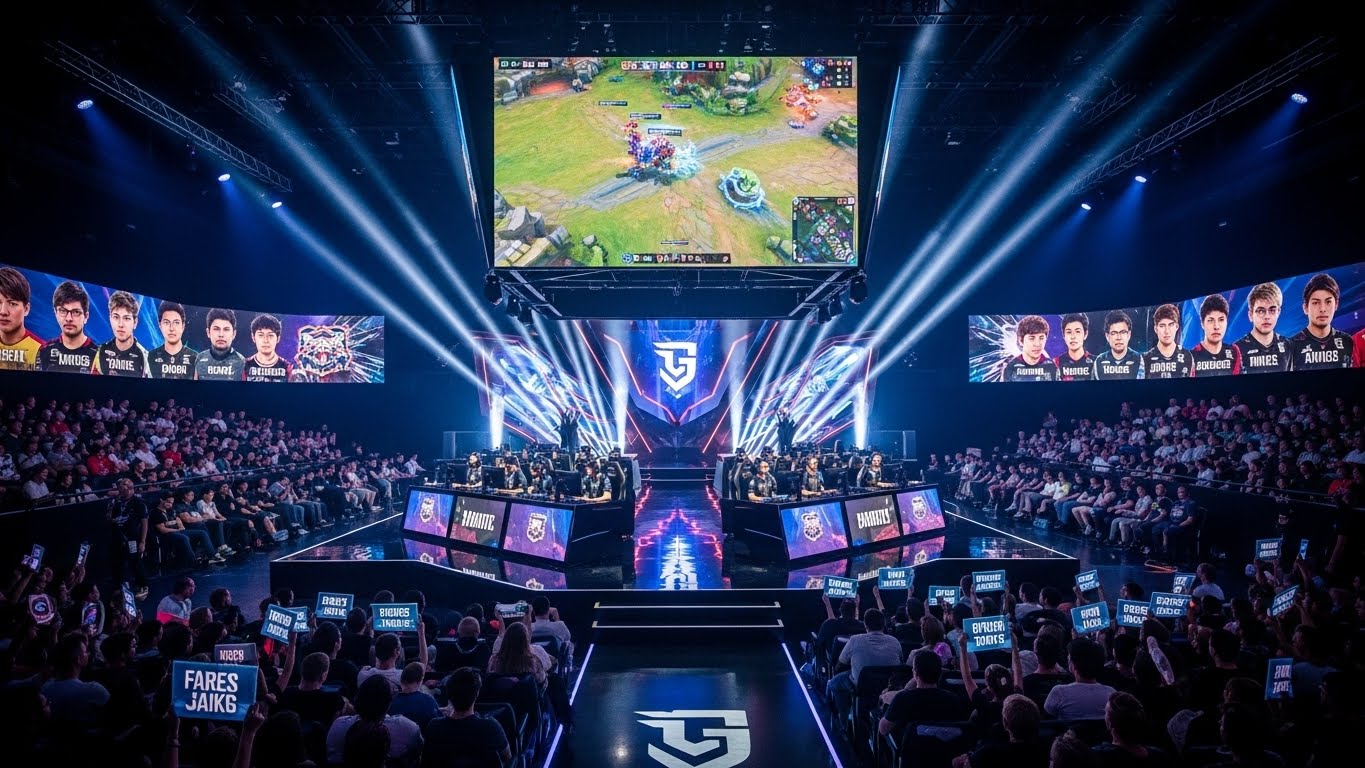
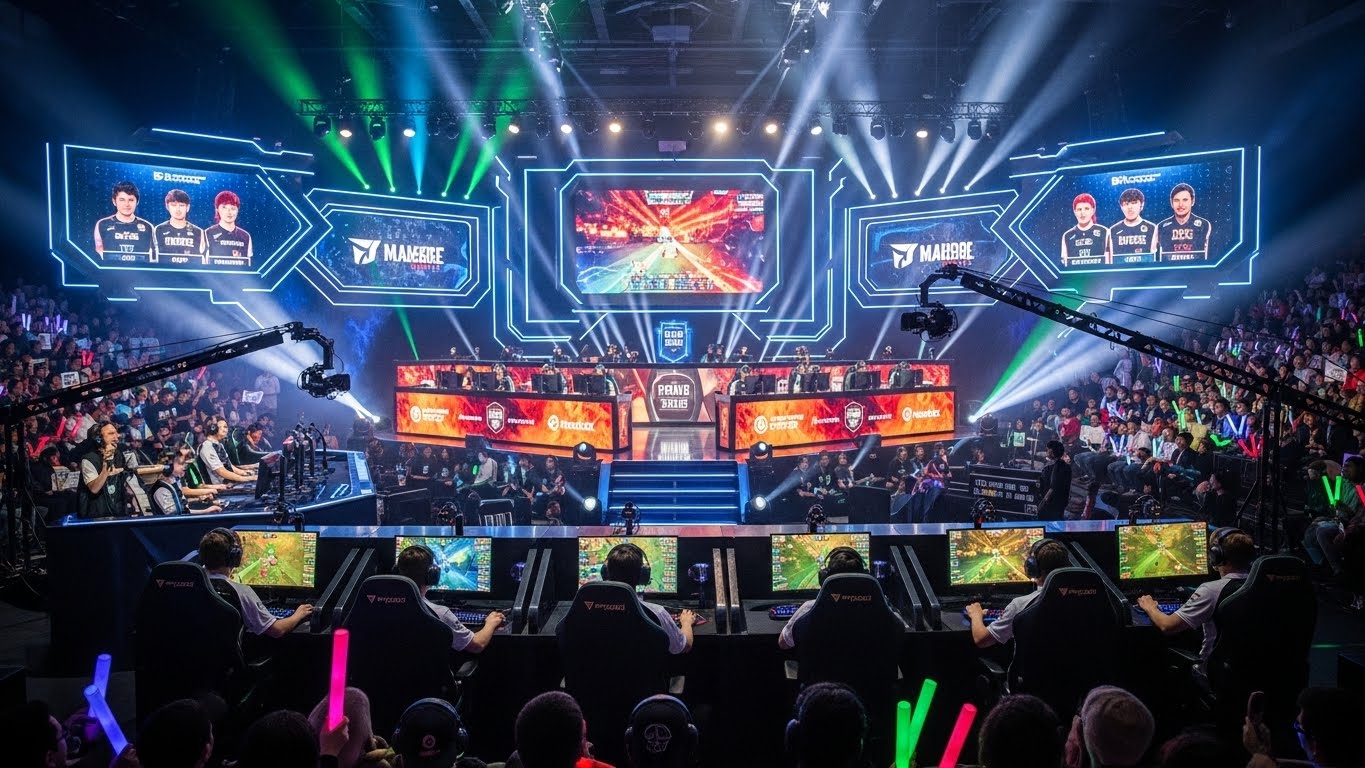
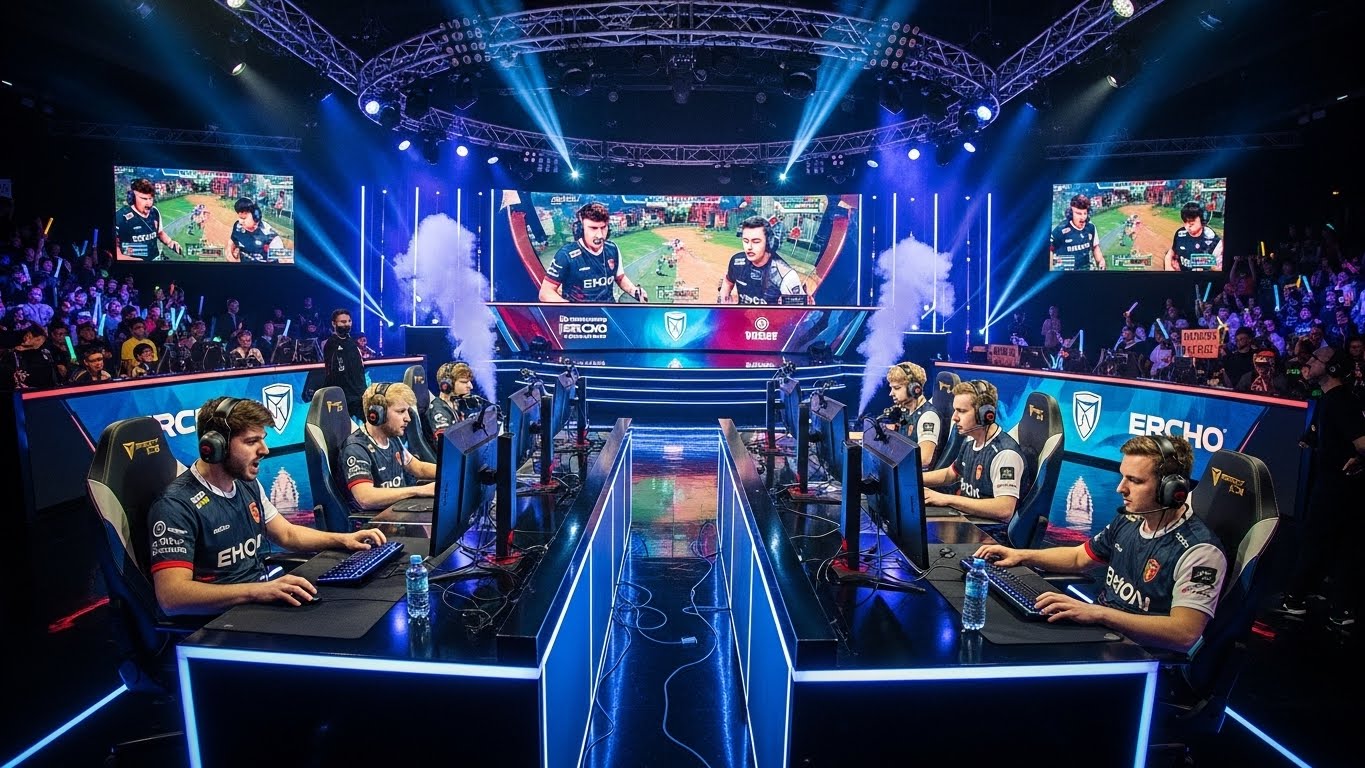
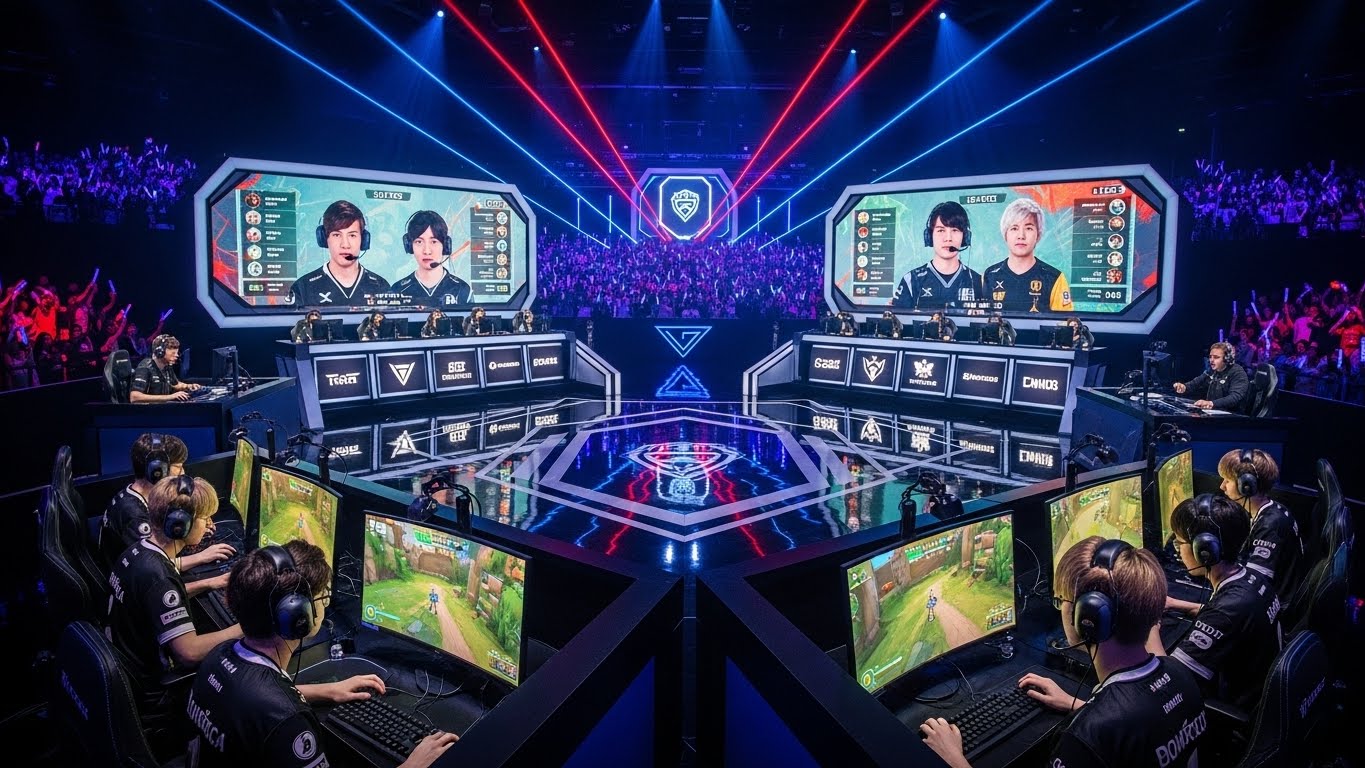
The production quality of esports events rivals that of major sports leagues. Massive LED screens, dynamic stage designs, professional commentary, and cinematic camera angles make every tournament a spectacle. The energy inside esports arenas during major events like The International or the League of Legends World Championship is electrifying, often matching or surpassing the atmosphere of a packed stadium.
The Economic Impact of Esports
Esports is not only a cultural movement but also a major economic force. The industry encompasses a wide range of sectors including gaming hardware, software development, sponsorships, advertising, event management, and media rights. Esports has also given rise to new job opportunities—from analysts and commentators to content creators, streamers, and production crew members.
The prize pools for major tournaments are staggering. Some championships offer tens of millions of dollars in rewards, funded through sponsorships, crowdfunding, and game developer contributions. Teams are now run like professional franchises with structured management, training facilities, and strategic partnerships.
Universities around the world are beginning to offer esports scholarships, recognizing gaming as both an academic and athletic pursuit. This further legitimizes esports as a career option, opening doors for young talents to pursue their passion professionally.
The Cultural Impact of Esports
Esports has become a defining element of modern youth culture. It bridges gaps between different nationalities, languages, and backgrounds. Players and fans unite under a shared passion for gaming, fostering communities that celebrate creativity, competition, and collaboration.
Pop culture has also embraced esports. Music artists, celebrities, and movie studios frequently collaborate with gaming organizations to reach younger audiences. The aesthetics and narratives of popular esports titles influence fashion, art, and even film production. Gaming language and memes have entered everyday conversation, symbolizing how deeply integrated esports has become in modern society.
Moreover, esports challenges traditional notions of what it means to be an athlete or a fan. It promotes inclusivity, providing a platform where anyone with skill and dedication can compete, regardless of physical limitations or background. This inclusiveness has made esports one of the most progressive movements in the entertainment world.
The Educational and Social Benefits of Esports
While some still view gaming with skepticism, numerous studies and real-world examples show that esports offers educational and cognitive benefits. It develops problem-solving skills, teamwork, decision-making, and strategic planning. Many educational institutions now incorporate gaming clubs and esports programs to foster these skills among students.
Team-based games encourage communication, leadership, and cooperation. Competitive gaming can also teach time management and resilience, as players learn to handle both victories and defeats. The structure of esports tournaments promotes sportsmanship, discipline, and goal setting—values that are applicable beyond gaming.
Additionally, esports creates social opportunities for individuals who might struggle to connect through traditional means. Online communities allow friendships and teamwork to flourish across borders. For many, esports represents not just competition but belonging—a global family connected by passion and respect for the game.
The Challenges Facing Esports
Despite its rapid growth, the esports industry faces several challenges. One major concern is sustainability. The competitive scene depends heavily on sponsorship and viewership, making it vulnerable to market fluctuations. Maintaining consistent profitability for teams, organizations, and players remains a complex task.
Player burnout is another issue. The pressure to perform, coupled with long training hours and constant travel, can take a toll on mental and physical health. The average professional gamer’s career span is relatively short, often ending before the age of thirty due to the intense demands of the profession.
Integrity concerns such as cheating, match-fixing, and exploitation have also emerged. With high stakes involved, maintaining fairness and transparency is essential. Governing bodies and esports associations are now working to standardize regulations, enforce anti-doping measures, and protect players’ rights.
Another challenge lies in representation and diversity. While the esports community is global, women and minority players still face barriers such as discrimination and lack of visibility. Promoting inclusivity and equal opportunities remains crucial for the long-term health of the industry.
The Future of Esports
The future of esports is bright and boundless. As technology continues to advance, the integration of virtual reality, artificial intelligence, and cross-platform gaming will create new dimensions of competition. The line between physical and digital sports may continue to blur, leading to hybrid experiences where traditional athleticism meets digital mastery.
Esports is also expected to gain more recognition from traditional sports organizations and even international bodies. Talks of including esports in global sporting events signal the growing acknowledgment of its legitimacy. As infrastructure improves, emerging regions in Africa, the Middle East, and South America are likely to become new powerhouses of competitive gaming.
The potential for growth in the next decade is immense. Esports will continue to influence education, technology, entertainment, and global culture. Its rise reflects humanity’s evolution in how we define play, competition, and community in the modern era.
Conclusion: More Than Just Games
Esports is not merely about playing video games—it is about pushing human potential within a digital landscape. It embodies creativity, discipline, innovation, and the power of connection. What started as a small gathering of enthusiasts has evolved into a worldwide cultural movement that defines a generation.
From casual gaming to professional tournaments, esports showcases how technology can bring people together, inspire excellence, and create opportunities once unimaginable. It is a living proof that passion, when fueled by innovation and community, can reshape the world. The story of esports is still unfolding, and its impact will continue to shape the future of entertainment, sports, and global culture for years to come.