
 proesportszone51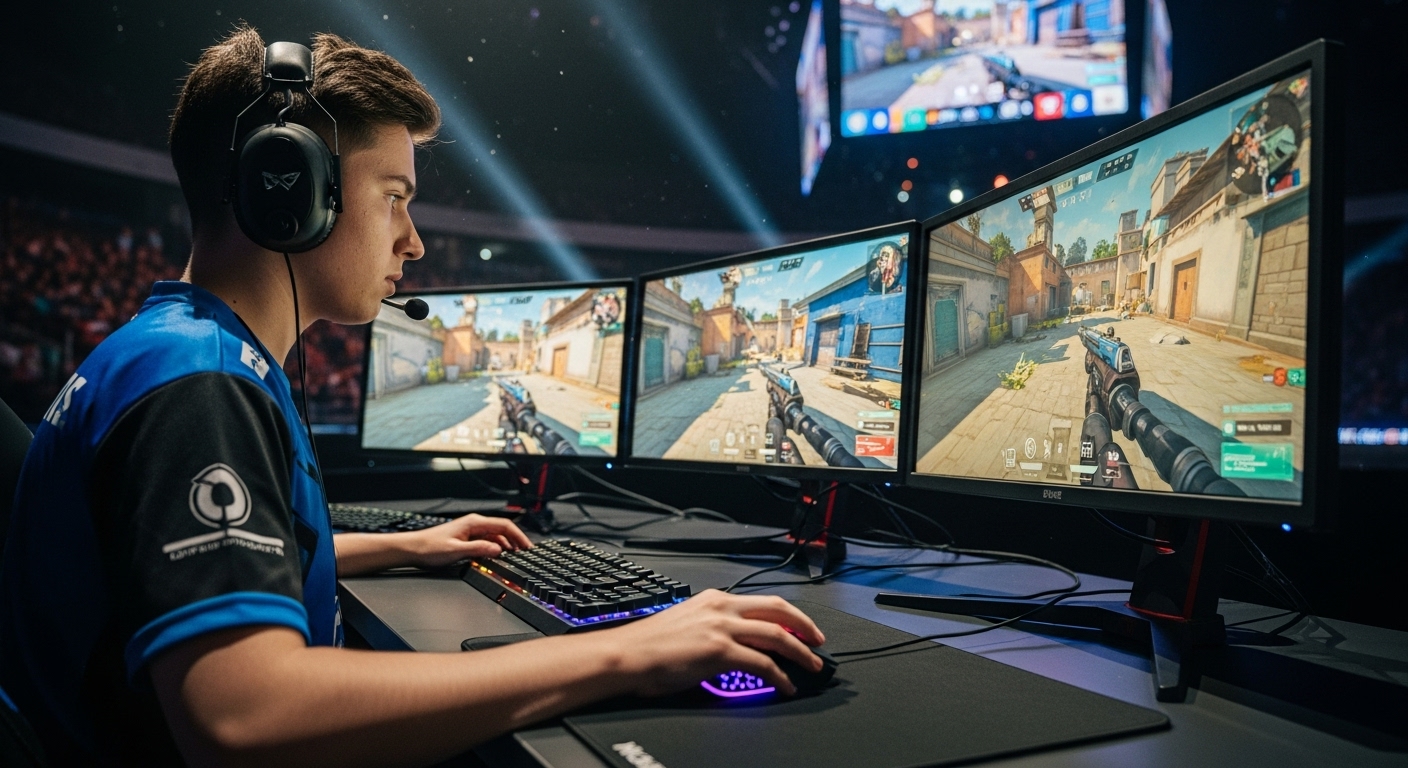
Esports, short for electronic sports, has emerged as one of the fastest-growing sectors in global entertainment. Once considered a niche hobby for dedicated gamers, esports has transformed into a professional, highly organized industry with millions of fans, multi-million dollar tournaments, and globally recognized players. It has redefined the concept of competition, blending skill, strategy, technology, and entertainment into a phenomenon that rivals traditional sports.
The evolution of esports is not merely about gaming; it is about culture, technology, and human engagement. From humble beginnings in arcades and LAN parties to stadium-filling tournaments and online streaming spectacles, esports has become a force that captures imagination, builds communities, and creates economic opportunities. Understanding esports involves exploring its history, its global impact, its professional structure, and the cultural and technological factors that have fueled its meteoric rise.
The Origins of Competitive Gaming
The story of esports begins with the earliest video games. In the 1970s and 1980s, games like Pong, Space Invaders, and Pac-Man captivated players and created the first competitive gaming experiences. Simple as these games were, they fostered skill, timing, and friendly rivalry. Arcades became social hubs where players could challenge each other, track high scores, and establish reputations.
As personal computers became more common in the 1980s and 1990s, multiplayer gaming took a new form. Titles like Doom, Quake, and Warcraft introduced competitive modes where players could face off across networks. This era laid the foundation for organized competitions, online communities, and the idea that gaming could be more than a pastime—it could be a serious contest of skill.
The Growth of Esports in the Early 2000s
The early 2000s marked the professionalization of esports. Games such as StarCraft, Counter-Strike, and DotA developed dedicated competitive scenes. South Korea, in particular, became a pioneer, embracing esports as a national pastime. Professional leagues were established, players received salaries, and television broadcasts made gaming a spectator event. StarCraft tournaments in South Korea set the template for organized esports, combining competition, production value, and media coverage.
Meanwhile, online gaming communities flourished worldwide. Forums, IRC channels, and early streaming services connected players across continents, enabling international competition and collaboration. The stage was set for esports to become a global phenomenon, breaking free from regional boundaries and casual play.
The Explosion of Modern Esports
Today, esports encompasses a vast range of games and genres, including multiplayer online battle arena games, first-person shooters, real-time strategy games, and sports simulations. Titles like League of Legends, Dota 2, Counter-Strike: Global Offensive, Overwatch, Call of Duty, Fortnite, and Valorant dominate the competitive landscape. Each game has its own professional ecosystem, leagues, teams, and fan bases, creating a diverse and vibrant industry.
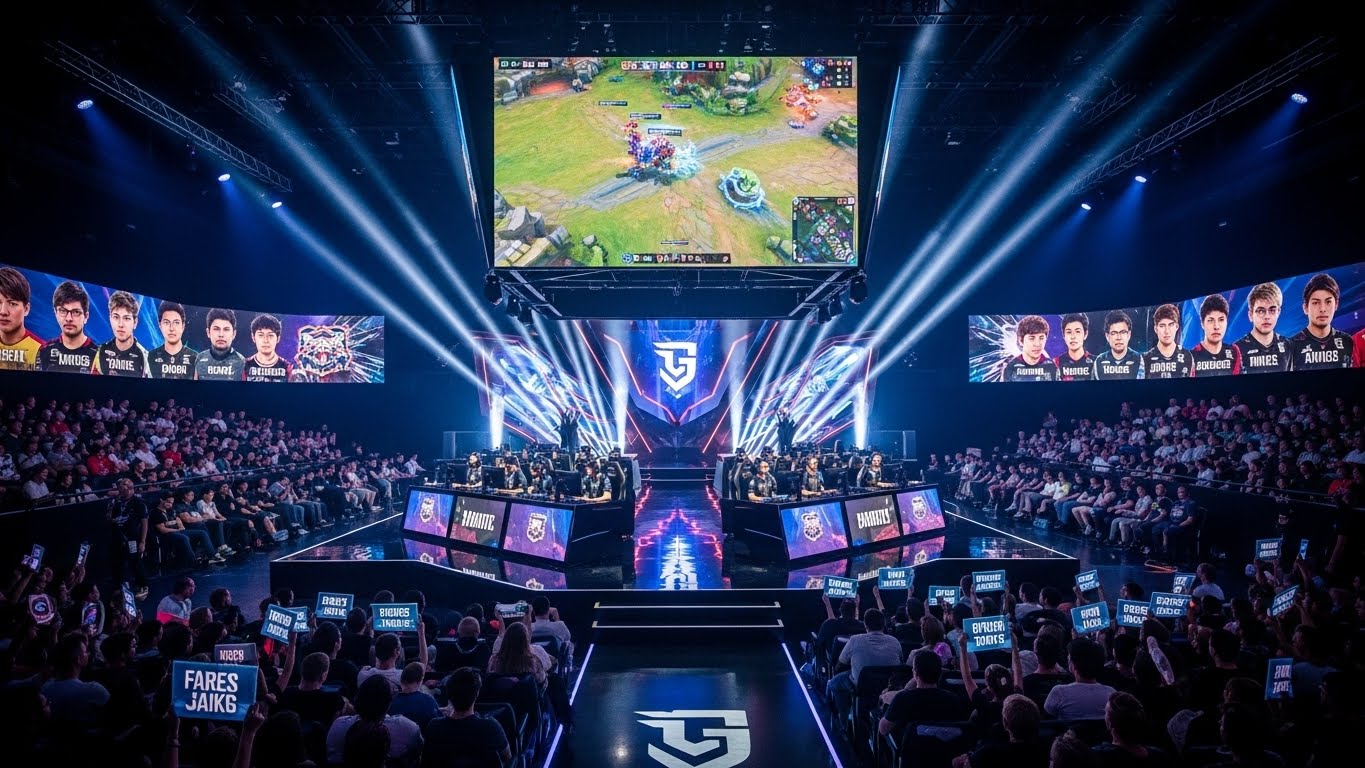
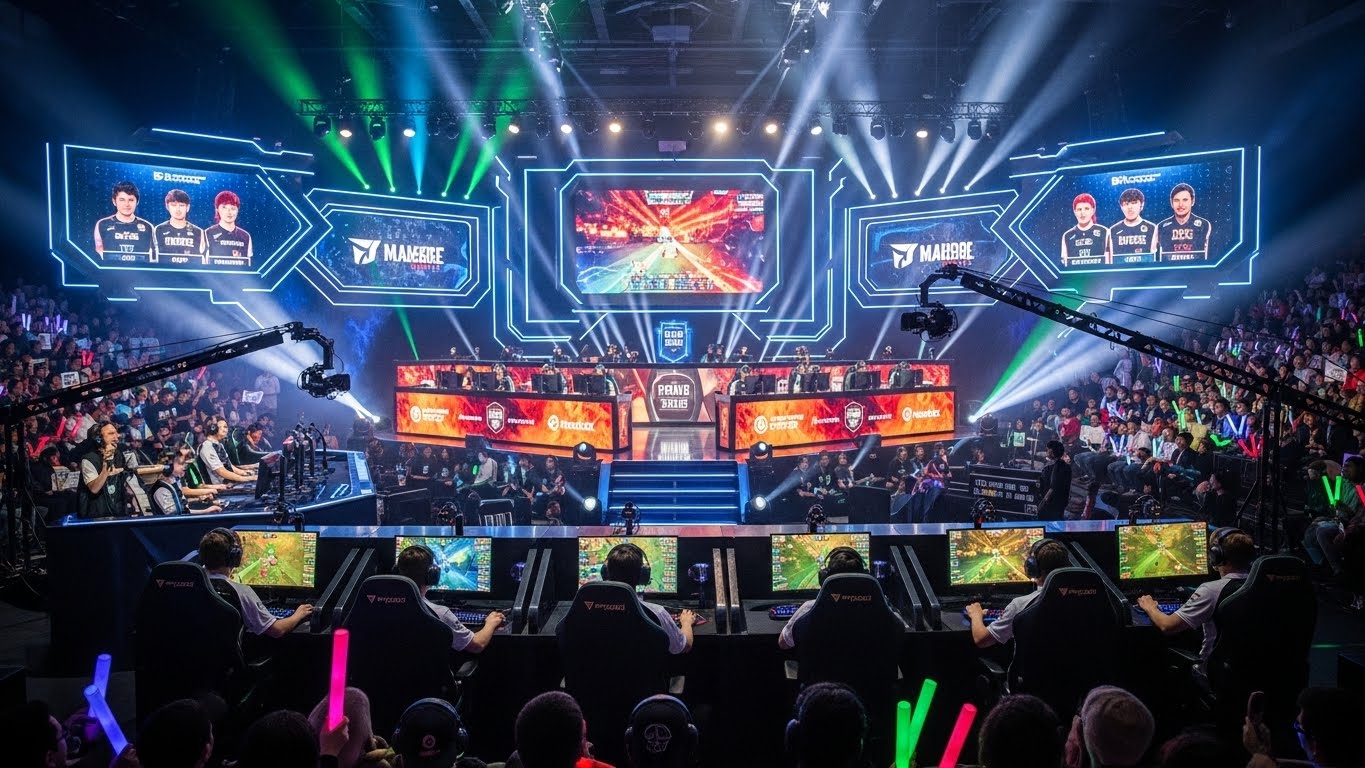
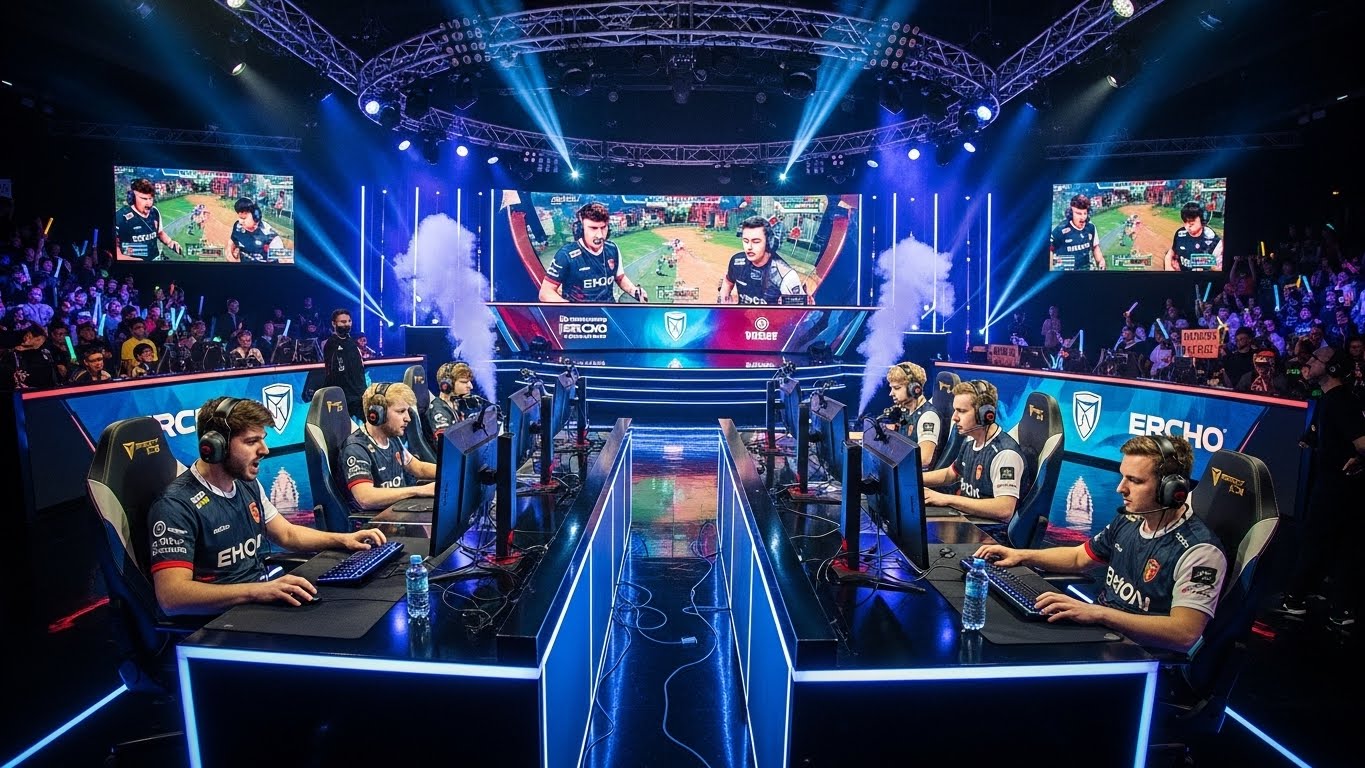
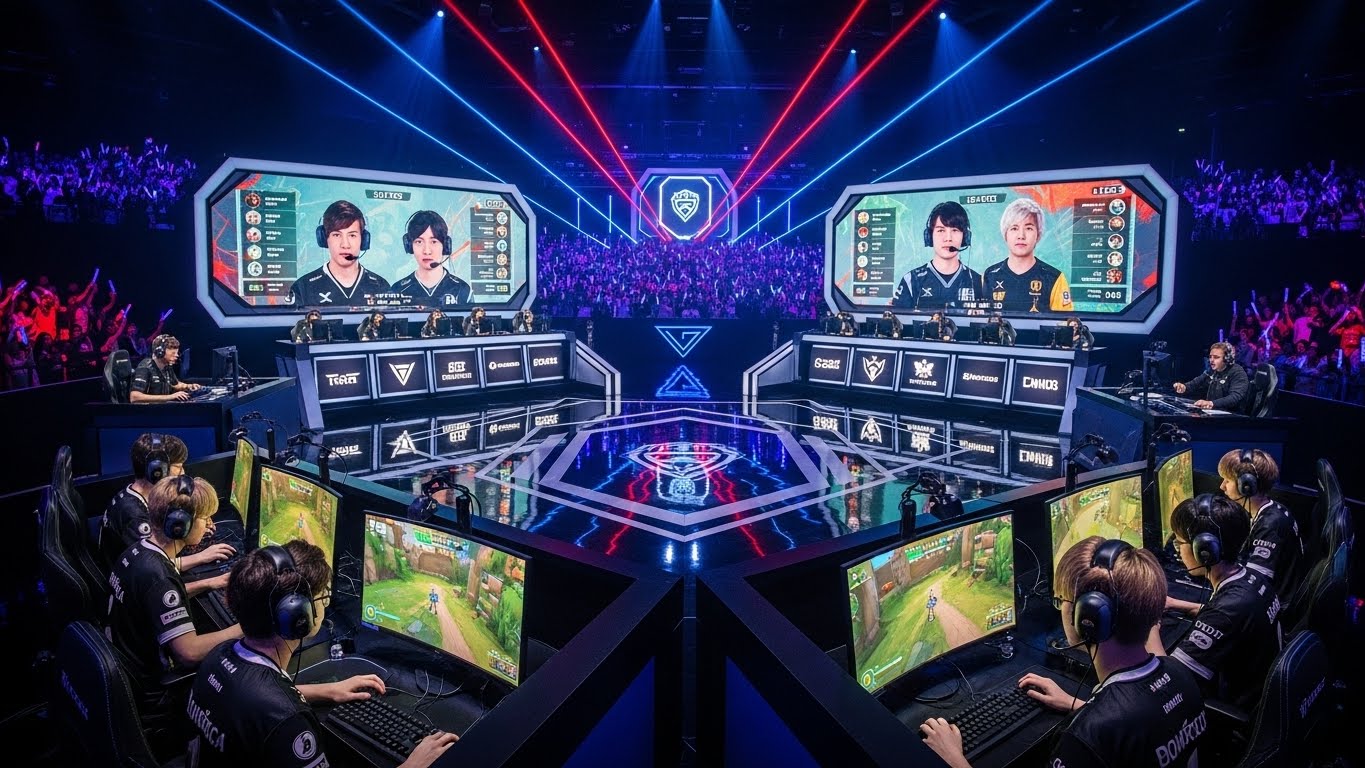
Major esports events now rival traditional sports in scale and spectacle. The League of Legends World Championship attracts millions of viewers online, while The International for Dota 2 offers multi-million-dollar prize pools. Esports stadiums host tens of thousands of fans, creating an atmosphere comparable to football, basketball, or tennis events. Streaming platforms like Twitch and YouTube Gaming have enabled live broadcasts to reach global audiences, further fueling the industry’s growth.
The Structure of Esports Competitions
Esports competitions are highly organized, with formats and structures tailored to the game and audience. Players join professional teams that provide coaching, training, and sponsorship support. Leagues often run seasonal schedules with regular matches, playoffs, and world championships. Tournament formats vary, including single elimination, double elimination, round-robin, and group stages, ensuring both fairness and excitement.
Team-based games require coordination, strategy, and synergy. Individual performance is critical, but success depends on communication, role specialization, and adaptability. Solo games emphasize reflexes, decision-making, and precision. Regardless of format, esports competitions are meticulously organized, combining athleticism, tactical intelligence, and entertainment value.
The Professional Life of Esports Athletes
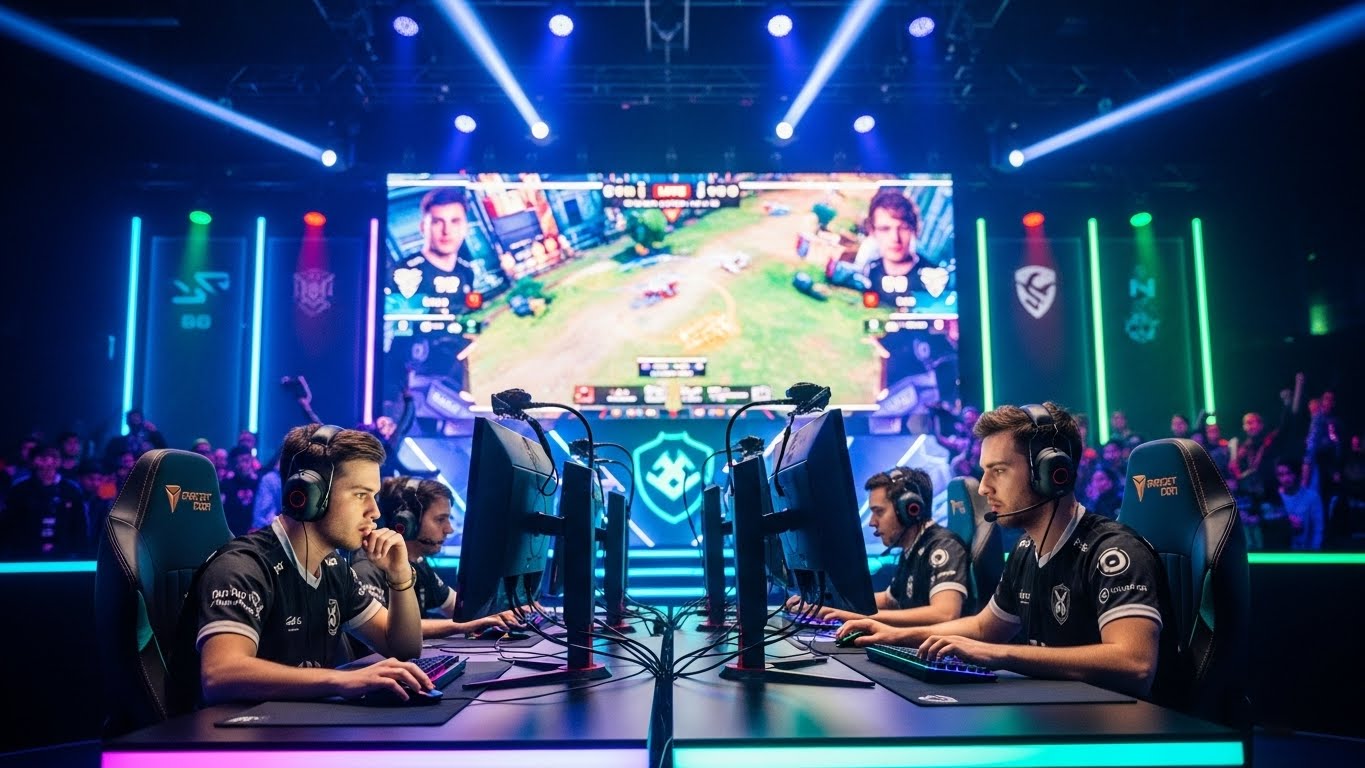
Professional esports players dedicate enormous time and effort to maintain peak performance. Training regimens often exceed ten hours a day, encompassing gameplay practice, strategy analysis, team coordination, and mental conditioning. Reflexes, decision-making speed, and strategic thinking are honed continually, while physical health is monitored to prevent burnout and injury.
Esports careers are relatively short compared to traditional sports, often peaking in the early to mid-twenties. Players may transition into coaching, content creation, team management, or brand ambassadorship after retiring from competition. The lifestyle combines the excitement of fame, high-level competition, and fan engagement with the pressures of performance, travel, and public scrutiny.
The Economic Impact of Esports
Esports has evolved into a multi-billion-dollar industry with diverse revenue streams. Sponsorships, advertising, media rights, merchandise, and ticket sales contribute to a thriving economic ecosystem. Major brands invest in esports to reach younger, digitally savvy audiences, recognizing the marketing potential and cultural influence of the medium.
Teams operate like traditional sports franchises, managing players, branding, social media, and community engagement. Tournaments rely on sponsorships, ticket sales, and broadcast rights to fund prize pools and production costs. The professionalization of esports has created careers not only for players but also for coaches, analysts, event organizers, marketing professionals, and content creators.
Technology as the Backbone of Esports
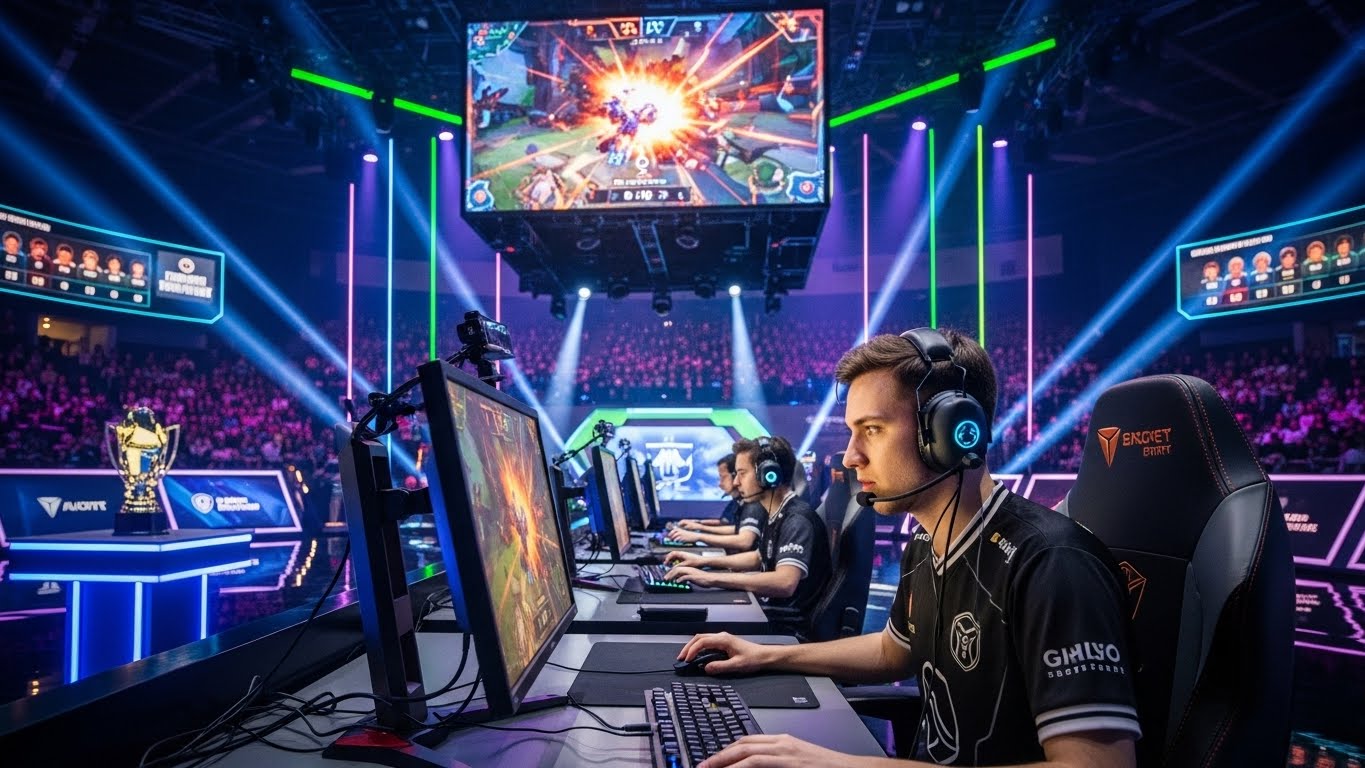
Technology is central to esports, from high-performance gaming rigs to advanced streaming platforms. Low-latency internet, precise input devices, and powerful graphics systems enable competitive play at the highest level. Streaming technology allows millions of viewers to watch live events simultaneously, creating a shared experience that bridges continents.
Data analysis and analytics tools provide competitive advantages. Teams track performance metrics, study opponents, and optimize strategies using sophisticated software. Artificial intelligence and machine learning are increasingly integrated to enhance training, predict outcomes, and improve broadcast interactivity. Technology ensures that esports remains at the cutting edge of both competition and entertainment.
Esports as a Cultural Phenomenon
Esports has grown into a cultural force, influencing fashion, music, language, and social interaction. Professional players are celebrities, and fan communities actively engage in discussions, memes, and fan art. Cosplay, live events, and social media create an immersive culture that extends beyond the games themselves.
The inclusivity of esports allows players and fans from diverse backgrounds to participate and thrive. Gender, nationality, and physical ability are less restrictive in competitive gaming than in many traditional sports. Communities form around shared passion and skill, fostering global connections and social engagement.
Esports in Education and Professional Development
Esports has been embraced by educational institutions as a legitimate field of study and competition. Schools and universities offer esports programs, scholarships, and clubs, providing pathways for students to pursue careers in gaming, management, or media. Collegiate leagues create competitive environments that mirror professional setups, teaching skills such as teamwork, strategic thinking, and digital literacy.
Academic research explores cognitive, social, and psychological aspects of esports, emphasizing critical thinking, problem-solving, and emotional resilience. This integration of education and esports underscores the industry’s legitimacy and its potential to foster personal and professional growth.
Challenges Facing Esports
Despite its growth, esports faces challenges that must be addressed for long-term sustainability. Player burnout, mental health issues, and physical strain are significant concerns. Regulatory issues such as cheating, doping, and match-fixing threaten credibility. The industry also faces ongoing challenges in achieving gender balance, inclusivity, and fair representation.
Maintaining integrity, supporting player welfare, and fostering a responsible ecosystem are critical for the continued success of esports. Industry stakeholders must balance commercial interests with ethical considerations, ensuring that esports remains a positive and engaging global phenomenon.
The Future of Esports
The future of esports is promising, with opportunities for technological integration, global expansion, and audience engagement. Virtual reality, augmented reality, and AI-driven tools are set to revolutionize both gameplay and viewing experiences. Interactive broadcasting, immersive arenas, and enhanced analytics will deepen fan engagement and create richer, more dynamic competitions.
Esports is likely to expand its influence across traditional sports, entertainment, education, and media. Collaborations with mainstream sports leagues, music festivals, and global brands will continue to elevate its profile. The accessibility, scalability, and cultural resonance of esports ensure that it will remain a significant force in global entertainment for years to come.
Conclusion: Esports as a Defining Force in Modern Entertainment
Esports has transformed the concept of competition, blending skill, strategy, and entertainment in a digital arena. It has grown from informal matches in arcades to professional leagues, global tournaments, and a cultural movement that rivals traditional sports. Players, teams, fans, and businesses have collectively built an ecosystem that thrives on innovation, engagement, and shared passion.
The rise of esports reflects broader trends in technology, media, and culture. It challenges traditional notions of sports and entertainment, creating new opportunities for professional achievement, community building, and global connectivity. Esports is more than gaming; it is a defining aspect of modern entertainment, a platform for creativity, competition, and cultural exchange. As technology and audience engagement continue to evolve, esports is poised to remain at the forefront of competitive entertainment, inspiring future generations of players and fans alike.