
 proesportszone51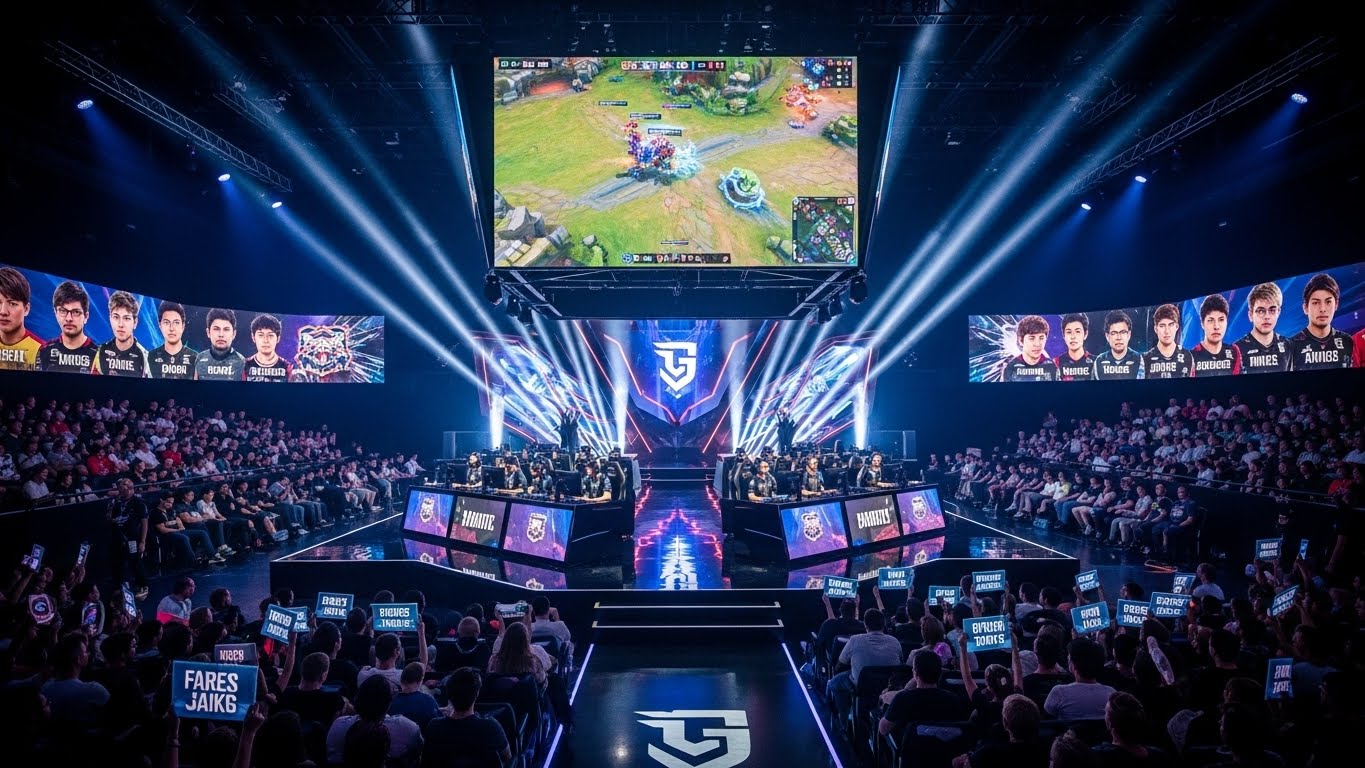
The world of competitive gaming, known as esports, has evolved from a niche hobby into a global phenomenon. What once began as small tournaments in local arcades has now become a multibillion-dollar industry with professional players, international leagues, and massive fan followings. Esports is no longer just about playing video games—it’s about competition, strategy, teamwork, and entertainment on a professional level. In this blog, we will explore how esports has grown, the factors driving its popularity, and its impact on society, culture, and the future of sports and entertainment.
The Evolution of Esports
Esports has a long and fascinating history. Competitive gaming dates back to the 1970s and 1980s when players competed in arcade games like Space Invaders and Pac-Man. However, it was the rise of personal computers and online connectivity in the late 1990s and early 2000s that truly accelerated esports. Games like StarCraft, Counter-Strike, and Warcraft III became staples of competitive play, drawing players from around the world into organized tournaments.
The introduction of streaming platforms transformed esports from local competitions into a global spectacle. Viewers could watch live matches online, follow their favorite players, and engage with gaming communities in real-time. This accessibility helped esports grow exponentially, attracting sponsors, media attention, and investments that rival traditional sports leagues.
Today, esports includes a wide range of genres, from first-person shooters and multiplayer online battle arenas to sports simulations and strategy games. Titles like League of Legends, Dota 2, Fortnite, and Call of Duty are played at professional levels, with international tournaments offering prize pools of millions of dollars. The evolution of esports reflects both technological advancement and the increasing recognition of gaming as a legitimate form of competition.
The Popularity Surge: Why Esports Is Thriving
Several factors contribute to the rapid growth of esports. One major driver is the global accessibility of gaming. Unlike traditional sports that require physical presence or extensive infrastructure, competitive gaming can be practiced from almost anywhere with a computer or console and an internet connection. This accessibility has democratized competition, allowing talented players from all backgrounds to showcase their skills on a global stage.
Streaming platforms and social media have also played a crucial role in esports’ popularity. Fans can watch live tournaments, engage in discussions, and even interact with professional players. This level of engagement creates a sense of community and excitement that traditional sports are only beginning to replicate. Influencers, content creators, and commentators further amplify the appeal, turning esports into an entertainment ecosystem that extends beyond the games themselves.
Additionally, the competitive nature of esports resonates with audiences. The thrill of high-level strategy, teamwork, and split-second decision-making keeps viewers engaged. The storytelling aspect—underdog victories, rivalries, and championship moments—adds drama and emotional investment, making esports not just a game, but a form of entertainment on par with mainstream sports.
Professional Esports: Players and Teams
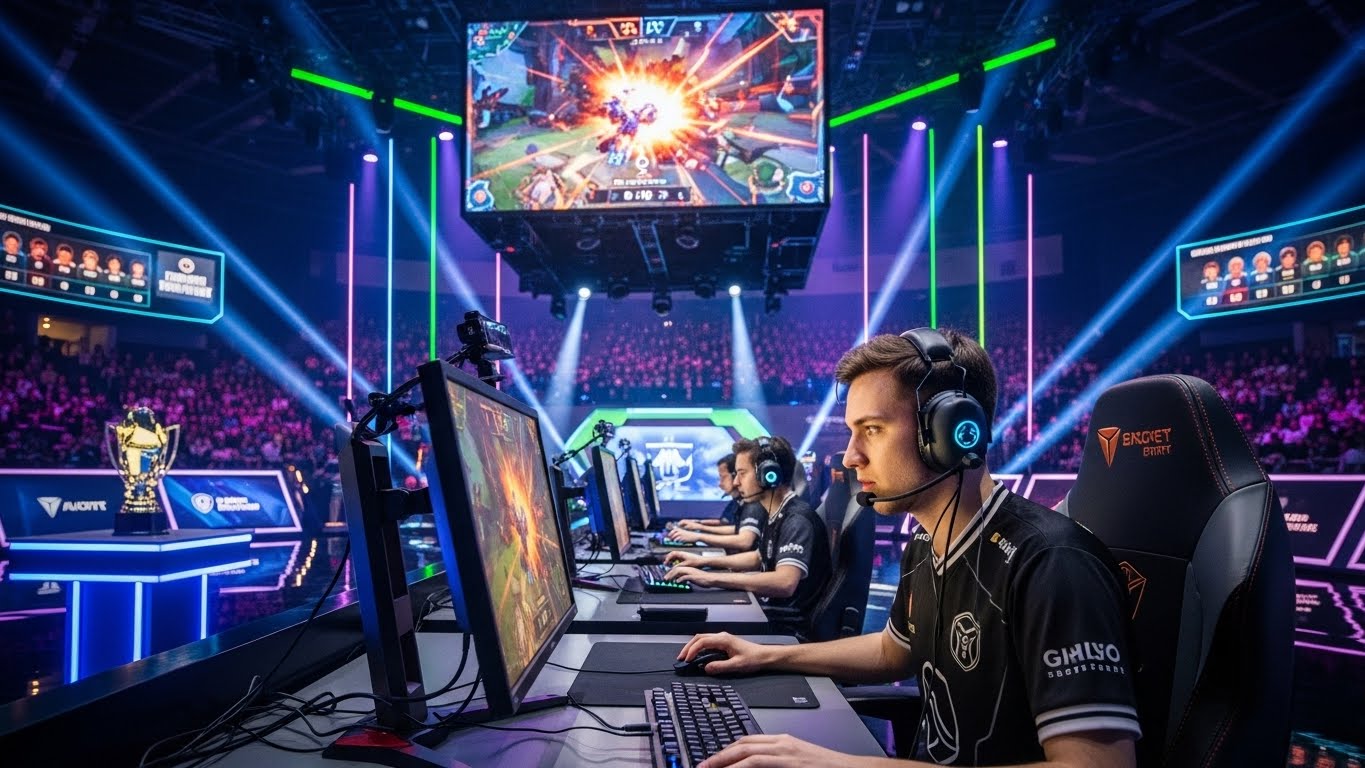
Professional esports players are athletes in every sense of the word. While they may not require the physical endurance of traditional sports, they must maintain peak mental acuity, reflexes, and strategic thinking. Training regimes for professional players often involve long hours of practice, studying opponents, and analyzing game mechanics to maintain a competitive edge.
Esports teams operate similarly to professional sports organizations. Teams have managers, coaches, analysts, and support staff to optimize performance. Sponsorship deals and branding opportunities provide financial backing, allowing players to focus on competition. Major leagues and tournaments have established standardized rules, schedules, and broadcasting, further professionalizing the industry.
The career path of a professional player, however, is not without challenges. Intense competition, pressure to perform, and physical strain from long hours of gameplay can lead to burnout and health issues. Teams and organizations are increasingly emphasizing player well-being, incorporating fitness programs, mental health support, and structured practice schedules to ensure longevity in the profession.
Esports Tournaments and Leagues
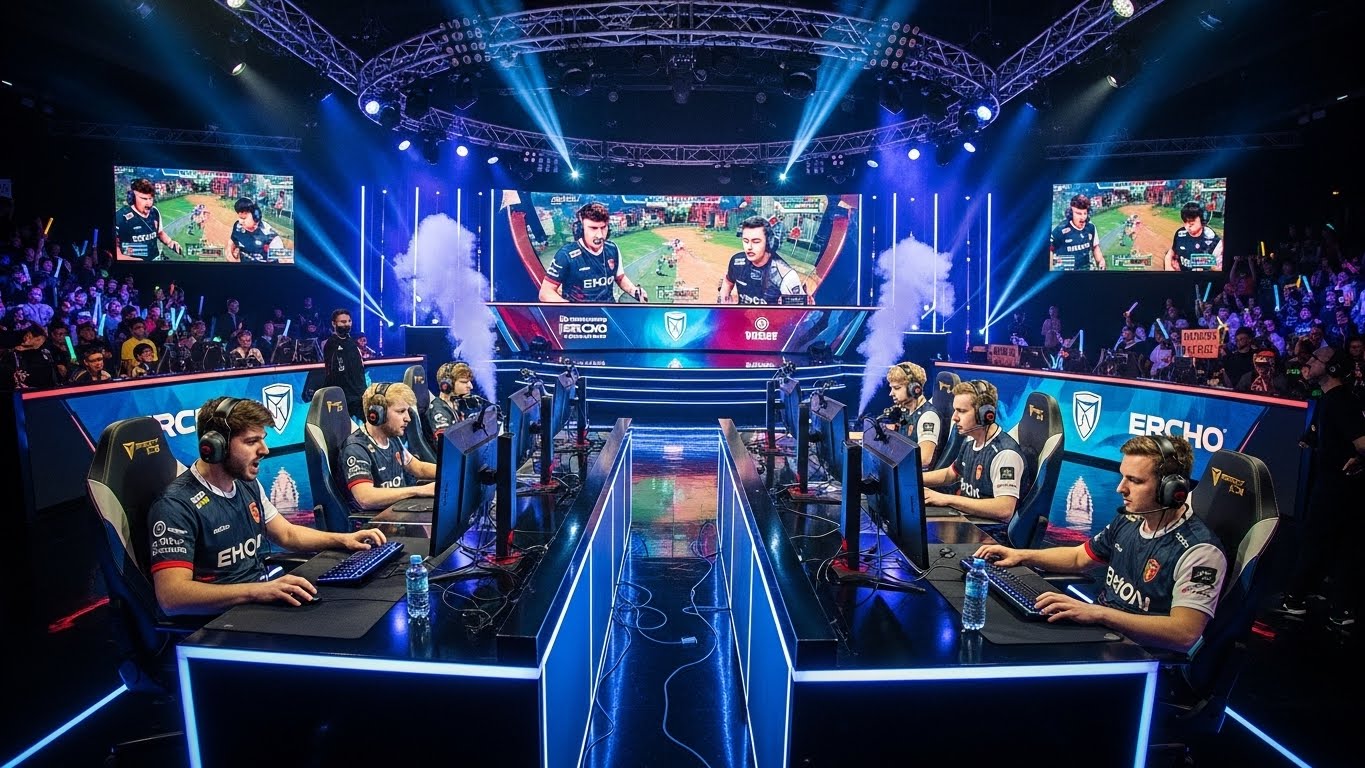
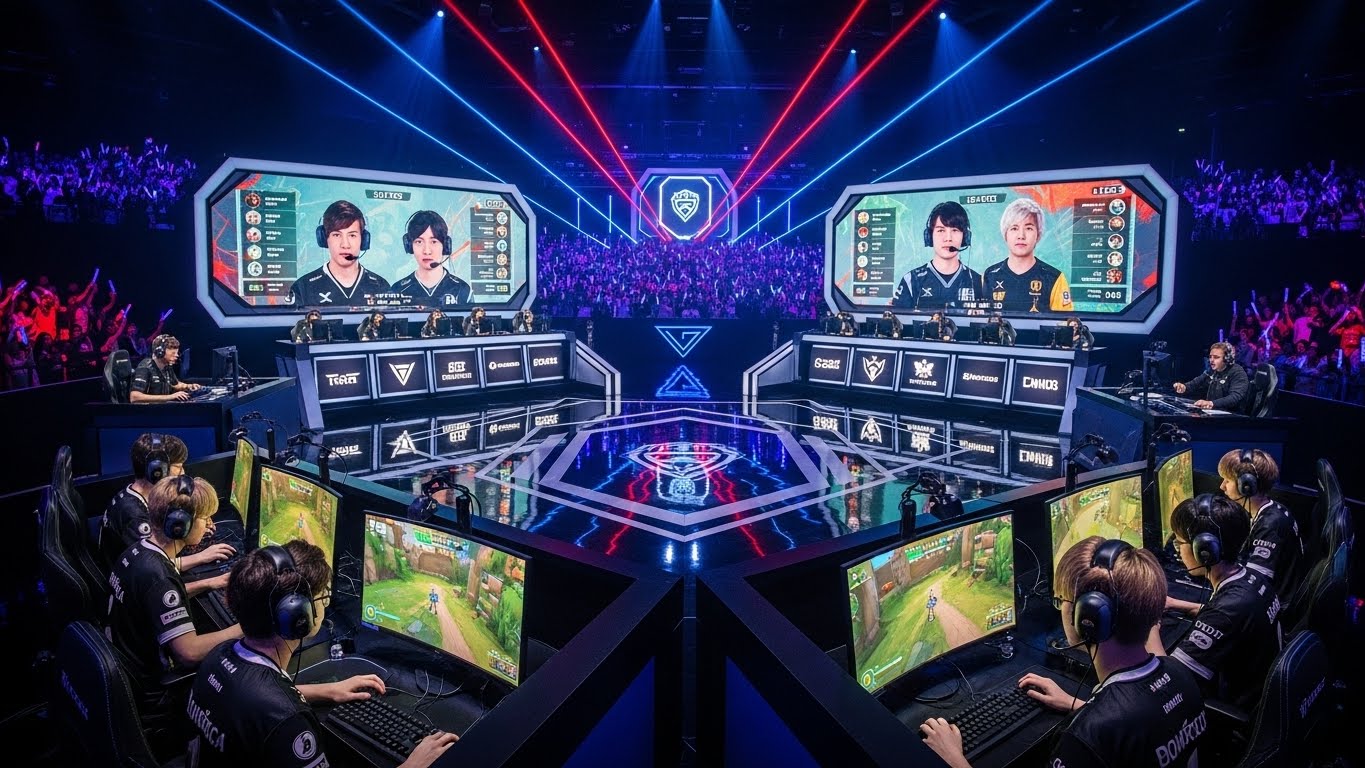
Esports tournaments and leagues are the centerpiece of competitive gaming. Events such as The International, League of Legends World Championship, and the Fortnite World Cup draw millions of viewers worldwide. These tournaments offer substantial prize pools, often reaching tens of millions of dollars, reflecting the scale and investment in the industry.
Leagues have adopted structures similar to traditional sports, including regular seasons, playoffs, and championship finals. Regional leagues such as the Overwatch League and Call of Duty League bring localized competition while maintaining global relevance. This professional framework attracts sponsors, media coverage, and fan engagement, transforming esports into a highly marketable and sustainable business model.
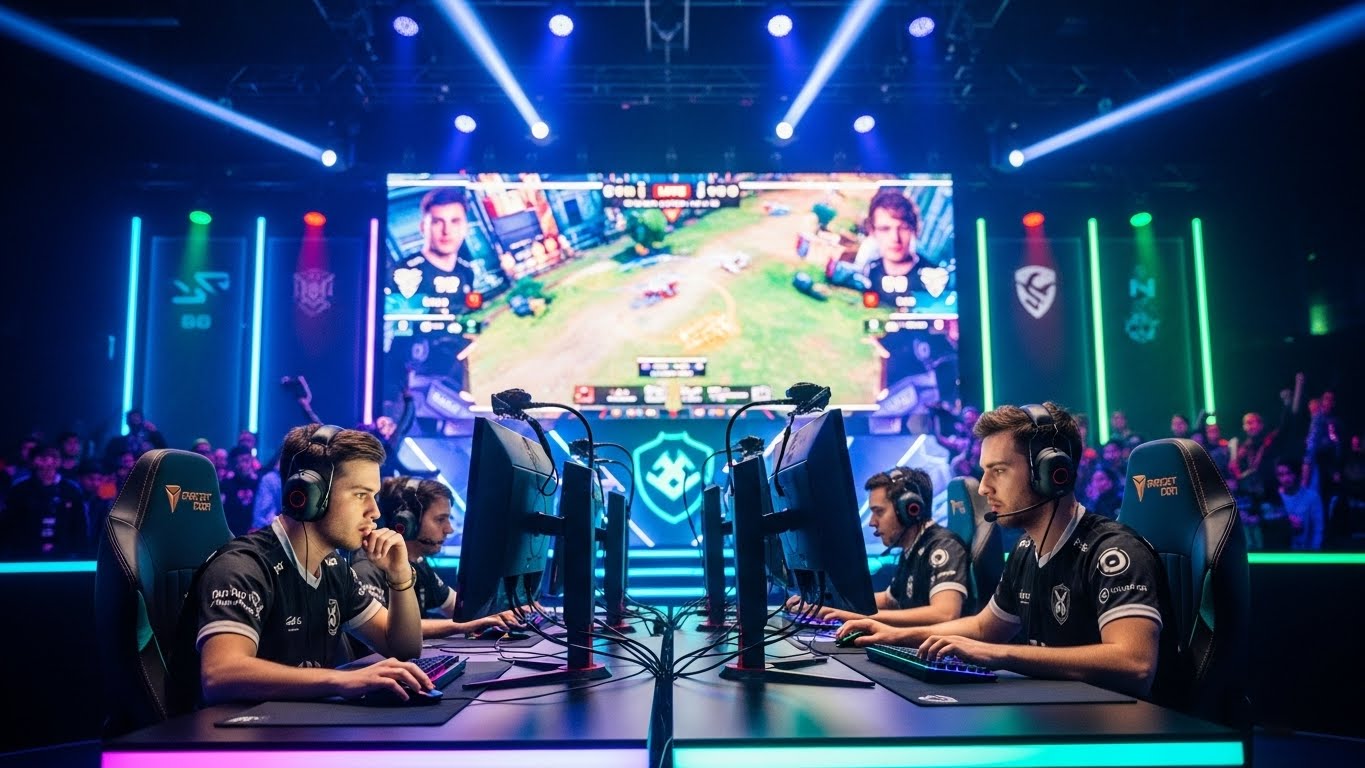
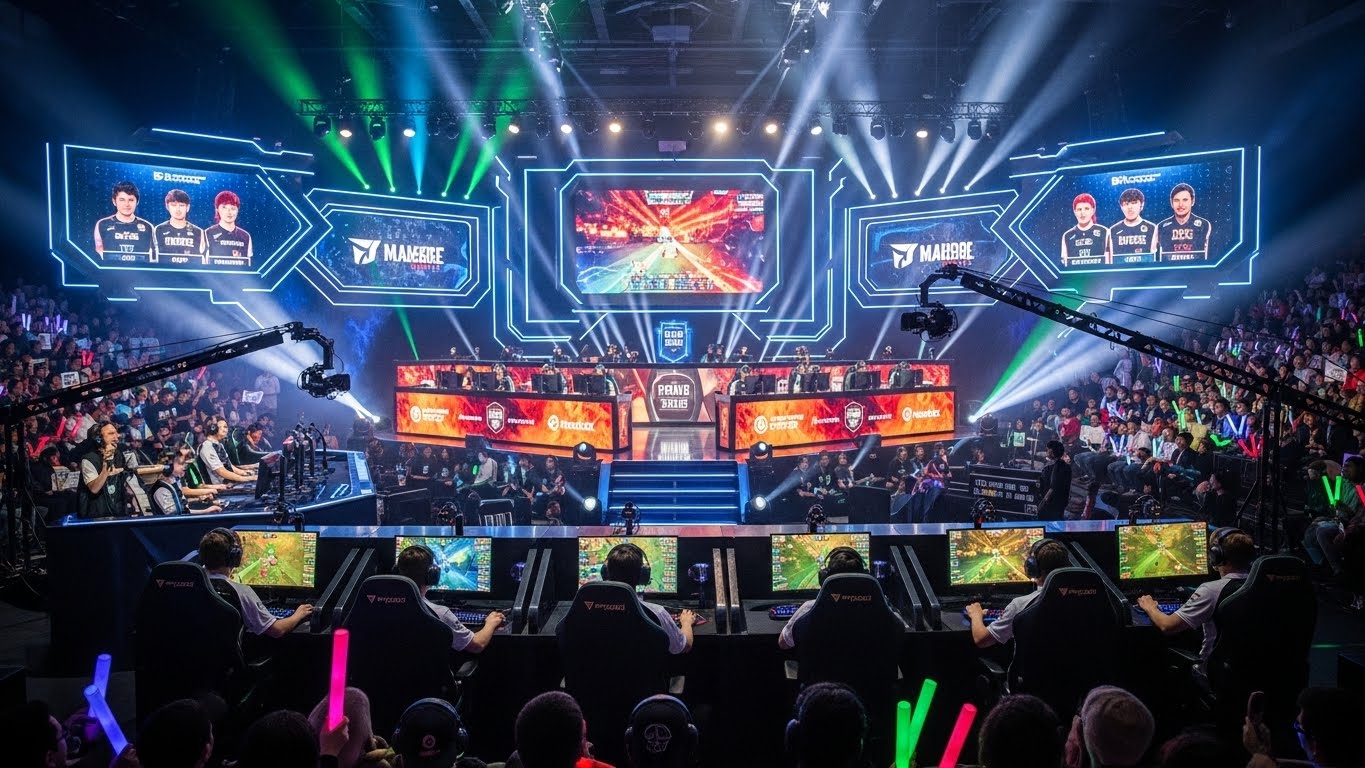
The production quality of esports events rivals that of major sports broadcasts. Multi-camera setups, live commentary, and immersive graphics enhance the viewing experience, making tournaments exciting and accessible for both hardcore fans and casual viewers. The combination of entertainment, competition, and spectacle is a key factor in esports’ continued growth.
The Business of Esports
Esports is a booming industry with multiple revenue streams. Sponsorships, advertising, merchandise sales, ticketing, and media rights contribute to its financial ecosystem. Brands from technology, energy drinks, apparel, and even non-endemic sectors recognize the marketing potential of esports, targeting younger demographics that are highly engaged and digitally connected.
Streaming platforms generate additional revenue through subscriptions, ads, and donations, providing content creators and professional players with sustainable income sources. Investment in esports organizations and tournament infrastructure has attracted venture capital and corporate backing, further accelerating growth.
The business side of esports is evolving rapidly, creating opportunities for careers beyond playing, including event management, marketing, broadcasting, analytics, and content creation. This diversification ensures the industry’s resilience and longevity, establishing esports as a legitimate economic sector.
Cultural Impact of Esports
Esports has had a profound cultural impact, influencing entertainment, social interaction, and even education. Gaming communities foster collaboration, strategy, and teamwork, transcending geographical boundaries. Fans not only watch competitions but also participate in online forums, social media groups, and fan events, creating a shared culture around gaming.
Esports has also challenged traditional perceptions of sports and athletes. The recognition of esports players as professional athletes validates gaming as a serious discipline that requires skill, strategy, and dedication. Universities and colleges now offer esports scholarships and programs, highlighting its legitimacy and educational potential.
Moreover, esports has opened doors for inclusivity and diversity. Players from various backgrounds, genders, and cultures can compete on a level playing field, making esports a global and accessible phenomenon.
Technology Driving Esports
The growth of esports is tightly linked to technological advancements. High-performance gaming hardware, low-latency internet connections, and sophisticated game engines enable competitive play at the highest level. Streaming technology allows real-time broadcasts to millions of viewers, while analytics tools help players and teams refine strategies and improve performance.
Virtual reality and augmented reality technologies are starting to influence esports as well, creating immersive experiences for players and spectators alike. Artificial intelligence and machine learning are used for game analysis, predictive modeling, and even training simulations, further enhancing competitive performance.
The continuous evolution of technology ensures that esports remains at the forefront of innovation, blending gaming, entertainment, and high-tech experiences in unique ways.
Challenges Facing Esports
Despite its rapid growth, esports faces several challenges. Player burnout, mental health issues, and the physical toll of long gaming sessions are ongoing concerns. Regulatory oversight, cheating, and match-fixing also pose risks to the integrity of competitions. Additionally, monetization models must balance profitability with accessibility to maintain fan engagement and sustainable growth.
Societal perception is another hurdle. While acceptance is growing, some critics still dismiss esports as mere entertainment rather than a legitimate sport. Education and awareness campaigns, along with continued professionalism and mainstream coverage, are crucial to overcoming these misconceptions.
The Future of Esports
The future of esports is promising and full of potential. With continued technological advancements, increased investment, and growing mainstream acceptance, esports is poised to become a permanent fixture in global entertainment. Virtual reality competitions, AI-assisted training, and cross-industry collaborations may redefine what esports can achieve in the coming years.
Esports may also influence traditional sports by integrating technology, data analysis, and fan engagement strategies. The convergence of entertainment, gaming, and competitive sports will continue to create innovative experiences for audiences worldwide.
Conclusion
Esports has transformed the way we view competition, entertainment, and digital culture. From humble beginnings in local arcades to massive international tournaments, esports has proven its value as both a profession and a global phenomenon. Its combination of skill, strategy, technology, and storytelling captivates audiences and inspires new generations of players.
As esports continues to grow, it will challenge conventional ideas of sports, entertainment, and media, shaping a future where digital competition and professional gaming are celebrated alongside traditional athletics. The rise of esports is not just a trend—it is a revolution, redefining how we play, watch, and engage with games in the modern world.