
 proesportszone51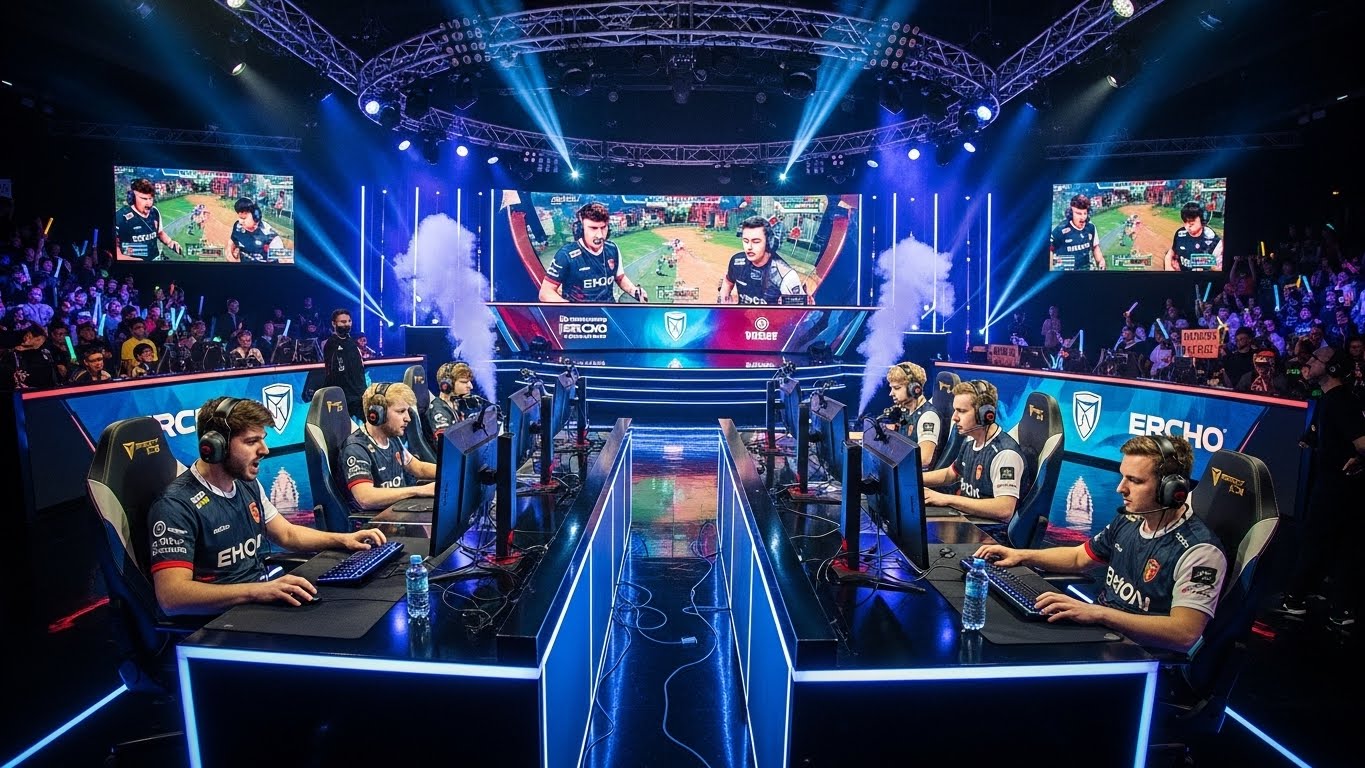
Introduction: The Rise of Competitive Gaming
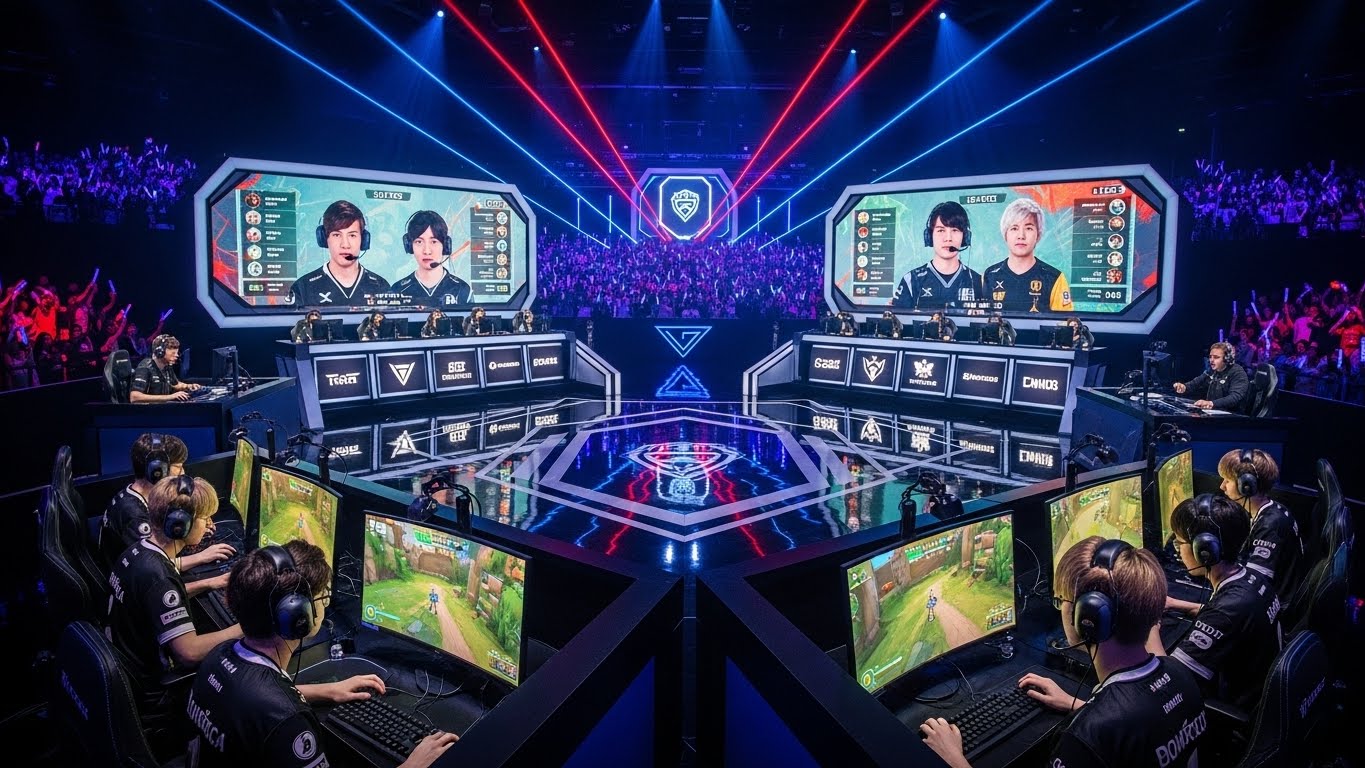
Esports, short for electronic sports, has emerged as one of the fastest-growing entertainment industries in the world. What began as casual video game competitions among friends and small communities has transformed into a global phenomenon attracting millions of viewers, professional players, and significant investment. Today, esports encompasses a wide range of competitive games, from first-person shooters to strategy-based multiplayer online games, and even sports simulations. Beyond entertainment, it has become a platform for career opportunities, social connection, and cultural influence, redefining the very concept of competition in the modern digital era.
The Evolution of Esports
The journey of esports can be traced back to the early days of arcade gaming, where titles like Space Invaders, Pac-Man, and Street Fighter introduced competitive play in small tournaments. With the proliferation of personal computers and online gaming in the 1990s, games such as StarCraft, Counter-Strike, and Warcraft became the first global esports titles. These games required advanced strategic thinking, teamwork, and quick reflexes, setting the foundation for modern competitive gaming. As high-speed internet and streaming technology advanced, international tournaments became possible, allowing players to compete across continents in real-time. Today, esports covers a wide variety of genres including battle royale, fighting games, MOBAs, racing simulations, and sports-based games, each cultivating dedicated fan bases and professional leagues.
Economic Impact and Industry Growth
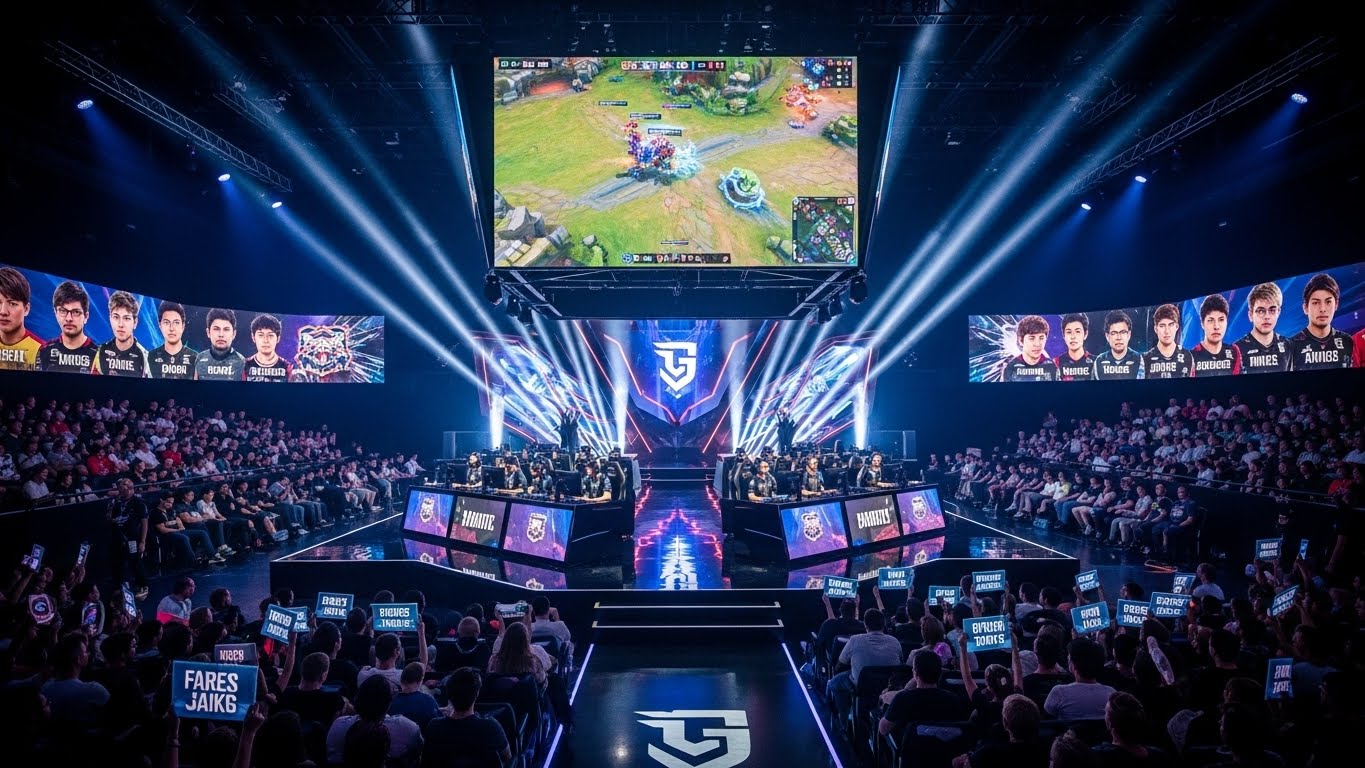
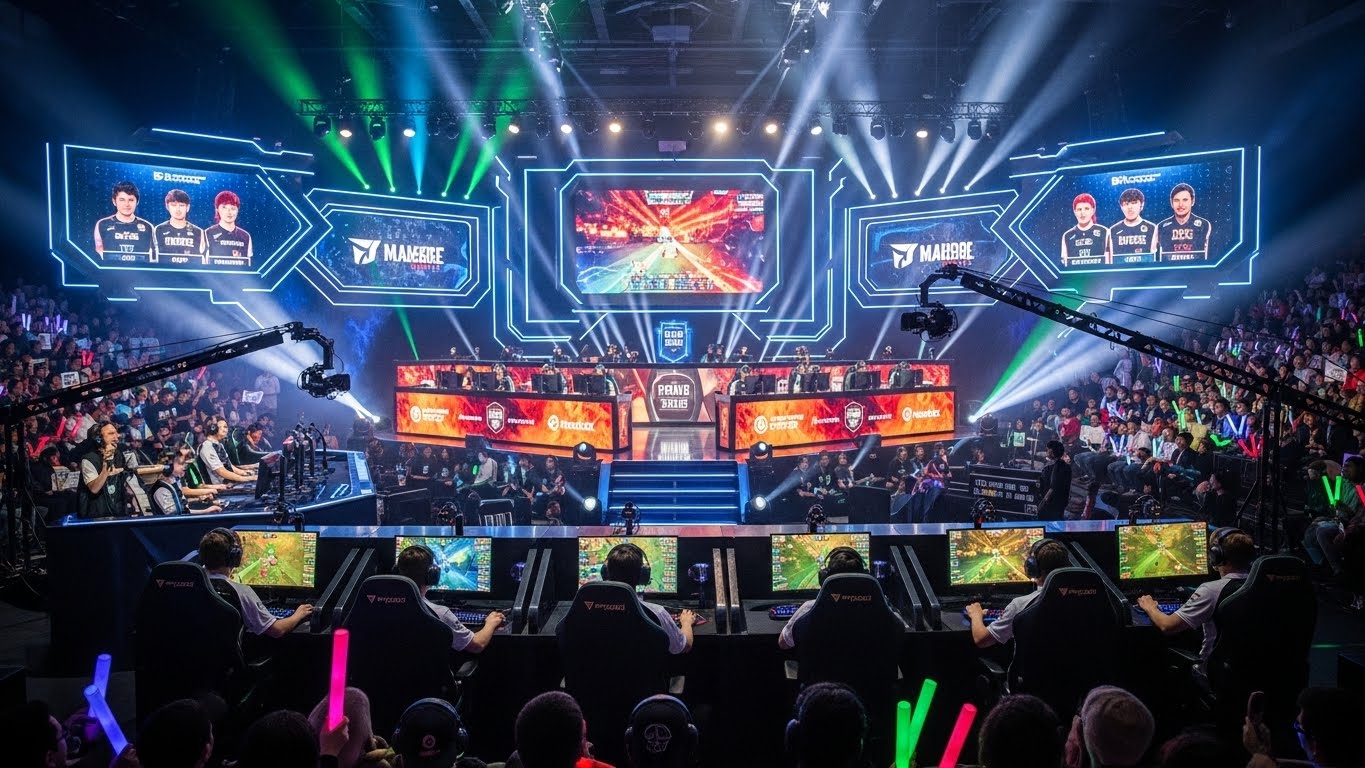
Esports has grown into a multi-billion-dollar industry, driven by sponsorships, advertising, media rights, merchandise, and tournament revenue. Major esports tournaments attract audiences rivaling traditional sports events, with millions of viewers watching live streams. Professional esports organizations now operate with structured management teams, coaches, analysts, and marketing departments, reflecting the sophistication of traditional sports franchises. The economic impact extends beyond gaming itself, supporting jobs in media production, event organization, hardware development, and digital marketing. For many regions, hosting international tournaments also boosts tourism, hospitality, and local business revenue, making esports an influential contributor to modern economies.
Technology as the Backbone of Esports
Technology has been crucial to the rise of esports. High-speed internet, advanced gaming hardware, and interactive streaming platforms have made competitive gaming accessible and engaging. Live streaming allows players to broadcast their gameplay to millions, creating a dynamic experience that connects fans with their favorite competitors. Analytics software enables teams to track performance, develop strategies, and improve training efficiency. Emerging technologies like virtual reality and augmented reality promise to enhance the immersive experience, introducing new formats and competitions that blend gaming and entertainment in unprecedented ways. Technology has transformed esports from a hobby into a professional and globally recognized industry.
Mental and Cognitive Benefits
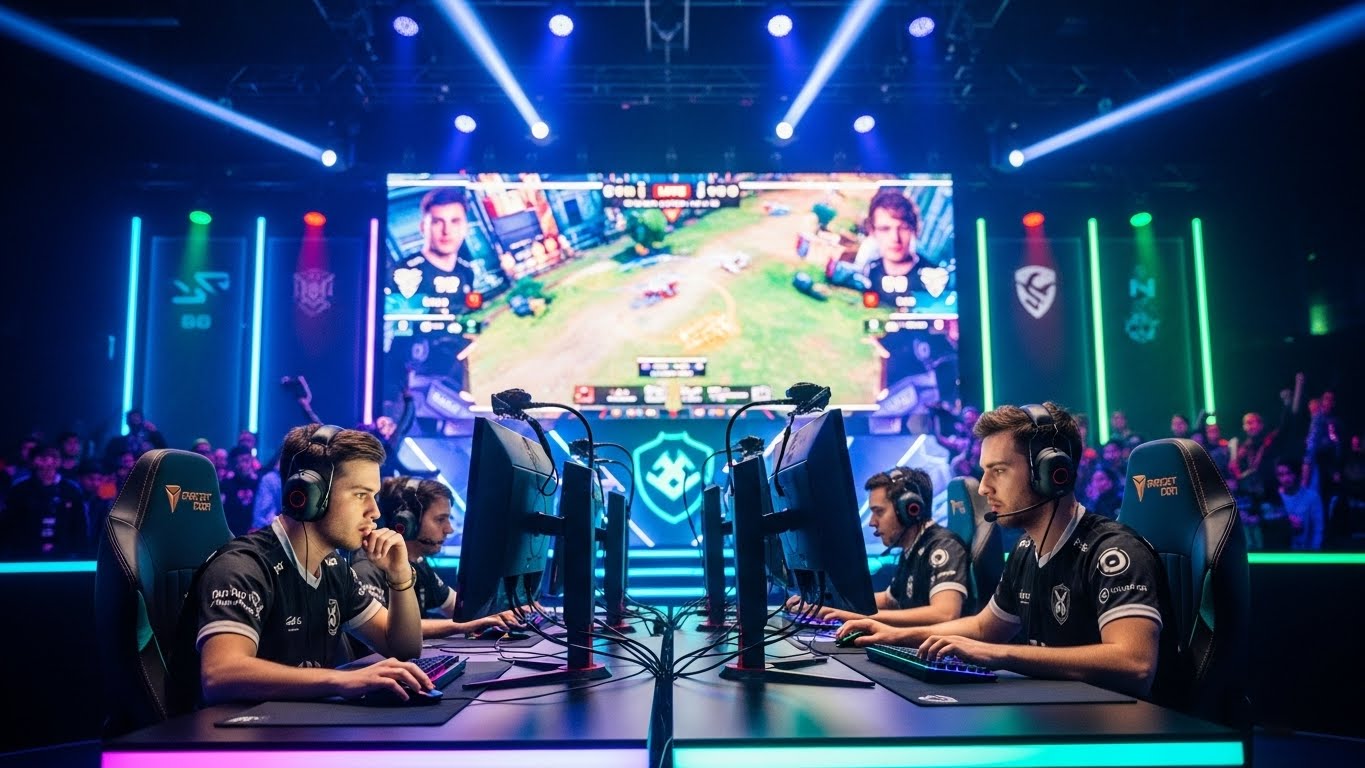
Esports is more than entertainment; it offers significant cognitive and mental benefits. Competitive gaming demands strategic thinking, rapid decision-making, and multitasking under pressure. Players constantly analyze the game environment, predict opponents’ moves, and make split-second decisions, which improves problem-solving, memory, and focus. Multiplayer games also foster teamwork and communication, as players coordinate strategies and support each other in high-pressure situations. Leadership, collaboration, and adaptability are developed through consistent participation, illustrating that esports nurtures essential life skills alongside gaming expertise.
Cultural Influence and Community
Esports has grown into a cultural force, shaping modern entertainment and social interaction. Online gaming communities provide spaces for fans to connect, share strategies, and celebrate achievements. Professional players have become global influencers, inspiring fashion, music, and lifestyle trends. Colleges and universities now offer esports scholarships and programs, recognizing competitive gaming as a legitimate pursuit. Esports fosters inclusivity by providing opportunities for individuals who may face barriers in traditional sports, whether due to physical limitations, geographic constraints, or social circumstances. It has created a global culture where passion, creativity, and skill are celebrated, regardless of background or location.
Health and Wellness Considerations
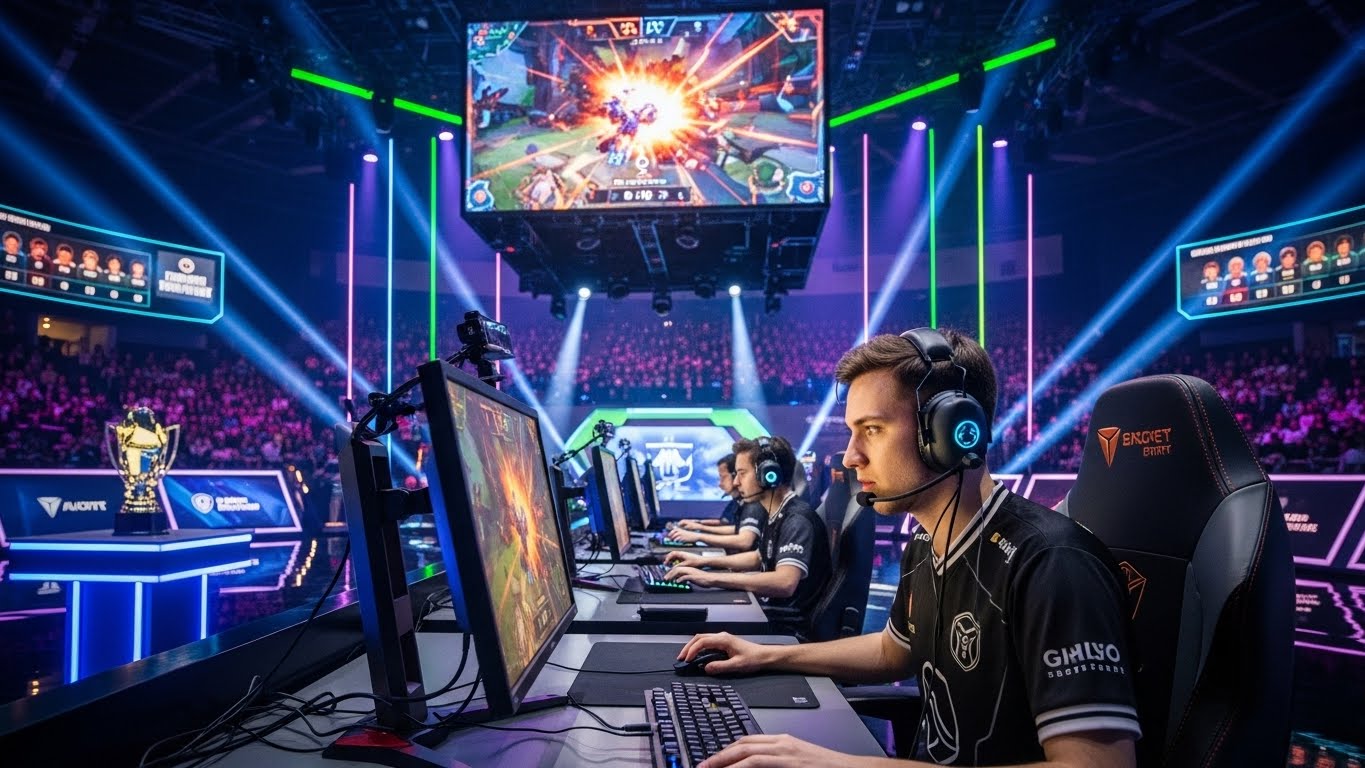
While esports does not demand the physical exertion of traditional sports, maintaining health is essential for professional players. Extended gaming sessions can lead to eye strain, repetitive strain injuries, and mental fatigue. To perform at their best, esports athletes follow strict routines that include physical exercise, ergonomic setups, proper nutrition, and mental health practices. Burnout prevention is a priority, as cognitive performance, reaction time, and strategic thinking are directly influenced by overall wellness. Awareness of these factors has encouraged a more holistic approach to training in esports, balancing intense gameplay with physical and mental care.
Competitive Structure and Professionalism
The competitive nature of esports is highly structured and professional. Most games have ranking systems, leagues, and international tournaments with significant prize pools. Events like the League of Legends World Championship, The International for Dota 2, and the Fortnite World Cup draw millions of viewers and generate substantial revenue. Success requires dedication, discipline, and a well-organized approach to training. Professional players spend years refining their skills, analyzing opponents, and participating in team strategy sessions. The professionalism of esports highlights that competitive gaming demands commitment, preparation, and skill comparable to traditional sports.
Social Connectivity and Inclusion
Esports is a unique medium for social connectivity. Online multiplayer games connect people across geographies, cultures, and social backgrounds, creating communities based on shared interests. These communities foster friendships, mentorships, and collaboration while promoting inclusivity. Fans engage with players through live chats, forums, and social media, transforming the experience into a participatory event rather than passive viewership. Esports also opens doors for those who may not have access to traditional sports due to physical or social constraints, making competitive gaming a platform for broader engagement and participation.
The Future of Esports
The future of esports is bright, with continuous growth expected in both audience size and economic influence. Advancements in technology, including artificial intelligence and immersive gaming, will create new competitive formats and gameplay experiences. Educational institutions and youth programs are nurturing the next generation of professional players, emphasizing both skill development and career readiness. As esports becomes further integrated into mainstream culture, it is poised to achieve recognition similar to traditional sports, complete with structured leagues, ethical standards, and long-term career pathways. The potential for esports to shape entertainment, social connection, and personal development is enormous, signaling a lasting impact on society.
Conclusion: Esports as a Modern Arena
Esports has evolved into a multi-dimensional global phenomenon, combining competition, culture, technology, and community. It offers economic opportunities, cognitive benefits, social connectivity, and cultural influence, redefining the concept of competition in the digital age. From casual gaming to professional leagues, esports illustrates the power of dedication, innovation, and teamwork. It brings together millions of players and fans worldwide, transcending traditional barriers and creating a shared digital experience. In the modern world, esports is not merely a pastime; it is a professional arena where talent, strategy, and passion converge, shaping the future of competitive entertainment.