
 proesportszone51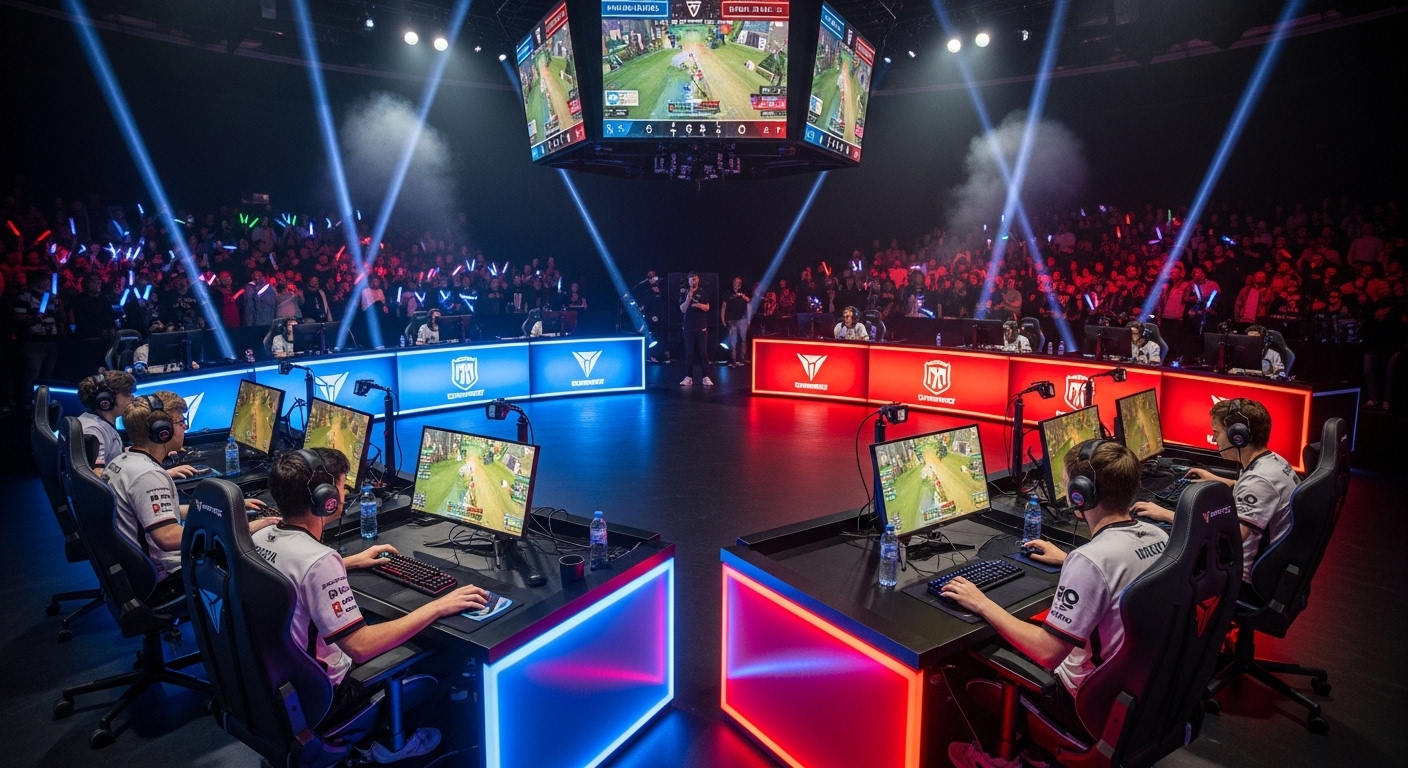
In the last two decades, esports has evolved from a niche hobby to a global powerhouse that attracts millions of players, fans, and investors. What began as a small group of enthusiasts participating in friendly competitions has now become a multi-billion-dollar industry with professional leagues, large-scale tournaments, and a rapidly growing global fanbase. As digital entertainment continues to thrive, esports stands at the forefront of this revolution, changing the way we view sports, entertainment, and even culture itself.
This blog post explores the rise of esports, its global impact, and its future potential. We will look at its roots, how it became mainstream, and the challenges the industry faces as it grows.
The Roots of Esports: Early Beginnings
The foundation of esports can be traced back to the early days of video games. In the 1970s and 1980s, competitive gaming was limited to local arcades and home consoles. These early competitions, such as high-score challenges in games like Pong and Space Invaders, provided the first taste of organized gaming. However, it wasn’t until the 1990s that competitive gaming began to take its modern form.
The launch of multiplayer games and the internet’s widespread use helped bring esports into the limelight. Titles such as Quake and StarCraft were pivotal in the development of competitive gaming, offering players the ability to battle against one another over the internet. These early online games provided the perfect environment for organized competitions, and the first esports leagues began to form.
In South Korea, StarCraft became a phenomenon in the early 2000s. The country’s dedication to esports created a model that other regions would later adopt. South Korea was the first country to recognize esports as a professional career, with television broadcasts and national competitions turning esports players into celebrities. This marked the true birth of professional esports as we know it today.
The Growth of Esports: From Niche to Mainstream
Esports remained a niche pursuit for many years, but its visibility began to increase significantly in the 2010s. The rise of platforms like Twitch and YouTube allowed players to stream their games and build audiences in ways that were previously unimaginable. Suddenly, anyone with an internet connection could watch professional gamers and tournaments in real time, leading to a surge in interest.
One of the main catalysts for esports’ rise was the success of League of Legends. Released in 2009, League of Legends quickly became one of the most popular online multiplayer games in the world. Its competitive structure and league system attracted top-tier players and eventually led to the creation of the League of Legends World Championship. With prize pools reaching millions of dollars, League of Legends became one of the most successful games in the esports scene, drawing millions of viewers from around the globe.
Another key title in the development of esports was Dota 2, a game known for its massive prize pools, especially during its annual tournament, The International. In 2018, The International had a prize pool of over $25 million, a staggering amount that caught the attention of the broader entertainment world. The sheer scale of esports tournaments like these highlighted just how far the industry had come in a relatively short period.
Esports as a Business: The Role of Sponsorships and Investments
One of the most significant factors behind the growth of esports is its commercial appeal. Companies across all industries have recognized the potential of esports to reach a global, tech-savvy audience. Major corporations like Intel, Coca-Cola, Red Bull, and Mercedes-Benz have sponsored esports events, teams, and players, injecting millions of dollars into the industry.
Esports organizations have become more than just teams; they are global brands. Teams like Cloud9, Team Liquid, and FaZe Clan have amassed large followings and have become household names in the gaming world. Sponsorships not only fund tournament prizes but also provide players with salaries, coaching staff, travel expenses, and access to high-quality training facilities.
Investors have also been flocking to esports, with venture capital firms and traditional sports team owners jumping in. This influx of capital has led to the creation of professional esports leagues, such as the Overwatch League and Call of Duty League. These leagues mirror traditional sports leagues, complete with franchise systems and broadcast rights, making esports even more comparable to mainstream sports.
The rise of streaming platforms, particularly Twitch, has also played a major role in the business of esports. Streaming allows content creators to monetize their gameplay through ads, donations, and subscriptions, offering an entirely new way for players and teams to earn revenue. These platforms also help build and sustain fan engagement, offering viewers direct interaction with their favorite players and teams in real time.
The Role of Esports in Modern Entertainment
Esports is not just a game; it’s a form of entertainment that attracts millions of viewers, often rivaling traditional sports. Major esports tournaments are broadcast on television, cable, and streaming platforms, drawing large audiences both online and in person. The rise of esports has also influenced other forms of entertainment, particularly in terms of integration with other media.
Esports is increasingly intersecting with traditional sports. Major sports leagues like the NBA, NFL, and FIFA have started to invest in esports by sponsoring tournaments and even forming esports leagues based on popular sports video games. For example, the NBA launched the NBA 2K League, a professional esports league based on the NBA 2K video game franchise. This connection between esports and traditional sports has helped boost esports’ mainstream appeal and attract a broader audience.
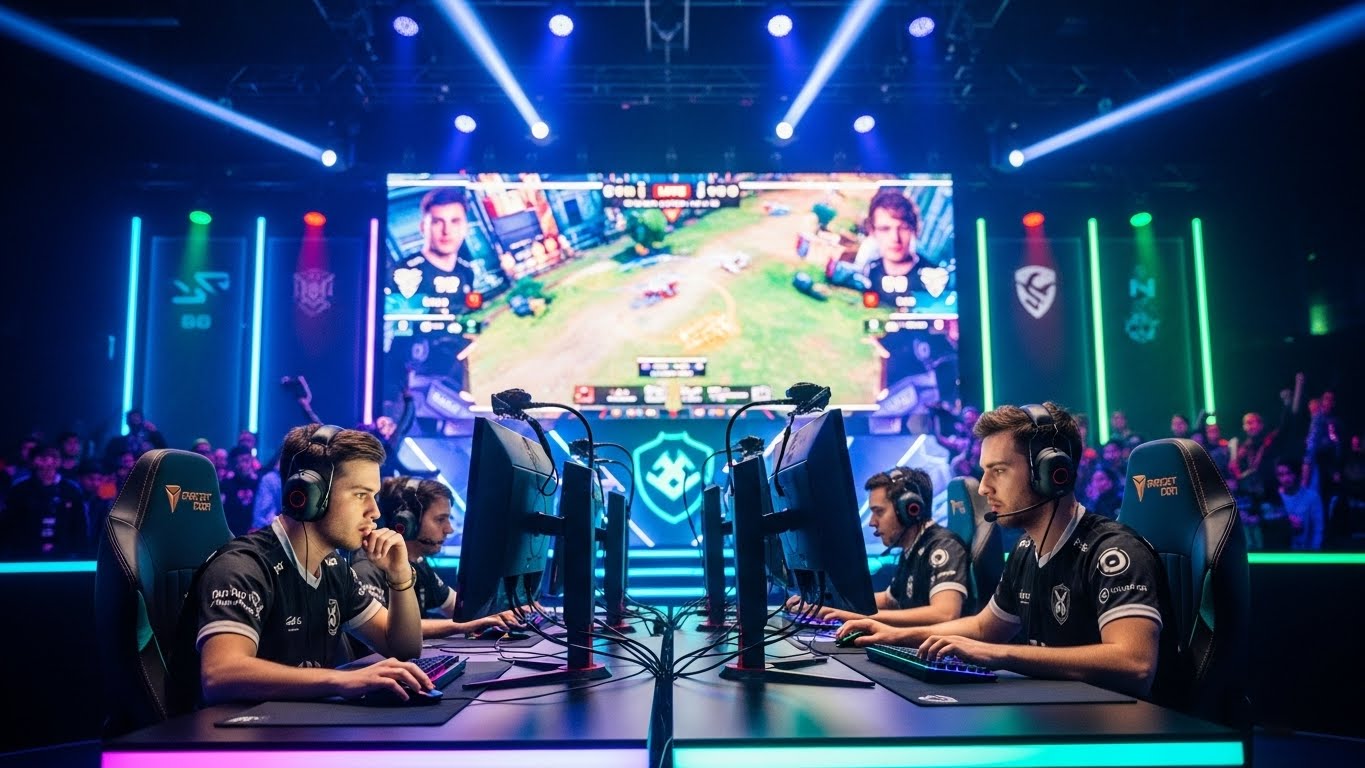
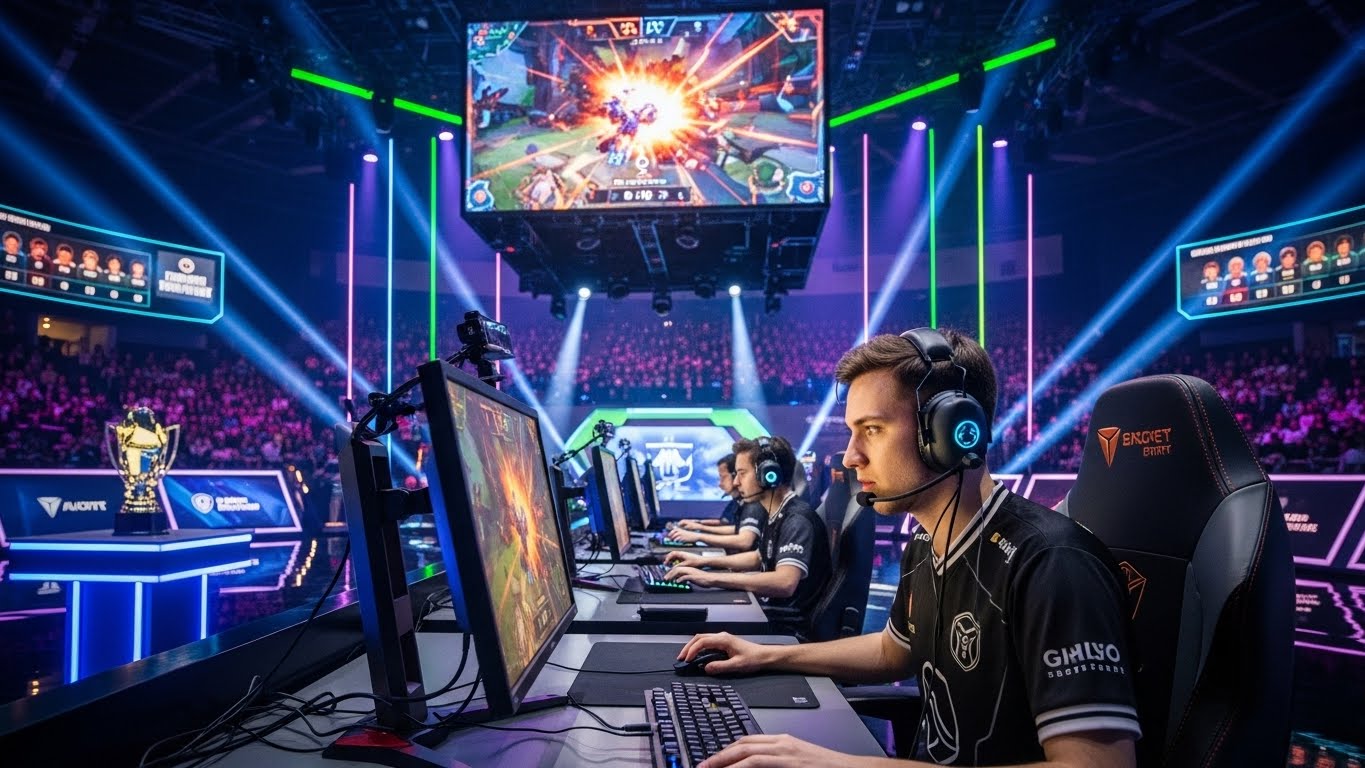
Esports also shares many similarities with traditional sports in terms of team dynamics, strategy, and competition. While physical endurance may not be as crucial in esports as it is in traditional sports, esports players still require immense focus, teamwork, and quick reflexes. The mental acuity required to succeed at the highest level of esports is comparable to that of athletes in any sport.
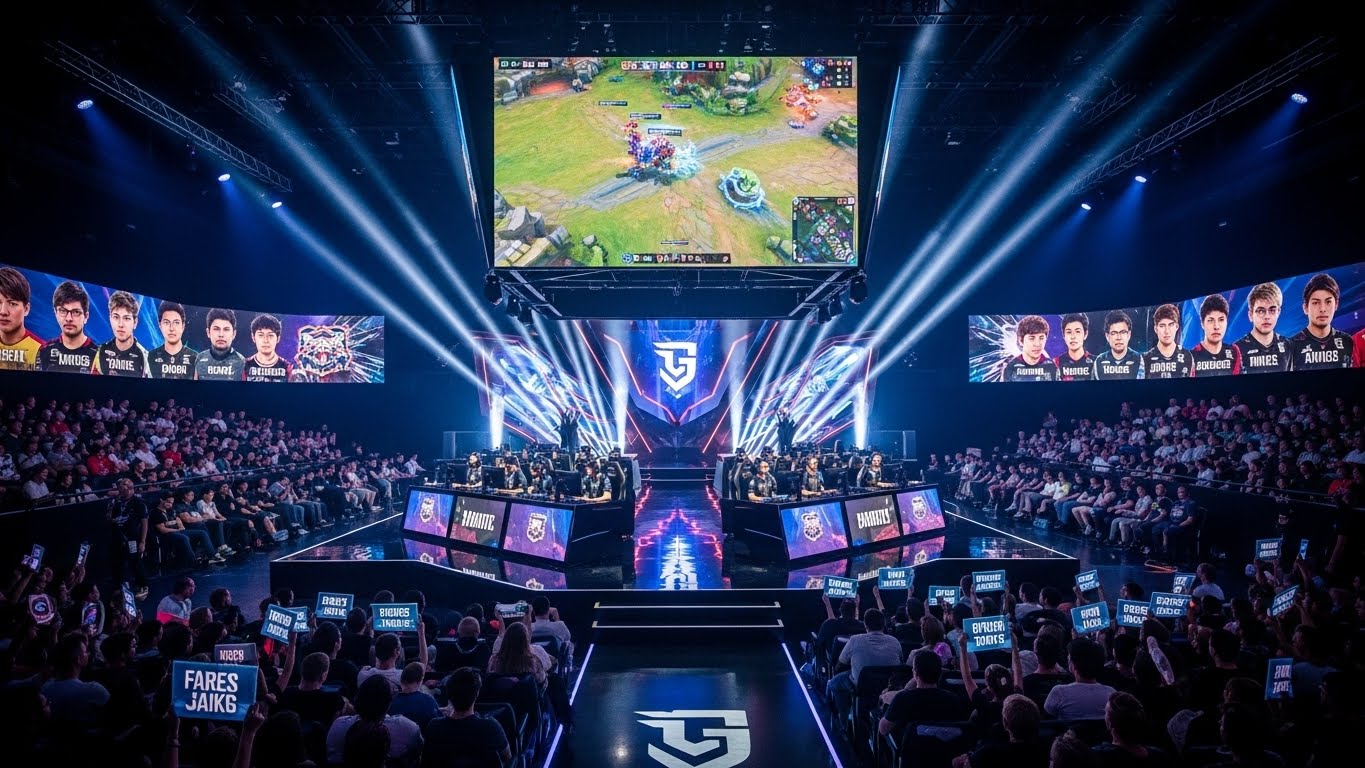
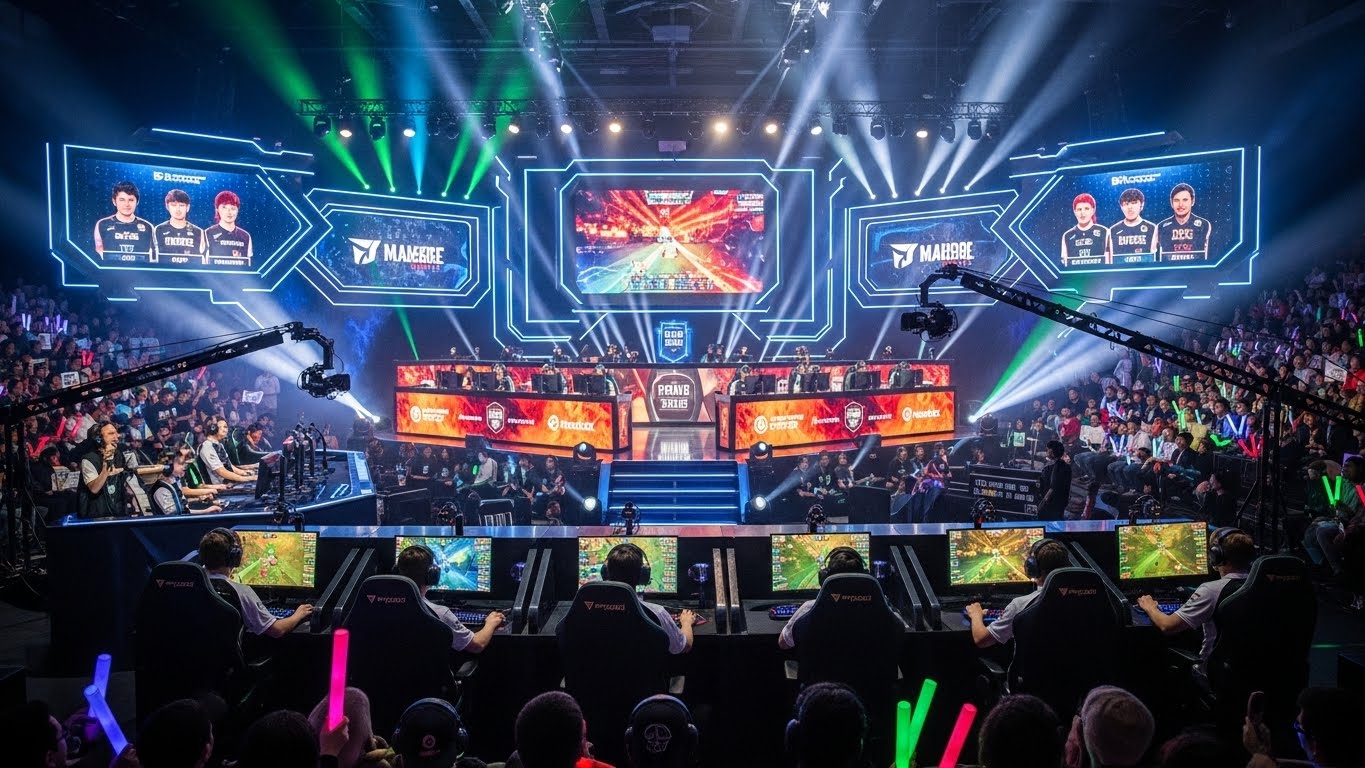
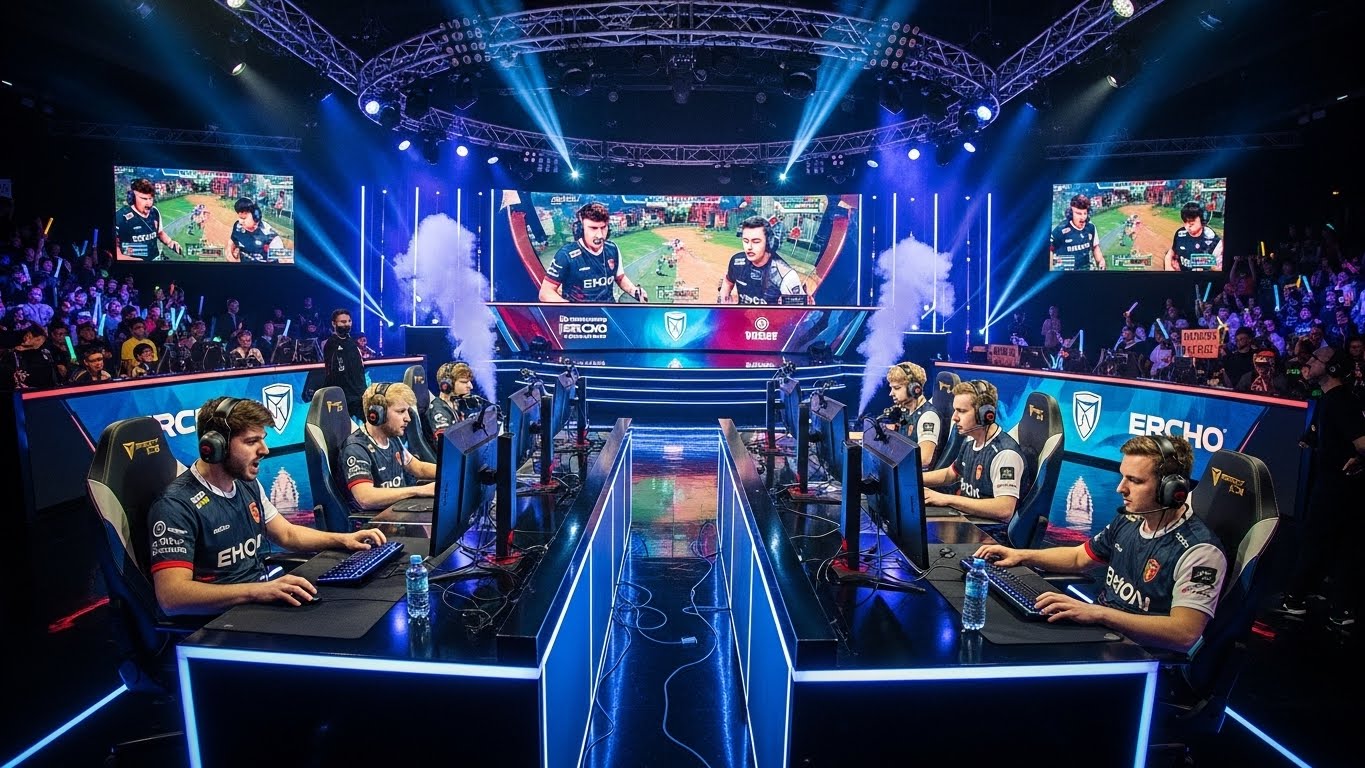
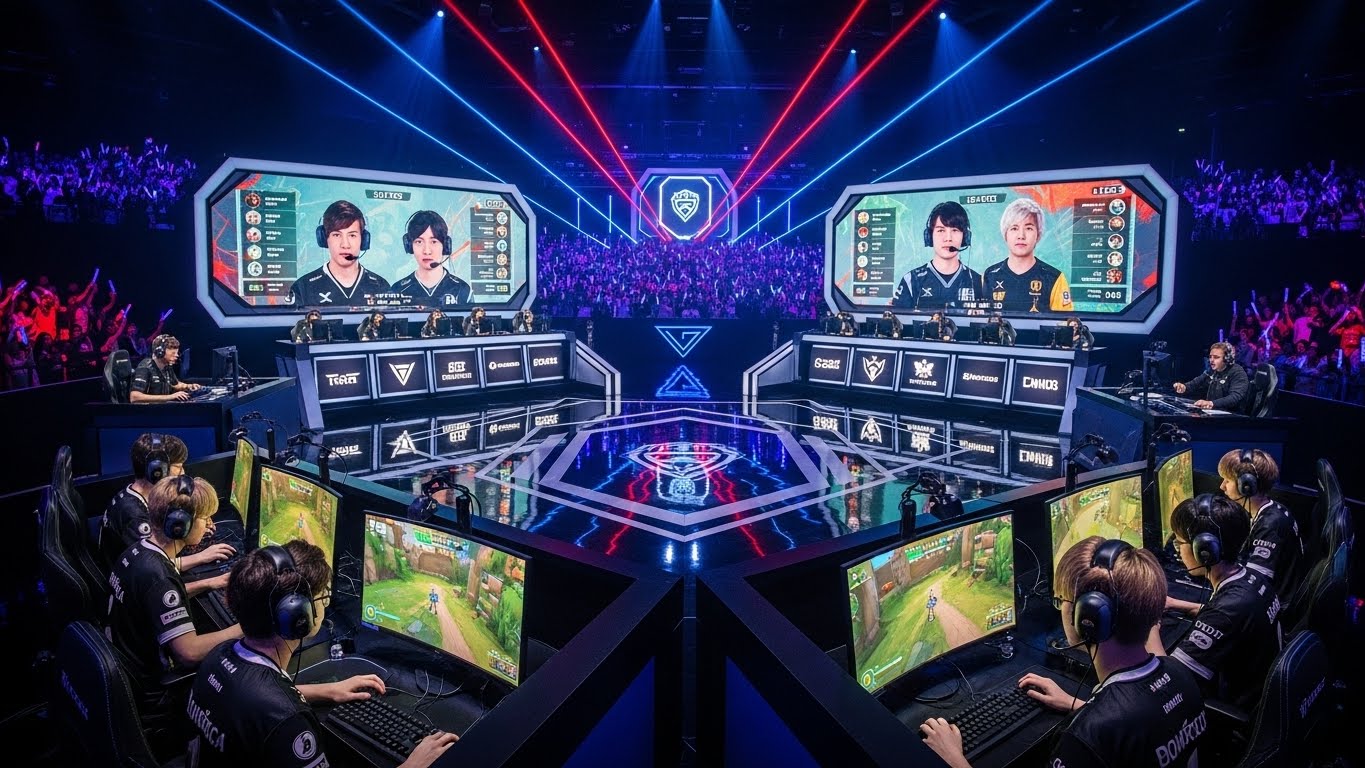
Furthermore, esports events are held in massive arenas, with thousands of fans attending in person, similar to traditional sports events. The atmosphere at major esports tournaments like The International or League of Legends World Championship is electric, with fans cheering for their favorite teams and players, creating a communal experience that mirrors the excitement of live sports.
Esports and Cultural Impact
Beyond the professional scene, esports has had a profound cultural impact. It has influenced the way people socialize, consume media, and even approach education. The rise of esports has brought with it a sense of global community, where players and fans from diverse backgrounds come together to celebrate their shared love of gaming.
Esports has also become a significant force in education, with many universities offering scholarships and programs dedicated to gaming and esports management. Schools have begun to establish varsity esports teams, where students can compete in organized tournaments while earning academic credit. This shift is an acknowledgment of the growing importance of gaming in modern culture and the career opportunities it presents.
The influence of esports extends beyond the gaming community itself. As esports continues to grow, it is becoming an increasingly popular choice for young people who aspire to become professional gamers, content creators, or event organizers. Esports provides an alternative career path that is both financially viable and personally rewarding, attracting a diverse range of individuals.
Challenges Facing Esports
While esports has seen incredible growth, it is not without its challenges. One of the biggest issues facing the industry is player burnout. Professional gamers often train for hours each day, which can lead to physical and mental exhaustion. This strain on players’ health has sparked concerns about their long-term well-being, with many organizations now offering mental health resources and wellness programs to support their athletes.
Another challenge facing the industry is its lack of universal regulation. Unlike traditional sports, esports lacks a global governing body that oversees tournaments, player contracts, and fair play. As the industry continues to expand, finding a way to regulate and standardize esports operations will be essential to ensuring its integrity and long-term sustainability.
Furthermore, esports is still navigating its place within mainstream culture. While it has made significant strides in gaining legitimacy, some critics argue that esports still lacks the cultural cachet of traditional sports. As the industry grows, it will need to overcome these perceptions and prove that it is a legitimate and valuable form of entertainment.
The Future of Esports: A Global Powerhouse
Looking ahead, the future of esports seems incredibly promising. The industry is poised to continue its growth, thanks to the rise of mobile gaming, the integration of new technologies like virtual reality (VR) and augmented reality (AR), and the increasing involvement of traditional sports leagues. As more players enter the scene and new games are developed, the diversity of esports competitions will only increase.
The continued evolution of esports leagues and tournaments will bring more opportunities for players, coaches, and teams to compete at the highest level. New sponsorships and investments will fuel the industry’s growth, while esports’ integration into education and mainstream culture will help establish it as a permanent fixture in the entertainment landscape.
Additionally, as esports continues to attract global audiences, it may eventually become a fixture of major international events such as the Olympics. While this is still a subject of debate, the idea of esports as a recognized Olympic sport is a real possibility in the coming years.
Conclusion
Esports has come a long way since its early days in arcades and LAN parties. It has grown into a multi-billion-dollar industry that not only challenges traditional sports but also changes how we view entertainment and culture. As the world of gaming continues to evolve, esports will undoubtedly continue to expand, creating new opportunities for players, fans, and industry stakeholders alike. Whether you’re a casual fan or a die-hard competitor, one thing is clear: esports is here to stay, and its future is incredibly bright.