
 proesportszone51
Esports has rapidly evolved from a niche pastime into one of the most exciting and fast-growing sectors in the entertainment world. What started as a hobby for competitive gamers has now transformed into a multi-billion-dollar industry with millions of fans, professional athletes, and massive international tournaments. But what is it about esports that has caused this meteoric rise? In this blog post, we’ll dive into the world of esports, exploring its rapid growth, the careers it’s created, and why it’s shaping the future of entertainment.
Understanding Esports: What Makes it Unique?
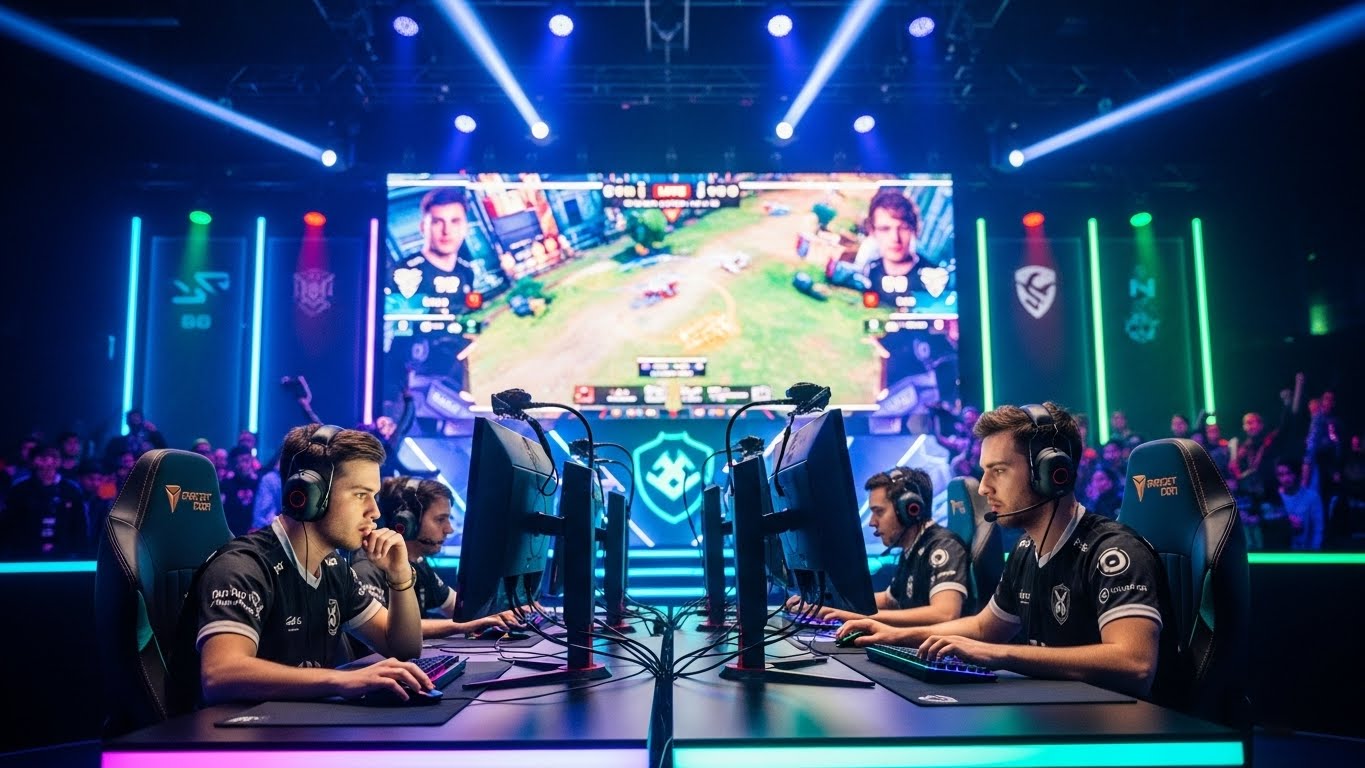
At its core, esports is competitive video gaming, where individuals or teams compete in organized tournaments, usually for large cash prizes. These tournaments are often streamed live and can attract hundreds of thousands, if not millions, of viewers. Unlike casual gaming, esports requires a high level of skill, strategy, and teamwork, making it a form of entertainment that is both thrilling to watch and participate in.
Esports is not limited to one game or genre. Some of the most popular esports games include League of Legends, Counter-Strike: Global Offensive, Fortnite, Dota 2, and Overwatch. The competitive nature of these games, coupled with the growing support from fans and brands, has helped esports become a mainstream form of entertainment.
The Explosive Growth of Esports
Esports has seen an exponential rise in popularity over the last decade, and its growth shows no signs of slowing down. What was once a small, underground community of gamers has now become a global phenomenon. The rise of live-streaming platforms like Twitch and YouTube Gaming has played a huge role in this transformation, providing a way for fans to watch their favorite players and teams compete in real time. This has made esports accessible to anyone with an internet connection, turning it into a worldwide community.
In fact, esports is expected to generate over $1.5 billion in revenue by the end of 2023, a staggering figure that highlights the growing economic power of the industry. Major brands, including Coca-Cola, Intel, and Mercedes-Benz, are now sponsoring esports events, further legitimizing esports as a serious and profitable business.
The Rise of Professional Esports Players and Teams
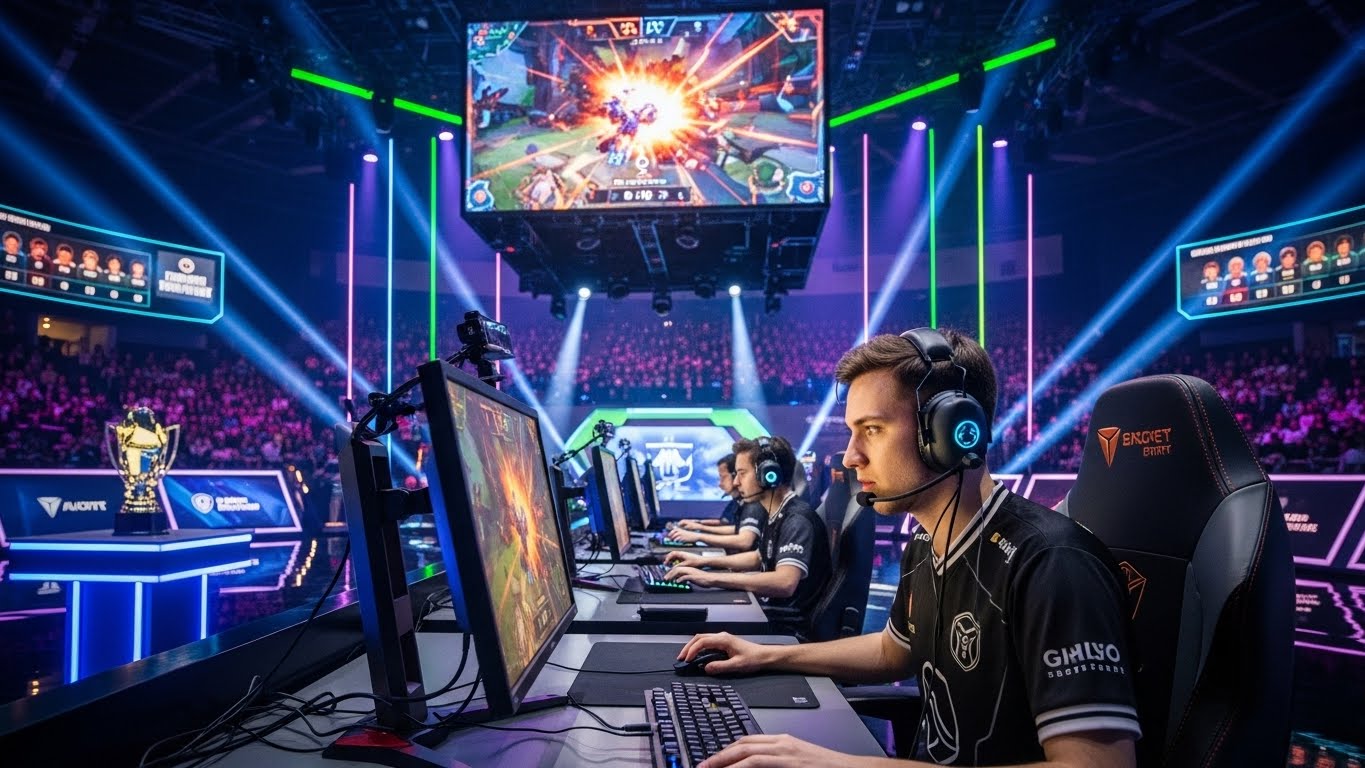
One of the most exciting aspects of esports is the rise of professional players and teams. These athletes are often treated with the same respect and admiration as traditional sports stars. Many esports players start their careers at a young age, honing their skills through countless hours of practice, strategy development, and competition. As esports has grown, so too has the recognition of these athletes, with many of them becoming celebrities in their own right.
Esports organizations, such as Team Liquid, Cloud9, and FaZe Clan, have become household names in the gaming world. These organizations recruit top players, provide coaching and training facilities, and even offer lucrative sponsorship deals. Just like traditional sports, players are now signing multi-million dollar contracts, making esports a viable career choice for anyone with the right skills and determination.
Esports as a Social and Cultural Phenomenon
Esports has become more than just a form of entertainment—it has evolved into a global cultural movement. Streaming platforms like Twitch have made it possible for fans to interact with players in real-time, creating a sense of community that was previously absent from traditional sports. Fans can follow their favorite players, chat with them during live streams, and even engage in competitive gaming themselves.
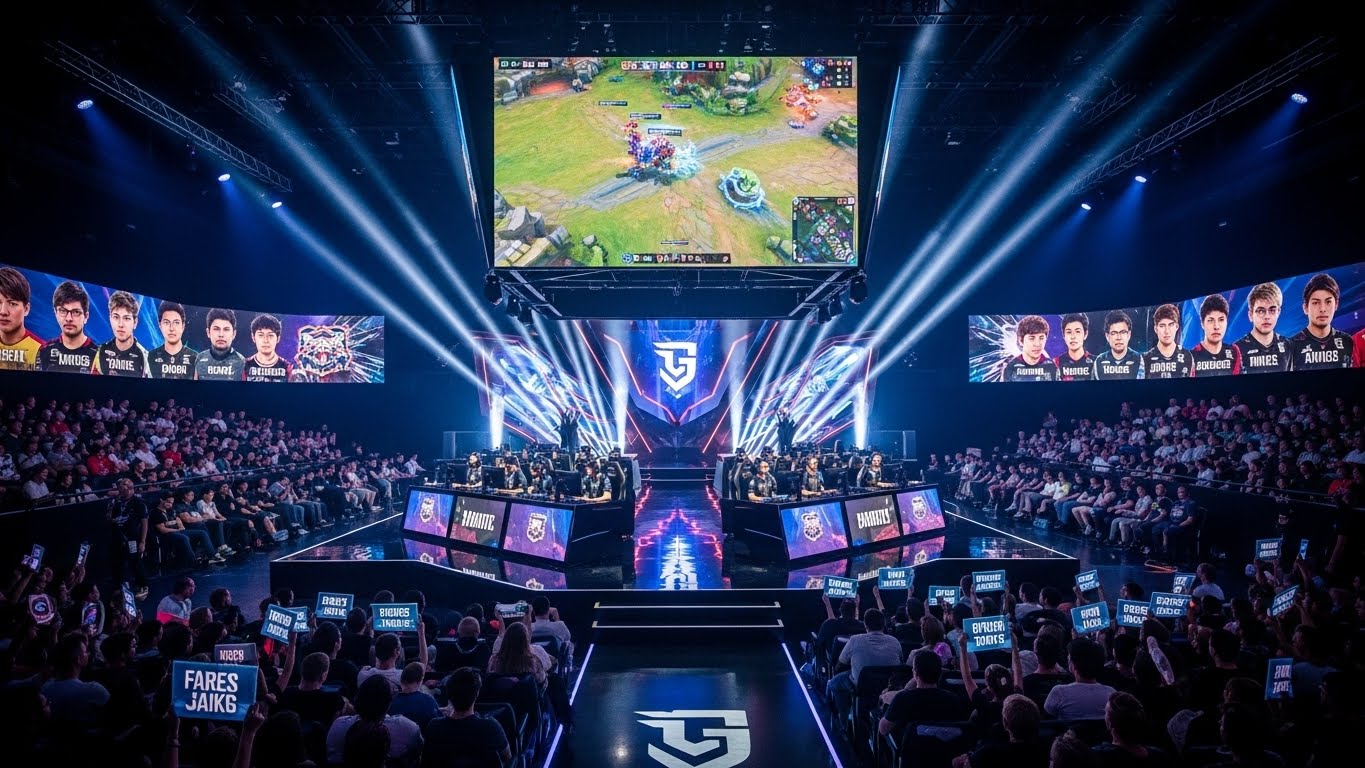
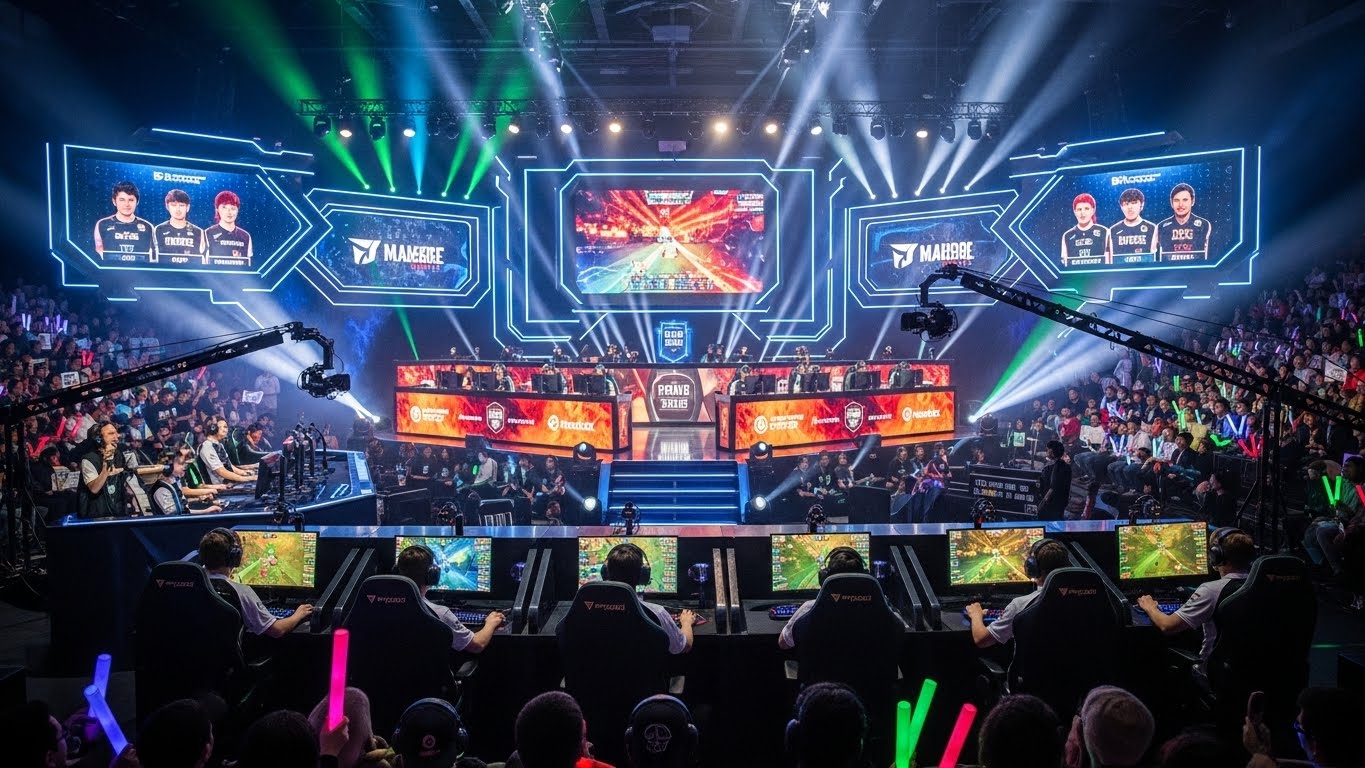
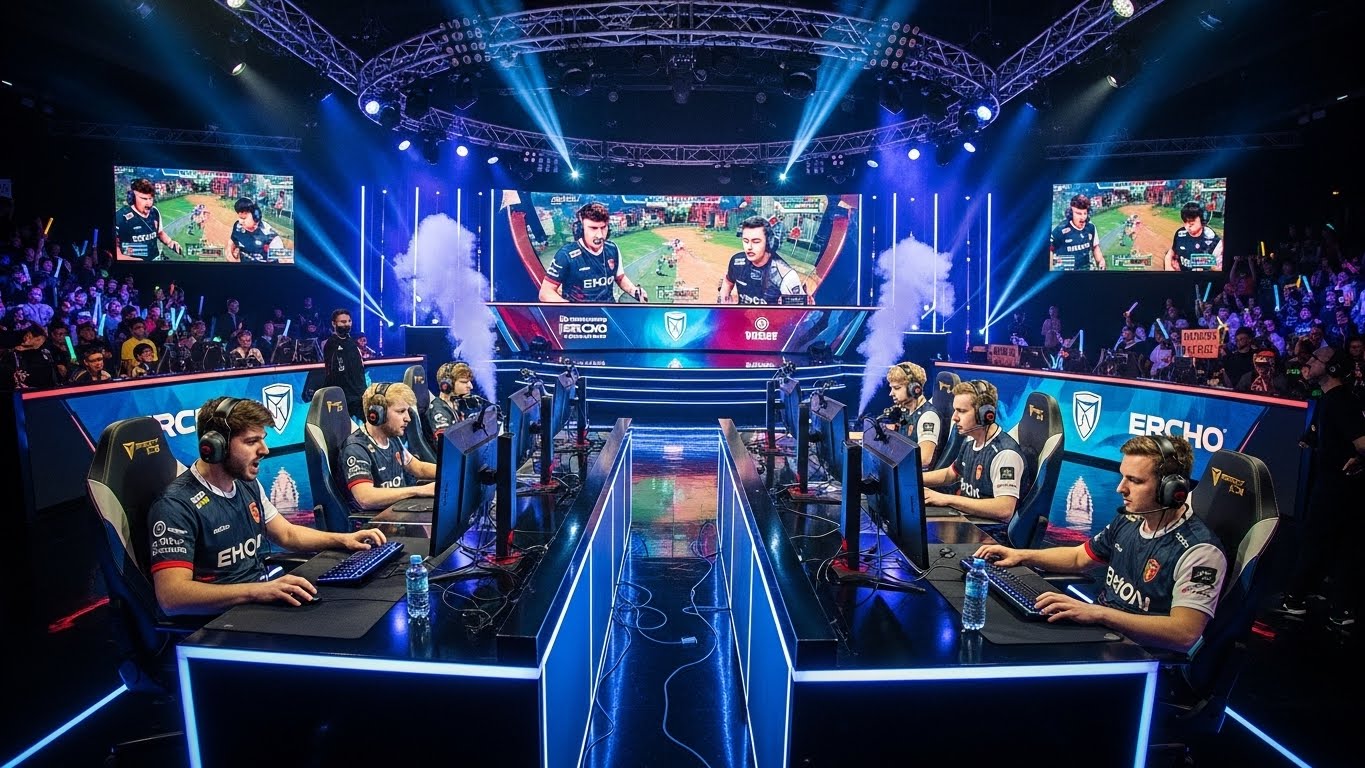
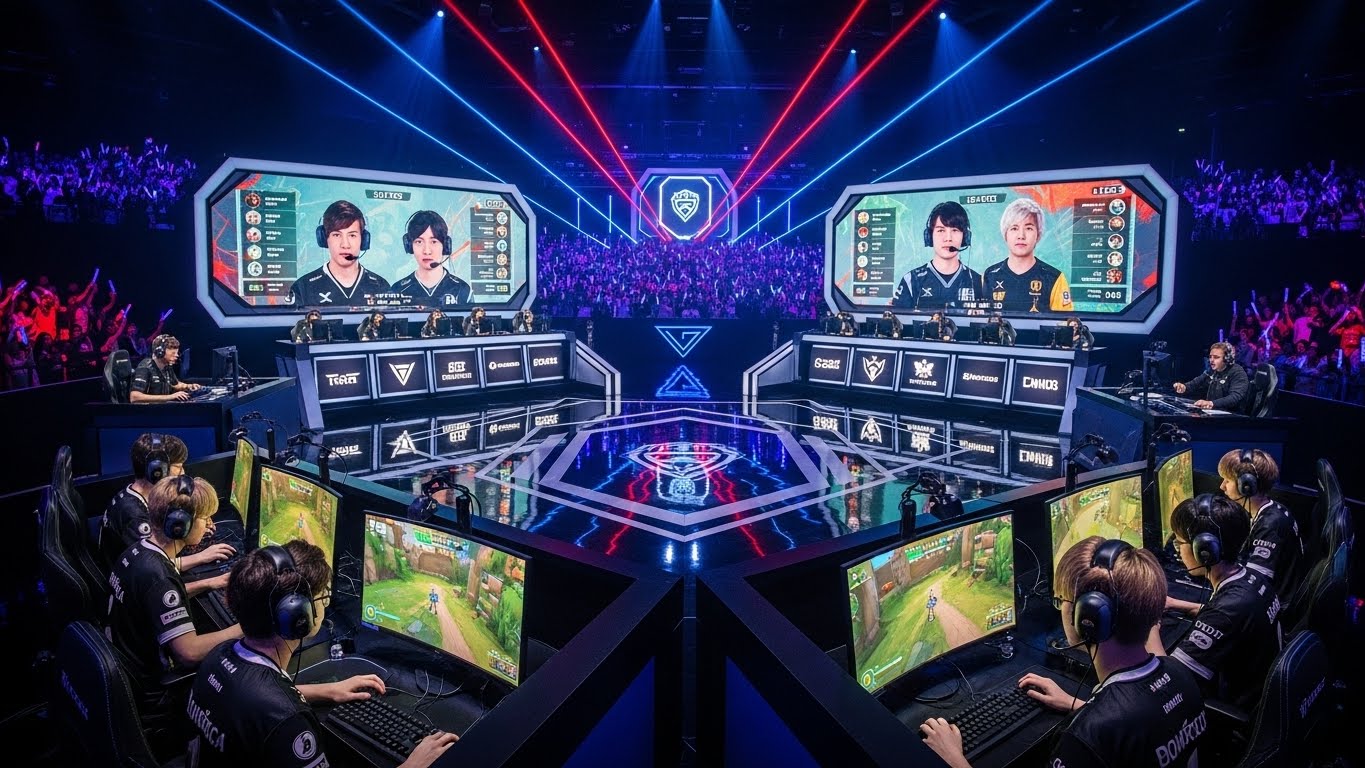
This sense of community is amplified by major esports events, which are often held in large arenas, drawing thousands of fans in person. Events like The International, League of Legends World Championship, and the Overwatch League Finals have become monumental, not just in terms of viewership but also in creating a shared experience for people from all corners of the globe. Esports has created a space where people can come together to celebrate their passion for gaming, often forging friendships and connections that transcend geographic boundaries.
The Business of Esports: Sponsorships, Merchandise, and Media Deals
Esports isn’t just growing because of player skill and fan interest—it’s also thriving due to the money flowing into the industry. Big-name brands, from tech giants like Intel to fashion labels like Gucci, are getting involved in sponsorships, creating new streams of revenue for teams, players, and event organizers. These sponsorships often go beyond just financial support—they also include branded content, exclusive partnerships, and collaborations that help integrate esports into the wider cultural landscape.
Media deals are another driving force behind the expansion of esports. Major networks like ESPN and TNT have started broadcasting esports events, while streaming services like Netflix have begun to produce documentaries and series focused on the world of competitive gaming. This has helped elevate esports from a niche interest to a mainstream form of entertainment, attracting viewers who may not have previously been engaged with gaming culture.
The Role of Technology in Shaping Esports
Technology plays a central role in the evolution of esports, from the games themselves to the platforms on which they are played and broadcasted. Advances in high-speed internet, gaming hardware, and streaming technology have made it easier for players to compete at the highest level and for fans to watch without interruptions.
The use of virtual reality (VR) and augmented reality (AR) is also gaining traction in esports. Some events are now experimenting with VR, offering fans a more immersive viewing experience. Esports games are also becoming more complex and engaging, with constant updates and new features being added to keep both players and viewers excited.
The Educational and Career Opportunities in Esports
Esports is not just about playing games—it’s also about building careers in a variety of fields. As the industry grows, new job opportunities are emerging, from event organizers and broadcasters to content creators and analysts. Many colleges and universities have recognized the potential of esports and have begun offering scholarships and degree programs related to gaming, esports management, and digital media.
For aspiring esports professionals, there are now dedicated pathways to enter the industry. Some players are recruited directly from gaming communities, while others rise through online tournaments. Coaches, analysts, and team managers are also in high demand, as esports teams require strategic planning and in-depth analysis to succeed in competitions. The growing ecosystem of esports has created a wealth of career options for those interested in gaming, whether as a player or in supporting roles.
The Future of Esports: What’s Next?
The future of esports looks incredibly promising. As technology continues to improve, we can expect even more immersive and interactive experiences for both players and viewers. Virtual reality and AI-powered gameplay could reshape how games are played and streamed, making esports even more dynamic and exciting.
Additionally, as esports continues to integrate with traditional sports and entertainment, we may see more crossover events, collaborations, and media exposure. With the continued growth of mobile gaming, esports is also set to expand further, reaching new demographics and global audiences.
Conclusion
Esports is no longer just a pastime for gamers—it’s a global powerhouse that is reshaping the landscape of competitive entertainment. With its ever-expanding audience, lucrative career opportunities, and cultural impact, esports is a force to be reckoned with. Whether you’re a player, a fan, or someone just discovering the world of competitive gaming, there’s no denying that esports is here to stay, and its influence will only continue to grow.