
 proesportszone51
Introduction: The Digital Arena of a New Generation
In the past, gaming was often dismissed as a hobby, a time-consuming escape from reality, or a fringe interest confined to small circles of tech-savvy youth. Fast-forward to the present day, and esports has emerged not only as a legitimate form of competition but as a global cultural force, shaping careers, industries, and international entertainment.
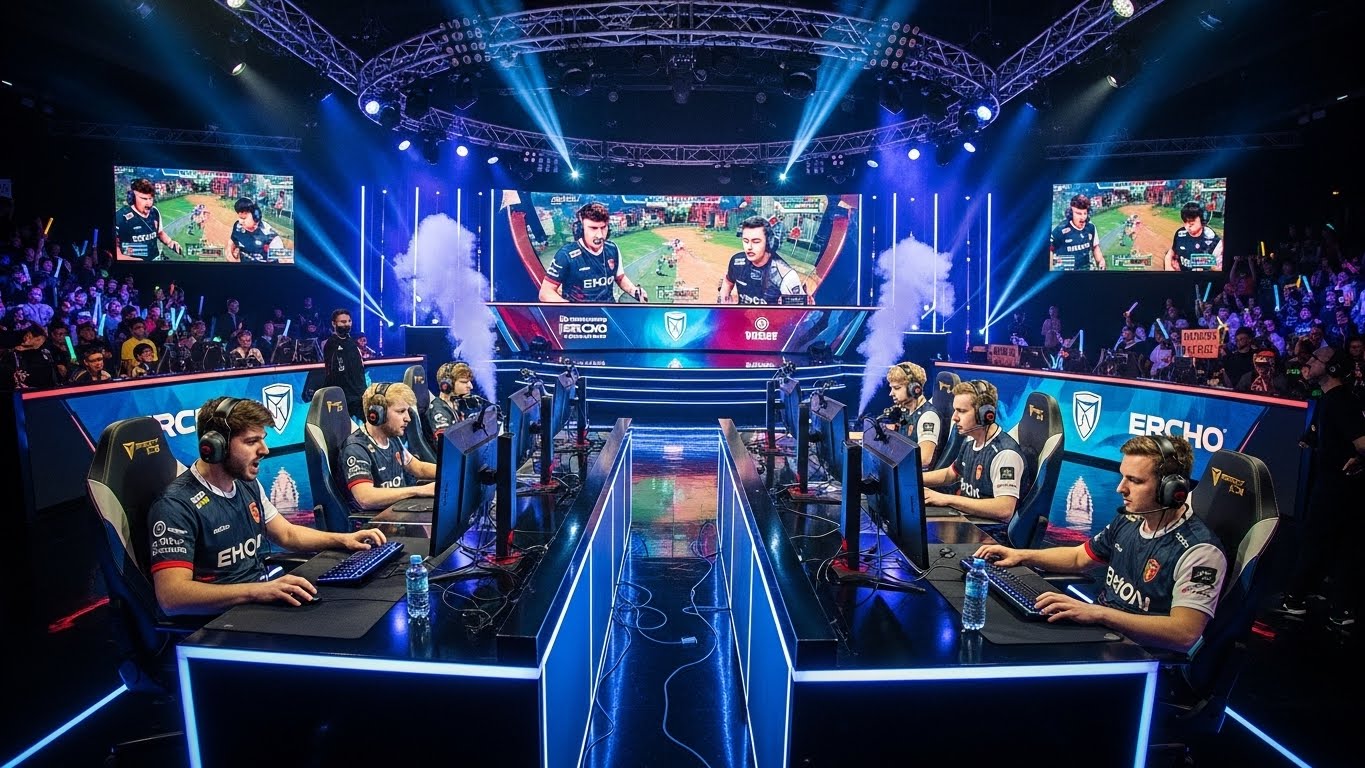
Esports, short for electronic sports, refers to competitive video gaming at a professional level. It combines the thrill of traditional sports with the accessibility and innovation of the digital world. Players train rigorously, teams strategize with surgical precision, and millions of viewers watch these virtual battles unfold with the same intensity and loyalty that football or cricket fans display.
In this extensive exploration, we will dive into the world of esports — its history, growth, major games, key players, economics, challenges, and the future that lies ahead. This is not just a story of games, but of ambition, technology, culture, and global evolution.
The Origins of Competitive Gaming
To understand the present stature of esports, we must revisit its modest beginnings. The first whispers of competitive gaming surfaced in the 1970s and 80s, long before the internet revolution. The earliest known video game competition took place in 1972 at Stanford University, where students played the space combat game “Spacewar” for a year-long subscription to a magazine. It was symbolic but marked the first known gaming event with organized rules and rewards.
The 1980s saw the rise of arcades, where players would battle for high scores on machines like Pac-Man, Donkey Kong, and Street Fighter. Scoreboards and reputation within communities were early forms of “rankings.” The 1990s introduced multiplayer experiences through LAN (Local Area Network) gaming, especially with the release of games like Doom, Quake, and StarCraft. These titles laid the foundation for player-versus-player formats that became central to modern esports.
The Internet Revolution and the First Global Tournaments
The late 1990s and early 2000s were transformative. High-speed internet enabled real-time multiplayer gaming across borders. With this change, organized competitions scaled dramatically. Games like Counter-Strike, Warcraft III, and StarCraft: Brood War started gaining traction in regions like South Korea, where internet cafés and gaming clubs fostered a competitive culture.
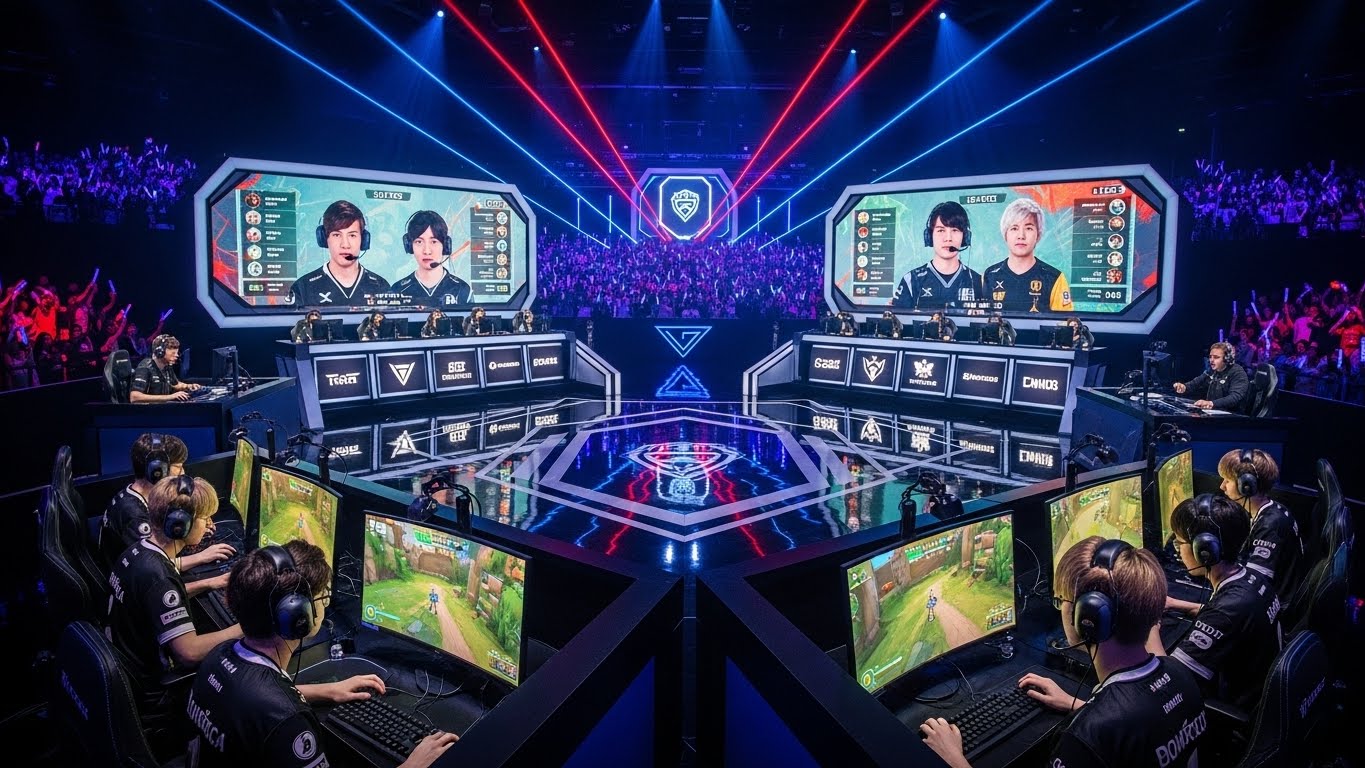
South Korea quickly became a hotspot for esports, with televised matches, team sponsorships, and government support. Professional players in Korea began earning salaries, fan followings, and brand deals — a phenomenon almost unheard of elsewhere at the time.
Meanwhile, the West was not far behind. Games like Halo, Call of Duty, and League of Legends began developing their own tournament scenes. The early 2010s witnessed a boom in prize money, viewership, and organizational structures as esports moved from community events to fully-fledged international spectacles.
The Rise of Streaming Platforms
One of the most critical developments in the growth of esports was the advent of game streaming platforms. Twitch, launched in 2011, revolutionized how people consumed video game content. It allowed fans to watch live matches, follow their favorite players, interact with communities, and even tip or subscribe to channels.
Streaming eliminated geographical barriers. A fan in Brazil could now watch a Dota 2 match in Sweden or follow a Fortnite tournament in the United States. This real-time, global accessibility supercharged viewership numbers and drew the attention of sponsors, advertisers, and mainstream media.
In parallel, YouTube Gaming, Facebook Gaming, and regional platforms also emerged, further democratizing access to esports content. Today, millions of viewers tune in to watch tournaments, solo streams, and behind-the-scenes content daily.
Major Esports Titles: Games That Made the Industry
Several games have played defining roles in the rise of esports. While there are hundreds of competitive games, a few titles have significantly shaped the industry across different genres.
League of Legends
Developed by Riot Games, League of Legends (LoL) is a Multiplayer Online Battle Arena (MOBA) game that has built one of the most structured and successful competitive ecosystems. The annual League of Legends World Championship gathers millions of viewers globally and features teams from multiple regional leagues.
Dota 2
Valve’s Dota 2 is another MOBA that revolutionized esports with its tournament model. The game’s flagship event, The International, has consistently offered some of the largest prize pools in esports history — often surpassing 30 million dollars, thanks to community-funded contributions.
Counter-Strike: Global Offensive
As a tactical first-person shooter, Counter-Strike has been a staple of competitive gaming since the early 2000s. Its latest iteration, Global Offensive, maintains a massive player base and a vibrant tournament scene with leagues across Europe, North America, and beyond.
Fortnite
Epic Games’ Fortnite brought esports to a younger audience through its unique combination of battle royale gameplay, creative modes, and celebrity collaborations. The Fortnite World Cup in 2019 stunned the world with a 16-year-old champion taking home a 3 million dollar prize.
PUBG and Mobile Games
PlayerUnknown’s Battlegrounds (PUBG) popularized the battle royale format and opened doors for mobile esports, particularly in Asia and the Middle East. PUBG Mobile, Free Fire, and Mobile Legends have become central titles in mobile esports competitions.
Fighting and Sports Games
Titles like Street Fighter, Tekken, FIFA, and NBA 2K have also sustained their competitive scenes. These games often see success in localized events, community-driven tournaments, and global circuits.
The Business of Esports: Money, Sponsorships, and Infrastructure
Esports is now a multi-billion dollar industry. Revenue comes from several sources:
- Sponsorships and advertising
- Media rights and broadcasting deals
- Merchandise and branding
- In-game purchases and cosmetics
- Ticket sales for live events
- Franchise fees and investments
Top esports organizations function similarly to traditional sports franchises. They have coaching staff, analysts, marketing teams, business executives, and player support systems. Brands like Team Liquid, T1, Fnatic, and Cloud9 operate across multiple games and regions.
Major companies such as Coca-Cola, Intel, Red Bull, Nike, and BMW have entered the esports sponsorship space. Their presence validates the industry’s mainstream appeal and contributes to long-term sustainability.
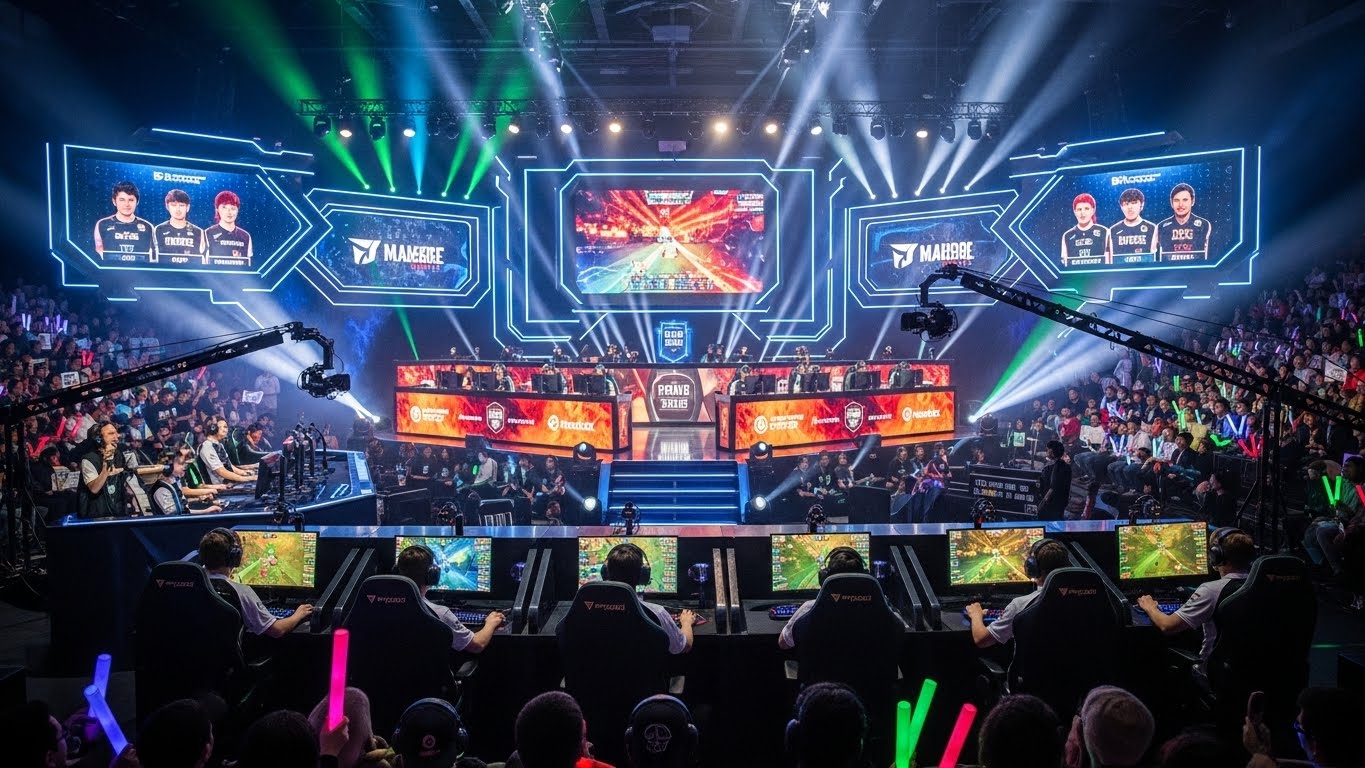
Broadcasting quality has also improved significantly. Professional production teams, commentators, analysts, and high-end graphics have transformed esports broadcasts into cinematic experiences, rivaling major sporting events.
The Life of a Pro Gamer
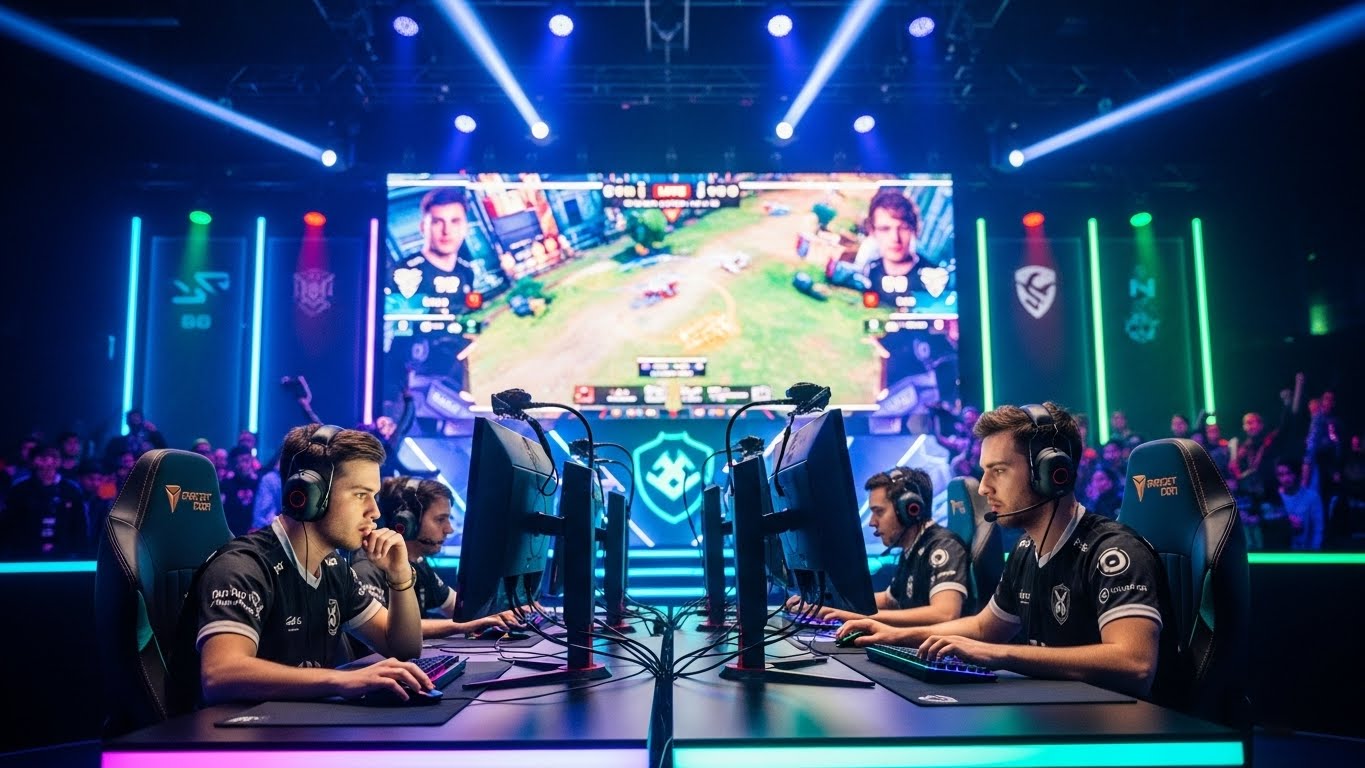
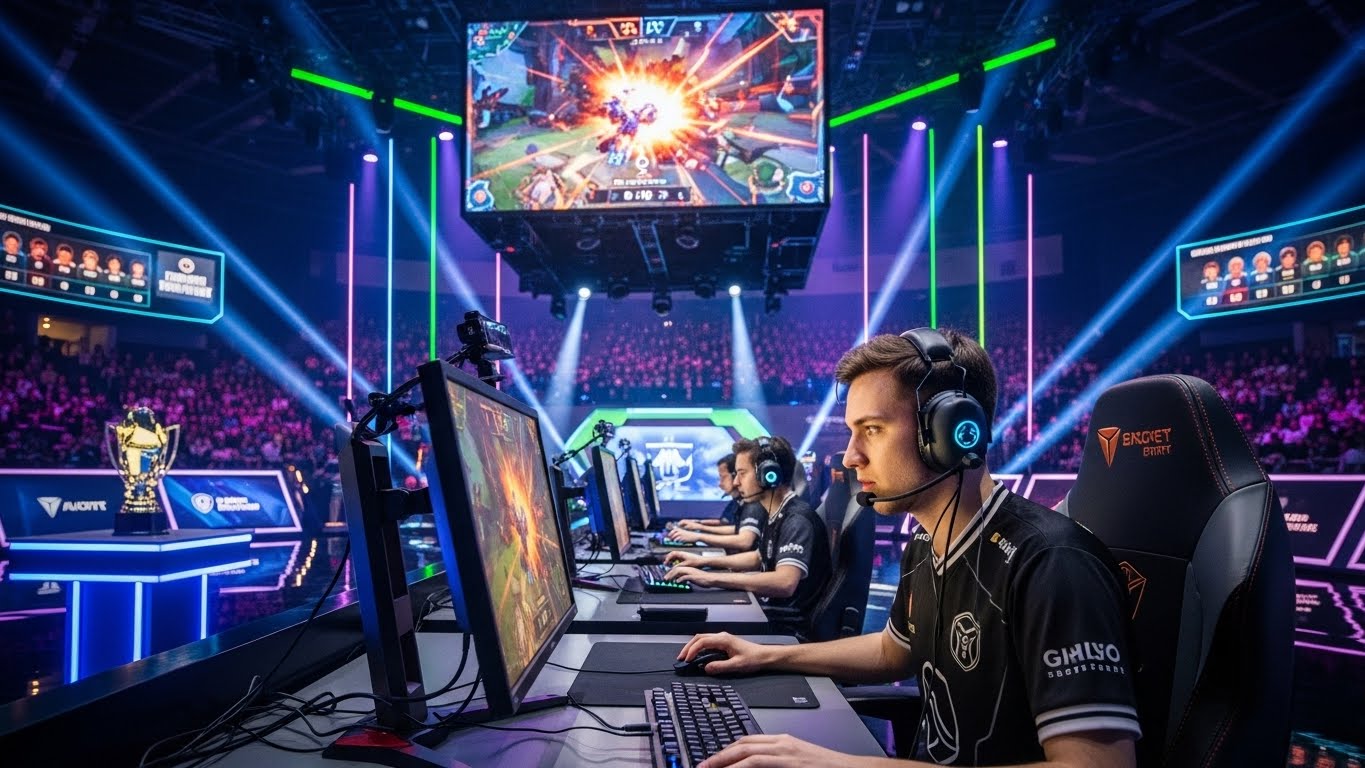
Becoming a professional esports player is a dream for many but a reality for only a few. It demands intense dedication, hours of daily practice, strategic thinking, and team coordination. The average pro player starts training during their teenage years, often rising through ranked ladders or amateur tournaments before being scouted by professional teams.
The daily life of a pro player typically includes:
- Individual practice to sharpen mechanics
- Team scrimmages to build synergy
- Watching replays and reviewing matches
- Physical fitness routines
- Mental health support and media training
However, the career span of a professional gamer is short. Reaction times peak in early adulthood, and burnout is a common issue due to high pressure, long hours, and mental fatigue. Many players transition into streaming, coaching, content creation, or management after retiring from competition.
Esports Viewership: A New Age of Digital Fandom
Esports fans are some of the most engaged and active audiences in the entertainment world. Unlike traditional sports fans who passively watch, esports fans interact with the content, follow players’ personal streams, participate in live chats, and even co-stream events.
Tournaments often feature chat rooms, memes, trivia games, and fan giveaways. Esports personalities, including players, casters, and streamers, build strong personal brands. This human connection enhances the overall viewership experience.
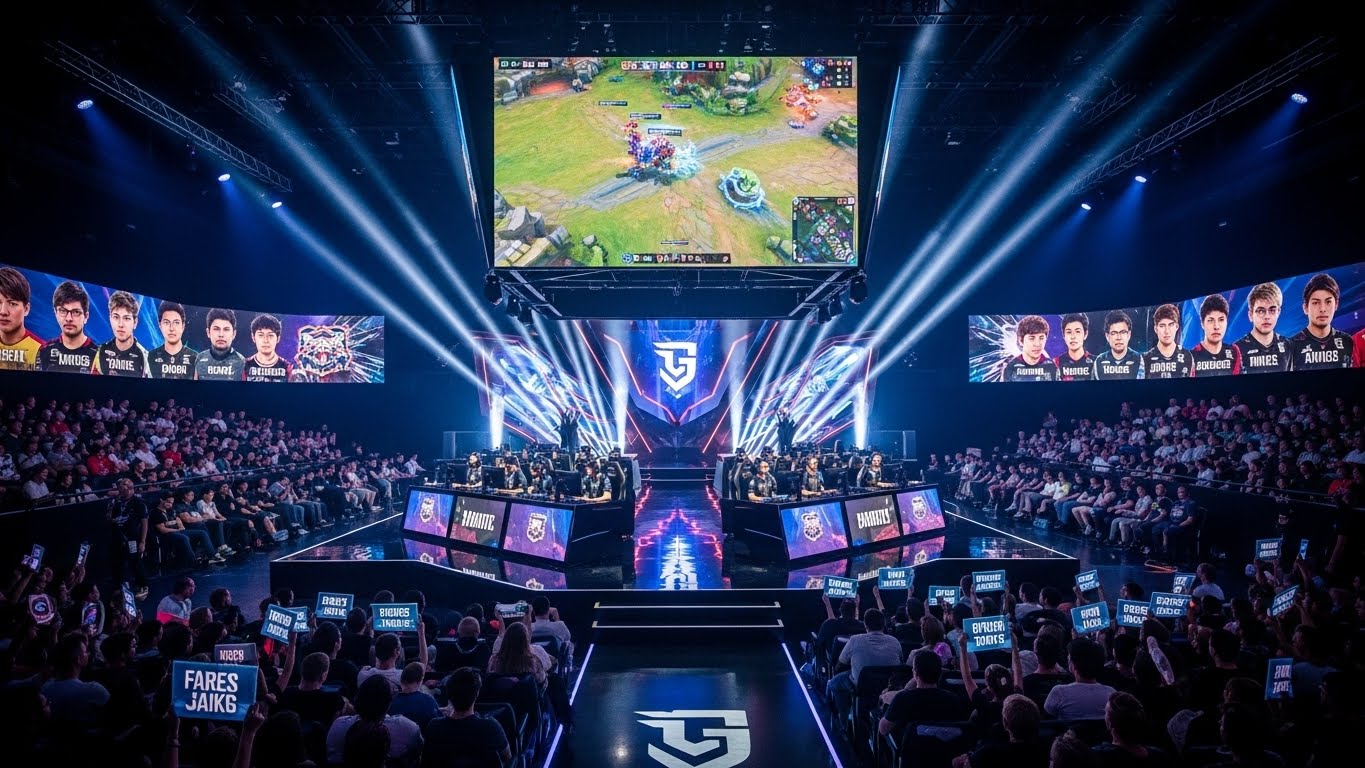
Live event attendance is also growing. Major arenas around the world now host esports tournaments. Events like the League of Legends World Championship and Dota 2’s The International fill venues that once only saw concerts or major sports finals.
Globalization and Local Ecosystems
Esports is inherently global. Players, teams, and fans from every continent contribute to the industry. However, regional ecosystems are also vital for nurturing talent and sustaining long-term growth.
Asia remains a powerhouse in esports, with countries like South Korea, China, and the Philippines producing world-class players. Europe and North America have also developed structured leagues and team franchises. Emerging markets in Africa, the Middle East, and South America are seeing rapid growth due to mobile gaming and increased internet access.
Governments in countries like China and South Korea have even recognized esports as an official sport, leading to state funding, training centers, and formal education in gaming disciplines.
Education and Career Opportunities in Esports
Esports has opened doors to numerous career paths beyond professional play. The ecosystem includes:
- Casters and commentators
- Team coaches and analysts
- Event organizers
- Graphic designers and content creators
- Marketing and public relations professionals
- Game developers and balance designers
- Broadcast and production staff
- Legal and contractual advisors
Several universities now offer esports degrees or scholarships. High schools and colleges have also begun forming their own esports teams, mirroring the structure of traditional sports.
This educational integration supports students who want to build careers in esports, not just as players, but as professionals contributing to the broader industry.
Challenges Facing the Esports Industry
Despite its success, esports faces several ongoing challenges.
Health and Well-being
Player health, both physical and mental, is often compromised due to excessive screen time, irregular sleep, and high stress. Organizations are beginning to prioritize mental wellness programs, ergonomic