
 proesportszone51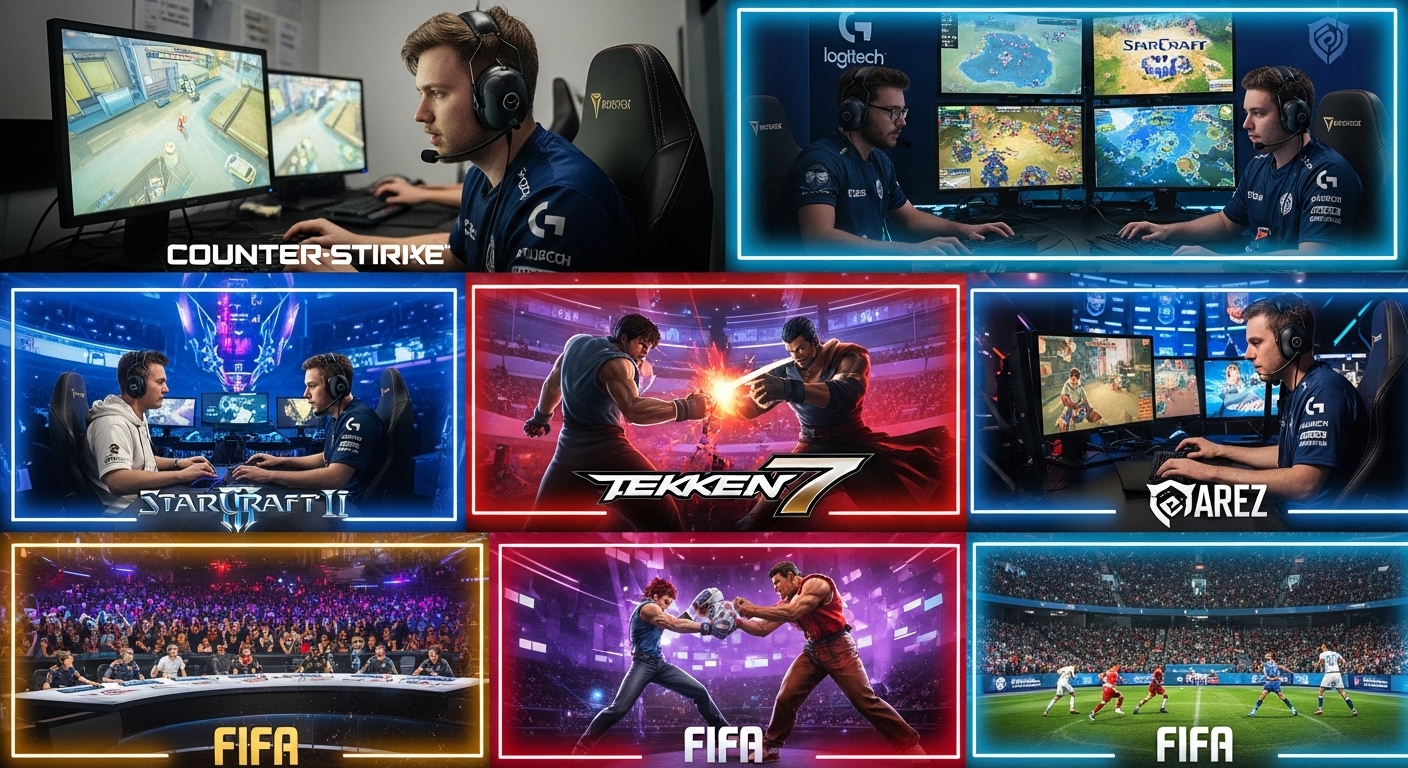
Esports, short for electronic sports, has grown from a niche hobby to a global phenomenon, attracting millions of fans, players, and viewers from all corners of the world. What was once considered just a pastime for gamers has transformed into a professional, competitive environment that rivals traditional sports in terms of viewership, sponsorship, and cultural influence. In this blog, we will explore the rise of esports, the structure of the industry, its impact on the gaming community, and what the future holds for this dynamic and ever-growing sector.
The Origins of Esports
The origins of esports can be traced back to the early days of video games. In the late 1970s and early 1980s, competitive gaming was a small and localized affair, with players participating in tournaments for arcade games like Space Invaders and Pong. These early competitions were mostly informal, but they laid the groundwork for what would eventually become a global industry.
As technology evolved, so did competitive gaming. In the mid-1990s, the advent of the internet allowed players to compete online, breaking down geographical barriers and creating the first true esports communities. One of the most significant early milestones in esports was the rise of StarCraft in South Korea. The game became a national phenomenon, leading to the creation of professional leagues and televised events. South Korea’s investment in esports infrastructure, including dedicated TV channels and arenas for tournaments, played a crucial role in shaping the esports scene as we know it today.
By the early 2000s, the advent of games like Warcraft III, Quake, and Counter-Strike further established esports as a legitimate competitive pursuit. These games brought together players from around the world in large-scale online tournaments and LAN (Local Area Network) events, marking the beginning of organized, high-stakes esports competitions.
The Explosion of Esports: The 2010s and Beyond
The real explosion of esports occurred in the 2010s. This decade saw a meteoric rise in the number of competitive tournaments, the size of prize pools, and the growing popularity of esports as a spectator sport. This period also saw the birth of major esports organizations and leagues, many of which continue to dominate the scene today.
One of the most notable developments in this period was the creation of Twitch, a live streaming platform for gamers, in 2011. Twitch revolutionized the way fans could interact with their favorite players and teams. By allowing streamers to broadcast their gameplay in real time, Twitch created a direct connection between esports professionals and their audiences. This accessibility led to a surge in popularity for both esports events and gaming culture at large.
During this time, major tournaments for games like League of Legends, Dota 2, and Overwatch began to gain mainstream attention. The League of Legends World Championship, held annually since 2011, became a massive event, drawing millions of viewers worldwide. The International Dota 2 tournament, with prize pools often surpassing $30 million, set the stage for esports as a legitimate, multimillion-dollar industry.
Additionally, the sponsorship and media rights for these tournaments became increasingly lucrative. Brands from a variety of industries—tech companies, energy drinks, and even traditional sports teams—sought to get involved in esports, seeing the enormous potential in reaching the younger, tech-savvy demographic that follows competitive gaming.
The Structure of Esports: From Players to Organizations
Esports today is a multifaceted ecosystem with various layers that work together to create a thriving industry. Understanding the structure of esports is essential to appreciating how the industry functions and continues to grow. Here’s a breakdown of the key components that make up the esports ecosystem.
Professional Players
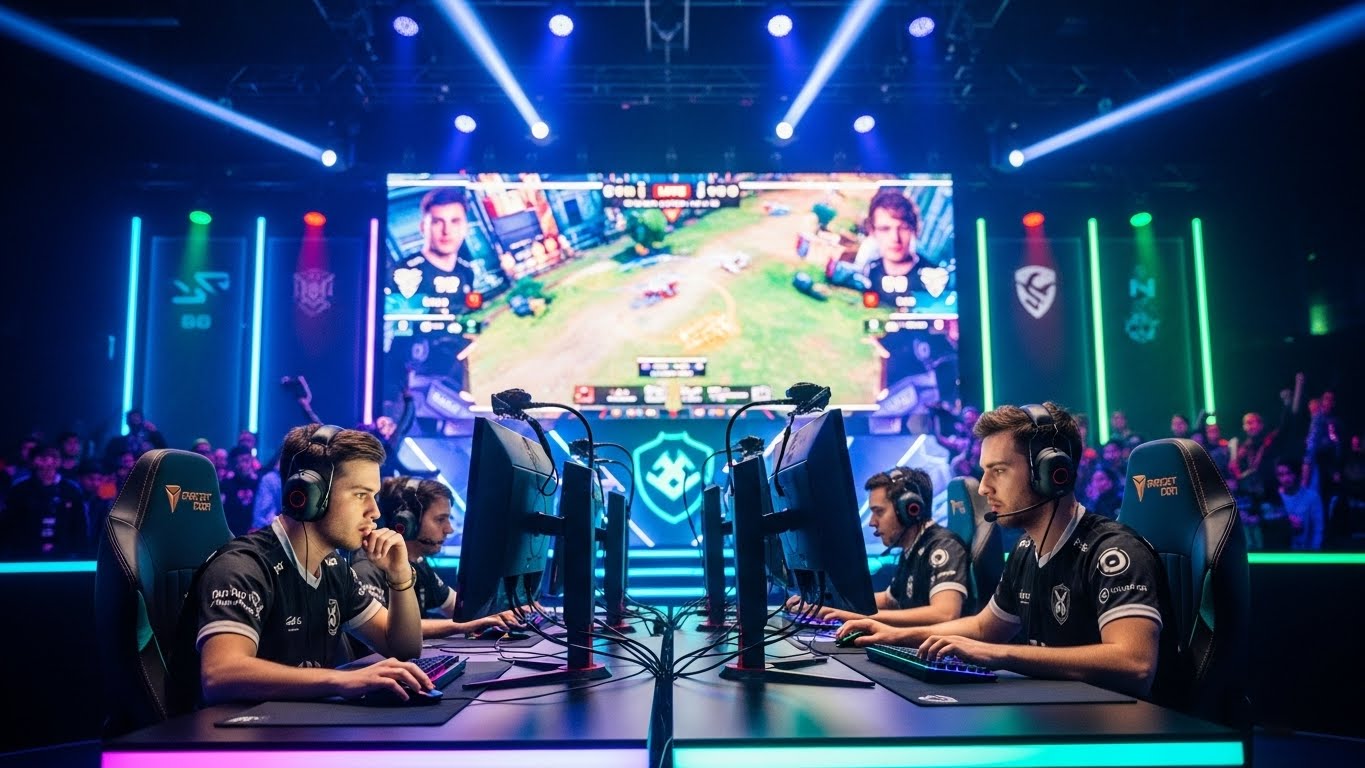
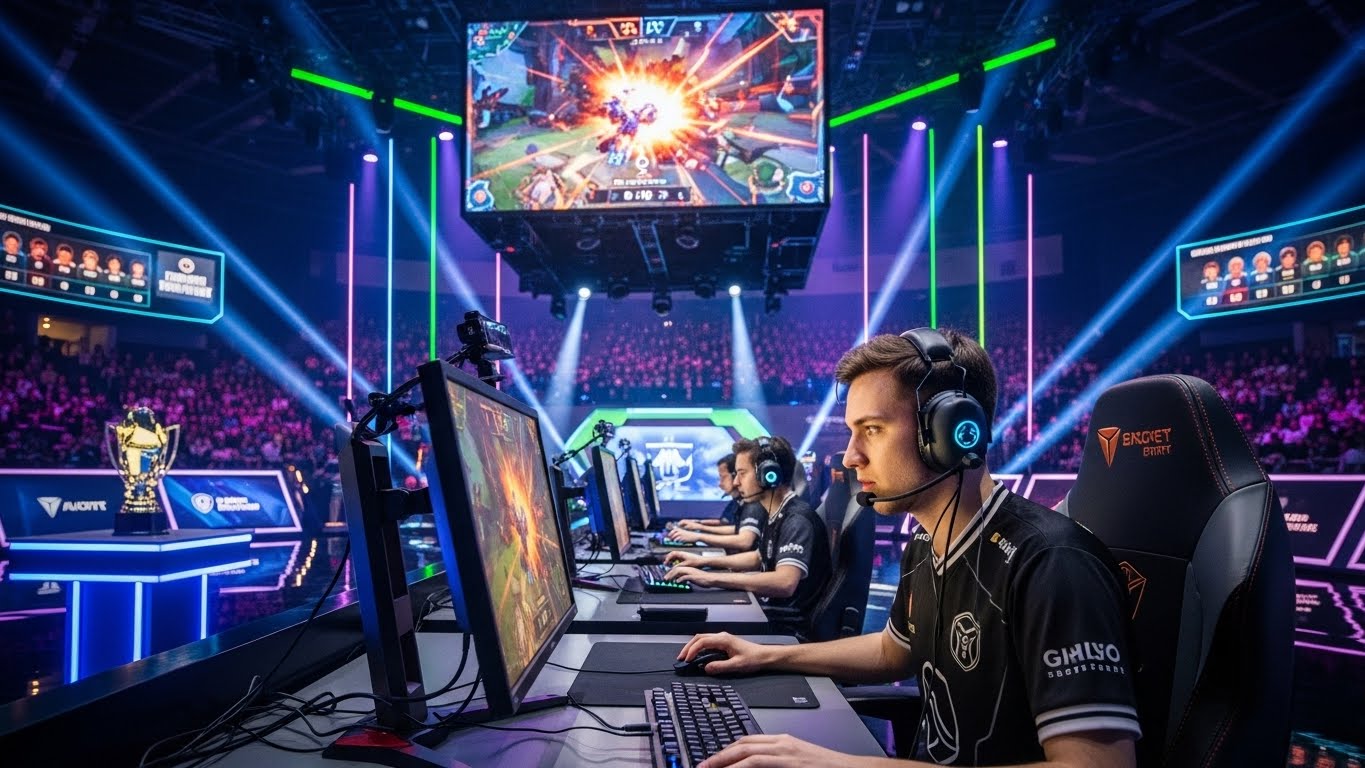
At the heart of esports are the professional players who compete in tournaments for prize money, sponsorships, and fame. Unlike traditional athletes, esports players compete in a wide range of game genres, including first-person shooters, real-time strategy games, and multiplayer online battle arenas (MOBAs). Players often specialize in one game, honing their skills through hours of practice and participation in online competitions.
Becoming a professional esports player requires more than just raw talent; it takes a significant amount of dedication, teamwork, and mental fortitude. Professional players typically join esports teams, which provide support in the form of coaching, training, and access to high-quality gaming equipment. Some of the most popular esports games today include League of Legends, Dota 2, Counter-Strike: Global Offensive, Overwatch, and Fortnite.
Esports Teams and Organizations
Much like traditional sports, esports has a wide range of professional teams that compete in various games. These organizations, which often operate in multiple game titles, are a central part of the esports ecosystem. Teams like Cloud9, Team Liquid, Fnatic, and G2 Esports have established themselves as some of the most successful and well-known organizations in the industry.
Esports teams are made up of highly skilled players, coaches, analysts, and managers. Coaches help develop strategies, analyze opponents, and train players to perform at their best, while analysts provide in-depth breakdowns of matches to improve overall team performance. These teams often have large fanbases that support them through social media, merchandise, and, of course, by watching their matches.
Tournaments and Leagues
Tournaments and leagues are the backbone of the esports industry. These events provide the platform for players to showcase their skills and compete for large prize pools. Some of the most prestigious tournaments in esports include The International (Dota 2), the League of Legends World Championship, and the Overwatch League.
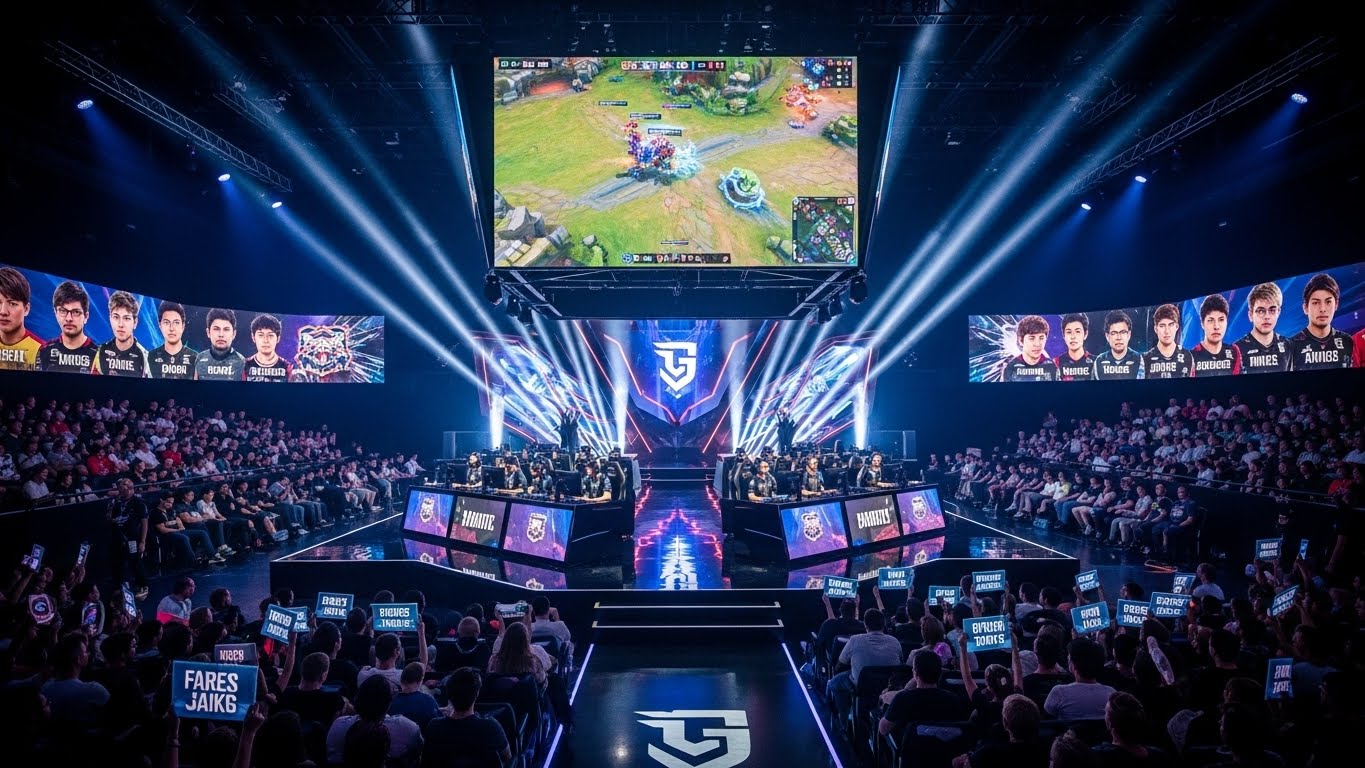
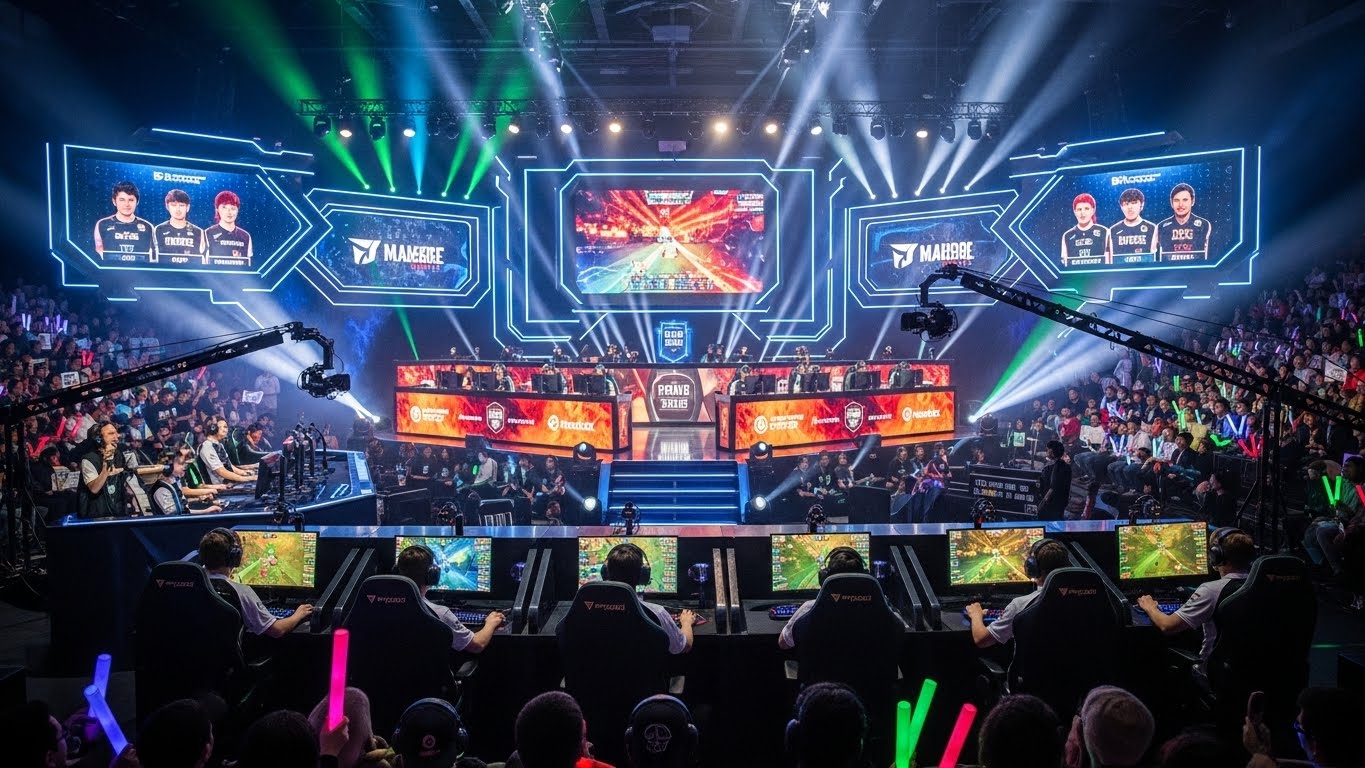
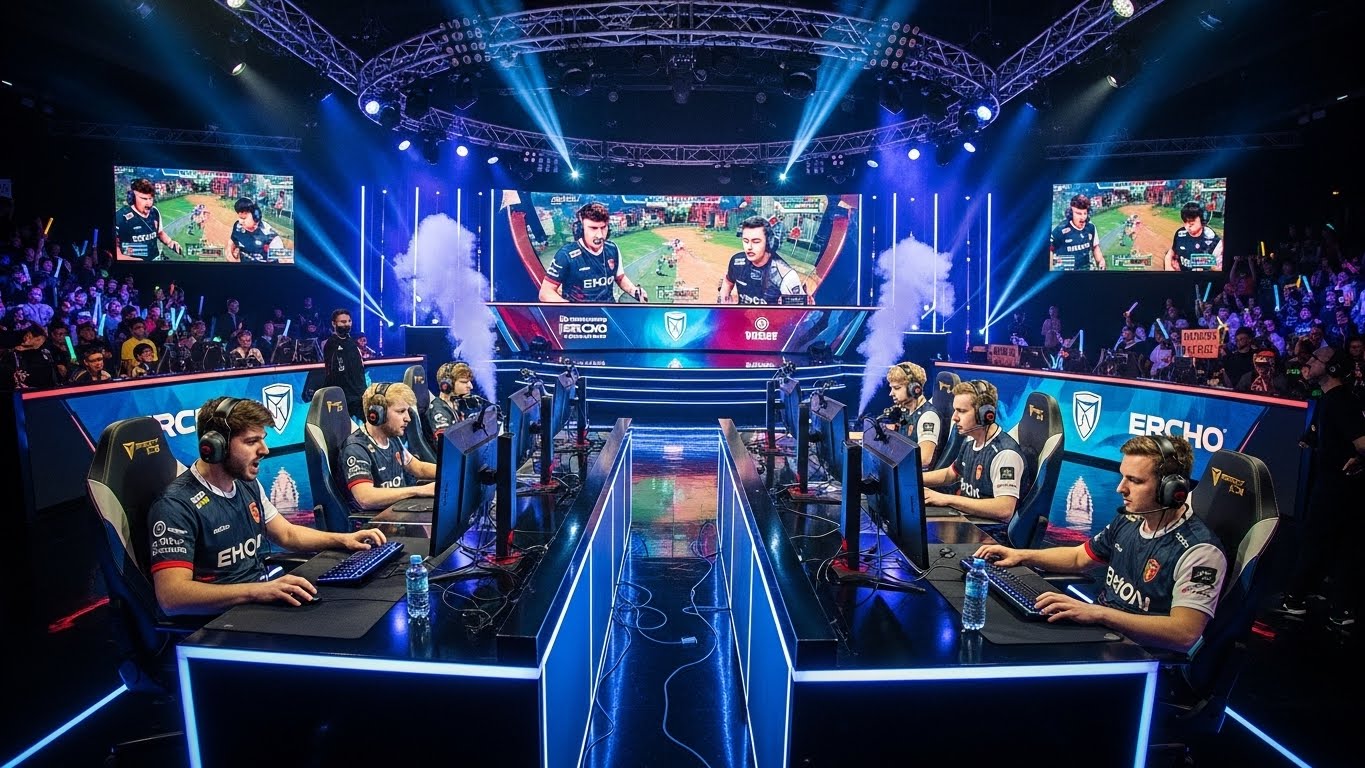
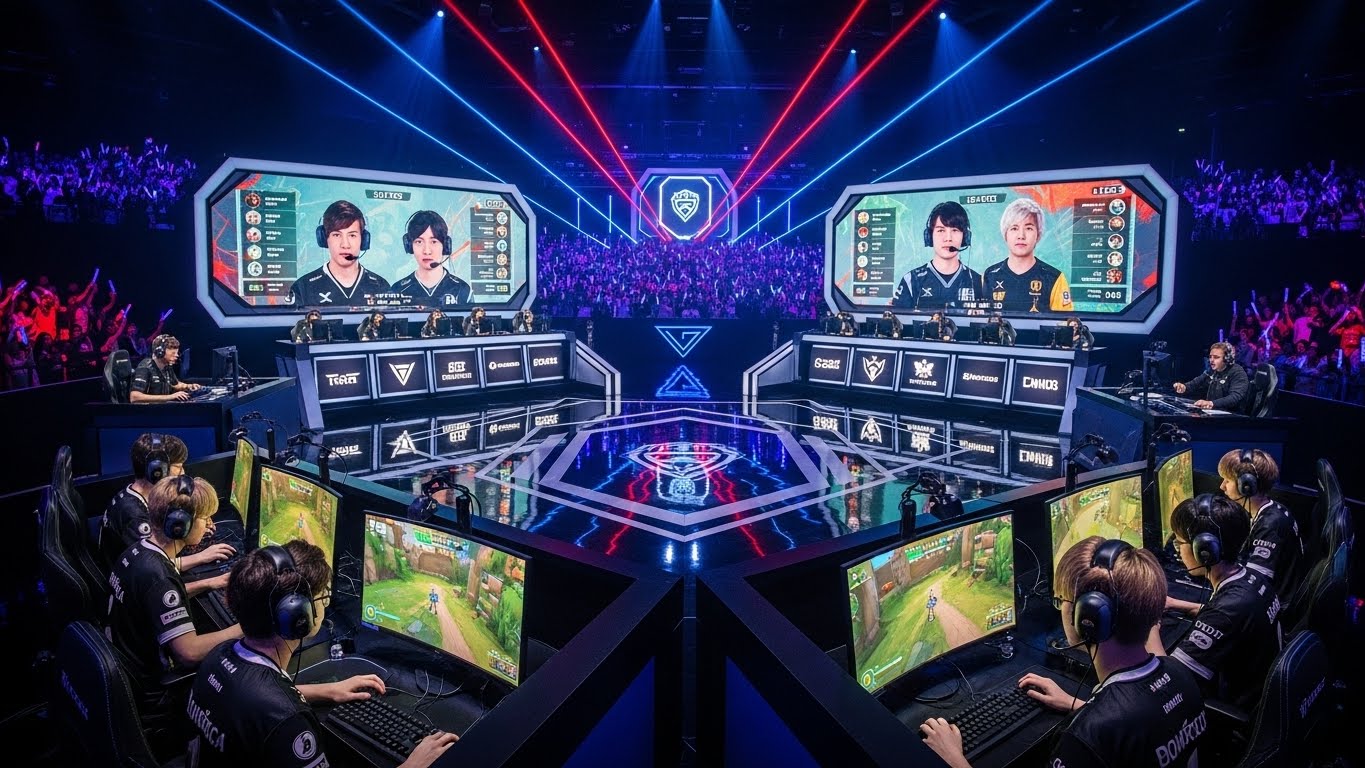
Tournaments usually consist of a series of qualifiers, group stages, and knockout rounds, culminating in the final match where the winning team takes home the lion’s share of the prize money. These events are often streamed live on platforms like Twitch, where fans can watch the action unfold in real-time. Some tournaments are held in massive arenas, with thousands of fans in attendance, while others are held online, with players competing remotely.
Esports leagues, such as the Overwatch League and the League of Legends Championship Series (LCS), have a more structured approach to competition. These leagues typically consist of a regular season, playoffs, and finals, much like professional sports leagues such as the NFL or NBA. Leagues provide a consistent, long-term format for esports teams to compete against each other over the course of a season, offering more stability and predictability for players, sponsors, and fans.
Sponsors and Advertisers
Sponsorship and advertising are key drivers of revenue in esports. Major brands have recognized the potential of esports to reach a young, engaged audience, and as a result, sponsorship deals have become one of the most significant sources of income for esports teams and tournaments. Brands from all over the world, including companies like Intel, Nike, Coca-Cola, and Red Bull, have entered the esports space, sponsoring teams, players, and events.
Sponsorships typically involve product placements, advertisements during live streams, and branded content. These deals help provide the financial support necessary for the esports industry to continue growing. Additionally, the increasing visibility of esports has led to a rise in media rights deals, where networks and streaming platforms pay to broadcast major events.
Streaming Platforms and Viewership
Streaming platforms have been integral to the growth of esports. Twitch, in particular, has revolutionized the way fans watch and interact with competitive gaming. The ability to watch live streams of esports tournaments, as well as casual gameplay and commentary, has created an ecosystem where fans can be actively involved in the gaming community.
The rise of streaming platforms has not only allowed fans to consume esports content, but it has also created opportunities for players to build their own brands. Streamers and content creators can monetize their channels through ads, subscriptions, and donations, leading to the rise of personalities like Ninja and Shroud, who have transcended the gaming world to become mainstream celebrities.
Esports Content Creation and Broadcasting
Esports content creation and broadcasting have become increasingly professional over the years. Just as traditional sports events are broadcast with expert commentary and analysis, esports events now feature play-by-play commentators, color analysts, and post-match analysis, all of which help enhance the viewing experience for fans.
With the growing viewership of esports, platforms like Twitch, YouTube Gaming, and Facebook Gaming have become essential broadcasting channels for major tournaments. These platforms also enable viewers to watch their favorite players and teams play live, as well as interact through live chats, polls, and social media.
The Cultural Impact of Esports
The rise of esports has had a profound impact on gaming culture, as well as on society as a whole. Esports has not only provided a platform for gamers to showcase their talents but also has transformed how gaming is viewed by the general public. Once seen as an isolated hobby for introverted individuals, gaming is now recognized as a competitive and social activity that requires skill, strategy, and teamwork.
Esports as a Career Path
For many young gamers, esports represents a legitimate career path. The idea of becoming a professional gamer has gone from a pipe dream to a viable reality, with top players earning substantial salaries through tournament winnings, sponsorships, and streaming revenue. Esports organizations have also begun to invest in player development, offering scholarships, training programs, and facilities to help aspiring pros hone their skills.
Additionally, esports has led to the creation of new job opportunities in a variety of fields, from event production and broadcasting to marketing and team management. As the industry continues to grow, the number of career paths available to those passionate about gaming will only expand.
Social Interaction and Global Communities
Esports has also had a major impact on how people interact with one another. Online multiplayer games have always been a social experience, but the competitive nature of esports has turned gaming into a global community. Players from different countries and cultures come together to compete, share strategies, and celebrate their love of gaming. This has fostered a sense of camaraderie and belonging among gamers, breaking down geographical and cultural barriers.
The rise of esports has also led to the creation of fan communities, where fans can connect with others who share their passion for specific games, teams, or players. These communities, which exist on platforms like Discord, Reddit, and Twitter, have created a new kind of social interaction centered around gaming.
The Future of Esports
As esports continues to evolve, the future looks incredibly promising. With the increasing investment in esports infrastructure, technology, and media coverage, the industry is poised for even greater growth in the coming years. Virtual reality (VR) and augmented reality (AR) are expected to play a significant role in shaping the future of esports, offering more immersive gaming experiences for both players and viewers.
Moreover, esports will likely continue to gain mainstream acceptance, with traditional sports organizations and even educational institutions embracing it as a legitimate activity. High schools and universities are already offering esports programs and scholarships, and we may eventually see esports as an official part of the Olympics.
Conclusion
Esports has come a long way since its humble beginnings as a casual pastime. Today, it is a global industry with professional players, massive tournaments, and millions of fans around the world. The rise of esports has transformed gaming from a hobby into a career, and its impact on culture, technology, and social interaction is undeniable. As the industry continues to grow, the future of esports looks bright, and it will likely continue to reshape the way we think about gaming and entertainment for years to come.