
 proesportszone51
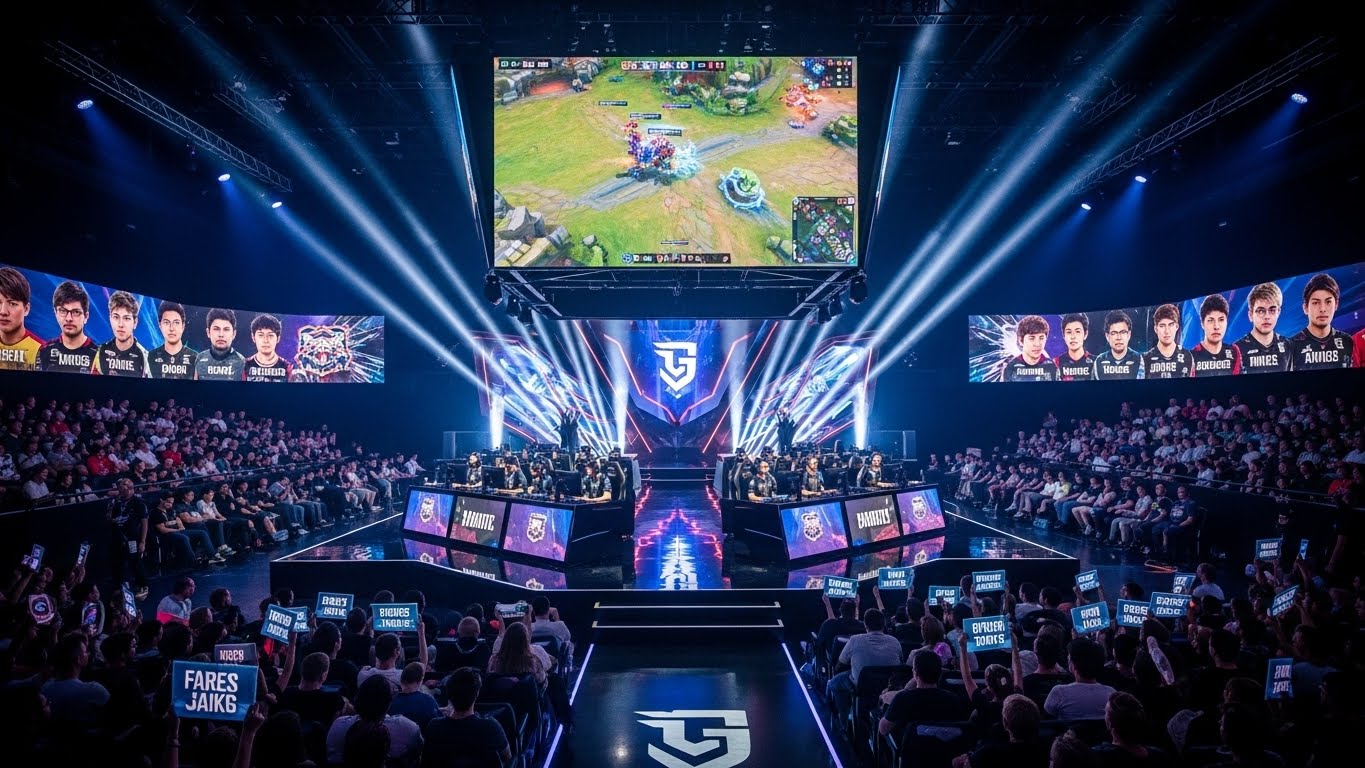
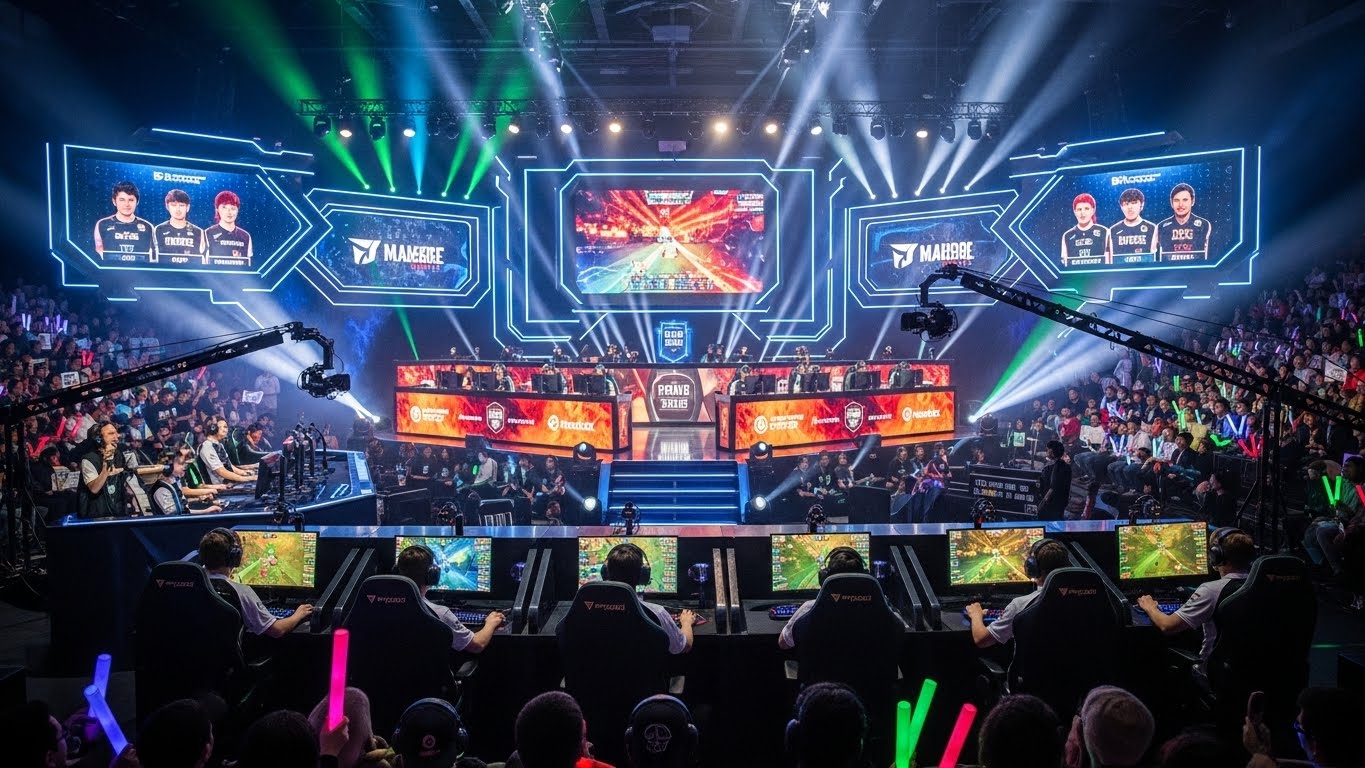
Esports has rapidly transformed from a niche hobby into a global industry worth billions of dollars. This explosive growth has not only created opportunities for players but also for organizations, developers, media, and brands. However, like many fast-growing industries, esports faces significant challenges when it comes to diversity and inclusion. Addressing these issues is crucial for the long-term sustainability of the industry, fostering creativity, and ensuring that esports becomes an environment where anyone, regardless of their background, can thrive.
Understanding Diversity in Esports
Diversity refers to the presence of differences within a given setting. In esports, this includes gender, race, ethnicity, sexual orientation, socioeconomic background, and even neurodiversity. Despite esports’ global reach, the industry has historically been dominated by young men, primarily from Western countries or East Asia. Women, LGBTQ+ individuals, and people from marginalized communities often face barriers to entry, ranging from cultural stereotypes to outright harassment.
The lack of diversity in esports is not only a social issue but also an economic one. Studies in other industries have consistently shown that diverse teams are more creative, make better decisions, and achieve higher performance. In esports, where strategy, innovation, and quick thinking are critical, increasing diversity could directly impact the quality of gameplay and organizational success.
Inclusion: More Than Just Representation
While diversity focuses on numbers and representation, inclusion is about creating an environment where everyone feels valued, respected, and able to contribute fully. In esports, inclusion means ensuring that players from all backgrounds have equal access to tournaments, sponsorships, coaching, and career growth opportunities. It also involves fostering communities that are free from toxicity, harassment, and discrimination.
Inclusion is particularly important in online gaming spaces. Online harassment remains a major challenge, particularly for women and LGBTQ+ players. Toxic behavior can discourage talented individuals from participating, reducing the overall talent pool. Implementing effective moderation tools, reporting mechanisms, and community guidelines is essential for creating inclusive esports ecosystems.
Gender Diversity in Esports
Gender diversity is one of the most discussed issues in esports. Historically, competitive gaming has been perceived as a male-dominated activity, and women have often been relegated to casual or social gaming roles. However, the landscape is slowly changing.
Professional women’s leagues, such as the Valorant Game Changers series and Girls’ Esports Cups, provide platforms for women to showcase their skills. Mixed-gender tournaments are also becoming more common, proving that talent is not determined by gender. Organizations that actively recruit and support female players, coaches, and analysts help break stereotypes and provide role models for future generations.
Beyond representation, addressing harassment and creating safe spaces for women is critical. Mentorship programs, community guidelines, and reporting tools are key strategies that can help reduce barriers to participation for women in esports.
Racial and Ethnic Diversity
Racial and ethnic diversity in esports varies significantly by region. While East Asia and North America dominate competitive gaming, many regions remain underrepresented on the global stage. Players from Africa, Latin America, and the Middle East often face challenges such as limited access to high-speed internet, fewer tournaments, and less sponsorship support.
Esports organizations are beginning to recognize the value of racial diversity, not only for social responsibility but also for business growth. Global tournaments now aim to include teams from multiple regions, increasing exposure for underrepresented communities. Additionally, supporting grassroots esports programs in developing countries can create pathways for talented players to enter the professional scene.
LGBTQ+ Inclusion in Esports
The LGBTQ+ community faces unique challenges in esports. Homophobia, transphobia, and heteronormative assumptions are still present in many competitive and casual gaming environments. Despite these barriers, visibility for LGBTQ+ players has been steadily increasing.
Organizations and tournaments that actively support LGBTQ+ players help normalize diversity and foster acceptance. Pride events, safe spaces within online platforms, and clear anti-discrimination policies are essential for promoting inclusion. Representation matters, and openly LGBTQ+ esports professionals serve as inspirations, demonstrating that sexual orientation or gender identity does not determine one’s potential for success.
Socioeconomic Diversity
Socioeconomic background is another critical factor in esports participation. Competitive gaming often requires access to high-end gaming equipment, stable internet connections, and dedicated time for practice. Players from lower-income families may struggle to afford these resources, limiting their ability to compete at a high level.
To address this, some organizations are investing in scholarships, equipment grants, and community gaming centers. By lowering financial barriers, esports can become accessible to talented players regardless of their economic background. Inclusion of players from diverse socioeconomic backgrounds also brings unique perspectives and playstyles, enriching the competitive ecosystem.
Accessibility and Neurodiversity
Accessibility is often overlooked in esports but is an essential aspect of inclusion. Players with physical disabilities, visual or auditory impairments, or neurodiverse conditions face barriers in traditional competitive gaming setups. Adaptive technology, customizable controls, and inclusive game design can help break these barriers.
For example, games that allow flexible key bindings, customizable interfaces, or colorblind modes ensure that more players can participate comfortably. Promoting neurodiverse players and celebrating different ways of thinking can also enhance team strategies, creativity, and problem-solving in esports competitions.
Community and Cultural Inclusion
Esports is not just about professional competitions; it is also about communities. Inclusive communities foster engagement, growth, and long-term loyalty. Game developers, tournament organizers, and streaming platforms all have roles to play in promoting cultural sensitivity and inclusive behavior.
Community guidelines that prohibit hate speech, racism, and harassment, combined with active moderation, create safer environments. Educational campaigns about respectful behavior and celebrating cultural diversity can help reduce toxicity. Inclusion is strengthened when communities actively embrace players from diverse backgrounds and recognize their contributions.
The Role of Organizations and Sponsors
Esports organizations and sponsors play a critical role in driving diversity and inclusion. Organizations that prioritize hiring diverse staff, offering mentorship programs, and supporting underrepresented players can create lasting change. Sponsors can incentivize inclusivity by aligning their brands with socially responsible initiatives, funding women’s leagues, or supporting LGBTQ+ tournaments.
Diversity and inclusion should not be seen as optional or superficial. Research shows that inclusive organizations tend to have higher performance, better team cohesion, and stronger brand reputation. In a global industry like esports, fostering diversity is also a strategic advantage, helping organizations reach broader audiences and create more engaging content.
Education and Awareness
Education is a powerful tool for promoting diversity and inclusion in esports. Workshops, training sessions, and awareness campaigns can help players, coaches, and community members understand the importance of inclusive behavior. These programs can also address unconscious bias, encourage allyship, and provide practical tools for creating safer spaces.
Schools and universities that incorporate esports programs should also focus on diversity education. Inclusive curricula not only enhance the experience for students but also prepare them to contribute positively to the professional esports ecosystem.
Challenges to Diversity and Inclusion
Despite progress, there are still challenges to achieving full diversity and inclusion in esports. Toxicity in online gaming remains a persistent problem, particularly toward women, LGBTQ+ individuals, and minorities. Limited representation at the top levels can discourage aspiring players. Economic and technological barriers continue to prevent equitable access in many regions.
Overcoming these challenges requires sustained effort from all stakeholders—developers, organizations, sponsors, players, and communities. Policies, education, and visibility initiatives must work together to create lasting change.
The Business Case for Diversity
Beyond social responsibility, there is a compelling business case for diversity and inclusion in esports. Diverse teams and audiences expand market reach, foster innovation, and increase fan engagement. Sponsors and brands are increasingly seeking to partner with organizations that demonstrate social responsibility and inclusivity. By embracing diversity, esports can attract a broader audience, build stronger communities, and achieve long-term sustainability.
Conclusion
Diversity and inclusion in esports are not just moral imperatives—they are critical to the industry’s growth and success. A diverse and inclusive esports ecosystem allows players of all genders, races, sexual orientations, socioeconomic backgrounds, and abilities to thrive. Organizations, sponsors, developers, and communities all have roles to play in breaking down barriers, fostering safe spaces, and promoting equitable opportunities.