
 proesportszone51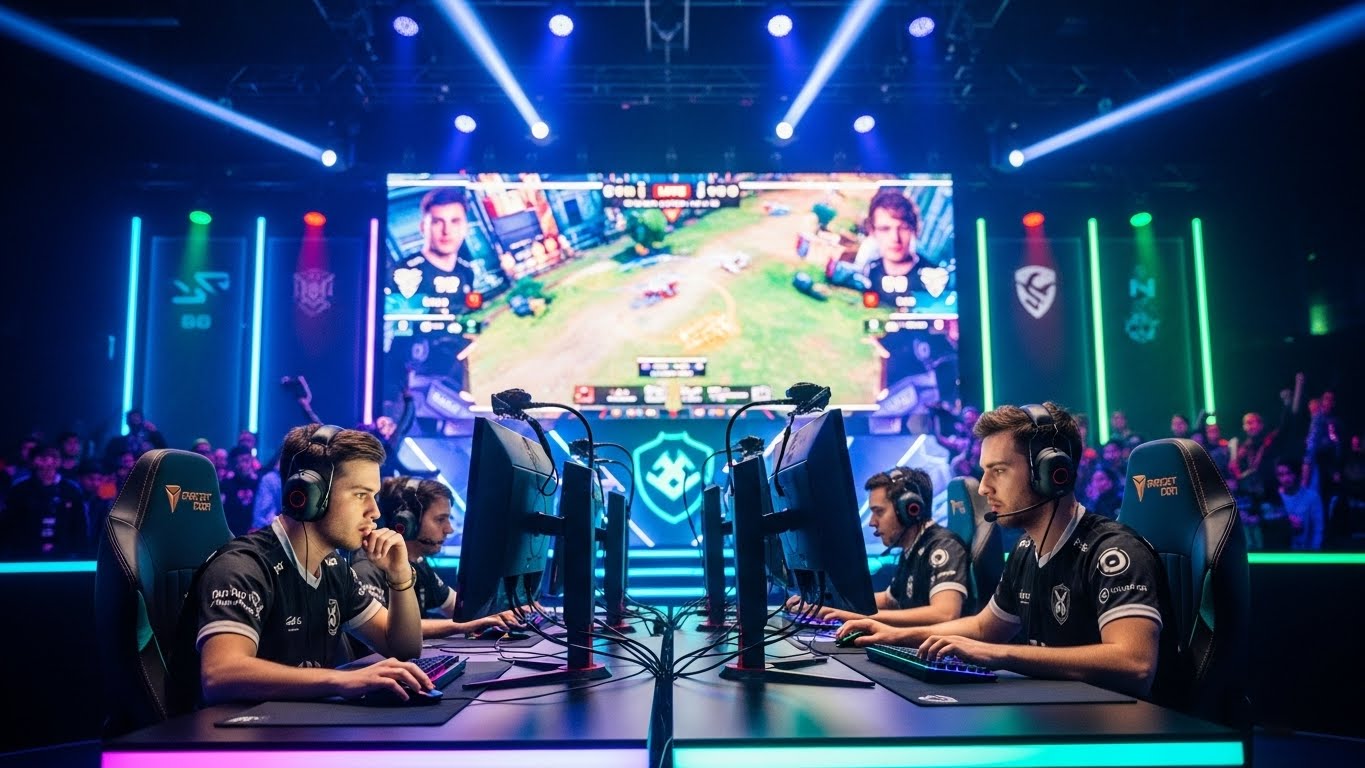
Introduction: The Rise of Esports
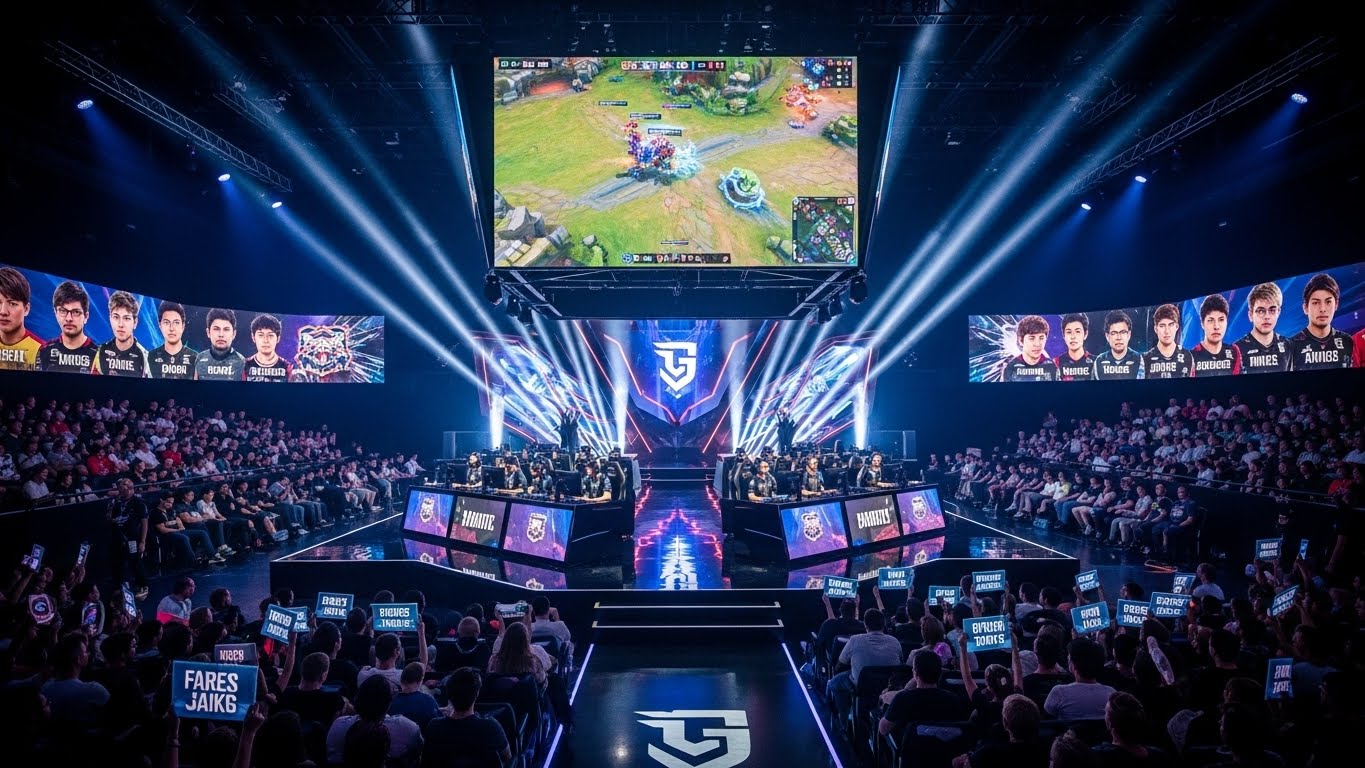
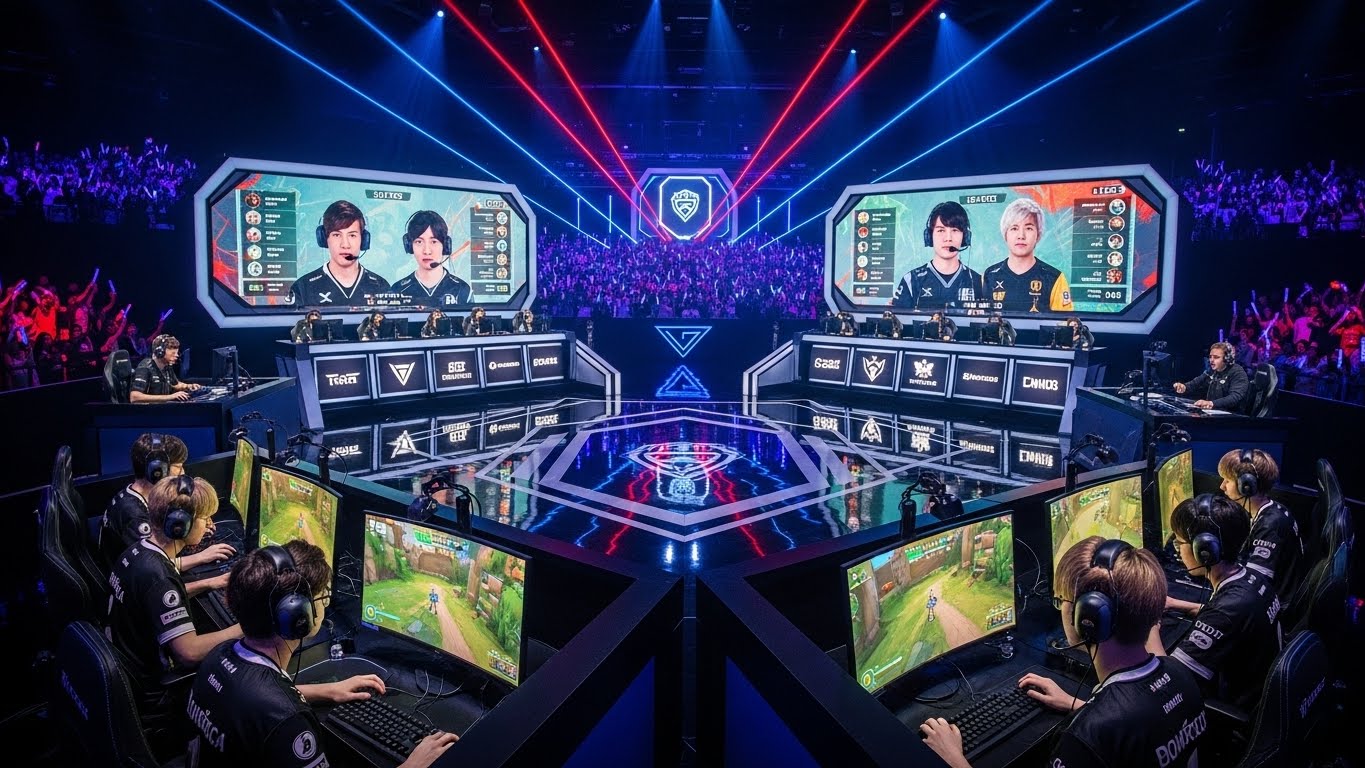
Esports, or electronic sports, has evolved from a niche hobby into a global industry generating billions of dollars annually. What once started as casual gaming among friends has transformed into highly competitive tournaments with professional teams, sponsorship deals, and millions of spectators worldwide. The rise of esports represents not just a shift in entertainment but a cultural phenomenon reshaping how we view sports, competition, and digital interaction.
The term “esports” may seem modern, but competitive video gaming has been around for decades. From the early arcade competitions of the 1980s to the online multiplayer spectacles of today, esports has continually adapted to technological advancements and changing audience preferences. This evolution has created a multi-faceted industry that intersects technology, entertainment, and professional athletics.
The Historical Roots of Competitive Gaming
Understanding esports requires a look at its historical roots. In the early 1980s, arcade tournaments, such as those hosted for games like Pac-Man and Donkey Kong, laid the foundation for competitive gaming. Gamers competed for high scores, local fame, and occasionally small prizes. These events were limited in scale, primarily because gaming technology and communication networks were not yet advanced enough for large-scale competition.
The 1990s marked a significant shift with the rise of personal computers and LAN (Local Area Network) gaming. Games such as Doom and Quake introduced multiplayer modes that allowed players to compete against each other in real-time, setting the stage for more organized esports competitions. Universities and small communities began hosting tournaments, demonstrating that competitive gaming could foster community and engagement on a larger scale.
By the early 2000s, online gaming became more widespread. Titles like Counter-Strike and StarCraft popularized esports on a global scale, and major tournaments began attracting international audiences. The concept of professional gamers and esports organizations started to take shape during this period, paving the way for the professional esports ecosystem we see today.
The Growth of Esports as an Industry
Esports has grown into a fully-fledged industry, rivaling traditional sports in terms of viewership and revenue. One of the primary drivers of this growth has been the accessibility of high-speed internet, which allows players and spectators from around the world to connect seamlessly. Streaming platforms, such as Twitch and YouTube Gaming, have further accelerated this growth by providing a dedicated space for live gameplay and tournaments.
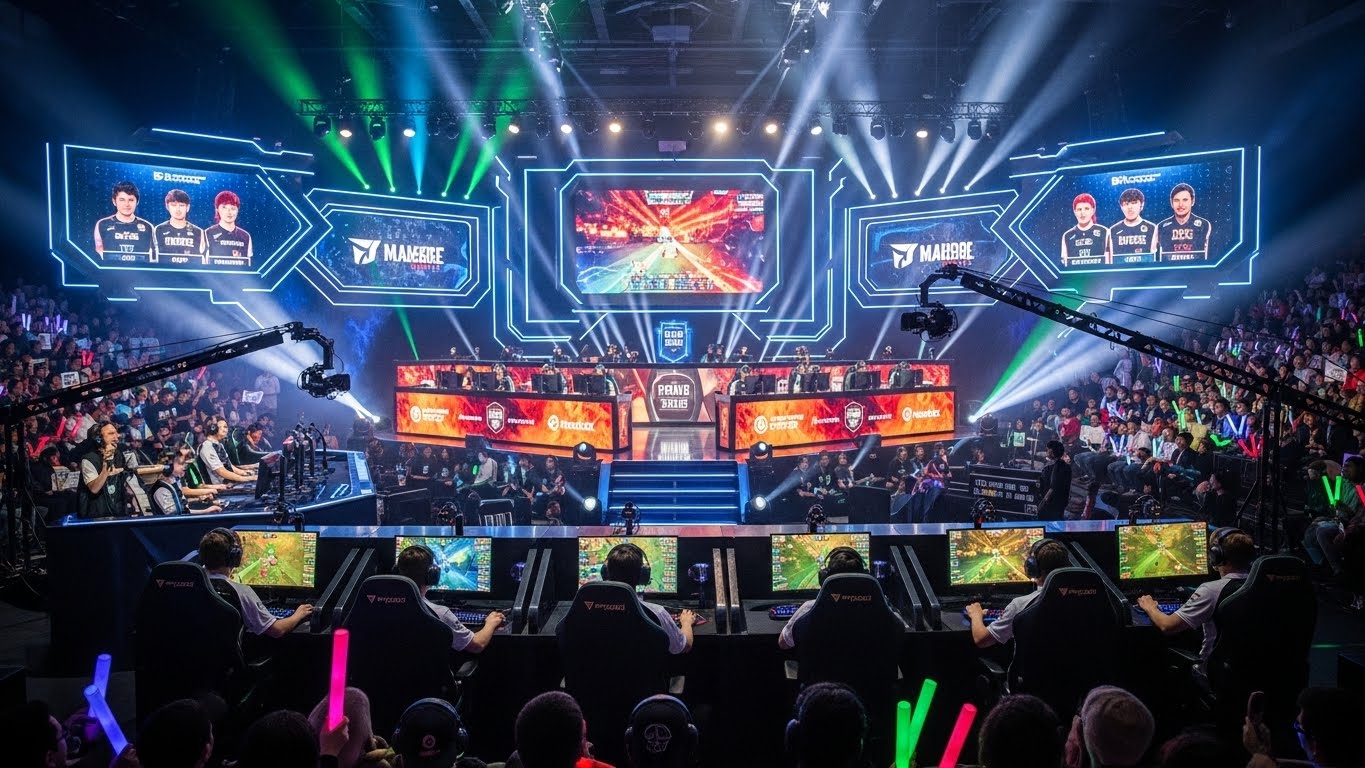
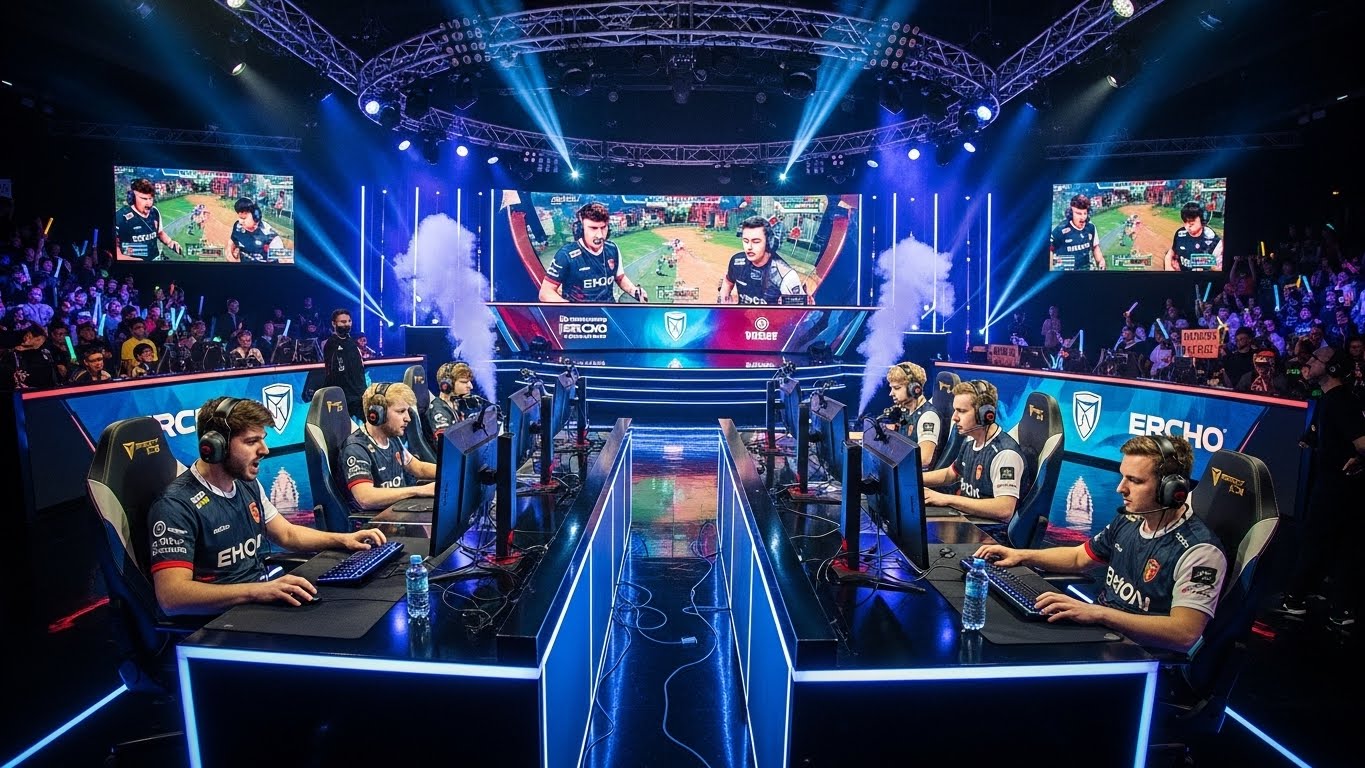
Professional esports leagues have emerged across multiple games, including League of Legends, Dota 2, Call of Duty, and Fortnite. These leagues operate similarly to traditional sports leagues, with regular seasons, playoffs, and championships. Major tournaments now offer prize pools in the millions, drawing both players and audiences from around the globe.
Esports organizations have also expanded beyond player management. They engage in brand partnerships, merchandising, content creation, and event management. Sponsorship deals from global brands indicate the mainstream recognition of esports, showcasing its potential as a marketing and entertainment powerhouse.
The Role of Technology in Esports
Technology plays a critical role in shaping the esports experience for players and spectators alike. High-performance gaming hardware, including computers, graphics cards, and peripherals, allows players to compete at the highest levels. Equally important is the software side, where game design, server stability, and anti-cheat mechanisms ensure fair and engaging competition.
Streaming technology has revolutionized how audiences consume esports. Platforms provide interactive experiences where viewers can chat, donate, and even influence in-game events. The integration of analytics and real-time statistics enhances the spectator experience, making esports not just about gameplay but also about strategy and insight.
Virtual reality and augmented reality technologies are beginning to influence esports, offering new forms of immersive gameplay. While still in the early stages, these innovations suggest that the future of esports could be more experiential, bridging the gap between traditional sports, video gaming, and live entertainment.
Esports as a Career Path
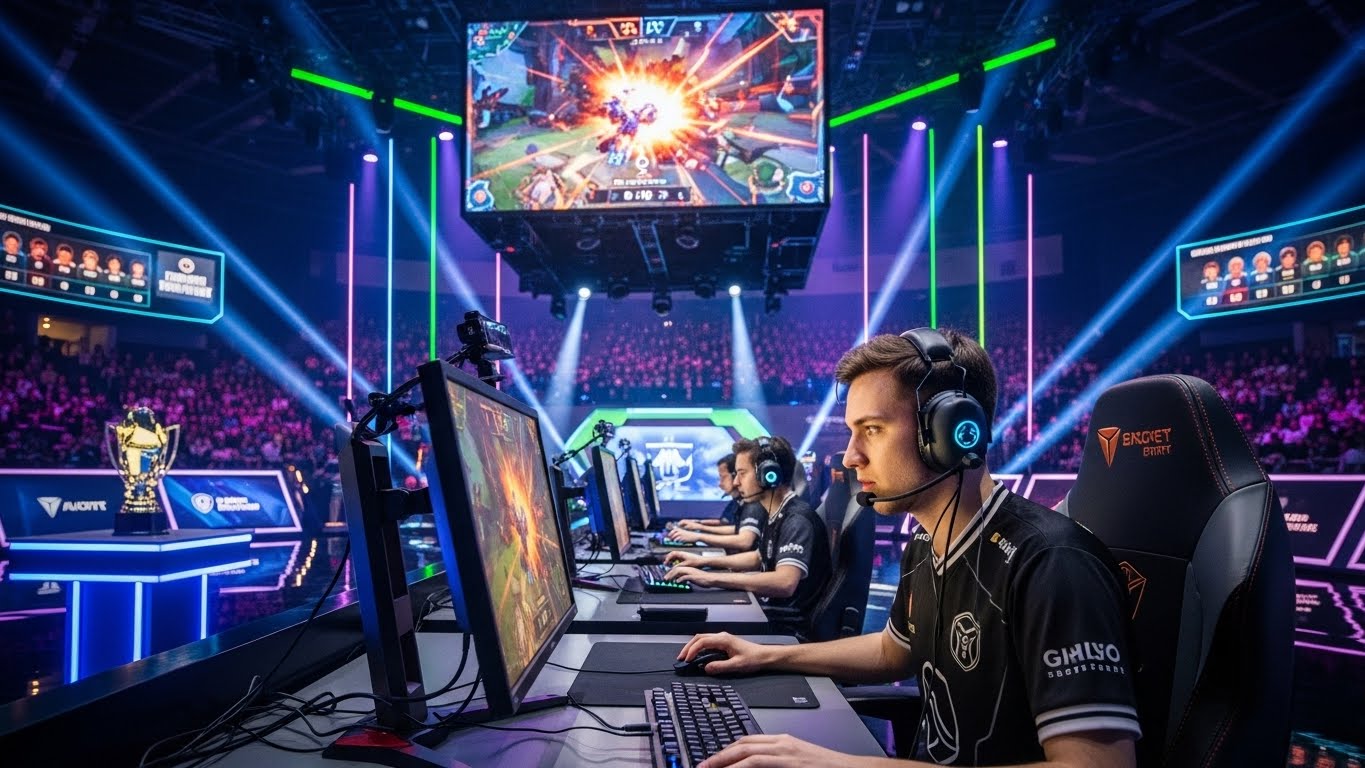
For many, esports is more than a pastime—it is a viable career path. Professional gamers, coaches, analysts, and streamers can earn substantial incomes, supported by salaries, sponsorships, and prize winnings. Esports careers require discipline, strategic thinking, and extensive practice, akin to traditional athletic careers.
Beyond players, the esports ecosystem offers diverse career opportunities. Event management, marketing, game development, commentary, and content creation are all integral to the industry. Universities have also started offering courses and scholarships focused on esports, further legitimizing the profession and providing structured pathways for aspiring professionals.
The Global Audience of Esports
One of the most remarkable aspects of esports is its diverse and rapidly growing audience. Millions of people worldwide watch esports events regularly, and major tournaments attract tens of millions of live viewers. Esports appeals to a broad demographic, with fans spanning different age groups, genders, and cultural backgrounds.
Unlike traditional sports, esports transcends geographical boundaries. Fans can watch matches from anywhere in the world, connect through online communities, and participate in discussions about strategy, gameplay, and player performance. This global reach makes esports a unique form of entertainment, blending the interactivity of digital media with the excitement of live competition.
Challenges Facing the Esports Industry
Despite its rapid growth, esports faces several challenges. One significant issue is sustainability. Maintaining long-term profitability requires balancing player salaries, prize pools, sponsorships, and operational costs. Some esports organizations struggle with financial stability, and the highly competitive nature of the industry makes career longevity uncertain.
Another challenge is regulation and standardization. Unlike traditional sports with governing bodies and well-defined rules, esports varies widely across games, regions, and tournaments. Ensuring fair play, preventing cheating, and addressing issues such as player burnout are ongoing concerns for the industry.
Cultural perception is also evolving. While esports is gaining legitimacy, some still view it as a hobby rather than a serious career or sport. Changing this perception requires continued success stories, media coverage, and education about the professionalism and skill required in competitive gaming.
The Future of Esports
The future of esports looks promising, with continued growth expected across multiple dimensions. Technological innovations, including cloud gaming, VR, and AI-driven analytics, are likely to enhance both gameplay and spectator experiences. Expansion into emerging markets will further broaden the global reach of esports, introducing new talent and fan communities.
Education and professional development within esports are also evolving. More institutions are offering courses and programs that focus on game design, team management, and competitive strategy, ensuring a steady pipeline of skilled professionals. This institutionalization could help stabilize the industry and support sustainable career paths.
Furthermore, collaborations between esports and traditional sports are becoming more common. Football clubs, basketball teams, and other traditional sports organizations are investing in esports teams, bridging the gap between physical and digital sports. This convergence could redefine the concept of sports entertainment in the 21st century.
Conclusion: Esports as a Cultural Revolution
Esports is more than a passing trend; it is a cultural revolution. It challenges conventional notions of competition, entertainment, and community, blending the digital and physical worlds in unprecedented ways. From its humble beginnings in arcades and LAN parties to global tournaments with massive audiences, esports has demonstrated its resilience, adaptability, and universal appeal.
As technology continues to advance and societal perceptions shift, esports is poised to become even more deeply ingrained in mainstream culture. Its influence will extend beyond gaming, impacting media, education, and global entertainment. For players, fans, and industry professionals, esports offers not only a thrilling spectacle but also an opportunity to shape the future of competitive entertainment.
Esports is no longer just about playing games—it is about connecting communities, celebrating skill, and embracing a digital future where competition knows no boundaries.