
 proesportszone51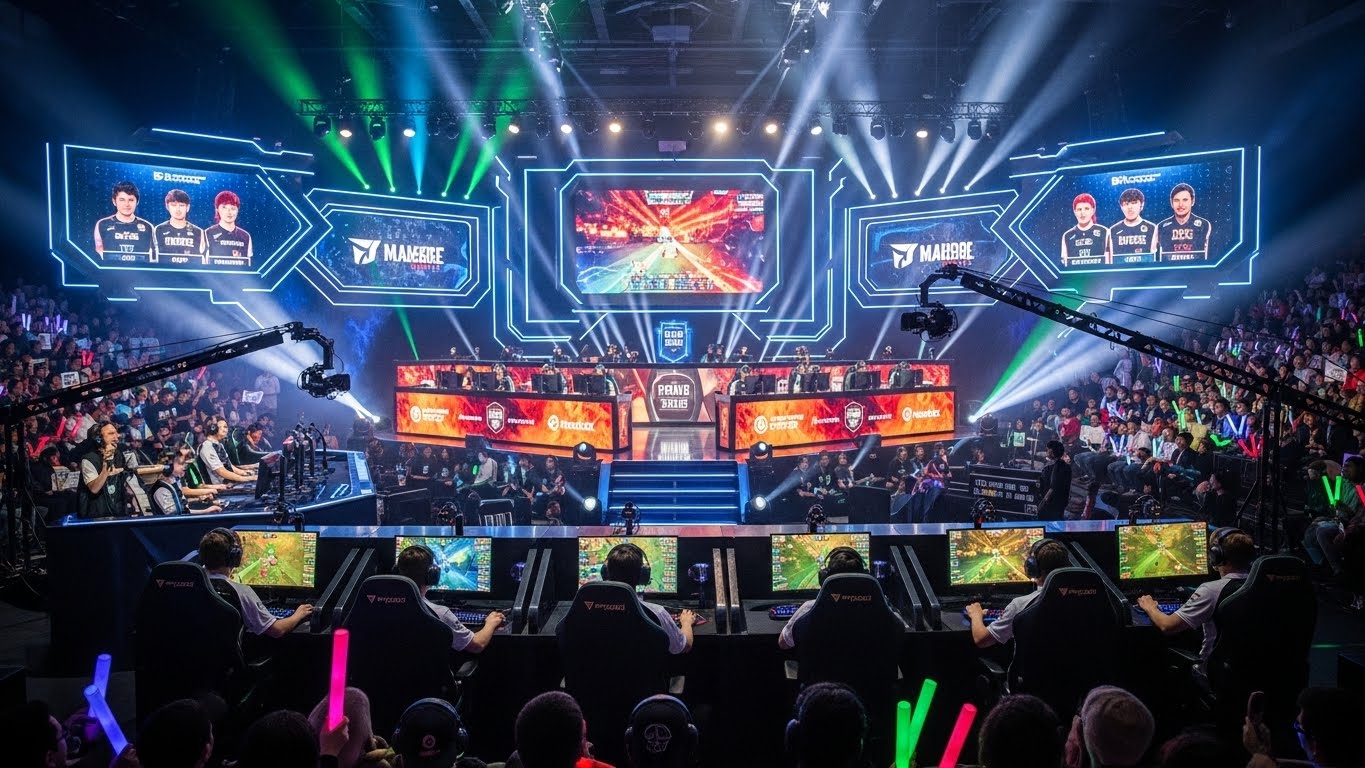
Introduction: The Rise of Competitive Gaming
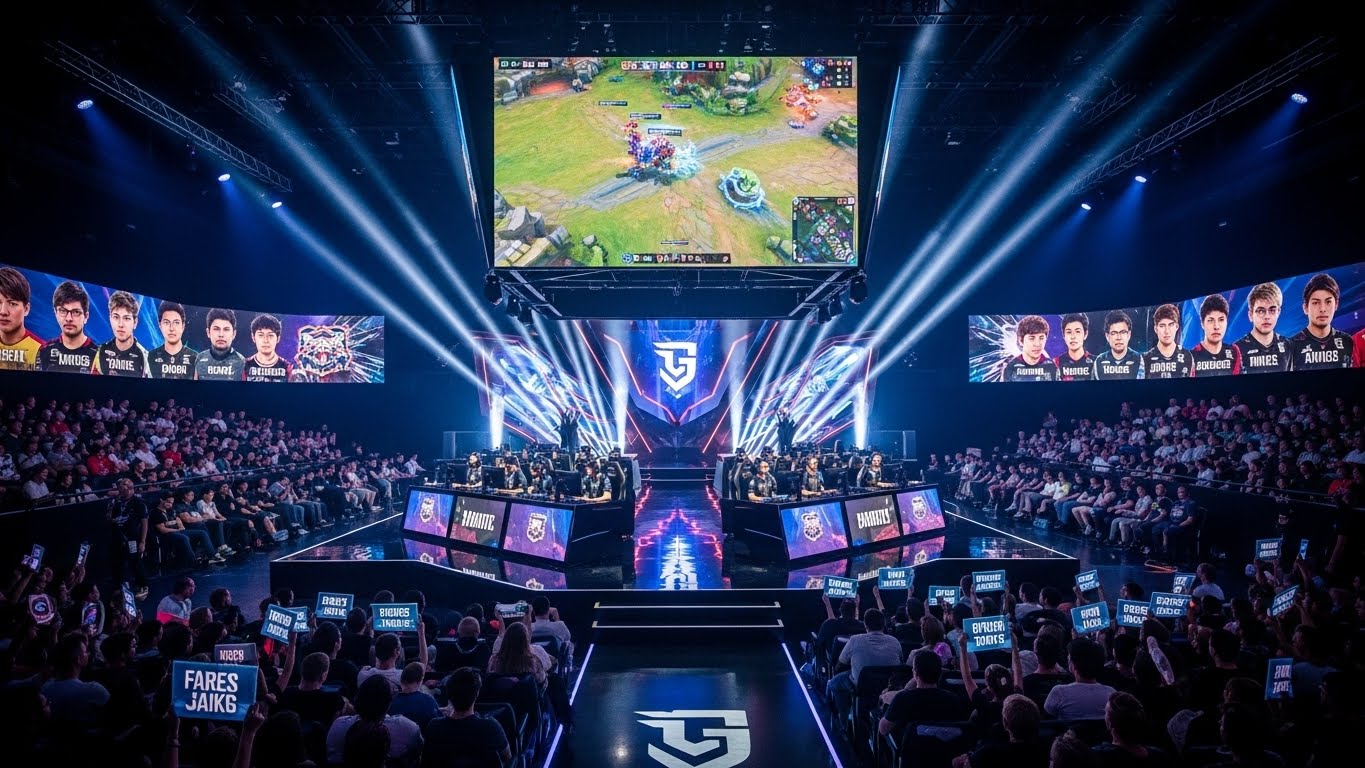
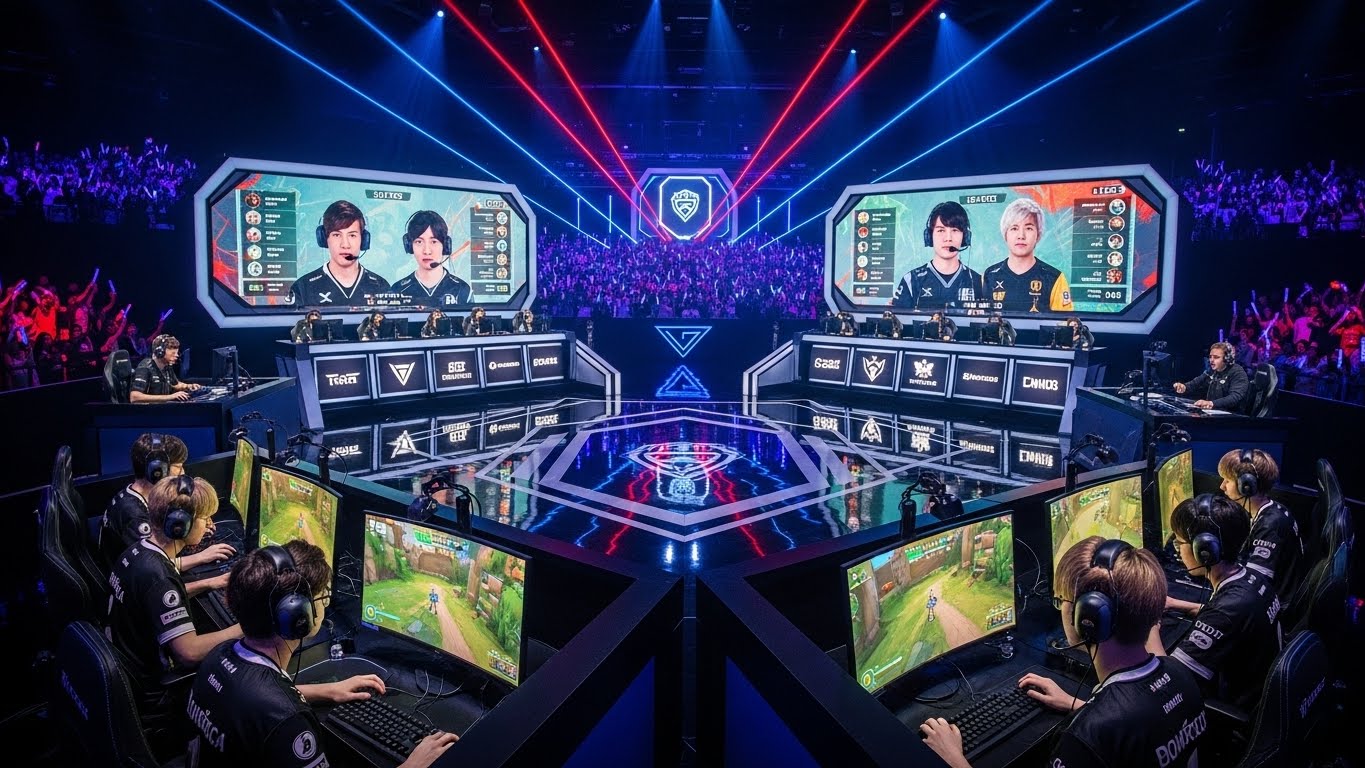
In recent years, esports has evolved from a niche hobby into a global phenomenon that captivates millions. Competitive gaming, once relegated to basement tournaments and online forums, now commands arenas, huge sponsorships, and international recognition. Esports encompasses professional video gaming competitions, where individuals or teams battle in various video game genres for prizes, fame, and glory. Unlike casual gaming, which focuses on entertainment and personal enjoyment, esports demands high skill levels, strategic thinking, and intense dedication. This blog explores the journey of esports, its impact on culture, career opportunities, and why it is more than just a passing trend.
The Origins of Esports
The origins of esports trace back to the late 1970s and 1980s, when video games first gained popularity. Early competitive gaming events were local affairs, often taking place in arcades or small college tournaments. One of the earliest recorded competitions, held in 1980, was the Space Invaders Championship in the United States, attracting thousands of participants. The 1990s saw the rise of networked PC gaming, with games like Quake and StarCraft fostering competitive communities. These communities laid the foundation for modern esports, connecting players across cities and countries through online networks. The concept of professional gaming began to solidify as players started gaining recognition for their exceptional skills and strategic prowess.
Esports Genres and Popular Games
Esports is not limited to a single type of game; it spans multiple genres that test different skills. Multiplayer online battle arena (MOBA) games, such as League of Legends and Dota 2, dominate the esports scene due to their complex strategy and teamwork requirements. First-person shooters (FPS) like Counter-Strike: Global Offensive and Call of Duty test reflexes, precision, and tactical thinking. Real-time strategy (RTS) games demand strategic planning and resource management, with StarCraft remaining a notable classic. Sports simulation games like FIFA and NBA 2K attract fans who enjoy seeing virtual versions of real-life competitions. Each genre brings a unique audience and competitive scene, highlighting the diversity and widespread appeal of esports.
The Global Esports Ecosystem
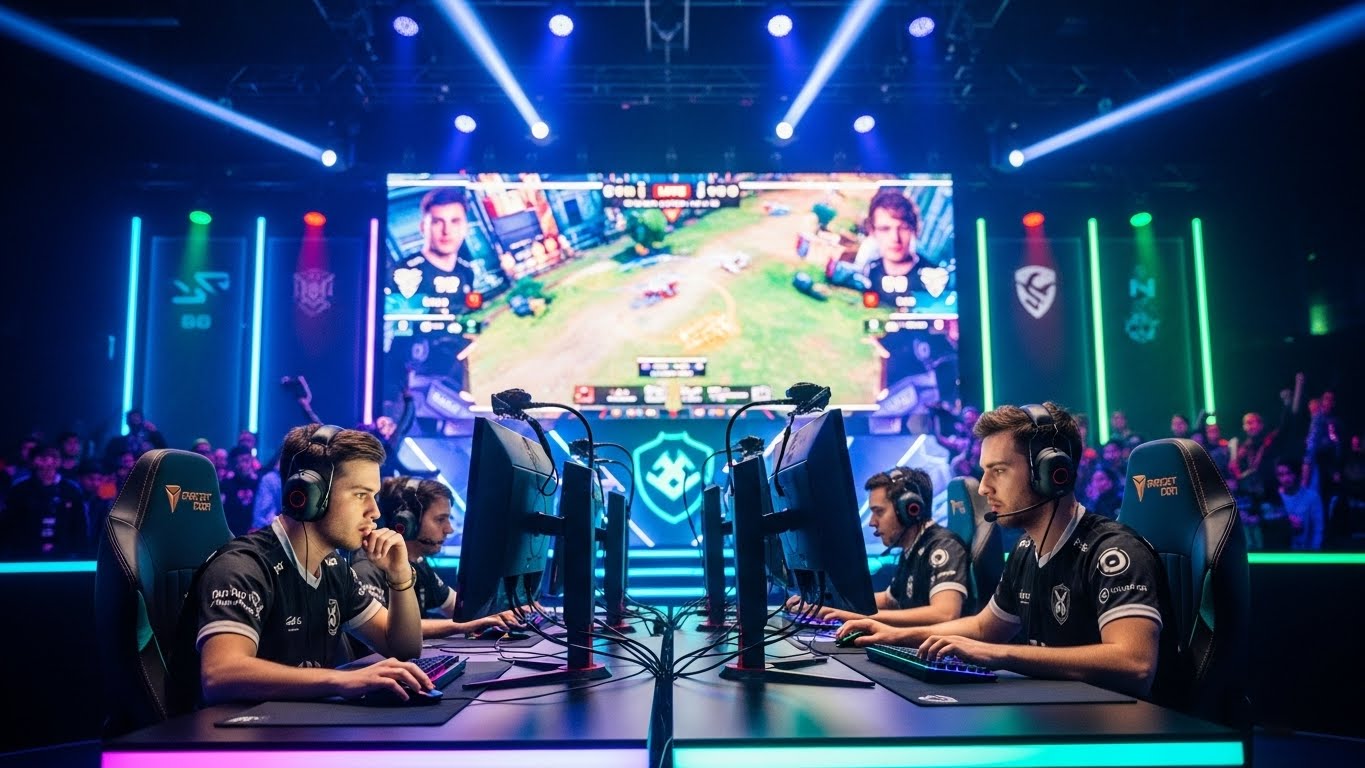
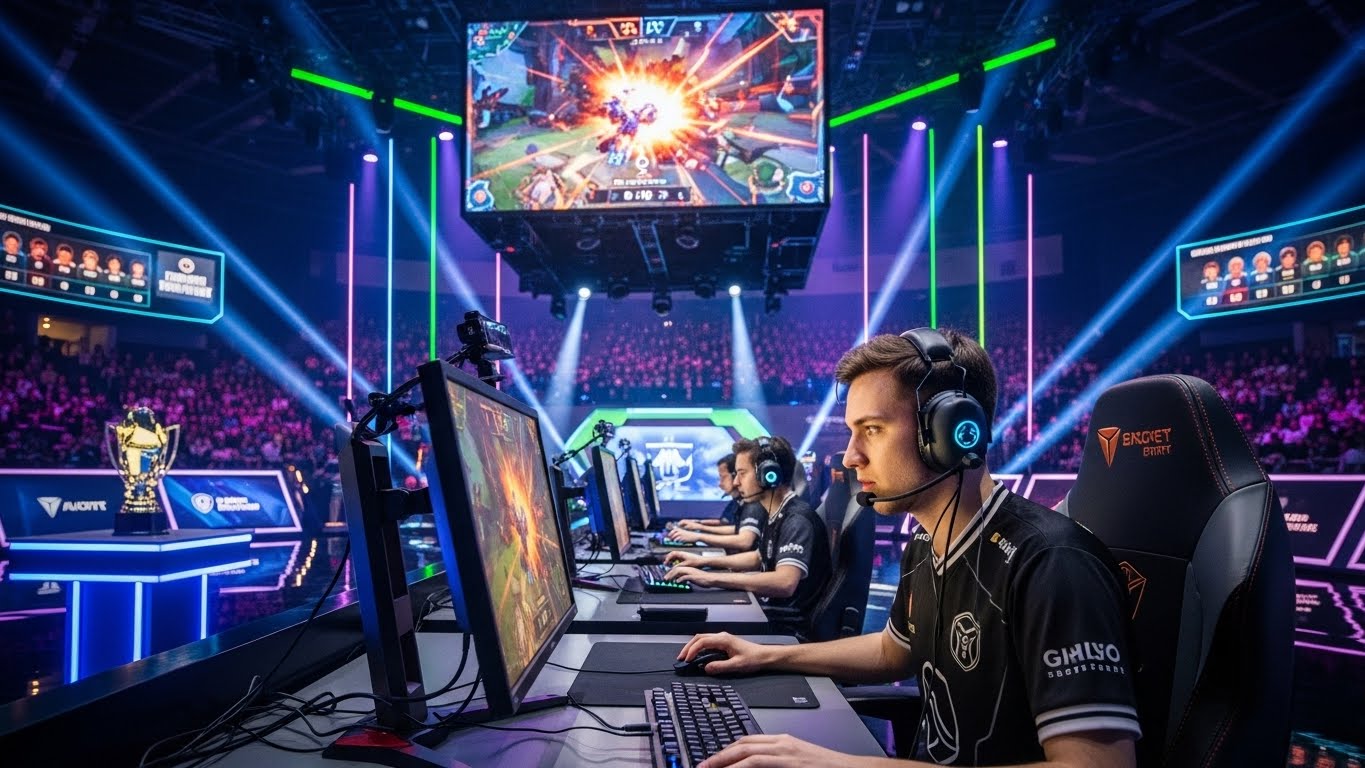
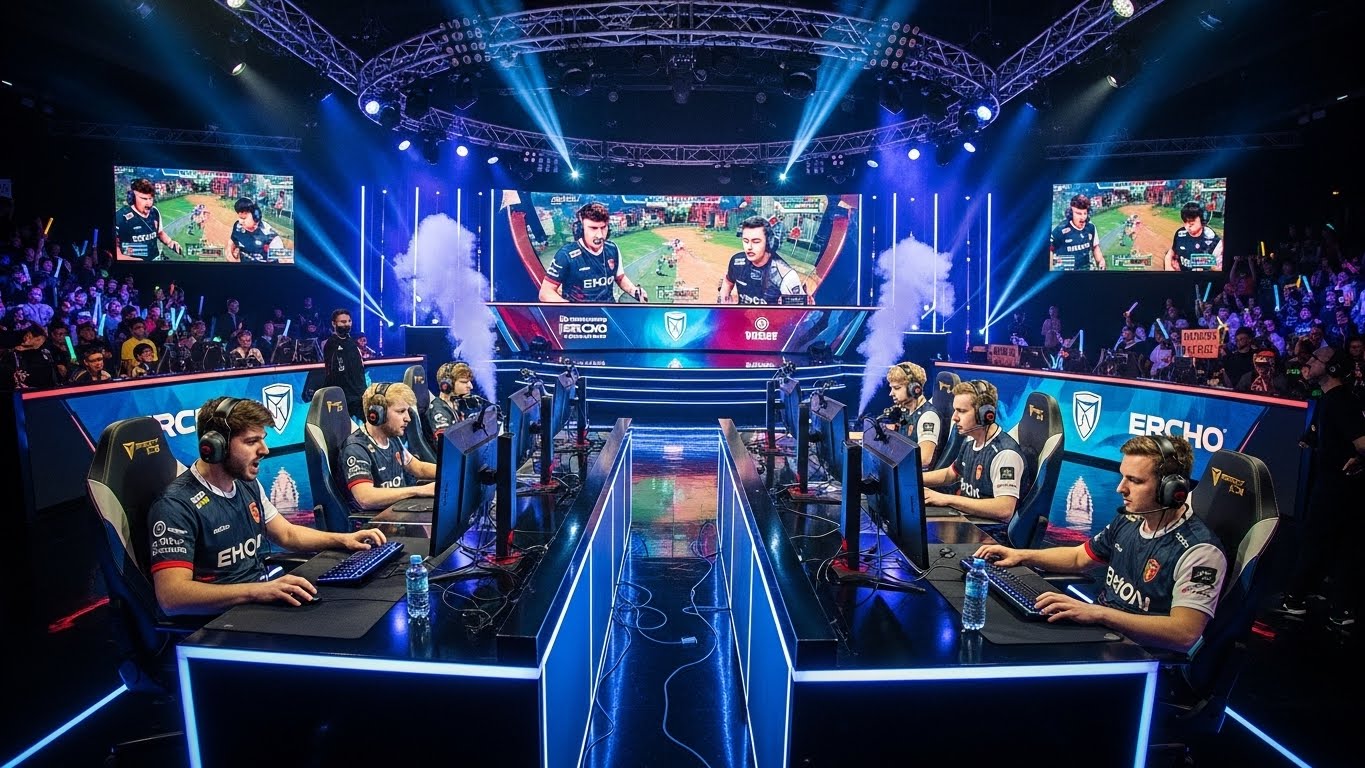
The global esports ecosystem is vast, encompassing players, teams, leagues, tournaments, sponsors, and fans. Professional esports players dedicate countless hours to practice, analyzing game mechanics, and studying opponents. Teams often include coaches, analysts, and managers to maximize performance. Major esports leagues, such as the League of Legends Championship Series and the Overwatch League, provide structured competitive environments akin to traditional sports leagues. Tournaments like The International for Dota 2 or the Fortnite World Cup offer multi-million dollar prize pools, drawing players and viewers from across the world. Sponsorships from tech companies, energy drink brands, and streaming platforms have transformed esports into a multi-billion-dollar industry.
Streaming and Digital Platforms
One of the biggest factors driving esports growth is live streaming and digital platforms. Platforms such as Twitch, YouTube Gaming, and Facebook Gaming allow players to broadcast their matches and engage with fans in real time. Streaming not only increases visibility for professional players but also enables aspiring gamers to gain recognition and build a following. Interactive features, like live chat and viewer polls, create a sense of community and immersion that traditional sports often lack. The accessibility of streaming platforms has made esports more inclusive, allowing fans from anywhere in the world to experience the thrill of competitive gaming.
Esports as a Career
Esports offers a variety of career opportunities beyond just playing professionally. While top-tier players earn salaries and sponsorship deals, there are roles in coaching, event management, content creation, casting, and game development. Coaches work on strategy and team dynamics, while casters provide live commentary to enhance viewer experience. Content creators, including streamers and YouTubers, produce entertaining and educational material for fans. Event organizers and production teams ensure tournaments run smoothly, handling logistics, marketing, and broadcasting. With esports growing exponentially, the demand for skilled professionals in these roles is increasing, providing long-term career potential.
Impact on Youth and Education
Esports has a profound impact on youth culture and education. Many high schools and colleges have embraced esports programs, offering scholarships and organized competitions. These programs promote teamwork, communication, strategic thinking, and discipline—skills transferable to other areas of life. Additionally, esports can provide an alternative career path for students who might not pursue traditional athletics. Critics sometimes raise concerns about excessive screen time and sedentary behavior, but when balanced with physical activity and academic responsibilities, esports can be a positive outlet for young people.
Esports and Technology Innovation
Esports has driven technological innovation in gaming and entertainment. High-performance gaming rigs, virtual reality integration, and advanced analytics tools are now commonplace in the esports industry. Streaming platforms continually improve features like low-latency broadcasting, interactive overlays, and AI-driven highlights. Moreover, the competitive gaming environment pushes developers to create balanced and engaging gameplay, fostering innovation within the gaming industry itself. The intersection of esports and technology has far-reaching implications, influencing hardware design, software development, and even virtual event production.
Challenges Facing Esports
Despite its rapid growth, esports faces several challenges. Player burnout is a major concern, as professional gamers often maintain grueling practice schedules and high-pressure competition environments. Mental health issues, such as stress and anxiety, are prevalent, and support systems are still developing in many regions. Regulatory challenges also exist, with inconsistent rules regarding player contracts, prize distribution, and game integrity across different countries. Additionally, the perception of esports as a legitimate sport varies, with some traditional sports communities hesitant to embrace gaming as competitive athletics. Overcoming these challenges is essential for the long-term sustainability of the industry.
Esports Culture and Community
Esports culture extends beyond the games themselves. Fans form communities around favorite teams and players, attending live events, creating fan art, and participating in online forums. Memes, cosplay, and fan tournaments contribute to a vibrant and inclusive culture that celebrates creativity and passion. Unlike many traditional sports, esports communities are highly globalized, connecting people from diverse backgrounds who share a common interest. This sense of belonging fosters social interaction, teamwork, and cross-cultural exchange, highlighting the broader societal impact of esports.
The Future of Esports
The future of esports is poised for continued growth and mainstream recognition. Advances in technology, including virtual reality and augmented reality, may redefine how audiences experience esports. Mobile esports, already popular in regions like Asia, is expanding rapidly worldwide, offering accessibility to new players and fans. Esports is increasingly integrated into traditional sports events, with collaborations between gaming companies and sports leagues. Additionally, educational institutions are likely to expand esports programs, providing structured pathways for career development. As audiences grow and investment increases, esports may achieve a cultural significance comparable to traditional sports, solidifying its place in global entertainment.
Conclusion: More Than Just a Game
Esports has transcended its origins as a niche pastime to become a multifaceted industry impacting entertainment, technology, culture, and education. With professional leagues, massive tournaments, and global fanbases, competitive gaming is no longer just a hobby—it is a career path, a social phenomenon, and a driver of innovation. While challenges remain, the dedication of players, teams, and fans ensures that esports will continue to thrive and evolve. The story of esports is a testament to the power of digital communities and the limitless potential of interactive entertainment, demonstrating that gaming is no longer just a game—it is a global movement reshaping the world of sports and competition.