
 proesportszone51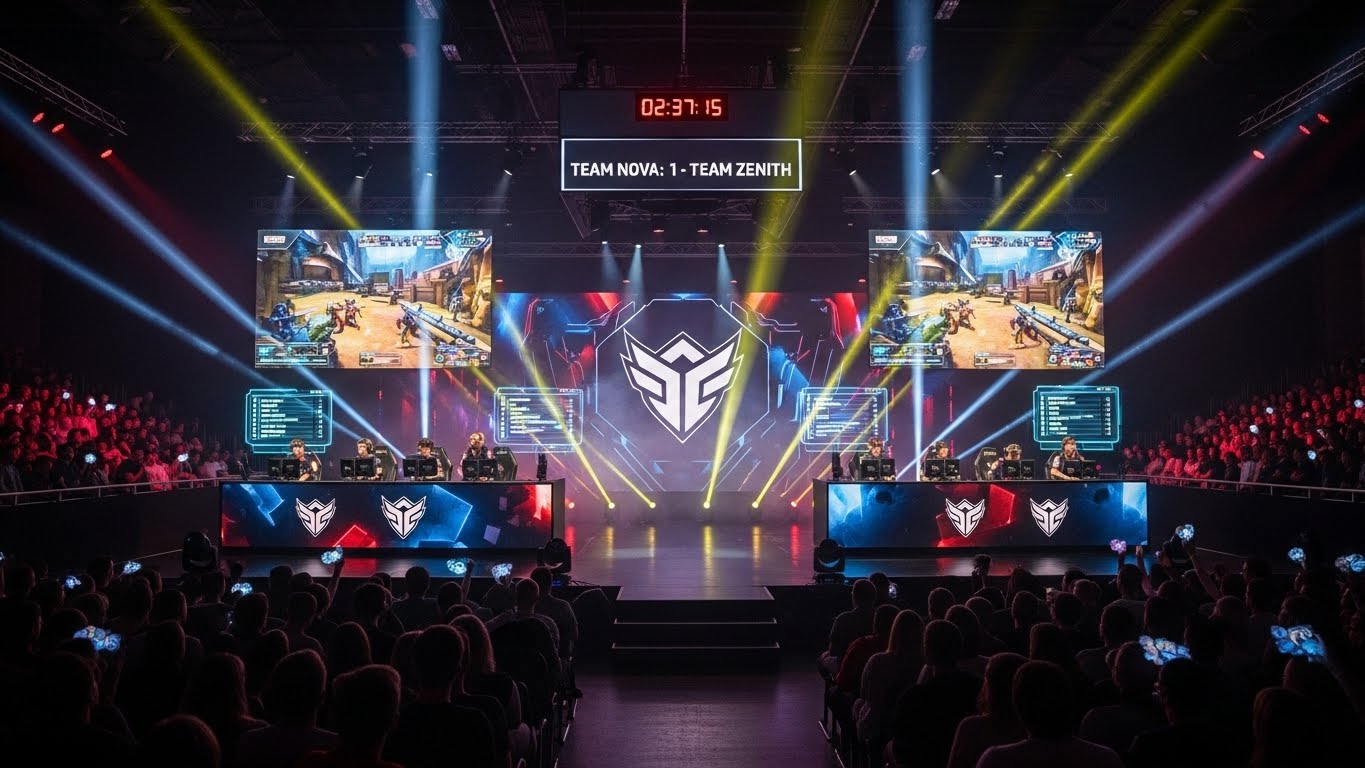
Introduction to the World of Esports
Esports has grown from a small corner of gaming culture into one of the most influential entertainment industries in the modern world. What once started as friendly competitions in living rooms and arcades has evolved into a massive global phenomenon that attracts millions of viewers, professional players, dedicated teams, and high-stakes tournaments. Today, esports represents the perfect blend of digital skill, strategy, teamwork, and innovation. The rapid growth of competitive gaming reflects not only technological advancements but also the changing ways people connect, compete, and find entertainment in a digital-first era.
The Evolution of Competitive Gaming
The journey of esports began long before the idea of professional gaming existed. In the earliest days of video games, players would challenge each other for high scores on arcade machines. As gaming technology improved, the focus shifted from individual achievements to multiplayer battles, where players could directly test their abilities against one another. The arrival of the internet accelerated this evolution, allowing players to connect worldwide and turning local competitions into global contests.
Today, esports consists of well-organized tournaments with millions of participants and spectators. Games such as League of Legends, Dota 2, Counter-Strike, Valorant, and Fortnite have become staples of competitive gaming. These titles are designed with high skill ceilings, tactical depth, and fast-paced action that keep both players and audiences engaged. With structured leagues, seasonal championships, and dedicated competitive modes, esports continues to push boundaries and redefine what modern competition looks like.
The Rise of Professional Esports Players
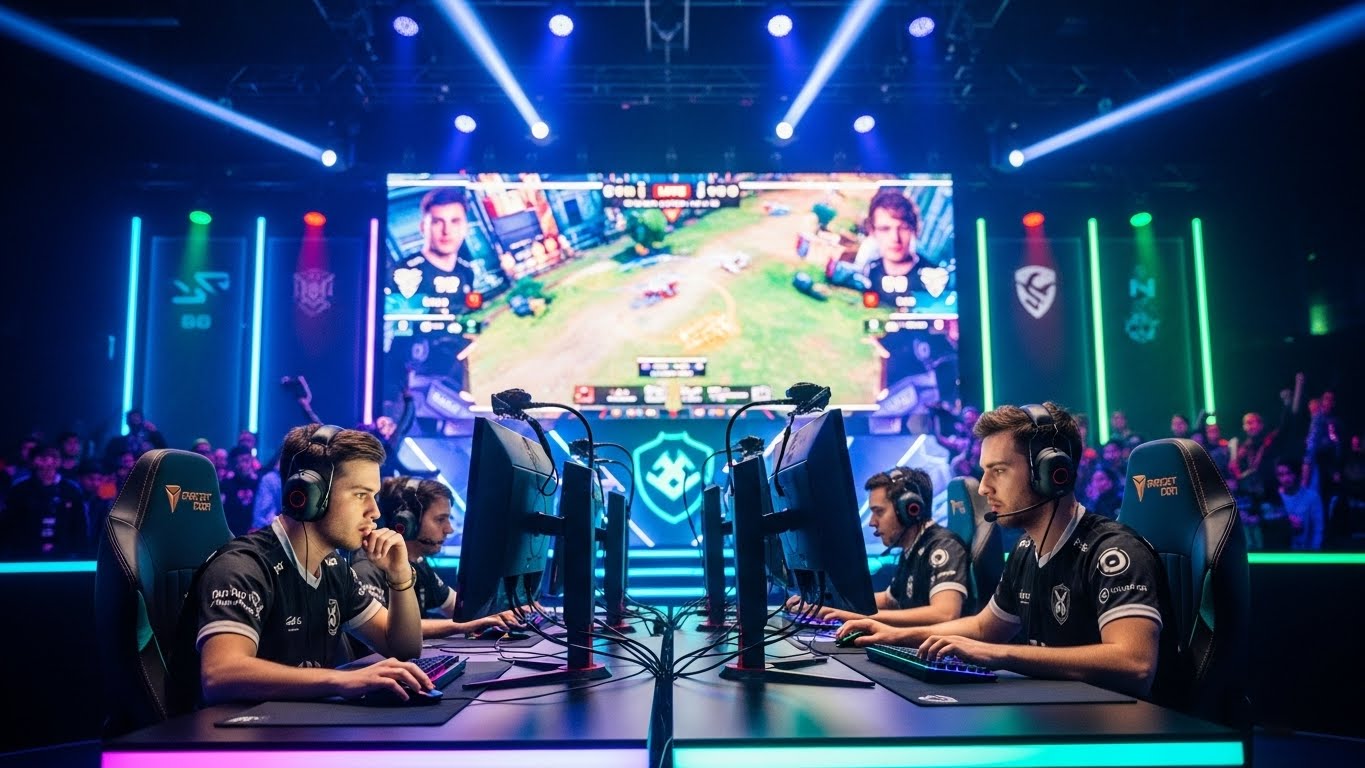
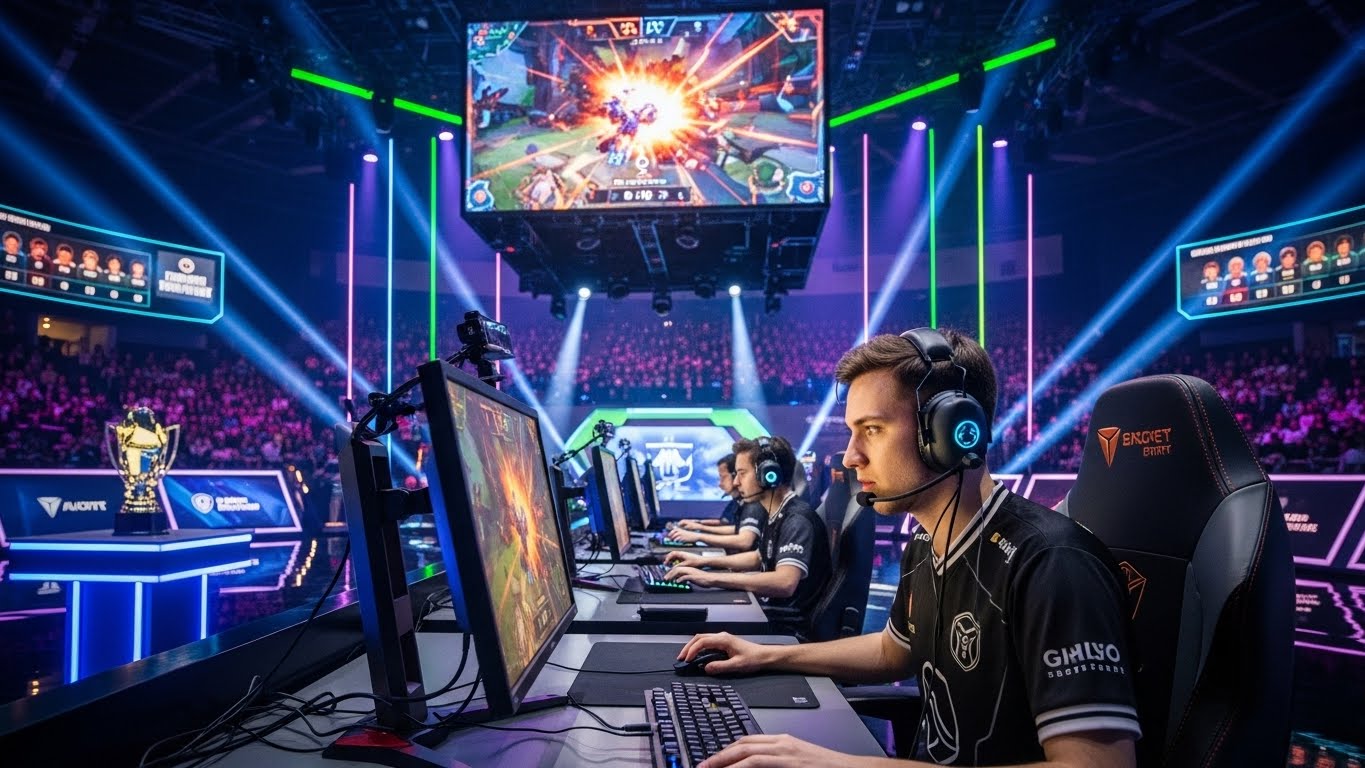
Behind the glamour of big tournaments lies the intense dedication of professional esports players. These players spend countless hours practicing, analyzing their gameplay, and studying opponents. Their careers closely resemble those of traditional athletes, complete with coaches, analysts, fitness trainers, and mental health professionals who help them maintain peak performance. Many esports professionals begin training at a young age, joining amateur teams, participating in online competitions, and eventually making their way into professional organizations.
A professional esports career is demanding and requires more than just mechanical skill. Players must maintain excellent communication skills, strategic thinking, emotional control, and the ability to perform under pressure. The commitment, discipline, and resilience needed to succeed in esports highlight the seriousness of this digital sport and the high level of competition that defines it.
The Global Expansion of Esports Audiences
One of the most significant reasons for the rapid rise of esports is its massive global audience. Unlike traditional sports, which often appeal most strongly to specific regions, esports has a universal fan base. People from different countries, cultures, and languages come together to watch tournaments, cheer for their favorite teams, and interact with fellow fans. This international appeal has turned esports into a cultural bridge that transcends geographical boundaries.
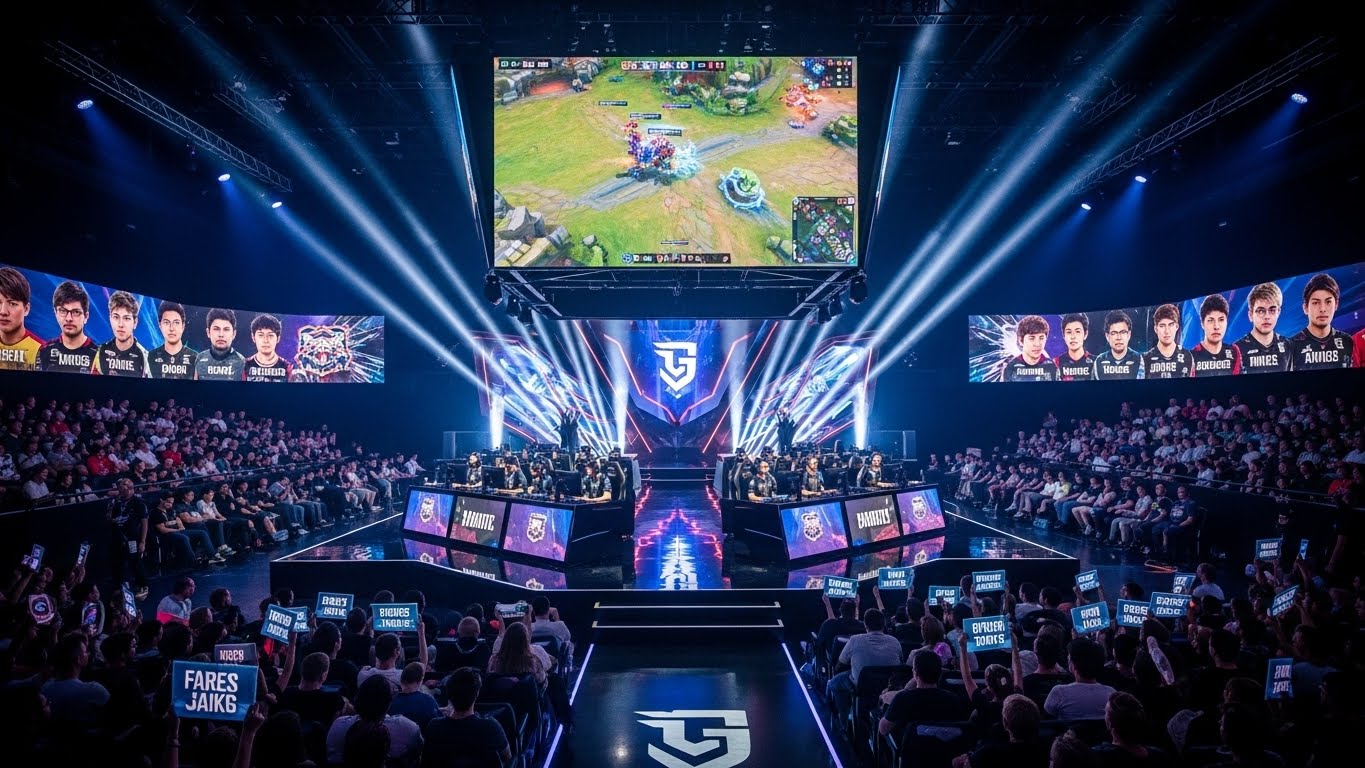
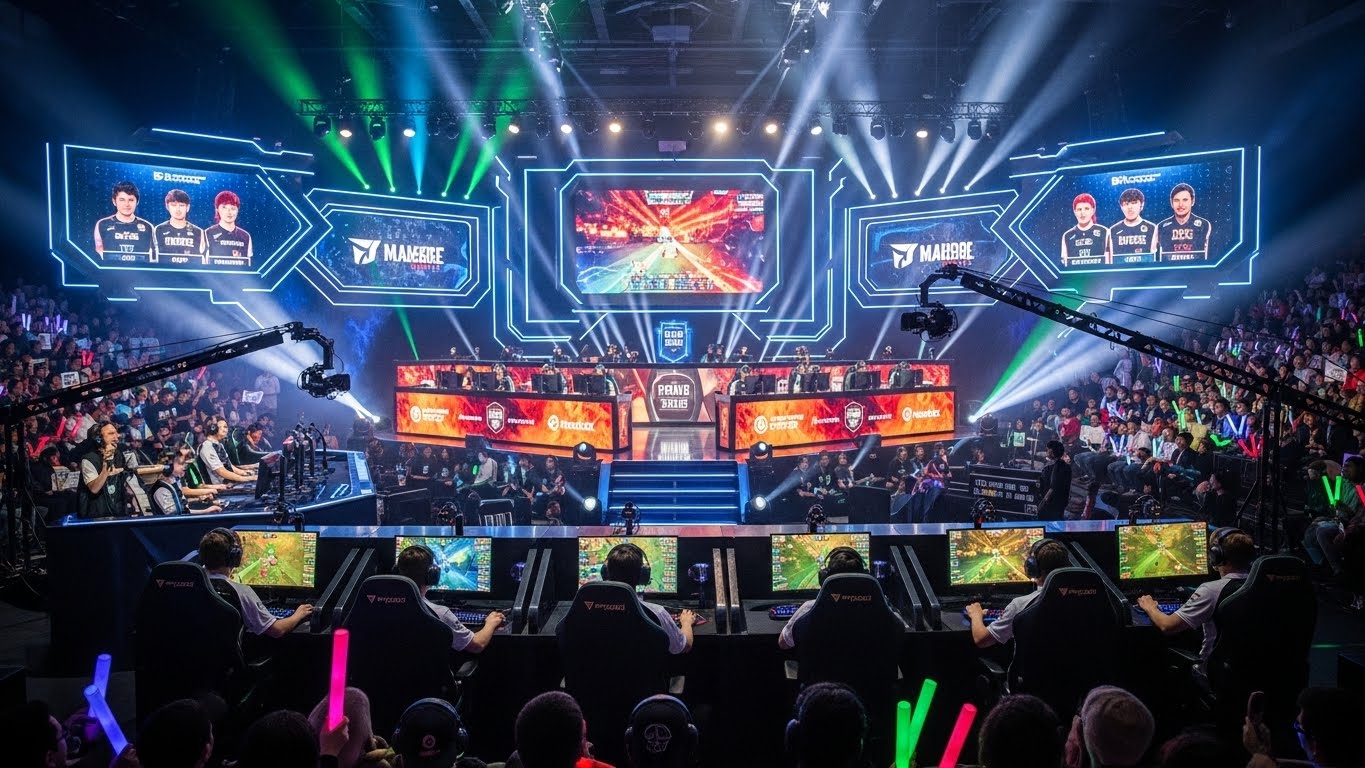
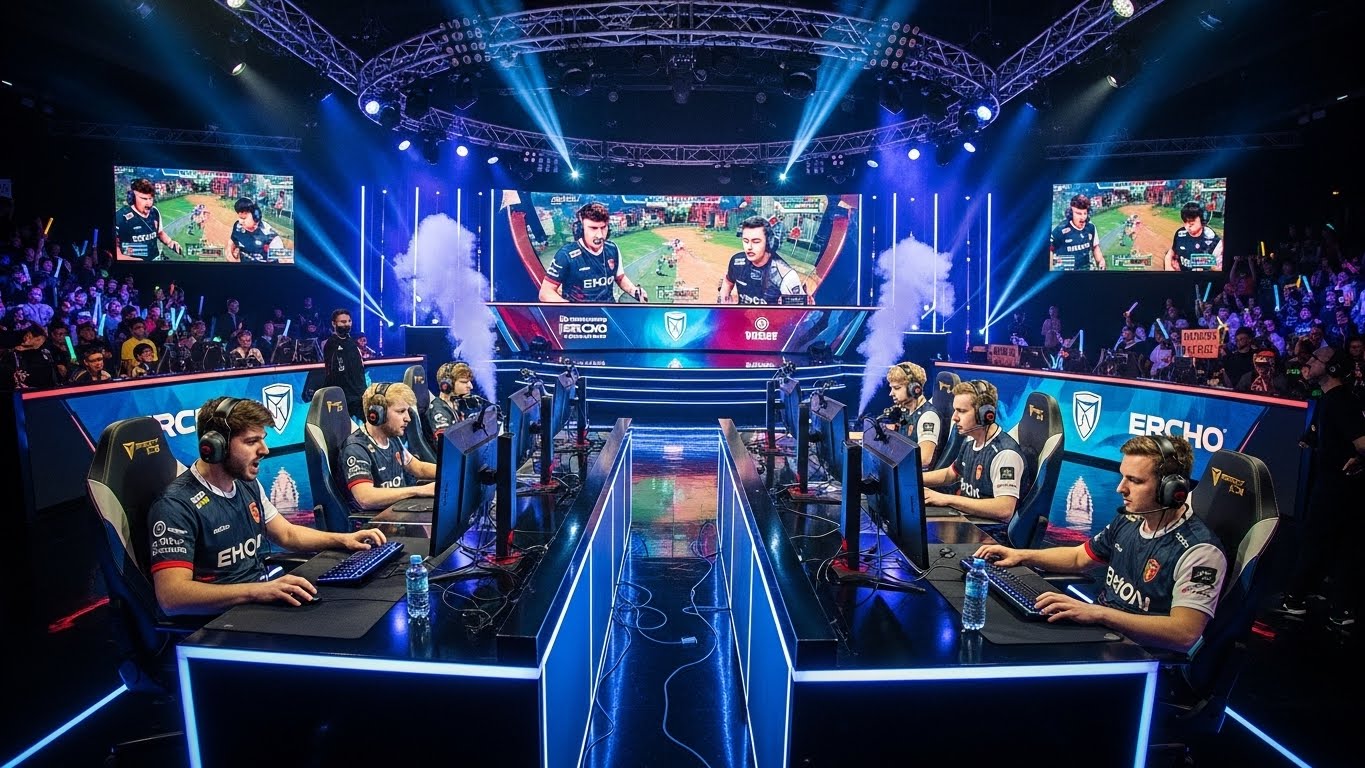
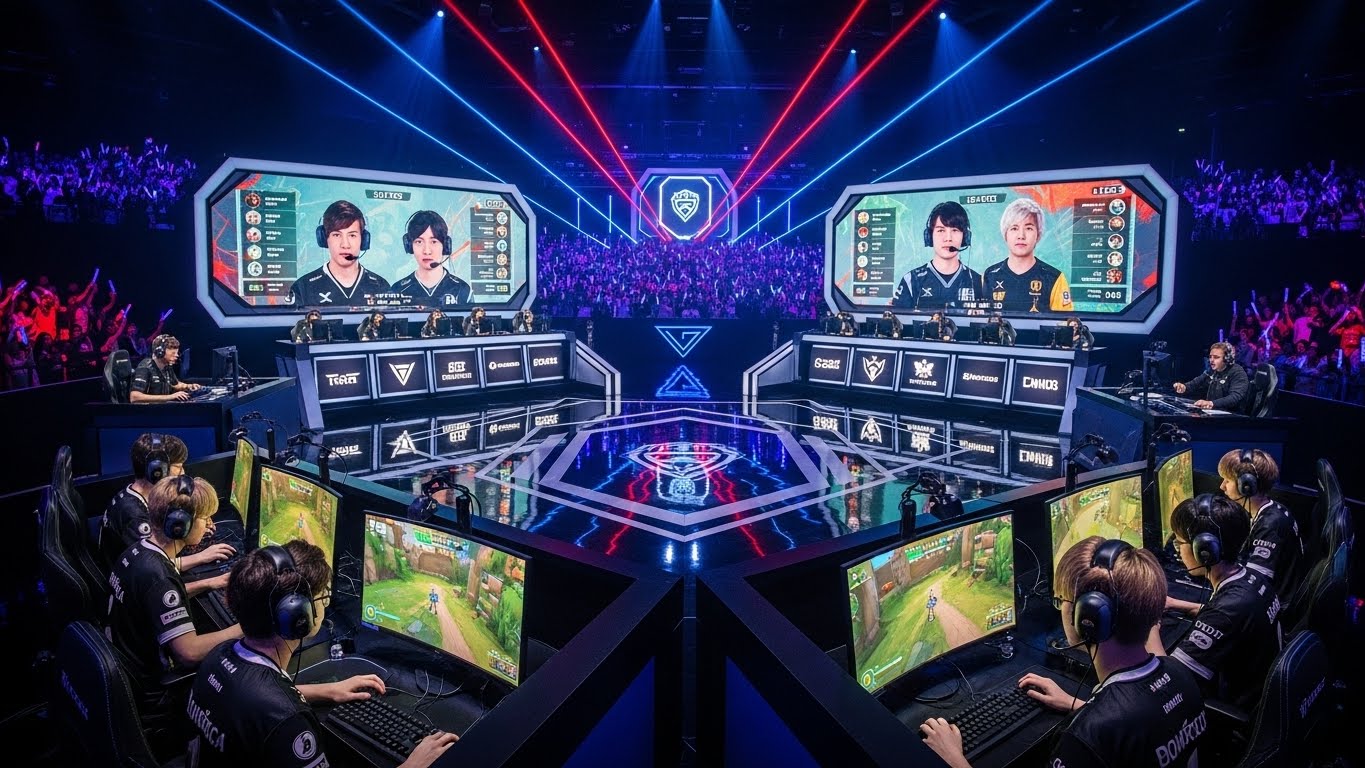
Major tournaments attract millions of viewers who tune in to witness intense battles, surprising strategies, and dramatic comebacks. Esports events often fill stadiums, convention centers, and arenas with enthusiastic crowds who mirror the energy seen in major sports events. The excitement, passion, and drama of esports competition have created a new era of entertainment where digital athletes are celebrated stars.
The Cultural Impact of Esports
Esports has influenced modern culture in ways that reach far beyond gaming. It has transformed online communities, shaped personal identities, inspired art and music, and created new forms of digital expression. Streamers, influencers, and content creators have grown alongside the esports industry, forming a new wave of online celebrities who entertain and inspire millions of fans.
Cosplay, fan art, and community events have become meaningful aspects of esports culture. Fans engage with their favorite games through creative expression, further enriching the esports experience. Esports has also encouraged friendships across borders, giving people a sense of belonging and community in a digital world where connections can be made instantly and globally.
How Esports Promotes Mental and Cognitive Skills
While some people still misunderstand gaming, esports has proven to provide various mental and cognitive benefits. Competitive gaming enhances quick decision-making, sharpens hand-eye coordination, strengthens memory, and improves strategic thinking. Players must constantly analyze situations, predict opponents’ moves, and react with precision, all of which develop valuable mental skills.
Esports also supports emotional growth. Players learn to cope with pressure, manage frustration, and remain calm during unexpected challenges. Team-based games promote communication, cooperation, and conflict resolution. These skills extend far beyond gaming and can positively impact education, careers, and everyday life.
The Social Power of Esports Communities
Esports thrives on the strength of its communities. Online platforms bring players together from all over the world, creating friendships, mentorships, and shared experiences. Many players join guilds, clans, or teams where they collaborate, strategize, and build lasting connections.
Unlike traditional sports that require physical presence or expensive equipment, esports is highly accessible. Anyone with a device and internet connection can join the fun, improving inclusivity and encouraging participation from diverse backgrounds. Esports communities welcome people regardless of gender, age, or physical ability, making it one of the most socially open competitive environments in the world.
Economic Growth and Opportunities in Esports
The esports industry has become a major economic powerhouse. Prize pools for tournaments often reach millions, and revenue comes from multiple sources such as sponsorships, merchandise, broadcasting, events, and advertising. Professional organizations constantly seek talented players, coaches, analysts, event managers, commentators, and content creators, giving rise to a wide range of employment opportunities.
Esports has also boosted the gaming hardware market, driving innovation in graphics cards, monitors, gaming chairs, and other accessories. Cities benefit from hosting large tournaments, as esports events draw visitors from around the world, stimulating local businesses and tourism. The economic impact of esports shows no signs of slowing down, making it one of the most promising industries of the future.
The Challenges and Realities of Esports
Despite its success, esports faces several challenges. The intense training required for competitive gaming can lead to burnout, stress, and physical strain. Players must balance screen time with exercise, healthy habits, and mental wellness. Contract disputes, lack of regulation, and inconsistent tournament standards also affect stability within the industry.
Additionally, online environments can sometimes foster toxic behavior, requiring strong moderation and community management to ensure a positive experience. As esports continues to grow, addressing these challenges becomes essential to maintaining the health and sustainability of the industry.
Innovation and Technology Shaping the Future
Technology remains the driving force behind esports. Advancements in graphics, game design, internet speed, and streaming have made competitive gaming more accessible and enjoyable. New technologies such as virtual reality and augmented reality are opening doors to even more immersive experiences. Artificial intelligence is being used to analyze player performance, optimize strategies, and enhance training methods.
Mobile esports is also expanding rapidly, especially in regions where mobile devices are more accessible than gaming PCs. This shift is creating new opportunities and bringing competitive gaming to even larger audiences worldwide.
Esports as a Long-Term Career Path
More young people today dream of a career in esports, whether as players, content creators, commentators, or coaches. While competitive careers may be short due to the intense nature of professional gaming, the industry offers many alternative career paths. Former players often transition into coaching, analysis, streaming, or game design, continuing their involvement in the world they love.
Esports organizations also emphasize education and life skills, ensuring that players prepare for long-term success both inside and outside the gaming arena. This makes esports a legitimate and sustainable career option for those passionate about gaming and technology.
The Future of Esports and Its Lasting Legacy
The future of esports is bright and full of potential. As the industry continues to innovate, it will reshape the entertainment landscape, redefine competition, and inspire new generations of digital athletes. With growing accessibility, greater recognition, and expanding global participation, esports is set to become a permanent and influential part of modern culture.
Esports is more than just gaming. It is a celebration of skill, community, creativity, and global unity. Its impact is felt across entertainment, technology, education, and society as a whole. The legacy of esports will continue to grow, proving that digital competition has the power to bring people together, spark passion, and create unforgettable experiences.