
 proesportszone51
In recent years, esports has emerged from the shadows of casual gaming to become a major global phenomenon. What started as small-scale competitions among dedicated gamers has evolved into a multibillion-dollar industry that attracts millions of viewers, sponsors, and professional players from all over the world. With tournaments streamed across multiple platforms and millions of fans tuning in to cheer for their favorite teams, esports has cemented its place as a major player in the entertainment world. In this blog post, we’ll dive deep into the growth of esports, explore its structure, and examine what makes it an exciting and transformative force in modern entertainment.
The Birth of Esports: A Journey from Arcade Games to Professional Tournaments
The journey of esports began decades ago when arcade games like Pong and Space Invaders started to make waves in the 1970s and 1980s. These early games sparked interest in competitive play, but it wasn’t until the rise of PC gaming in the 1990s that the first organized esports events began to take shape. One of the pivotal moments in the history of esports occurred in 1997 when Red Annihilation, a tournament for the game Quake, drew massive attention, offering not only a competitive platform but also a chance for players to win a Ferrari. This was the moment when esports transitioned from informal gatherings to high-stakes competitions.
The early days of esports were marked by grassroots movements, particularly in countries like South Korea, where games like StarCraft became hugely popular. The StarCraft community in South Korea laid the foundation for what would become a global esports movement. Broadcasted matches were viewed by millions, and players such as Boxer and Nada became national celebrities.
By the 2000s, as high-speed internet connections became more widely available, online multiplayer games such as Warcraft III, Counter-Strike, and League of Legends ushered in a new era for competitive gaming. These games brought together a global community, and with the advent of platforms like Twitch, fans were able to watch these tournaments in real time, further fueling the growth of esports.
The Rise of Professional Esports: From Hobby to Career
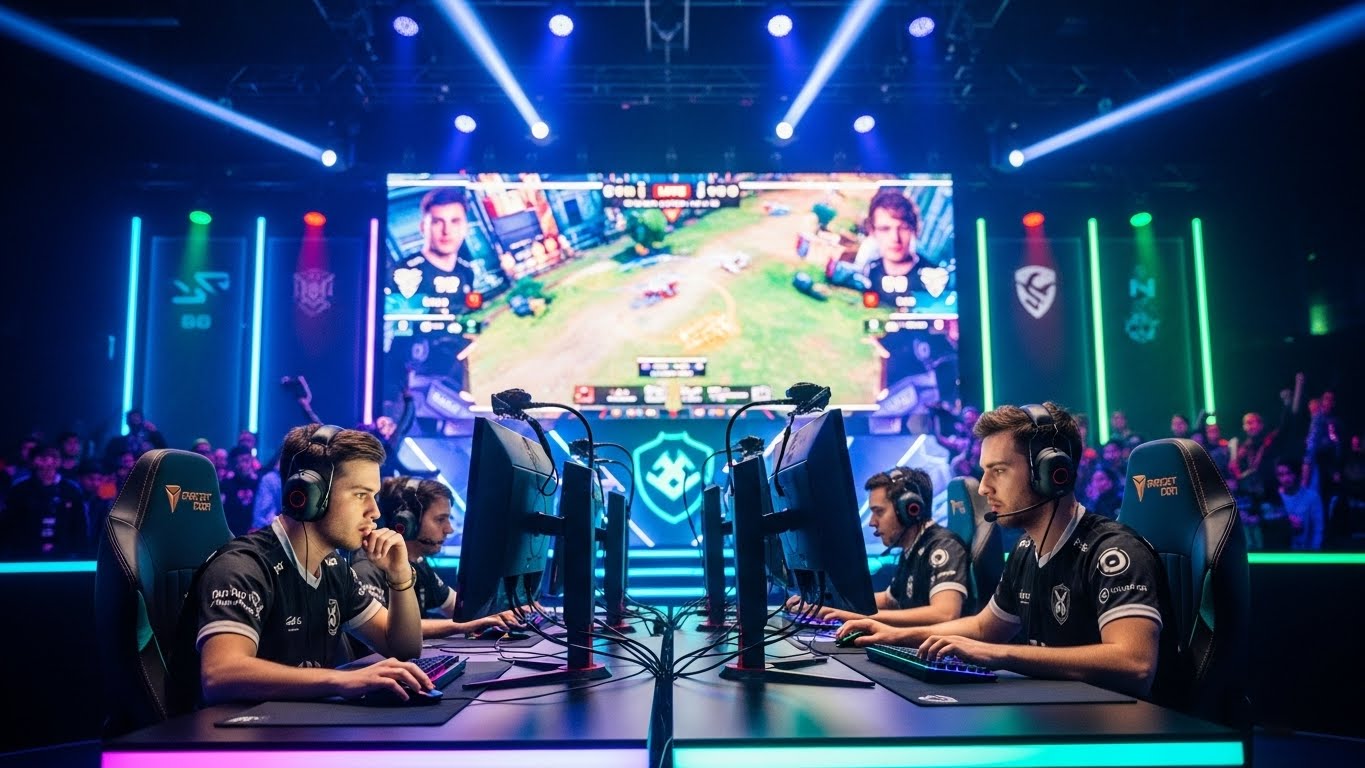
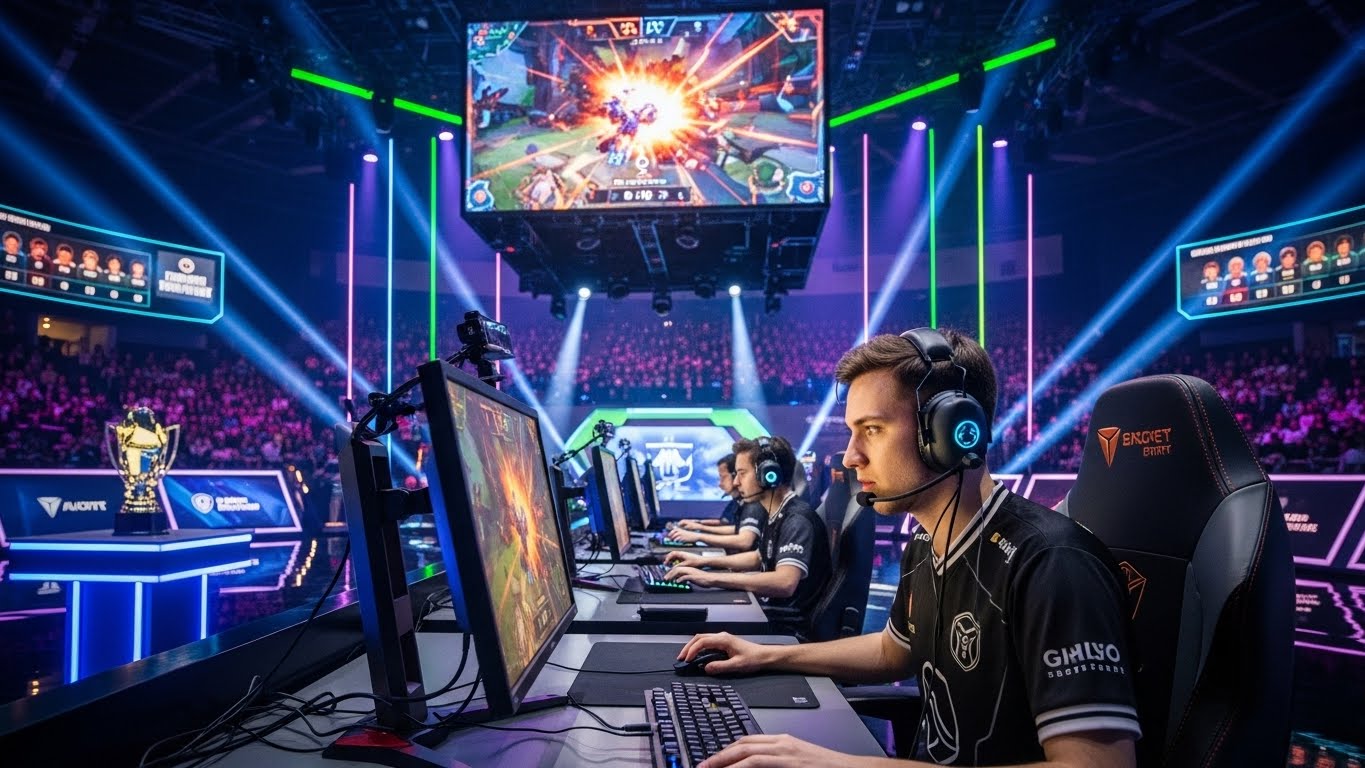
As esports grew in popularity, it evolved into a professional sport with organized teams, coaches, analysts, and sponsorship deals. Just like in traditional sports, players now train for hours each day, perfecting their skills and strategies to compete at the highest level. Esports players, who were once considered hobbyists, now have the potential to earn substantial incomes, and many are treated like stars in their respective games.
Some of the most famous esports players, such as Faker (League of Legends), S1mple (Counter-Strike: Global Offensive), and Ninja (Fortnite), have built careers worth millions through sponsorships, tournament winnings, and streaming revenue. Their popularity is not confined to the gaming world—many esports stars have become mainstream celebrities, often appearing in TV commercials, brand endorsements, and even mainstream media outlets.
This shift from casual gaming to a professional career is one of the major factors contributing to the rise of esports as a legitimate form of entertainment. The concept of “professional gamers” is now a widely accepted notion, with esports athletes being recognized for their exceptional skills, strategic thinking, and quick reflexes—qualities that are just as valuable in esports as they are in traditional sports.
The Esports Ecosystem: Key Components
Esports is not just about the players themselves; it is a multi-layered ecosystem that includes a variety of elements, all of which work together to create the global industry we see today. This ecosystem comprises several critical components: tournaments, teams, sponsors, and media platforms.
Tournaments: The Heart of Esports
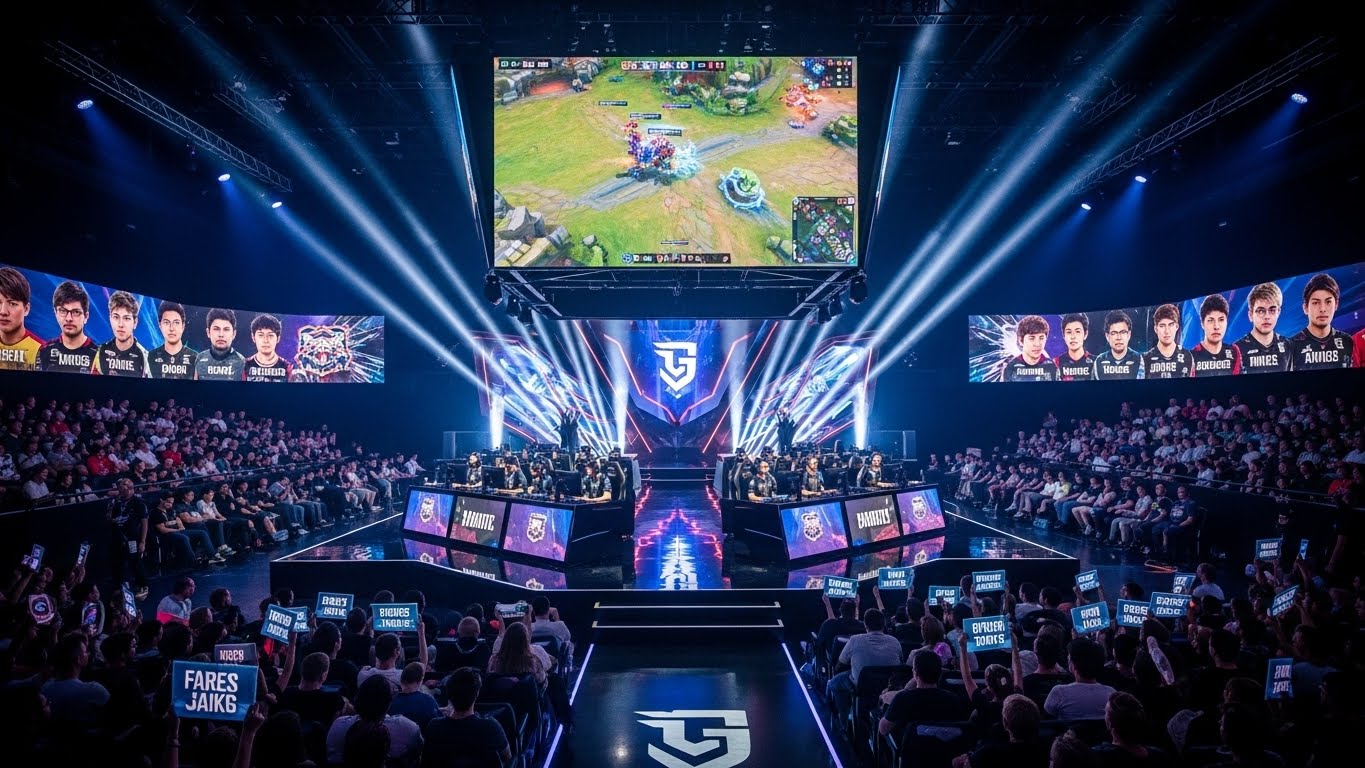
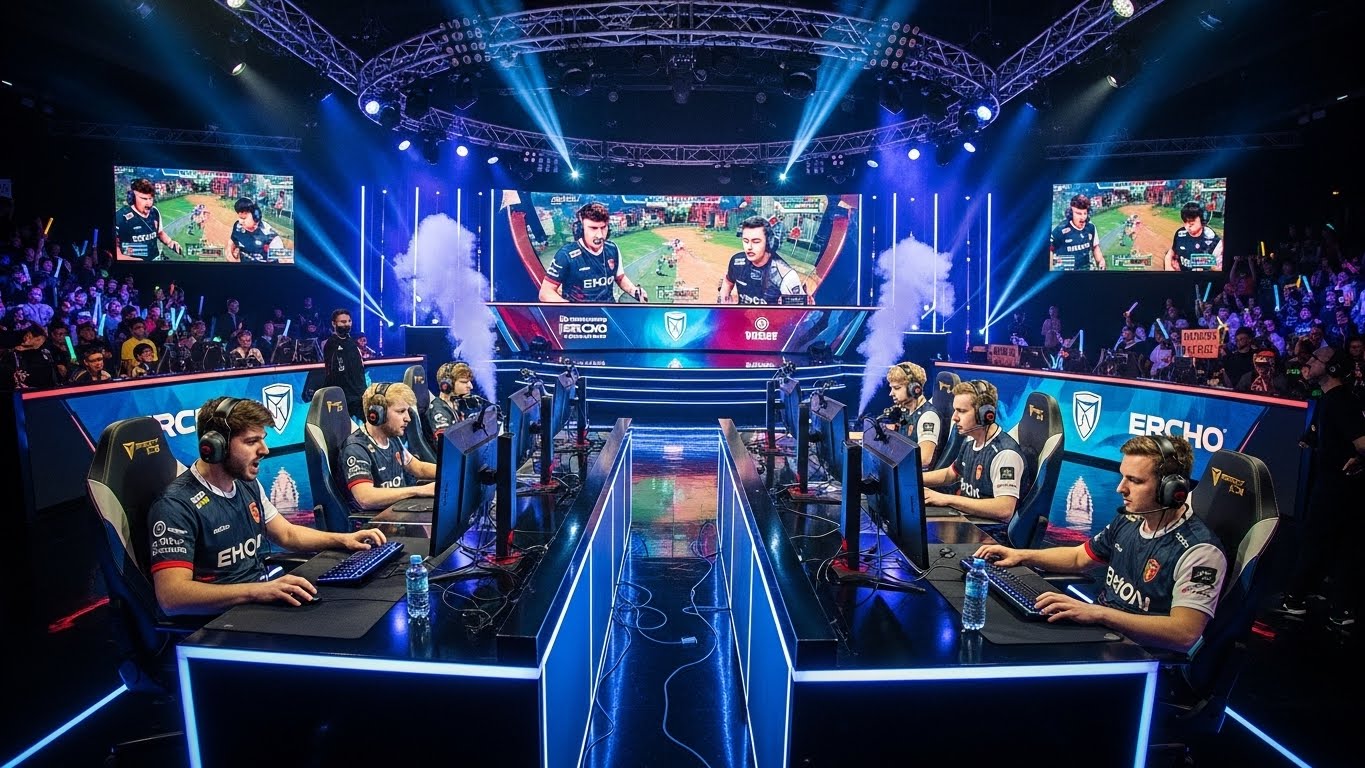
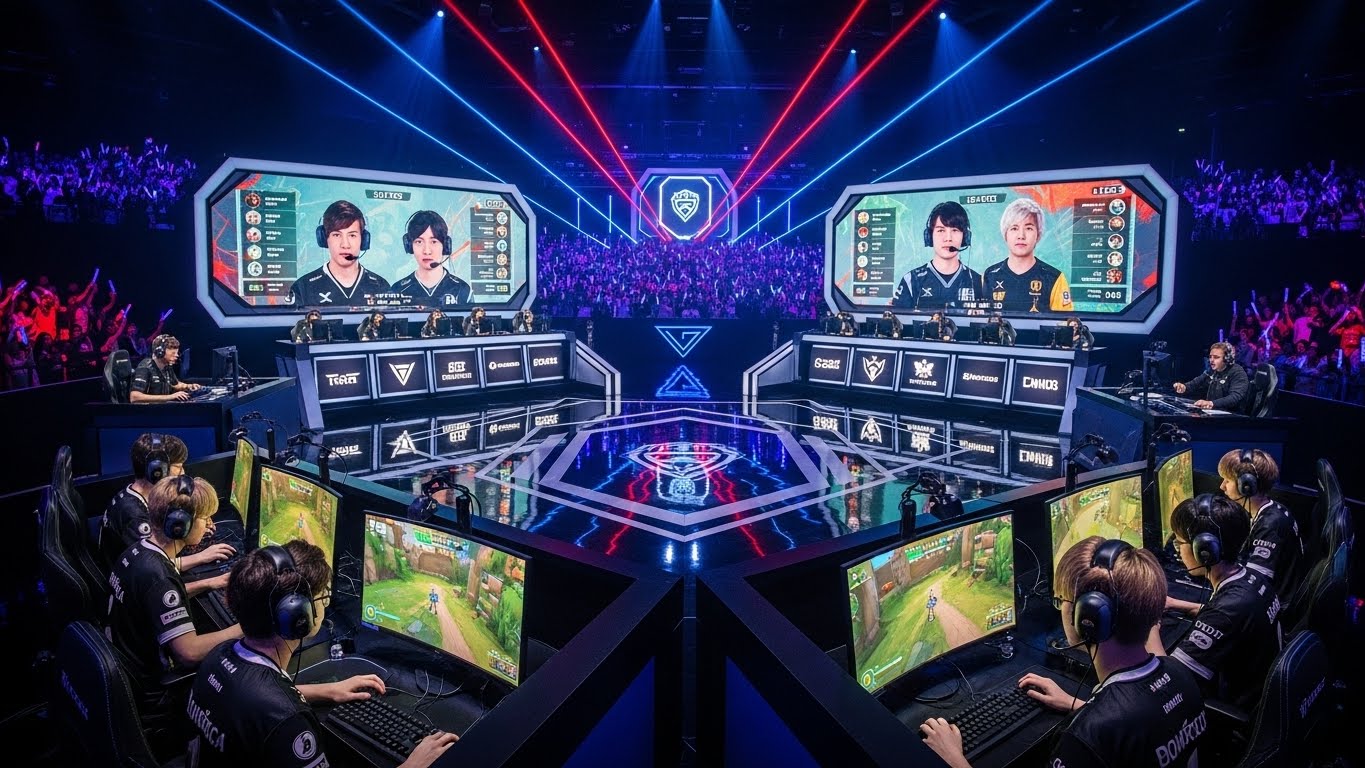
At the core of esports lies the tournament scene. Competitive events are the primary means through which players and teams showcase their abilities and compete for high-stakes rewards. These tournaments attract a wide audience, both online and in person, and the prize pools have reached astonishing numbers. Major tournaments like The International for Dota 2, the League of Legends World Championship, and CS: GO events often offer prize pools in the millions of dollars.
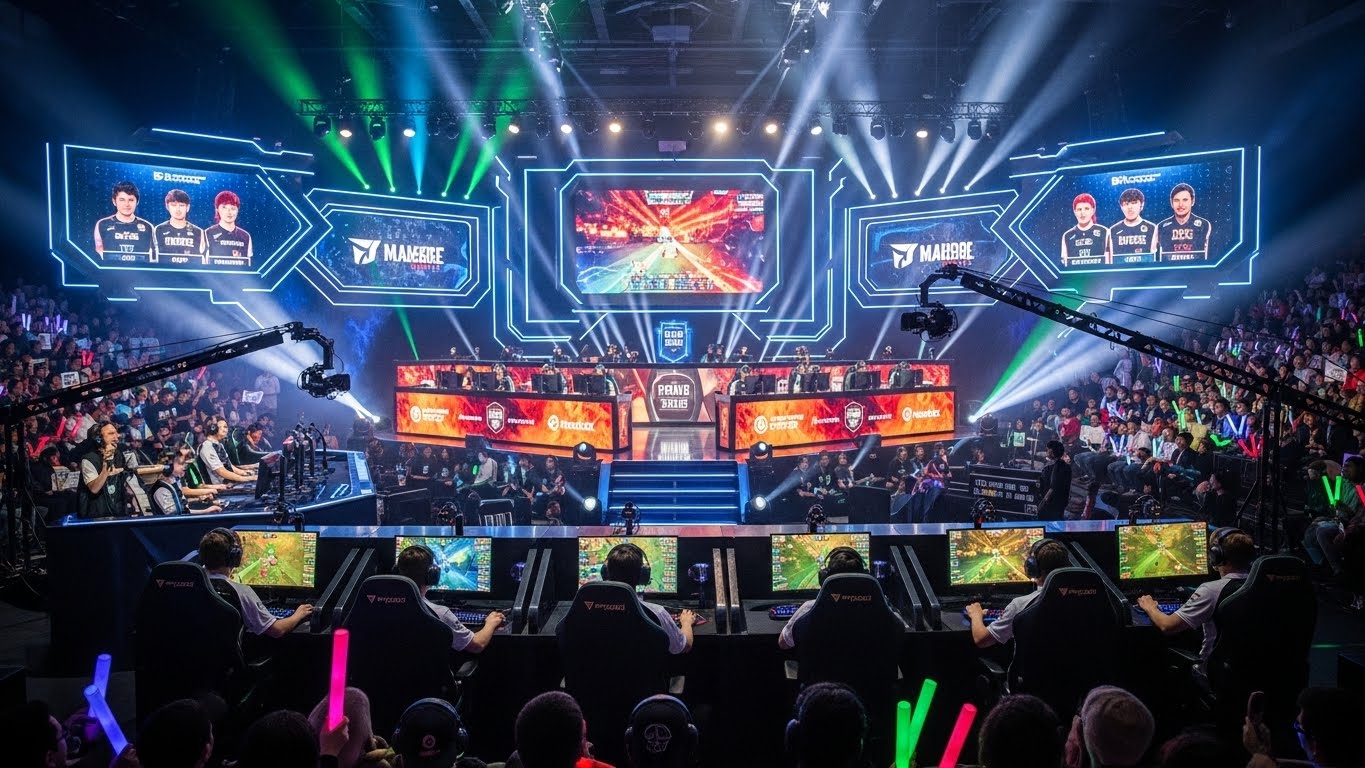
Tournaments are organized by game developers, third-party organizers, or esports leagues. The structure of these tournaments varies, but they usually involve a series of qualifiers, group stages, and finals, where the best teams or players compete for a championship title. The excitement surrounding these tournaments is palpable, as they showcase the best talent the world of gaming has to offer.
These tournaments are also critical for the visibility and growth of esports. High-profile events are streamed live on platforms like Twitch, YouTube Gaming, and Facebook Gaming, reaching millions of viewers from all corners of the globe. As the viewing experience continues to improve with better broadcasting quality, esports events are increasingly resembling the production value of traditional sports broadcasts.
Teams: The Pillars of Competitive Gaming
Just like in traditional sports, teams are integral to the success of esports. Professional esports teams consist of talented players who have the skills to compete at the highest level in specific games. Some teams are dedicated to one game, while others, like Cloud9, Team Liquid, and FaZe Clan, field multiple rosters across different titles.
Esports teams work much like their counterparts in traditional sports. They are supported by coaches, analysts, managers, and sponsors who help guide the team to success. Team dynamics, communication, and strategy are essential for achieving victory. Successful esports teams are able to forge synergy and build trust among players to execute precise strategies during high-pressure situations.
Team management is also a major part of esports, with teams often investing heavily in recruitment, training facilities, and mental health resources. With the demands of professional gaming, player burnout and mental fatigue have become serious concerns. As such, many top teams have introduced psychologists and performance coaches to help players manage the stress of competing at the highest level.
Sponsors and Partnerships: Fueling Esports Growth
Sponsorship is one of the key driving forces behind the financial success of esports. Major corporations, both within and outside the gaming industry, have recognized the marketing potential of esports and have begun to invest heavily. Companies like Intel, Coca-Cola, and Red Bull are some of the most recognizable names to sponsor esports events, players, and teams.
These sponsorship deals have helped esports grow exponentially in recent years. The money from sponsors enables teams to fund their operations, pay players, and invest in new technologies to improve performance. Additionally, sponsorships also help raise the profile of esports, as they bring in mainstream audiences who may not have previously considered esports as a viable form of entertainment.
The Business of Esports: Economics and Revenue Streams
Esports is a thriving industry with a diverse range of revenue streams that contribute to its financial success. These streams include sponsorships, ticket sales, media rights, merchandise, and the burgeoning world of streaming.
Sponsorships and Advertising
The biggest chunk of esports revenue comes from sponsorships. Just like in traditional sports, brands are eager to reach the highly engaged audience that follows esports. Sponsors see esports fans as a young, tech-savvy demographic that is highly invested in gaming culture. This has led to partnerships with companies from various industries, including automotive, technology, and even fast food.
Media Rights and Streaming Platforms
As esports grows, so does its media presence. Tournaments are often streamed on platforms like Twitch, YouTube, and Facebook Gaming. In addition to these platforms, traditional media outlets like ESPN and cable networks have also started broadcasting major esports events. This rise in media exposure has significantly increased the value of broadcasting rights.
Streaming services also benefit from the content created by esports players and organizations. Many professional players live-stream their gameplay, giving fans an opportunity to interact with them in real time. In turn, streamers earn revenue through ad revenue, donations, and subscriptions from their followers.
Merchandising
Esports teams, like their traditional sports counterparts, also generate income through merchandise. Fans of particular teams or players are often eager to purchase jerseys, hats, and other memorabilia. Merchandise sales are a significant part of the revenue stream for both teams and tournaments, contributing to the growing financial ecosystem of esports.
Challenges Facing the Esports Industry
Despite its rapid growth and immense popularity, esports is not without its challenges. One of the major issues facing the industry is the health and well-being of players. Competitive gaming is mentally and physically taxing, and long hours spent in front of screens can lead to issues like eye strain, repetitive stress injuries, and mental burnout.
Moreover, while the esports community has made significant strides in combating cheating and match-fixing, these problems still persist. As esports prize pools increase, so does the temptation for players to engage in unethical practices. To combat this, governing bodies and tournament organizers have implemented strict anti-cheating measures, but the battle is ongoing.
The Future of Esports: What Lies Ahead?
The future of esports is undeniably bright. With an ever-growing fanbase, increasing sponsorship opportunities, and continued advancements in gaming technology, esports is poised to become an even more integral part of the global entertainment landscape.
Virtual reality (VR) and augmented reality (AR) are expected to play a significant role in the future of esports. These technologies will allow for more immersive gaming experiences, enabling players and viewers to interact with the games in ways that were previously unimaginable.
Additionally, the convergence of traditional sports and esports is likely to continue. Many professional sports teams, including football and basketball clubs, have already invested in esports teams and leagues, marking a merging of the two worlds. This trend suggests that esports will only become more intertwined with mainstream sports culture in the years to come.