
 proesportszone51
Introduction: The Rise of a New Era
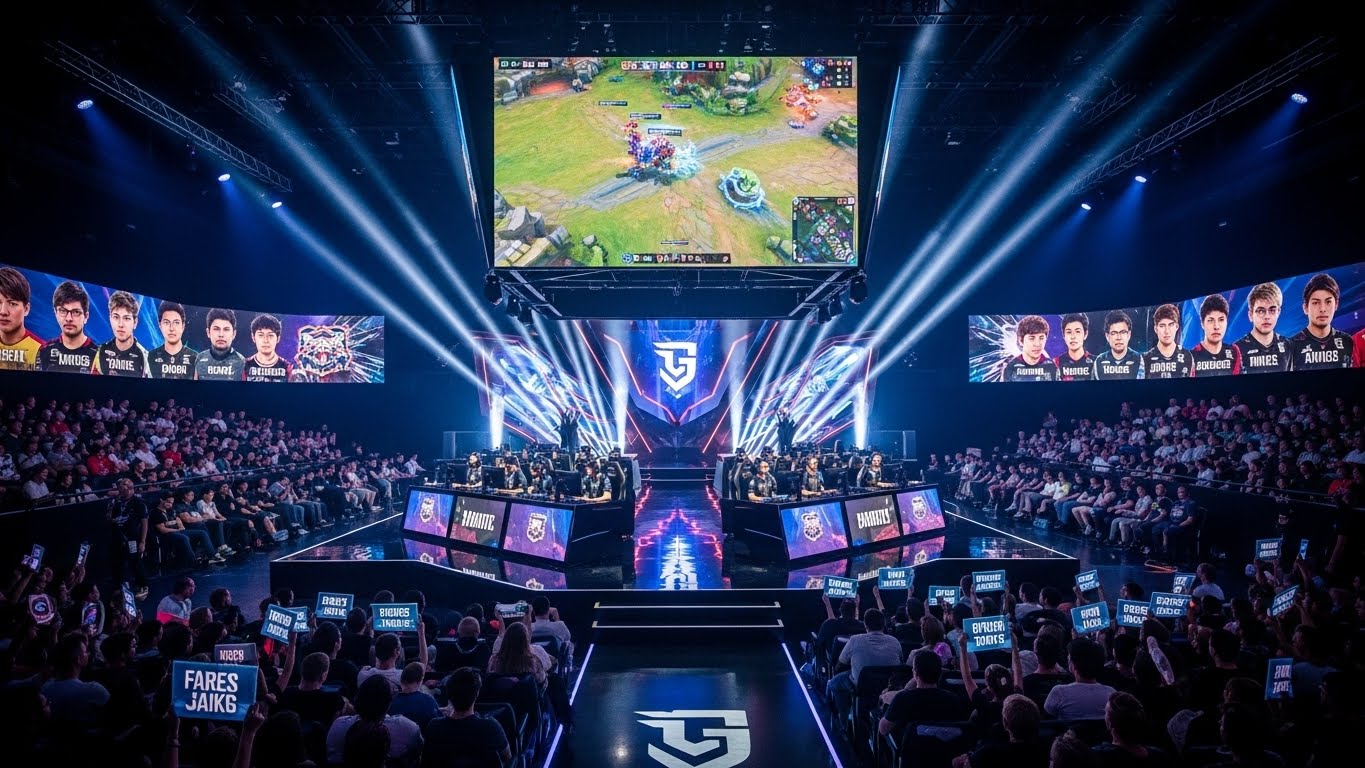
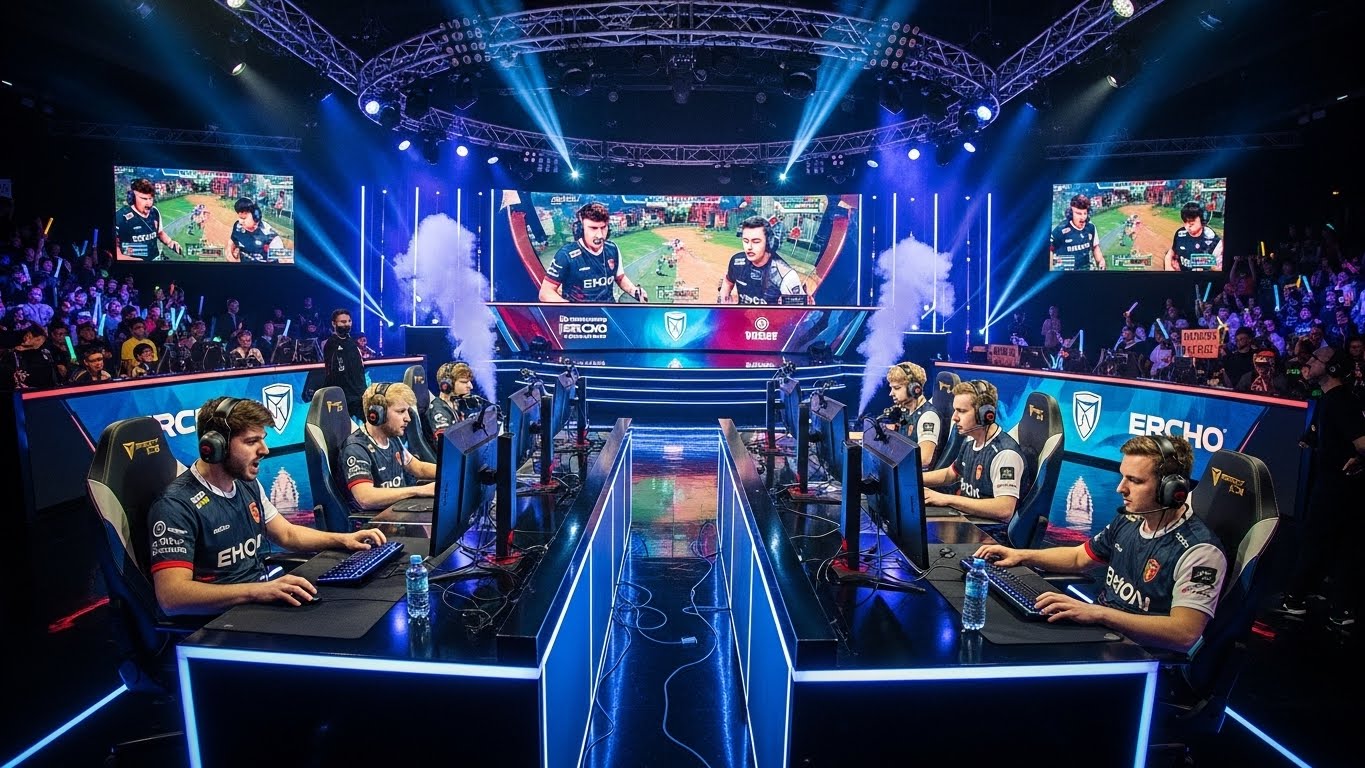
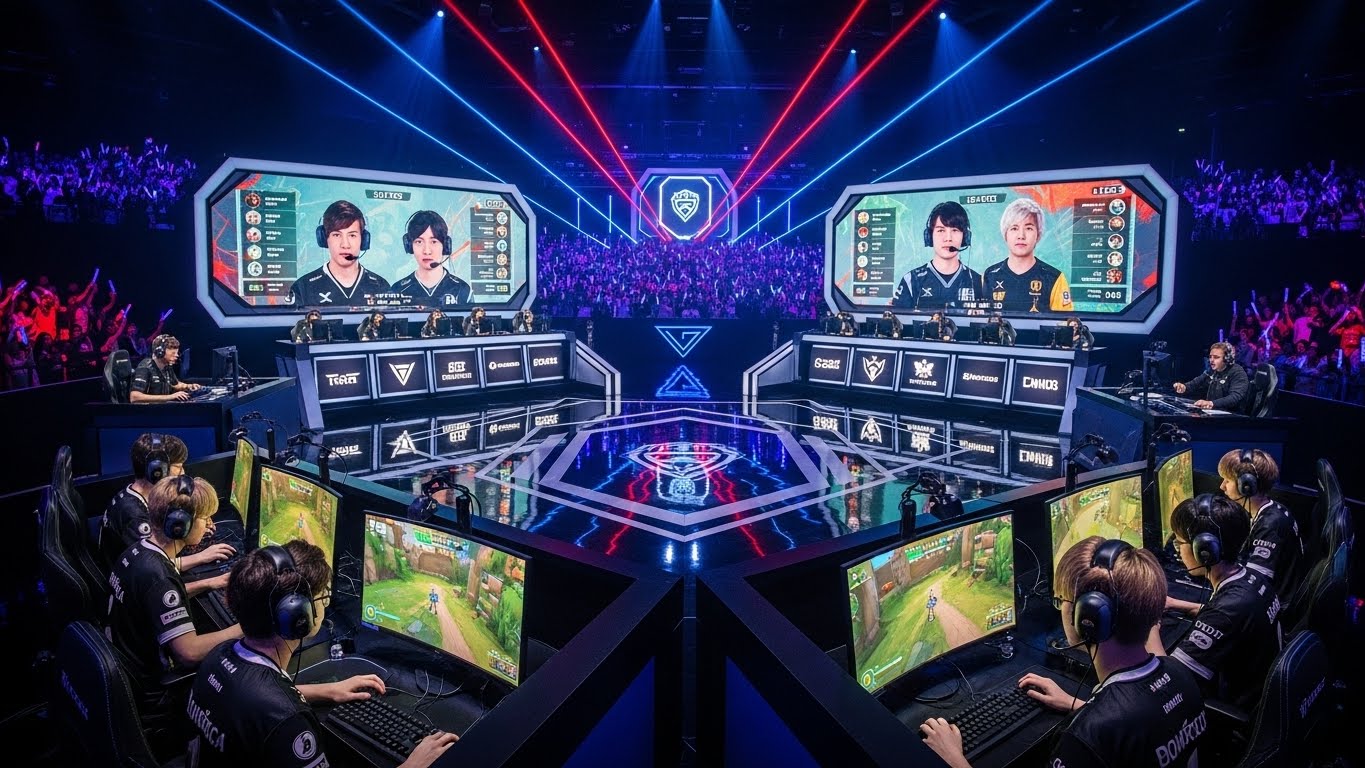
The world of competitive gaming, known today as esports, has experienced unprecedented growth over the past two decades. What was once a niche hobby for dedicated gamers in small community centers has transformed into a multi-billion-dollar industry that captivates audiences worldwide. Stadiums now host thousands of fans, while online streams draw millions more, making esports a global spectacle on par with traditional sports. The phenomenon of esports is not just about games; it represents a cultural shift where digital skill, strategy, and teamwork are celebrated on a massive scale.
The Evolution of Competitive Gaming
Esports did not become mainstream overnight. Its journey began with small-scale competitions, often held in local internet cafes or at conventions. Games like StarCraft, Counter-Strike, Warcraft, and Quake laid the groundwork for competitive gaming. These titles nurtured communities that thrived on practice, strategy, and rivalry, setting the stage for organized competition.
The advent of high-speed internet revolutionized esports, enabling players to compete globally. Online tournaments became commonplace, and professional leagues started to form. What began as casual play among friends transformed into a structured industry with coaches, analysts, and sponsorship deals. By the 2010s, esports had established itself as a major entertainment industry, complete with professional commentary and international tournaments.
What Makes Esports So Captivating
Esports has unique qualities that attract audiences in ways traditional sports often cannot.
Accessibility
Unlike many traditional sports, esports allows almost anyone to participate. All a player needs is a device capable of running the game and an internet connection. This accessibility fosters strong emotional connections between players and fans, as audiences understand the games deeply and can relate to the challenges faced by professional players.
Global Reach
Esports transcends geographic boundaries. Teams from different continents compete against one another regularly, creating global rivalries and communities. This worldwide connection unites fans across cultures, all through a shared love of gaming.
Constant Innovation
Games evolve rapidly. Updates, patches, and new releases keep the competitive environment dynamic, forcing players to adapt constantly. This constant evolution keeps fans engaged, as every season brings new strategies, gameplay mechanics, and surprises.
Digital Engagement
Esports thrives in the digital space. Fans can watch live matches, participate in chats, and interact directly with players on social media. This real-time engagement creates a sense of involvement that traditional sports cannot always match.
The Professionalization of Esports
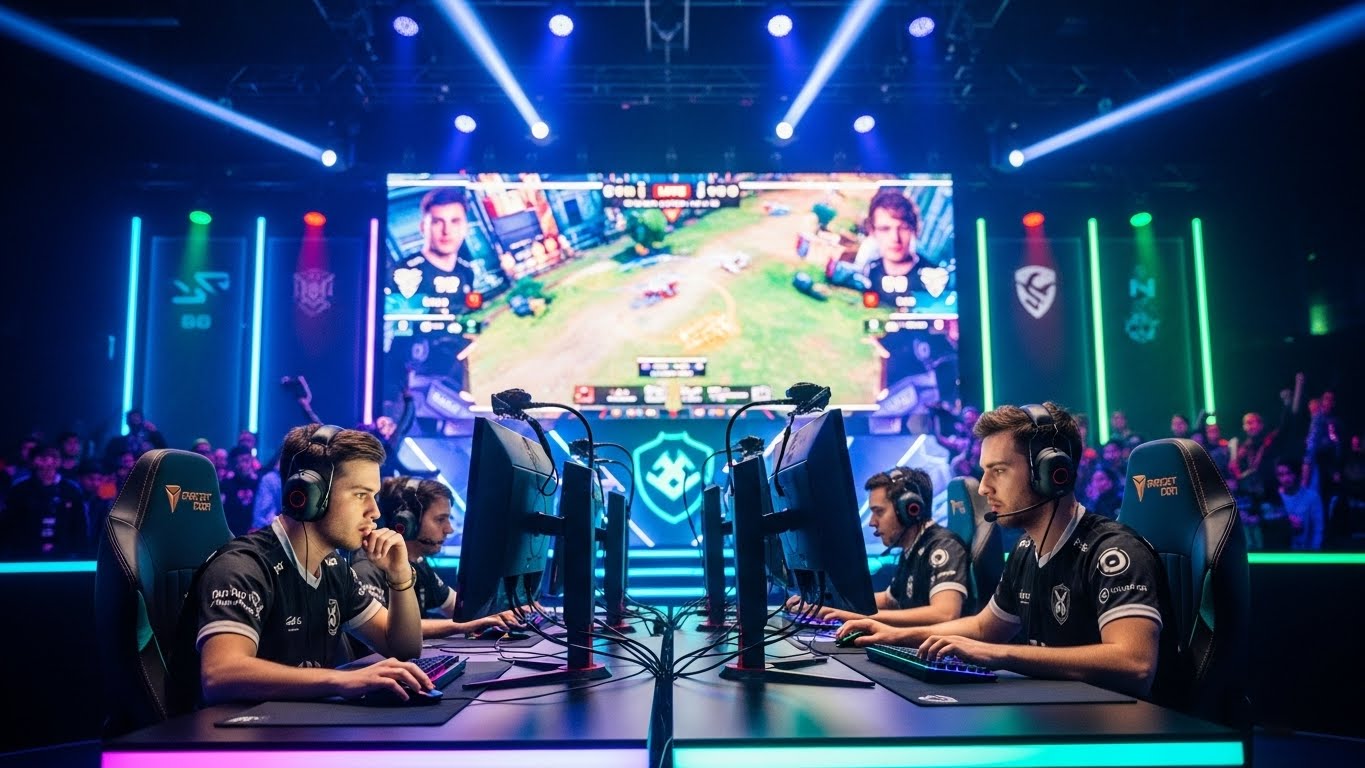
Modern esports organizations operate much like traditional sports franchises. Teams employ coaches, analysts, managers, and even nutritionists to optimize player performance. Players often live in training facilities or gaming houses where they practice for hours each day.
These organizations frequently field teams across multiple game titles, investing heavily in player development and branding. Sponsorships and partnerships provide financial support, while merchandising and streaming help generate revenue. The professionalization of esports has transformed it from a hobbyist activity into a legitimate career path.
Popular Esports Titles and Their Impact
Different games attract different audiences, and each esports title has a unique culture and competitive style.
Multiplayer Online Battle Arenas
Games in this genre, like League of Legends and Dota 2, involve team-based strategy and objective control. Fans enjoy the deep strategic elements and the teamwork required to succeed at the highest level.
First-Person Shooters
Shooter games emphasize precision, quick reflexes, and teamwork. Titles such as Counter-Strike and Overwatch offer fast-paced action and highlight moments that captivate audiences worldwide.
Battle Royale Games
Games like Fortnite and PUBG combine survival elements with large-scale competition. Matches are unpredictable, intense, and exciting to watch, often coming down to the final moments.
Sports Simulations
Digital adaptations of real-world sports, such as FIFA and NBA 2K, allow players to test strategy and skill in a virtual environment. These games attract both traditional sports fans and gamers, bridging the gap between two worlds.
Esports Careers Beyond Playing
While professional players are the most visible figures, esports encompasses a wide range of careers.
Commentators and Analysts
These individuals guide viewers through matches, breaking down strategies and explaining gameplay to enhance the audience’s experience.
Coaches and Team Managers
Professional teams rely on leadership to maintain discipline, improve performance, and develop winning strategies.
Production Staff
Behind every live event is a team responsible for broadcasting, camera work, editing, and graphics, ensuring matches are engaging and polished.
Game Developers and Designers
Developers create the competitive environment, balancing games and introducing features that keep the competitive scene fair and exciting.
Event Organizers
Tournaments require meticulous planning, from venue management to logistics, ensuring players and fans have a seamless experience.
The esports ecosystem is vast, with opportunities that extend well beyond playing the games themselves.
The Life of a Professional Gamer
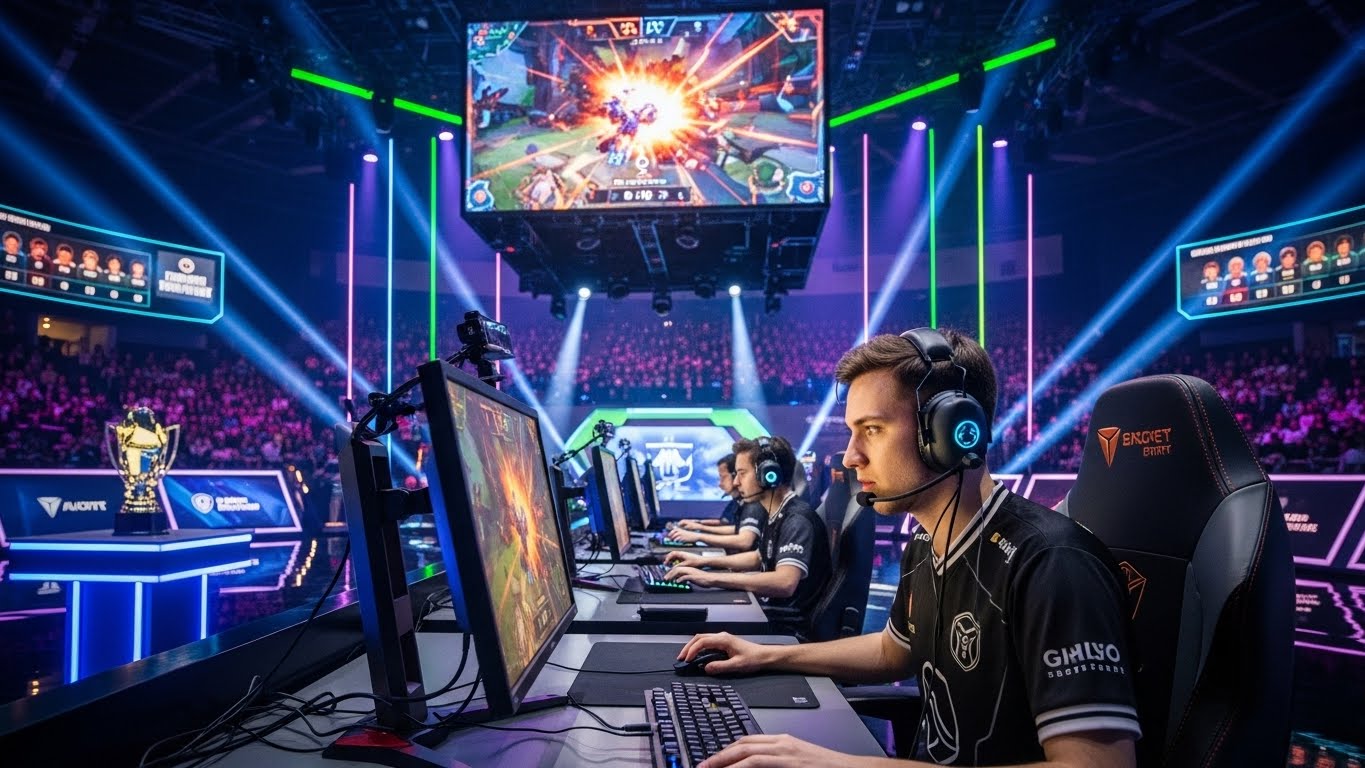
Professional gamers face a disciplined lifestyle. Practice schedules can exceed eight hours daily and include mechanical training, strategy sessions, and scrimmages against other teams.
Mental Conditioning
Competitive gaming requires focus, quick decision-making, and the ability to stay calm under pressure. Mental resilience is crucial for success.
Physical Health
Contrary to stereotypes, gamers maintain physical fitness to prevent injuries and sustain long practice sessions. Hand exercises, posture maintenance, and general fitness routines are common.
Teamwork and Communication
Success in team-based esports relies heavily on coordination. Teams review replays, plan strategies, and practice communication techniques, emphasizing collaboration over individual skill.
Esports requires dedication, discipline, and a professional mindset, much like traditional sports.
Educational Opportunities in Esports
Universities and schools are embracing esports by offering scholarships, clubs, and formal programs. These initiatives teach teamwork, leadership, digital literacy, and time management. Students also gain exposure to careers in media production, game design, and business management.
Educational programs recognize esports as a tool for developing real-world skills while preparing students for a career in a technology-driven economy.
The Economics of Esports
The esports industry thrives through multiple revenue streams.
Sponsorships
Brands invest in teams, tournaments, and broadcasts to reach younger, digitally engaged audiences.
Merchandising
Fans purchase team jerseys, apparel, and collectibles, supporting their favorite players and generating revenue.
Media Rights
Streaming platforms pay for the rights to broadcast major tournaments, contributing significantly to the industry’s growth.
In-Game Revenue
Virtual items, skins, and cosmetic purchases provide substantial income and support prize pools for competitions.
Live Events
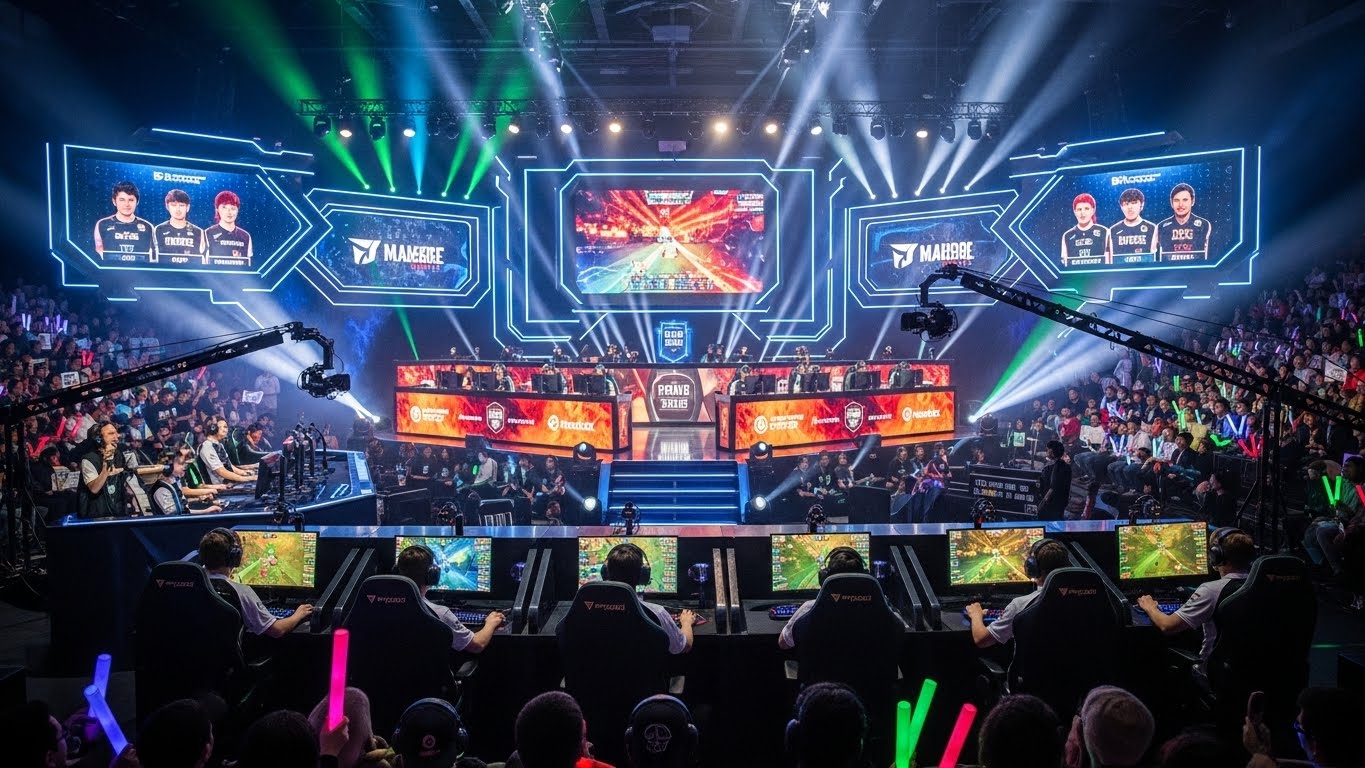
Major tournaments draw thousands of fans to stadiums, creating energetic live experiences and additional revenue.
The combination of these streams makes esports a sustainable and rapidly growing business.
The Future of Esports
The future promises even more innovation. Emerging technologies such as virtual reality and augmented reality are poised to redefine gameplay and viewing experiences. Leagues are expanding globally, and governments are investing in esports infrastructure. The industry continues to grow in professionalism, cultural significance, and economic impact.
Esports is expected to become a mainstream sport with standardized rules, youth development programs, and global recognition.
Conclusion: Esports as a Cultural Revolution
Esports represents a fusion of technology, entertainment, and competition. Its rapid growth reflects the changing nature of entertainment in the digital age, offering young people opportunities to compete, collaborate, and build careers. From humble beginnings in local gaming cafés to sold-out arenas and online global audiences, esports has evolved into a cultural phenomenon that shows no signs of slowing down. The digital arena is the new global stadium, and it is here to stay.