
 proesportszone51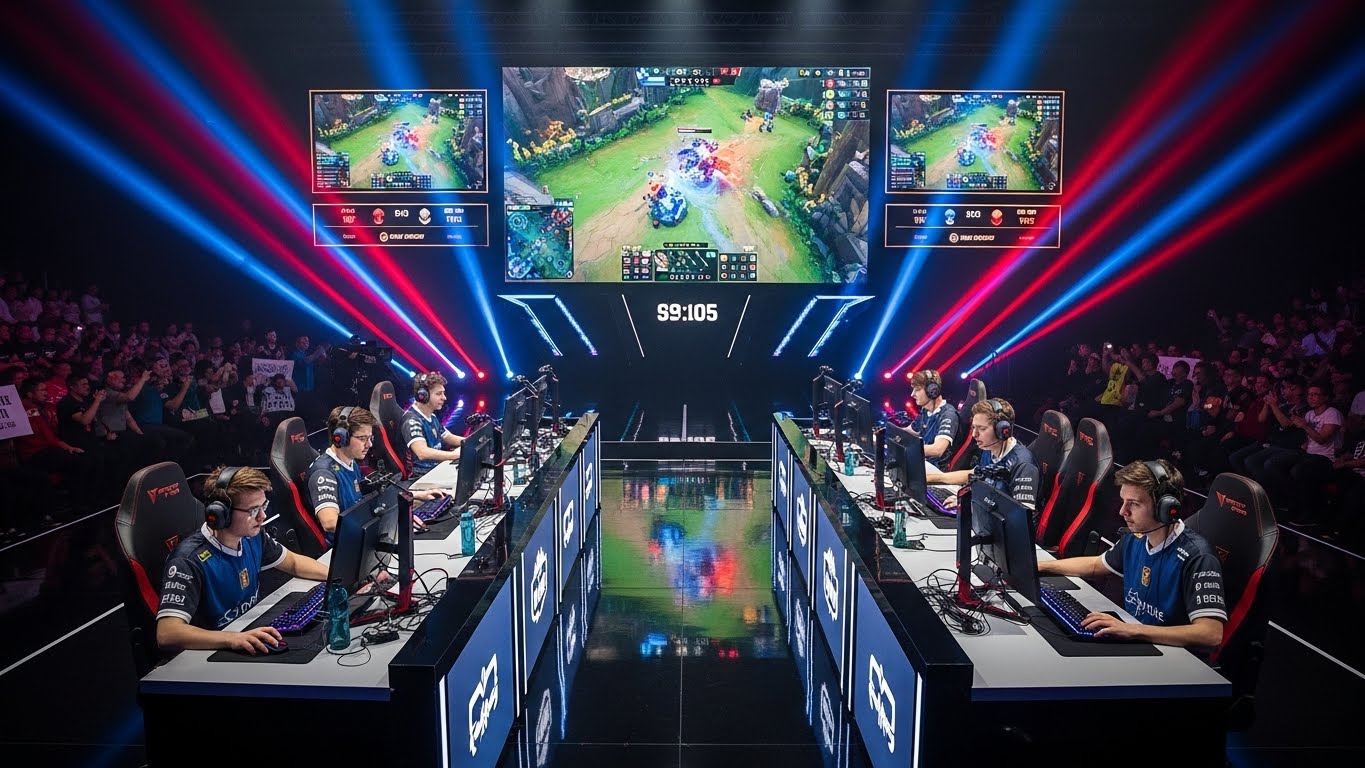
Introduction: The Emergence of Competitive Gaming
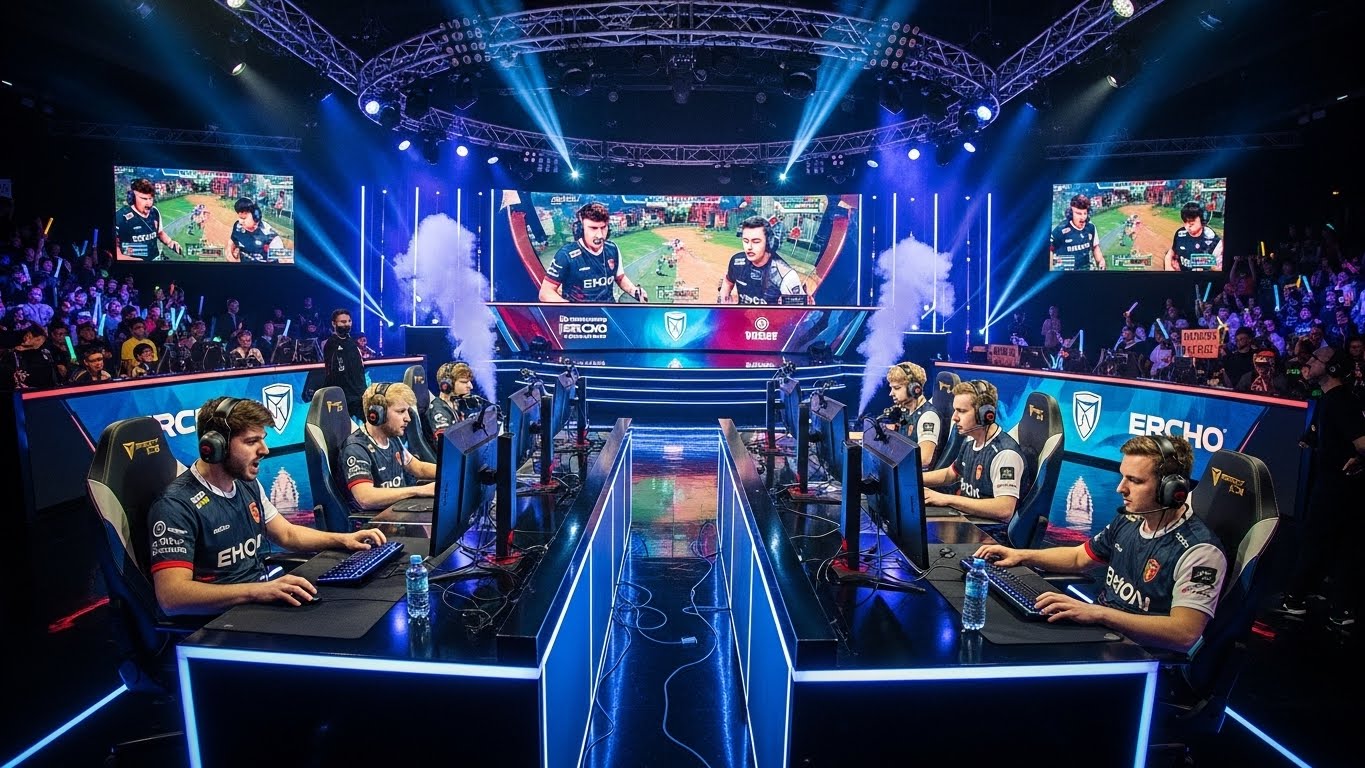
Over the past two decades, esports has transitioned from a niche activity to a global entertainment juggernaut. What once began as small gatherings of friends playing video games in basements and local LAN parties has grown into a multi-billion-dollar industry. Professional gaming leagues, massive live-streaming platforms, and stadium-filling tournaments now define the esports landscape. In this blog, we explore how esports has evolved into one of the fastest-growing industries in the world and why it’s here to stay.
The Rise of Esports: From Hobbyists to Professionals
The origins of esports can be traced back to the early days of competitive gaming. In the 1990s, games like Doom and StarCraft laid the groundwork for multiplayer competition. Early tournaments were often informal events, with players competing for small prizes or simply for the glory of victory. However, it was the advent of high-speed internet and the rise of online multiplayer games in the late 1990s and early 2000s that sparked the true growth of esports.
As broadband internet became more widely available, games like Warcraft III, Counter-Strike, and League of Legends allowed players to compete against each other from different parts of the world. The sense of community and competition that formed around these games set the stage for the development of esports leagues and tournaments. By the mid-2000s, gaming companies, particularly in South Korea, began organizing professional tournaments with substantial prize money, giving rise to the first true esports athletes.
Esports Today: A Global Industry
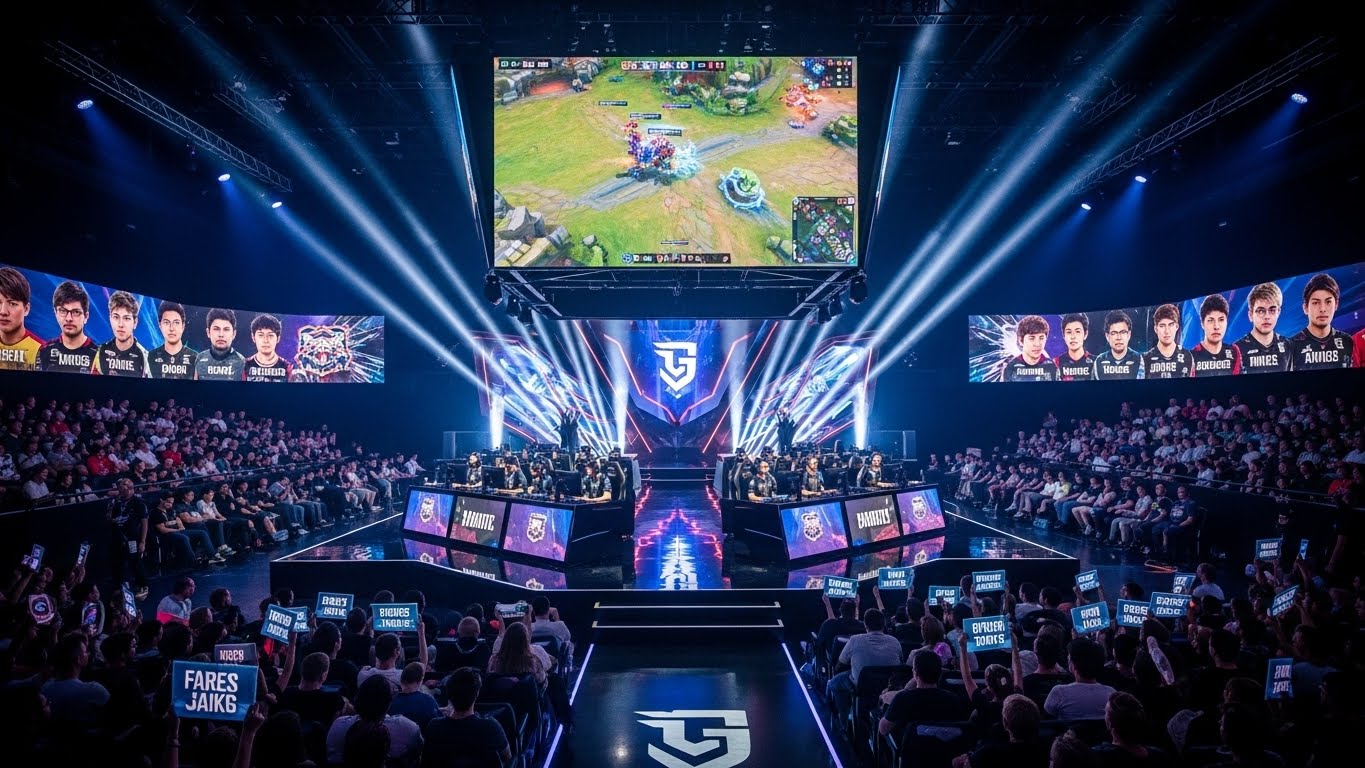
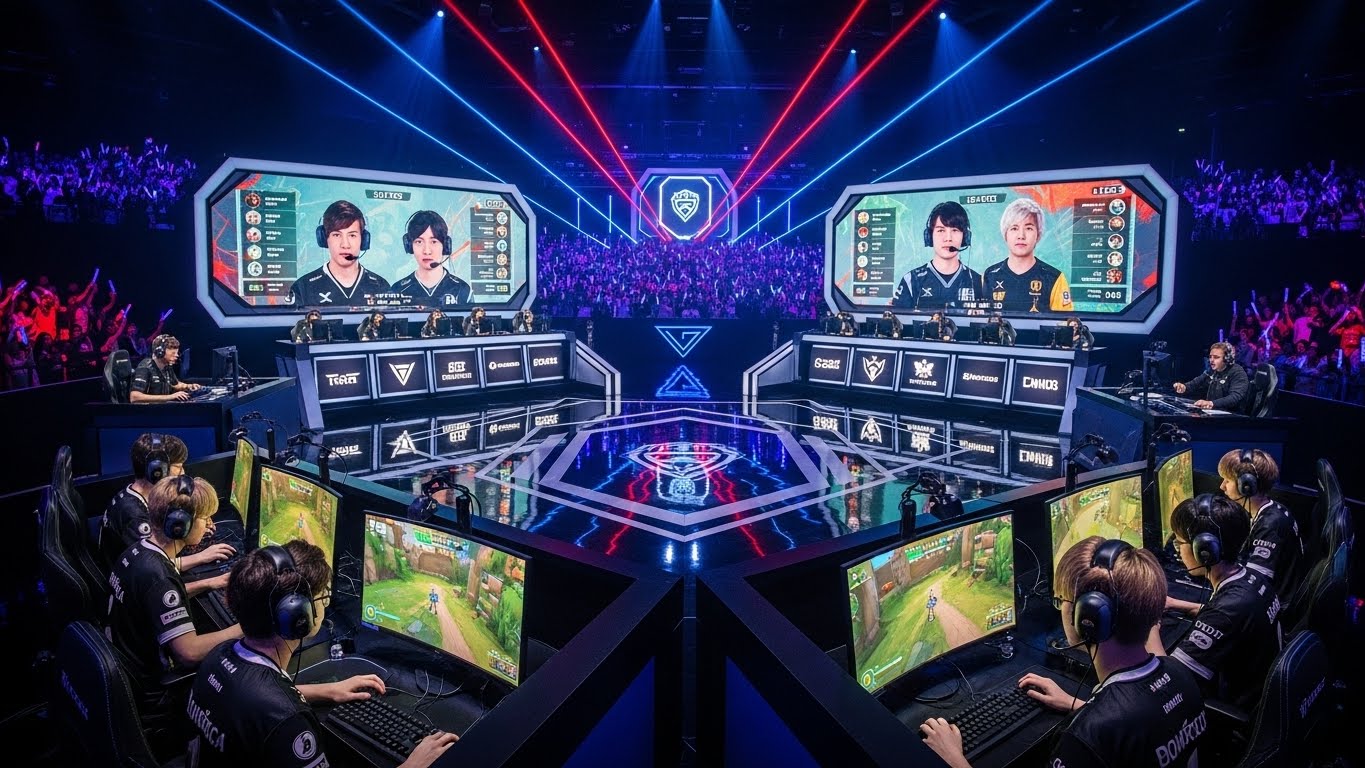
Today, esports has become a global phenomenon. Major tournaments like The International for Dota 2, League of Legends World Championship, and Fortnite World Cup attract millions of viewers, both online and in person. These events are broadcast live on platforms like Twitch, YouTube, and Facebook Gaming, bringing competitive gaming to a global audience. Esports is no longer just a hobby—it’s a legitimate career for thousands of professional players, coaches, analysts, and content creators.
In 2023, the global esports industry was estimated to be worth over $1 billion, with growth driven by sponsorships, media rights, advertising, and streaming platforms. The increasing number of esports fans—now in the hundreds of millions—has attracted major brands from outside the gaming industry, such as Coca-Cola, Intel, and Mercedes-Benz, who have invested heavily in esports sponsorships and partnerships.
The Esports Ecosystem: More Than Just Players
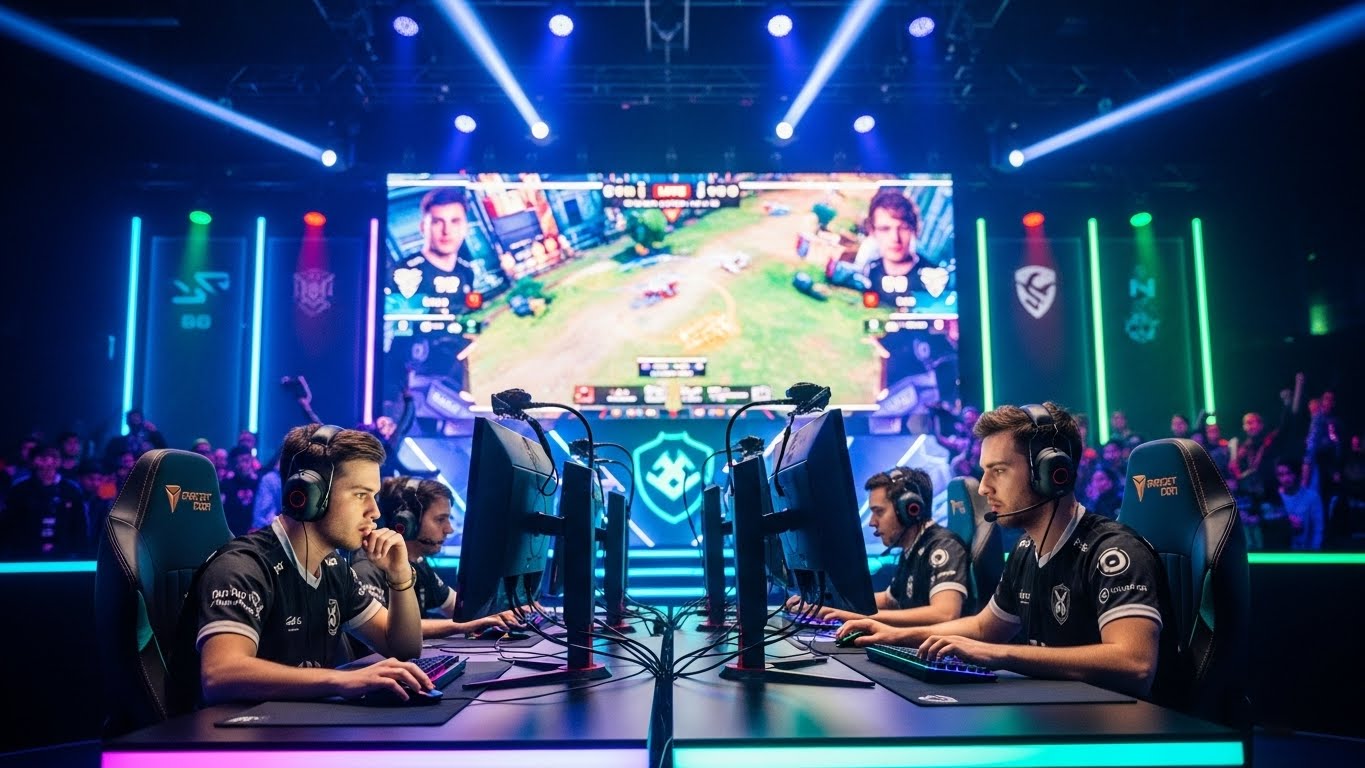
Esports is far more complex than just the players who compete on the virtual battlefield. The industry consists of a diverse ecosystem of teams, coaches, analysts, broadcasters, event organizers, and more. Esports organizations, such as Cloud9, Team Liquid, and FaZe Clan, recruit top players from around the world to form competitive teams. These teams train rigorously, often practicing for six to eight hours a day, refining strategies, improving individual skills, and preparing for upcoming tournaments.
Coaches and analysts play a vital role in the esports ecosystem. They study game footage, analyze opponents’ strategies, and help players adapt to new meta changes (shifts in the game’s balance that can impact the strategies used by professional players). The role of the coach is similar to that of a traditional sports coach, helping players improve their mental game, teamwork, and focus.
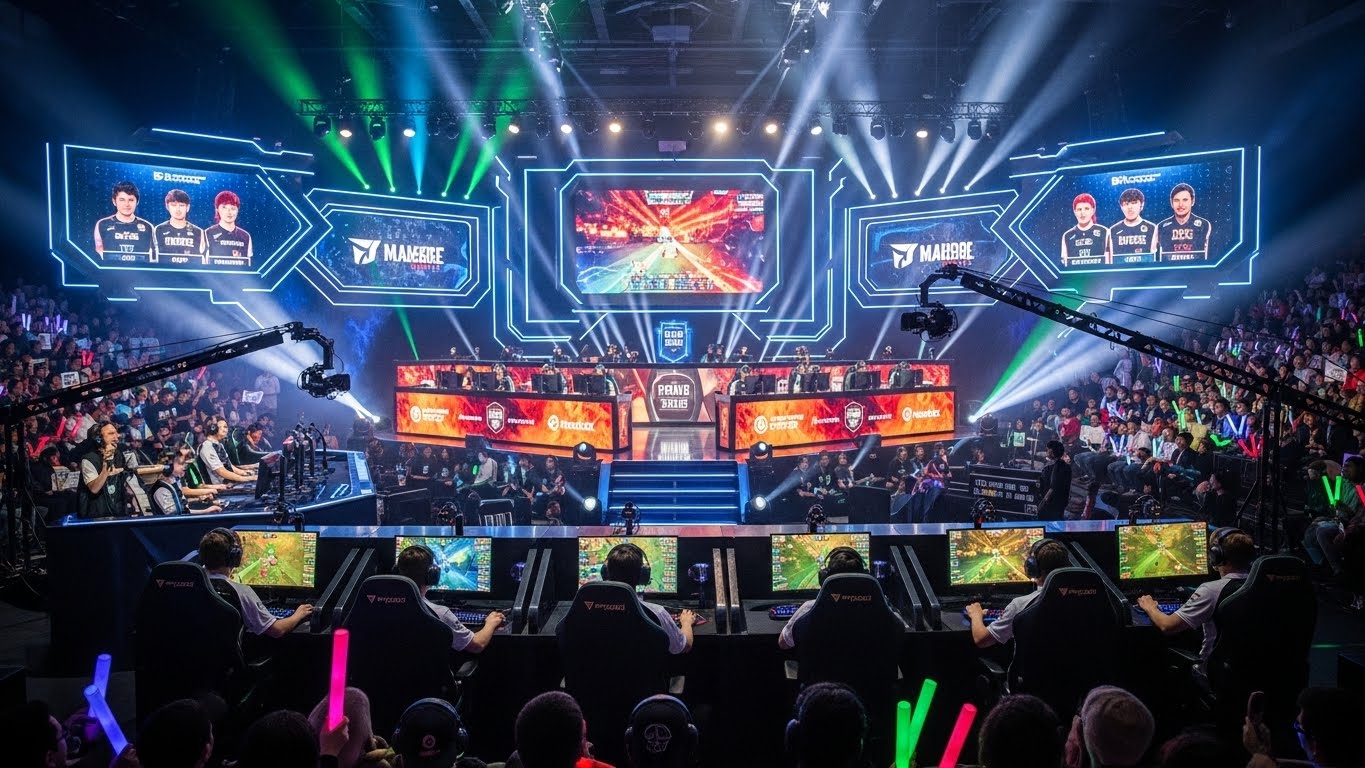
Event organizers are the unsung heroes of the esports world, working tirelessly to arrange and manage large-scale tournaments. These events often feature millions of dollars in prize money, with the most prestigious tournaments attracting thousands of live spectators and millions more online viewers.
Additionally, broadcasters and commentators provide expert analysis and live commentary, adding excitement and personality to matches. Esports commentators, known as “casters,” are essential to translating the intricate strategies of the game to viewers and keeping audiences engaged.
Technology: The Backbone of Esports
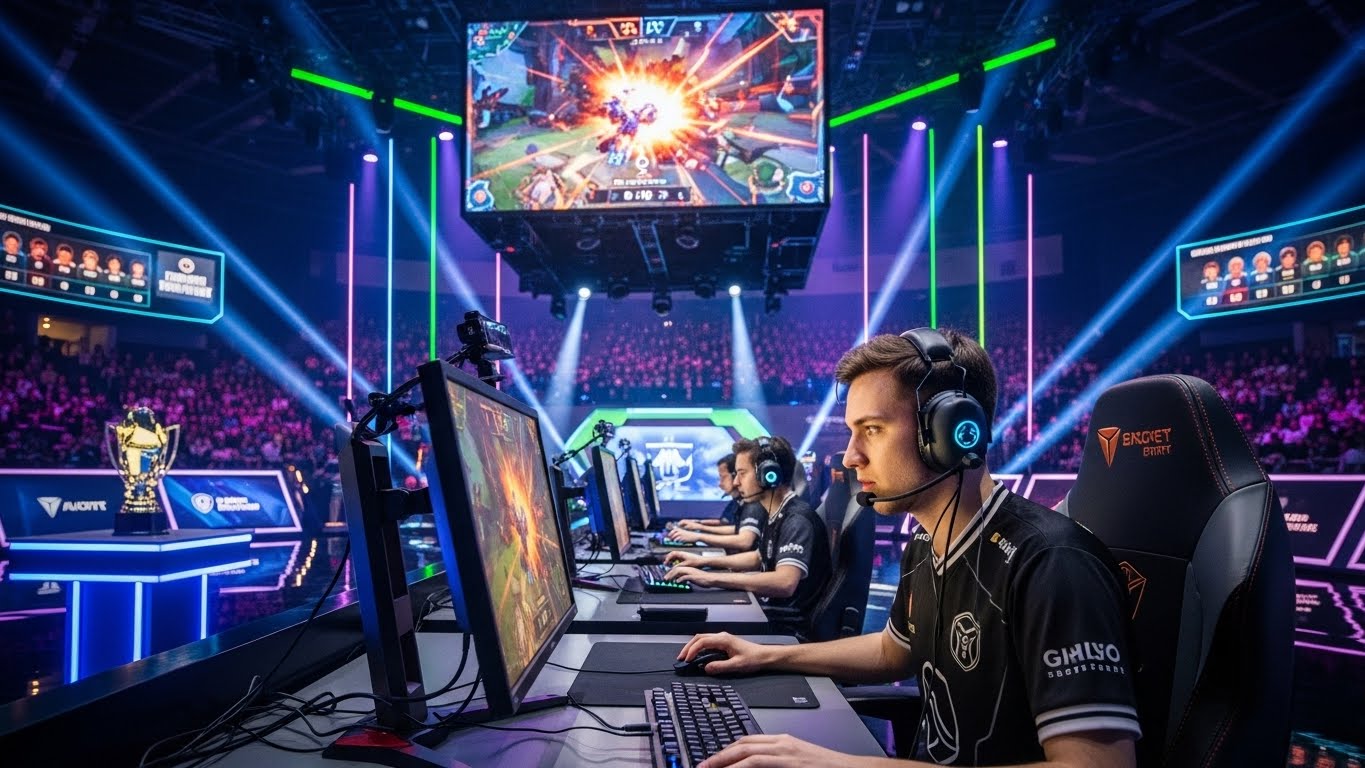
Esports would not exist without the technology that powers it. Cutting-edge gaming hardware, including powerful PCs, high-refresh-rate monitors, and high-end peripherals, enables players to execute lightning-fast moves with precision. Fast and reliable internet connections ensure that matches are seamless and free of lag, allowing players to perform at their highest level.
Streaming platforms like Twitch have played a significant role in making esports more accessible to fans. Viewers can tune in to watch live tournaments, interact with their favorite players, and become part of the esports community. The evolution of streaming technology has made it easier than ever for fans to follow their favorite games and players, helping esports reach a wider audience than traditional sports in some cases.
Furthermore, advancements in virtual reality (VR) and augmented reality (AR) are pushing the boundaries of what esports can become. Some game developers are already experimenting with VR esports, creating new ways to engage players and spectators alike. These technologies promise to revolutionize the gaming experience, offering more immersive environments and enhancing the connection between players and fans.
Esports and the Economy: A Multi-Billion-Dollar Industry
Esports has grown into a multi-billion-dollar industry with significant economic impact. Major esports tournaments have huge prize pools, with some tournaments offering prizes in excess of $10 million. The rise of esports betting has also created a new revenue stream for the industry, with platforms allowing fans to place wagers on the outcomes of matches. In addition to ticket sales, sponsorships, and advertising, revenue from streaming platforms and media rights continues to grow, further solidifying esports as a viable business.
Moreover, esports is creating jobs in various sectors, from game development to marketing and broadcasting. The demand for esports professionals has led to the creation of new educational programs focused on gaming, content creation, and esports management. Universities across the globe are offering scholarships for esports athletes, further legitimizing esports as an educational and career pathway.
The Social Impact of Esports
Esports has also had a profound social impact, bringing people together across borders, cultures, and languages. Online multiplayer games, with their massive player bases, create global communities of gamers who interact, collaborate, and compete with one another. These communities often extend beyond the games themselves, with players and fans connecting on social media platforms, fan forums, and streaming platforms.
Esports has created an inclusive environment where people of all backgrounds can participate, regardless of physical ability. For example, adaptive esports, which focuses on making gaming more accessible to individuals with disabilities, is gaining traction. This inclusivity is one of the many reasons why esports has experienced such rapid growth.
Moreover, esports has played a role in breaking down gender stereotypes. Although the competitive gaming scene has been predominantly male, there is a growing number of female players, commentators, and content creators who are making their mark in the industry. Female players and teams like Dignitas Female and G2 Gozen are proving that skill and talent know no gender boundaries.
The Future of Esports: What Lies Ahead
The future of esports is incredibly bright, with no signs of slowing down. The continued growth of streaming platforms, esports leagues, and professional teams will only increase the visibility and popularity of competitive gaming. Additionally, as technology continues to evolve, esports will only become more immersive and accessible to players and fans alike.
Virtual reality and augmented reality are expected to play a significant role in the next phase of esports. These technologies could offer new forms of gameplay and fan interaction, providing a deeper level of engagement for both participants and viewers. The integration of artificial intelligence (AI) and machine learning in training tools could also enhance player development by providing more personalized coaching and performance analysis.
Esports is also likely to become even more integrated into the mainstream entertainment industry. We could see more crossovers with traditional sports, such as collaborations between esports teams and major sporting leagues. Esports may even find its place in the Olympics, with discussions already underway to include competitive gaming in future games.
Conclusion: Esports is Here to Stay
Esports has proven that it is much more than just a passing trend. It has transformed from a niche hobby to a global entertainment powerhouse that continues to attract millions of fans, players, and investors. With its expanding reach, technological innovations, and significant social impact, esports is cementing its place in the world of sports and entertainment. Whether you’re a casual gamer, a dedicated fan, or a professional player, there’s no denying that esports is changing the way we think about competition, community, and culture. As it continues to grow and evolve, esports will undoubtedly shape the future of entertainment for generations to come.