
 proesportszone51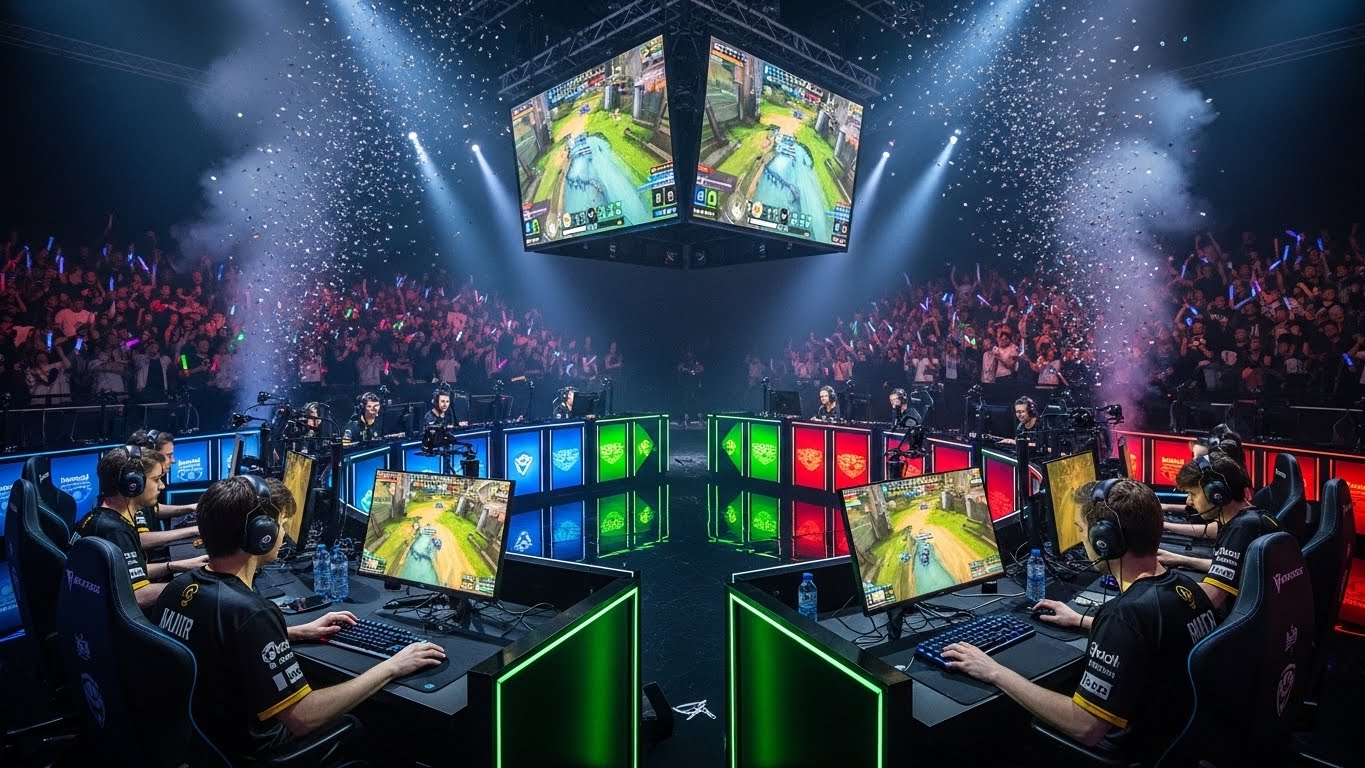
Esports, the professional and competitive world of video gaming, has grown from niche hobbyist gatherings to a global industry that rivals traditional sports in scale, viewership, and cultural impact. What began as informal competitions among friends has evolved into structured leagues, international tournaments, and multi-million-dollar careers. Today, esports is not just about playing games—it is a professional, social, and cultural phenomenon shaping the digital age.
The Origins of Esports
The origins of esports can be traced back to the late 1970s and 1980s when video games like Pong and Space Invaders first captured the public imagination. Early gaming competitions were small, often held in arcades or local clubs, with players competing for high scores or bragging rights. These gatherings, while informal, laid the foundation for competitive gaming as a communal activity.
By the 1990s, multiplayer PC games such as Quake, StarCraft, and Counter-Strike introduced a new level of competition. LAN parties and online matches allowed players to connect beyond local settings, creating networks of competitive gaming communities. These developments established the early structure of esports, emphasizing skill, strategy, and teamwork as core elements of competition.
The Growth of Esports into a Professional Industry
The 2000s marked the rise of esports as a professional industry. Games like League of Legends, Dota 2, and Overwatch popularized competitive formats, attracting international players and audiences. With the growth of broadband internet and online platforms, tournaments expanded beyond local communities to national and global stages. Professional teams formed, complete with coaching staff, training schedules, and sponsorships, mirroring the structure of traditional sports organizations.
Streaming platforms revolutionized the industry further. Fans could watch live competitions, follow their favorite players, and engage with communities online. This accessibility helped esports gain mainstream recognition and provided players with career opportunities that extend beyond playing, including coaching, content creation, and commentary.
Popular Esports Genres
Esports encompasses a wide range of game genres, each with distinct competitive mechanics and audiences. Multiplayer online battle arena (MOBA) games, such as League of Legends and Dota 2, require strategic coordination, quick decision-making, and long-term planning. First-person shooters (FPS), including Counter-Strike: Global Offensive, Valorant, and Call of Duty, emphasize reflexes, precision, and team communication.
Battle royale games, such as Fortnite and Apex Legends, combine survival, strategy, and rapid adaptability, attracting massive audiences worldwide. Fighting games, sports simulations, and card-based strategy games further diversify the esports ecosystem. Each genre requires specific skill sets and fosters unique competitive communities, making esports a multifaceted and dynamic field.
The Spectator Experience
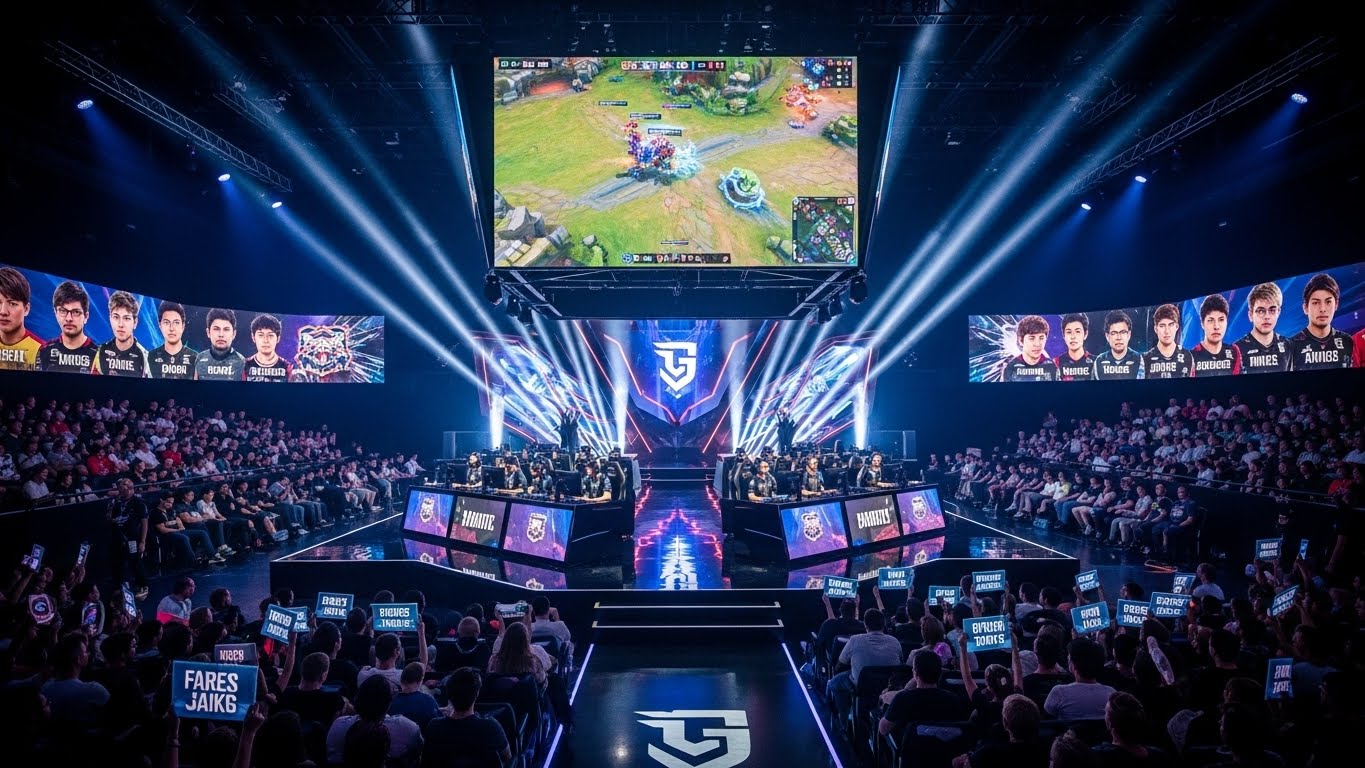
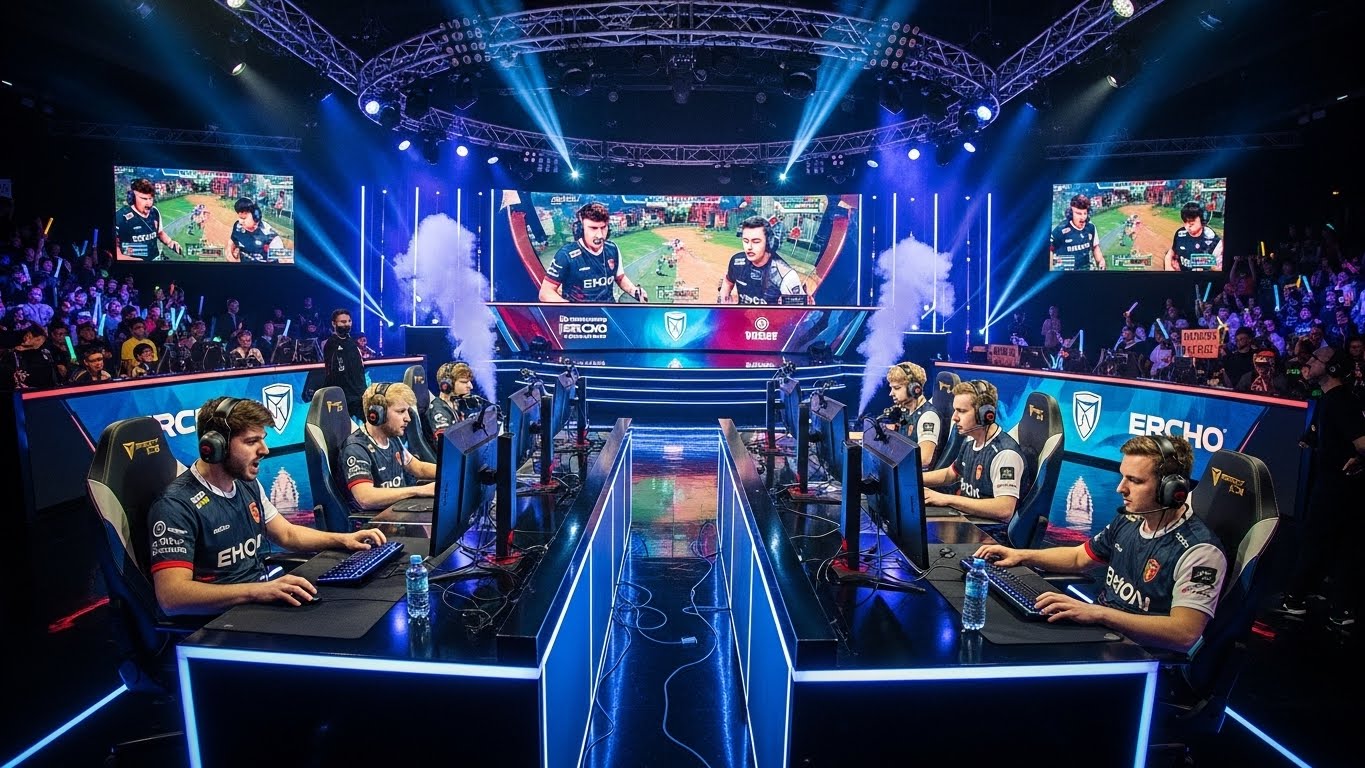
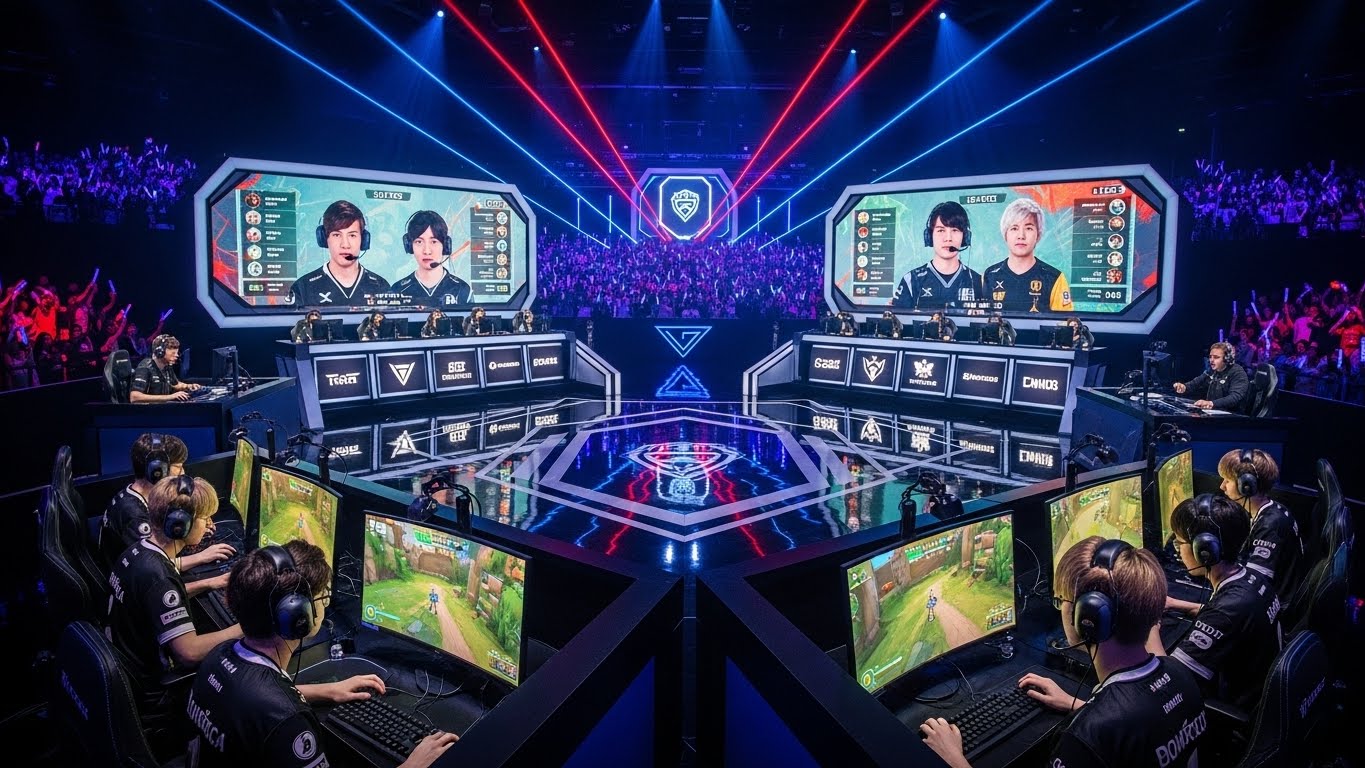
One of the defining features of esports is its spectator culture. Millions of viewers worldwide watch tournaments, live streams, and highlight videos, creating a vibrant ecosystem of fans and content. Professional commentary, real-time analysis, and interactive features enhance the viewing experience, engaging audiences and fostering a sense of community.
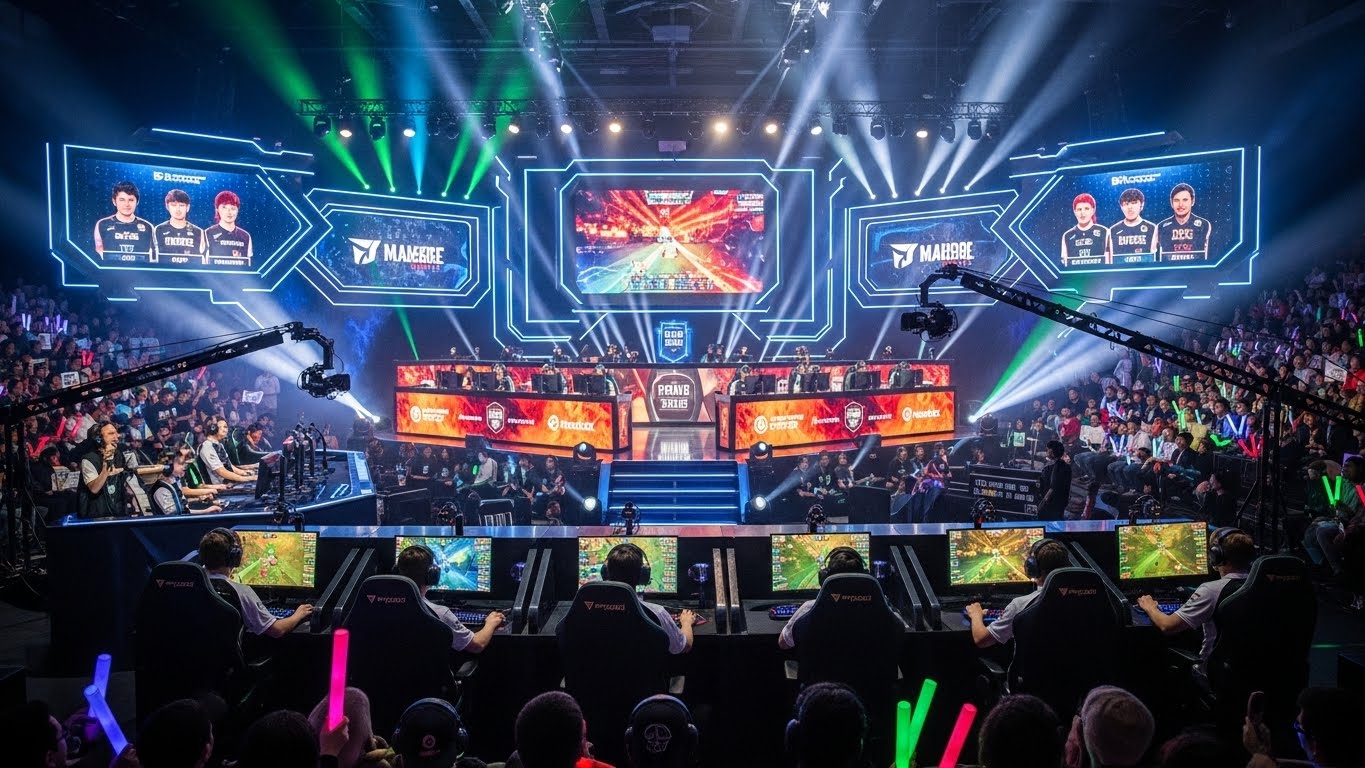
Major esports events, such as The International for Dota 2, the League of Legends World Championship, and the Fortnite World Cup, attract tens of thousands of attendees in arenas while millions watch online. The excitement, unpredictability, and storytelling of competitive matches mirror the engagement of traditional sports, making esports a mainstream form of entertainment.
Professional Esports Careers
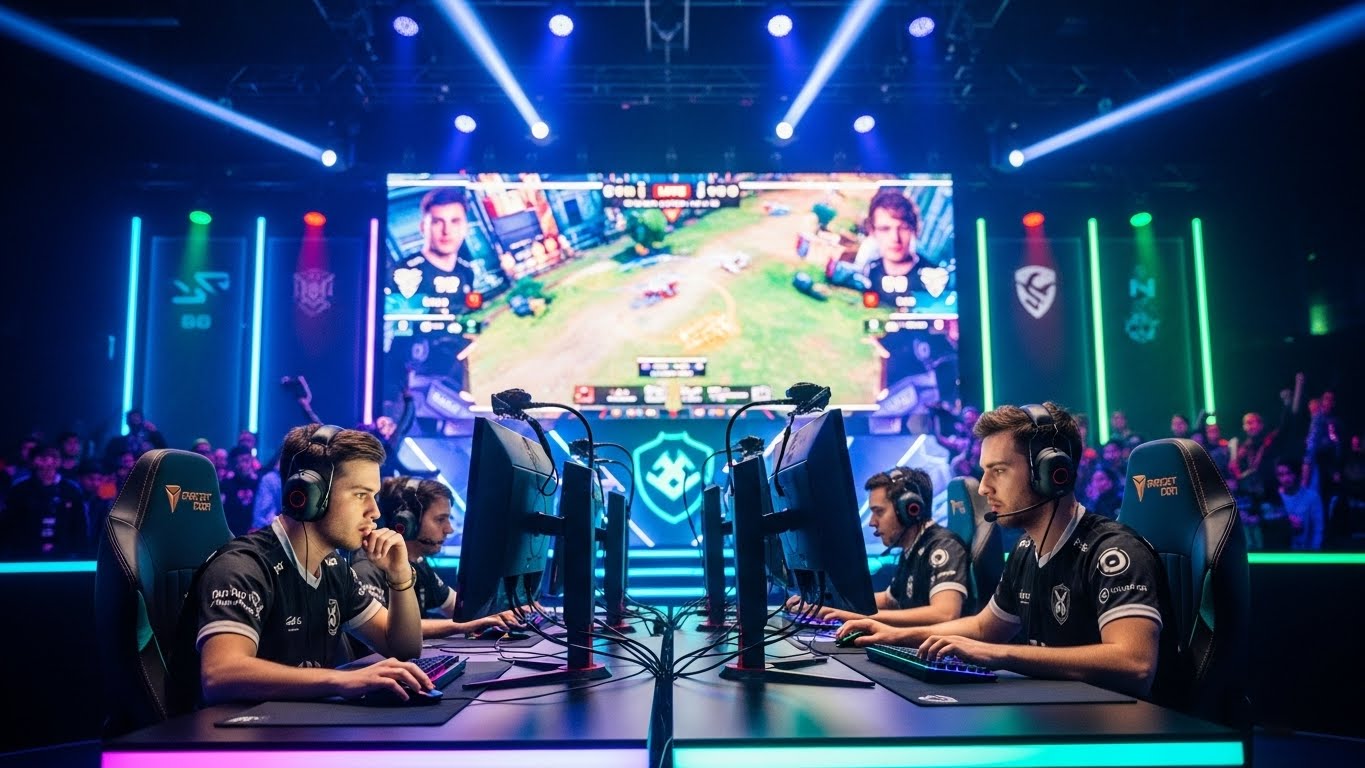
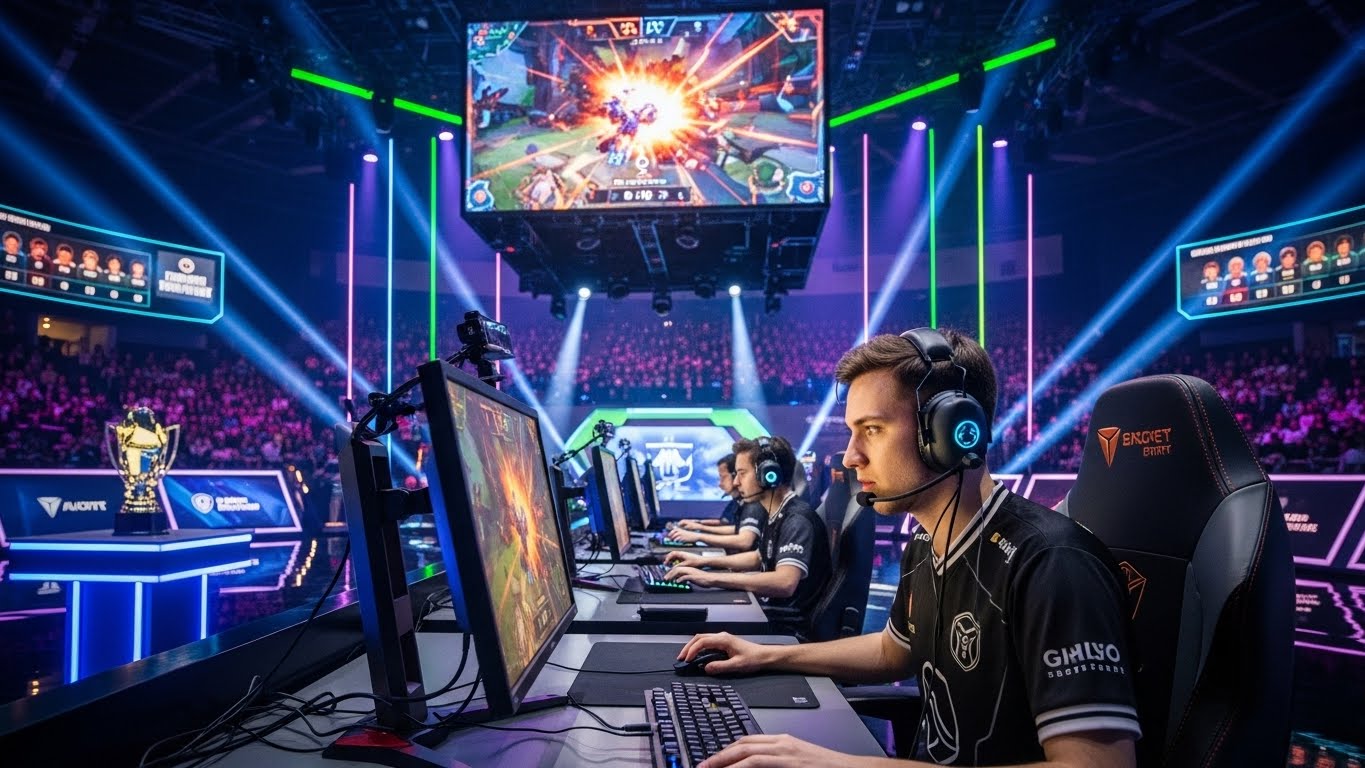
Esports has opened up a range of professional opportunities. Top-tier players earn income through tournament winnings, sponsorship deals, and streaming revenue. Teams operate like traditional sports franchises, offering salaries, training facilities, performance analysis, and marketing support. Professional players often dedicate six to ten hours daily to practice, strategy, and skill development, demonstrating the discipline and commitment required at the highest levels.
Beyond players, careers in coaching, content creation, broadcasting, event management, and analytics contribute to the industry. Esports careers require technical knowledge, strategic thinking, and creativity, highlighting the diverse skills that the industry demands and nurtures.
Technological Innovations in Esports
Technology is integral to esports. High-performance gaming PCs, consoles, and peripherals enable competitive play, while high-speed internet ensures smooth online matches. Advanced analytics tools allow teams to evaluate performance, develop strategies, and optimize training routines. Virtual reality and augmented reality are emerging as potential tools to enhance both player experiences and spectator engagement.
Streaming and broadcasting platforms have expanded esports’ reach, connecting global audiences in real time. Interactive features, chat engagement, and community forums have created a social dimension to esports, fostering collaboration and fan participation. Technological innovation continues to push the boundaries of how esports is played, viewed, and experienced.
Social and Cultural Impact of Esports
Esports has emerged as a significant cultural phenomenon, influencing fashion, media, and social trends. Gaming culture is now mainstream, with memes, fan communities, and online content shaping digital culture. Professional players are often celebrated as role models, inspiring younger audiences to pursue skill development, strategic thinking, and dedication.
The inclusive nature of esports allows individuals from diverse backgrounds to compete on equal footing. Players with physical disabilities, from underrepresented regions, or from marginalized communities can achieve recognition and success, making esports a democratizing platform in the world of competitive sports.
Cognitive and Psychological Benefits
Competitive gaming develops a range of cognitive and psychological skills. Players enhance problem-solving abilities, spatial awareness, reflexes, multitasking, and decision-making under pressure. Team-based games foster collaboration, communication, and leadership, while solo-focused competitions build self-discipline, focus, and resilience.
Esports also offers emotional benefits. Engaging in competitive play provides a sense of achievement, boosts confidence, and reduces stress. For spectators, following favorite teams and players creates shared experiences and a sense of belonging, contributing to social and emotional well-being.
Challenges in Esports
Despite its growth, esports faces significant challenges. Mental and physical health concerns, including eye strain, repetitive stress injuries, and burnout, are prevalent among professional players. The fast-paced nature of the industry demands support systems that prioritize health and work-life balance.
Inclusivity and representation remain ongoing issues. Women, marginalized communities, and non-traditional players often face barriers to participation and recognition. Addressing harassment, inequality, and access is critical to ensuring a sustainable and inclusive esports ecosystem. Additionally, regulatory oversight, fair competition enforcement, and standardization are necessary to maintain credibility and integrity.
The Business of Esports
Esports has become a multi-billion-dollar industry with diverse revenue streams. Tournament prize pools, team sponsorships, merchandise, media rights, and streaming subscriptions generate substantial economic activity. Brands increasingly invest in esports to connect with younger, digitally-savvy audiences, recognizing the marketing potential of competitive gaming.
The ecosystem extends beyond players, supporting content creators, coaches, analysts, event organizers, and broadcasters. This interconnected network demonstrates that esports is not only a form of entertainment but also a significant economic and professional sector.
The Future of Esports
The future of esports is marked by growth, innovation, and inclusivity. Emerging technologies, such as cloud gaming, artificial intelligence, and virtual reality, will enhance training, competition, and fan engagement. New competitive formats, game genres, and interactive experiences will attract diverse audiences and participants.
Esports is also likely to intersect with education, mental health, and community development programs. Initiatives that combine gaming with skill-building, personal growth, and social impact illustrate the potential of esports beyond entertainment, positioning it as a platform for learning, development, and connection.
Conclusion
Esports has transformed from small gaming competitions into a global phenomenon that entertains, inspires, and connects millions. It combines skill, strategy, technology, and community, creating experiences that rival traditional sports in excitement and influence. Beyond competition, esports fosters cognitive development, social interaction, and cultural expression, reflecting the power of digital engagement in the modern age.
As technology advances and society embraces digital culture, esports will continue to innovate, attract new participants, and shape global entertainment. Its rise is a testament to the enduring appeal of competition, human creativity, and the transformative potential of interactive media in redefining the future of sports and entertainment.