
 proesportszone51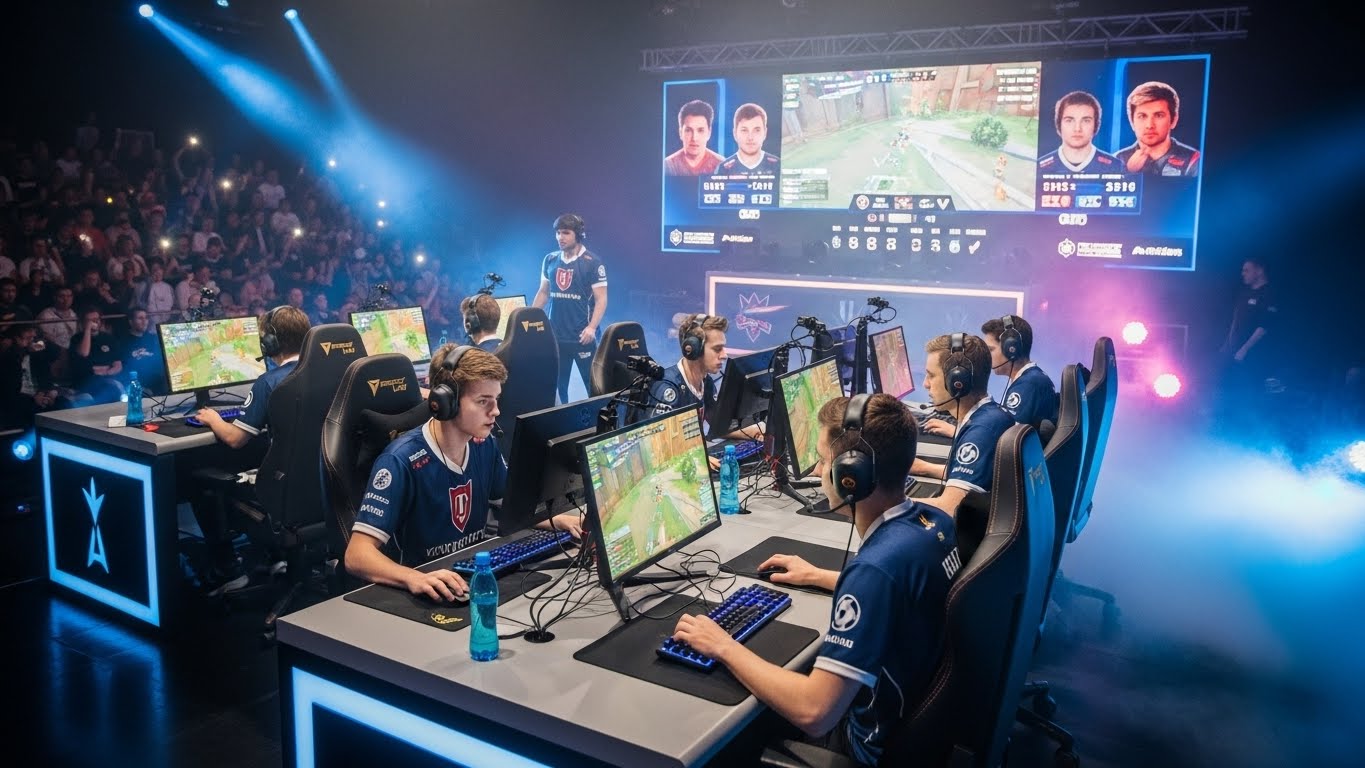
Esports, once viewed as a casual pastime enjoyed by small gaming communities, has grown into one of the most influential cultural and economic forces of the digital age. What began as friendly competitions among arcade gamers has evolved into a global industry with professional leagues, celebrity-level athletes, massive arenas filled with passionate fans, and millions of viewers tuning in to watch their favorite teams compete. Esports now rivals traditional sports in popularity, relevance, and financial impact. This blog explores the dynamic world of esports, tracing its evolution, analyzing its industry structure, and examining its cultural, economic, and technological influence.
The Unexpected Evolution of Esports
Esports did not become a global sensation overnight. Its roots can be traced back to the early days of arcade gaming, where players would gather to beat high scores and earn bragging rights. The home console era introduced new layers of competitive spirit, but it was the rise of personal computers and online gaming that truly transformed esports into a global phenomenon.
During the 1990s and early 2000s, multiplayer games like StarCraft, Quake, and Counter-Strike created communities that thrived on strategy, teamwork, and skill. Local tournaments evolved into regional and international competitions. With the introduction of high-speed internet and streaming platforms, esports rapidly expanded beyond small gaming circles. What was once dismissed as a niche hobby soon became a structured, professional, and highly respected field.
The Diversity of Esports Games
One of the most fascinating aspects of esports is the diversity of game genres involved. Unlike traditional sports, which focus on a limited range of physical activities, esports encompasses a wide range of virtual competitions.
Multiplayer Online Battle Arenas represent some of the most competitive and strategic esports titles. Games like League of Legends and Dota 2 challenge players to work together in teams, control characters with unique abilities, and defeat opponents through complex tactical gameplay.
First-Person Shooters focus on precision, accuracy, and quick reflexes. Games such as Counter-Strike Global Offensive, Call of Duty, and Valorant require intense coordination and split-second decision-making.
Battle Royale Games have also taken the esports world by storm. Titles like Fortnite and Apex Legends place dozens of players on massive maps where survival is the key to victory.
Sports Simulations such as FIFA and NBA 2K offer digital versions of traditional sports, allowing players to compete in familiar formats with virtual athletes and teams.
Fighting Games, including Street Fighter and Tekken, focus on one-on-one dynamic combat and require exceptional mechanical skill.
Each genre attracts unique communities, allowing esports to reach a broad and diverse global audience.
The Competitive Structure of Esports
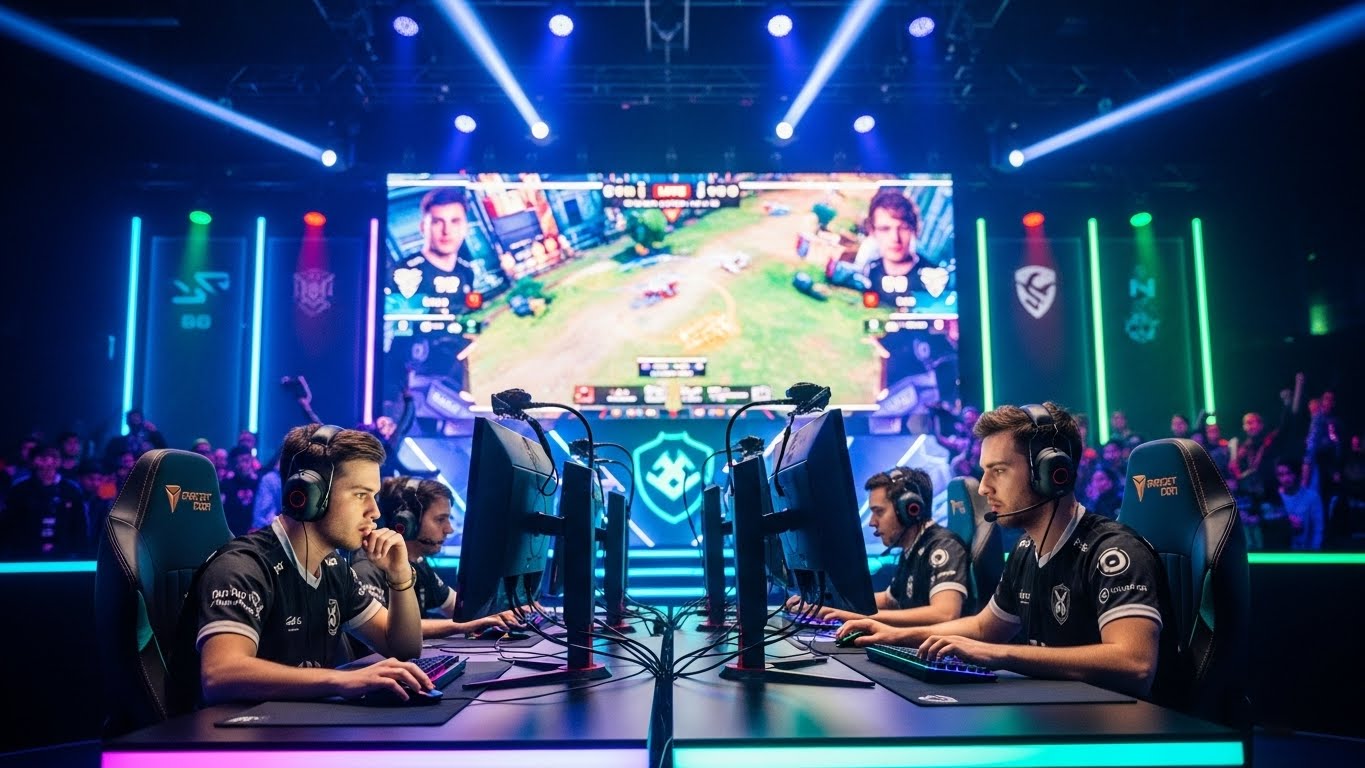
Esports competitions mirror traditional sports in many ways. Professional teams sign players to contracts, hire coaches, and employ analysts who study gameplay footage to refine strategies. These organizations compete in leagues and tournaments, often traveling around the world to attend major events.
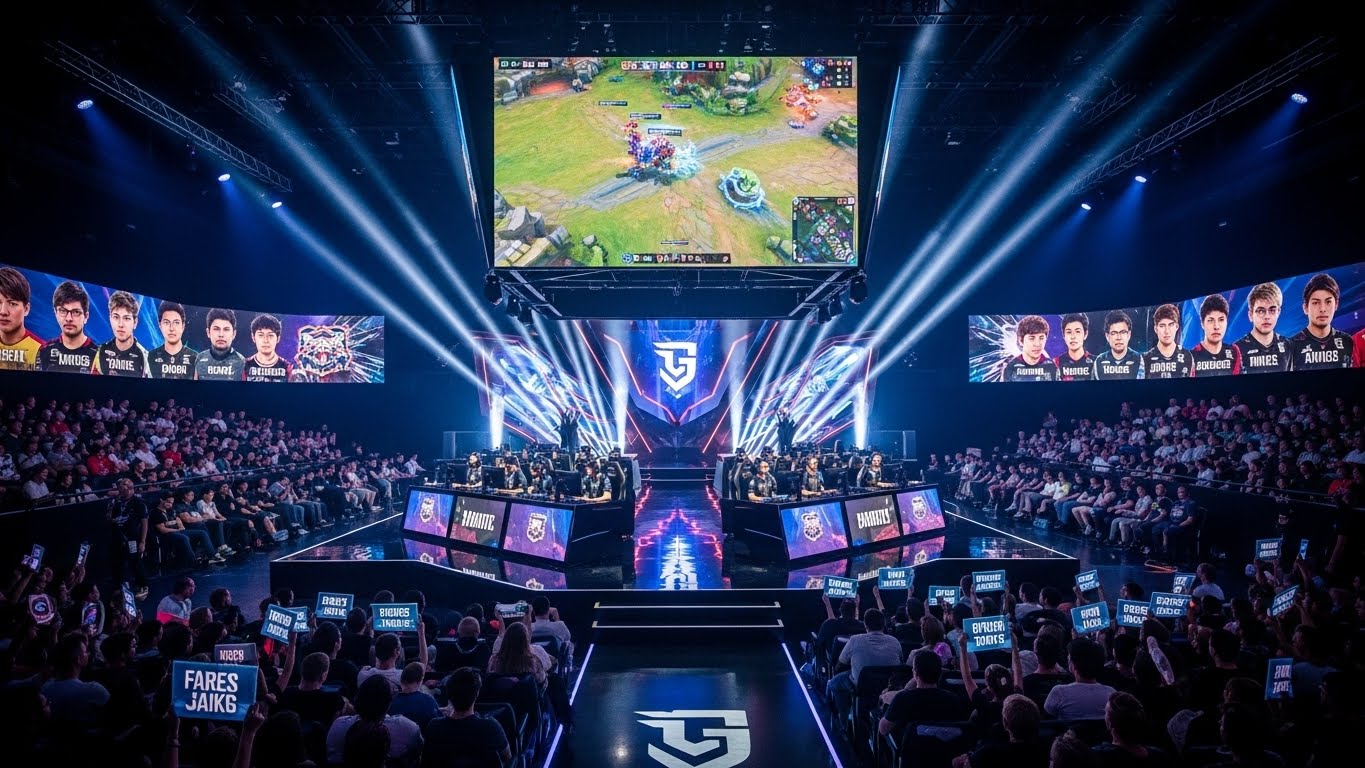
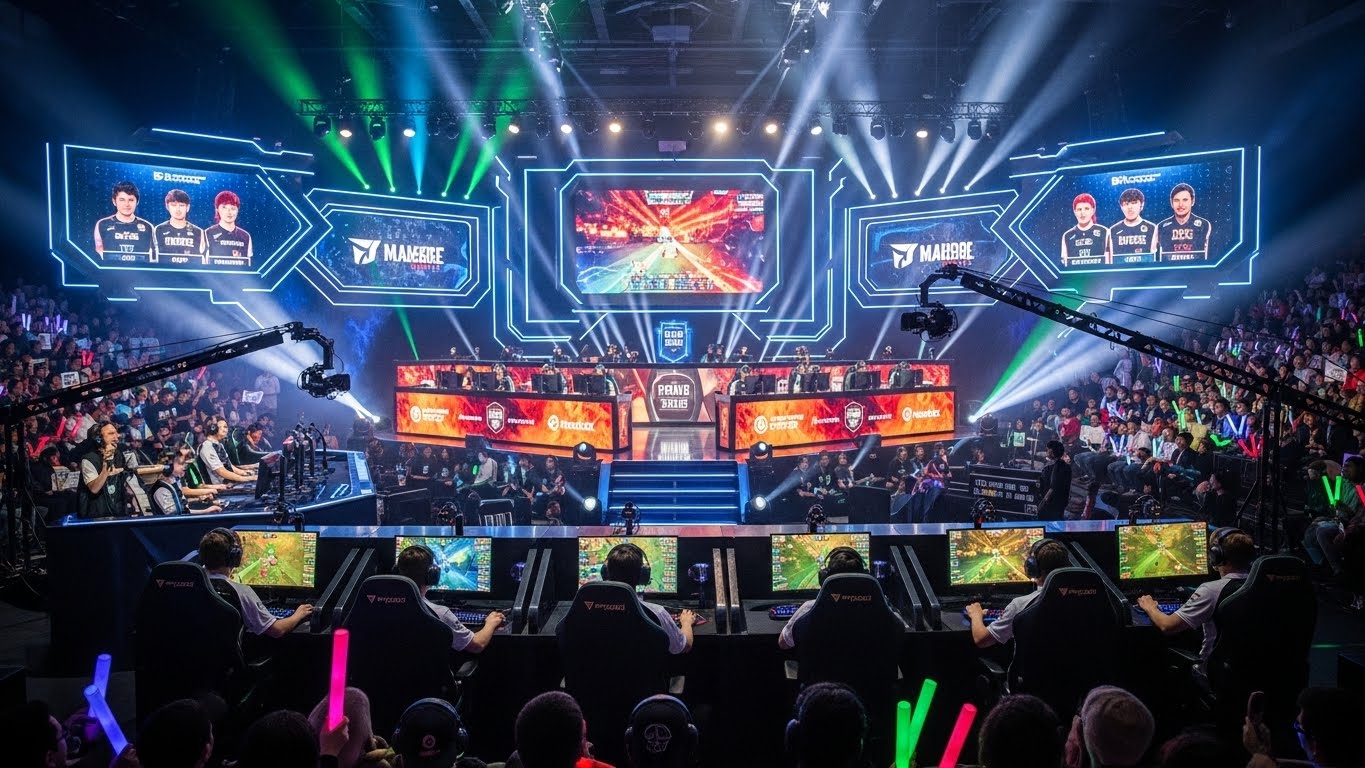
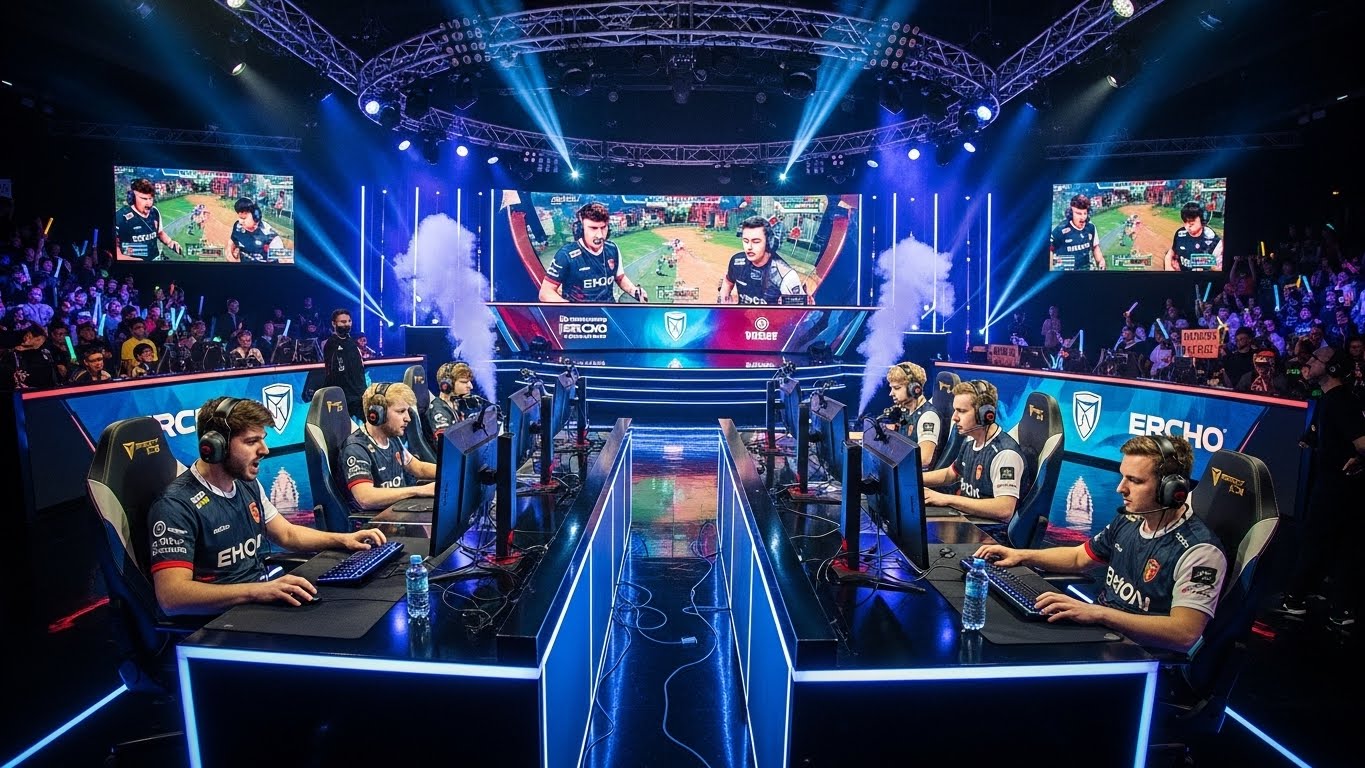
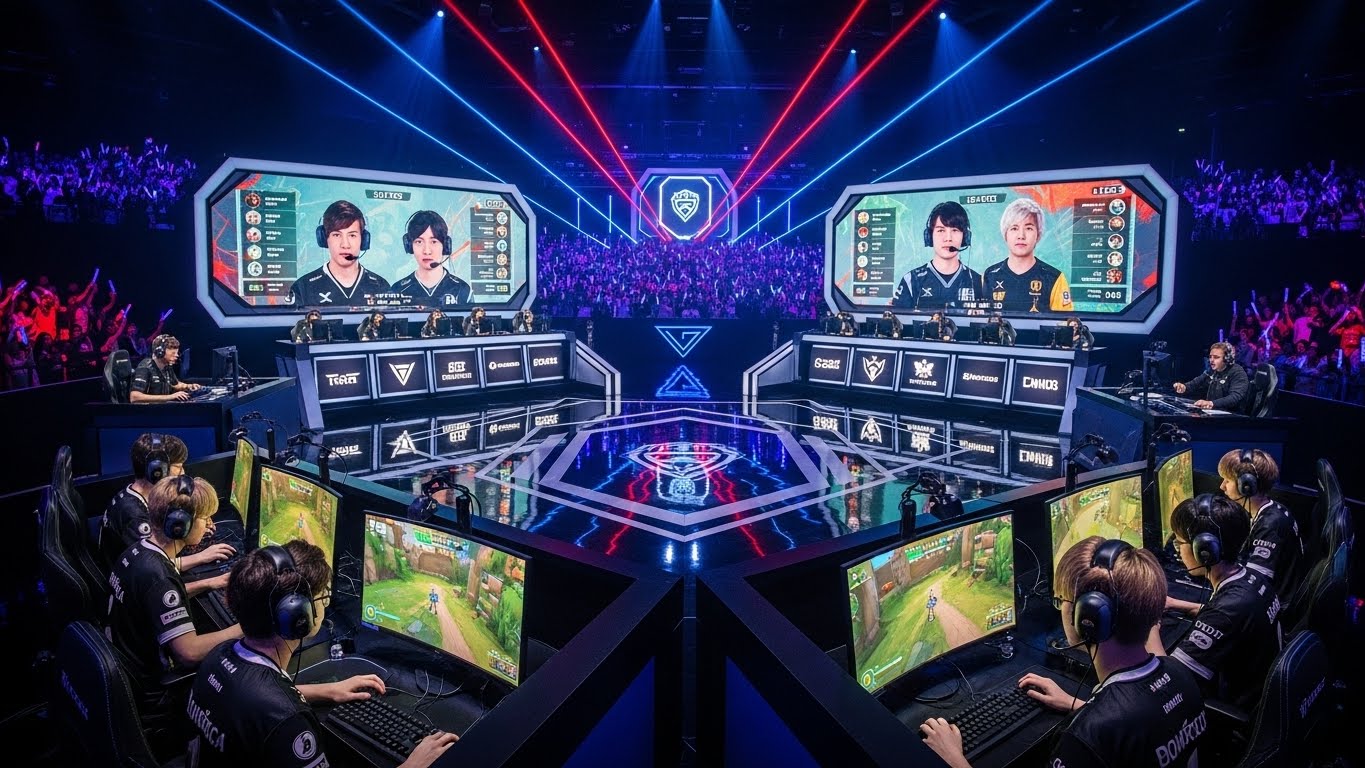
Global esports tournaments fill entire arenas, drawing fans who cheer loudly for their favorite teams. Matches are broadcast live, complete with commentators, analysts, and post-game interviews. Prize pools for major events reach millions of dollars, rewarding players not only with financial success but also international recognition.
The structure of esports includes grassroots tournaments as well. These smaller competitions provide a platform for new talent to emerge, offering aspiring players a path toward professional careers. The combination of professional structure and community-driven events creates a thriving ecosystem that supports talent development and competitive growth.
The Role of Streaming in Esports Popularity
Streaming has played a monumental role in expanding the influence of esports. The ability for gamers to broadcast their gameplay to global audiences changed the landscape of gaming forever. Players no longer needed to compete professionally to build a fan base. Streamers and content creators developed their own personal brands, attracting millions of subscribers and followers.
Streaming platforms allow fans to interact with players, comment in real time, and feel connected to their favorite gaming personalities. This form of engagement transformed esports into an interactive entertainment experience. Viewers do not simply watch matches; they participate in ongoing discussions, create fan art, share highlights, and immerse themselves deeply in the community.
The Economic Growth of Esports
Esports has become a powerful economic engine, generating revenue through sponsorships, merchandise, advertising, media rights, and ticket sales. Professional organizations often receive support from global brands, including technology companies and consumer product manufacturers.
Players earn salaries, tournament winnings, and sponsorship deals, turning gaming into a full-time career. Coaches, analysts, event organizers, marketers, commentators, and content creators also contribute to the industry. Cities host esports events that attract international visitors, similar to traditional sporting events, creating local economic boosts.
The economic influence of esports extends into technology as well. Game developers constantly innovate to enhance competitiveness, producing updates, new features, and better performance tools.
Esports as a Cultural and Social Movement
Beyond competition, esports has become a cultural movement. It unites people from different backgrounds, languages, and age groups through shared passion. Fans gather both online and offline to discuss strategies, celebrate victories, and debate team performances.
Esports culture also influences fashion, music, and entertainment. Professional players become influencers, participating in brand collaborations and cultural events. Teams create merchandise lines and lifestyle products that appeal to fans globally.
Perhaps the most powerful aspect of esports culture is its inclusivity. Anyone with a computer or console can participate. Physical ability, age, and location are no longer barriers to competition. This accessibility allows esports to thrive as a community-driven activity and a global cultural staple.
The Physical and Mental Demands of Esports
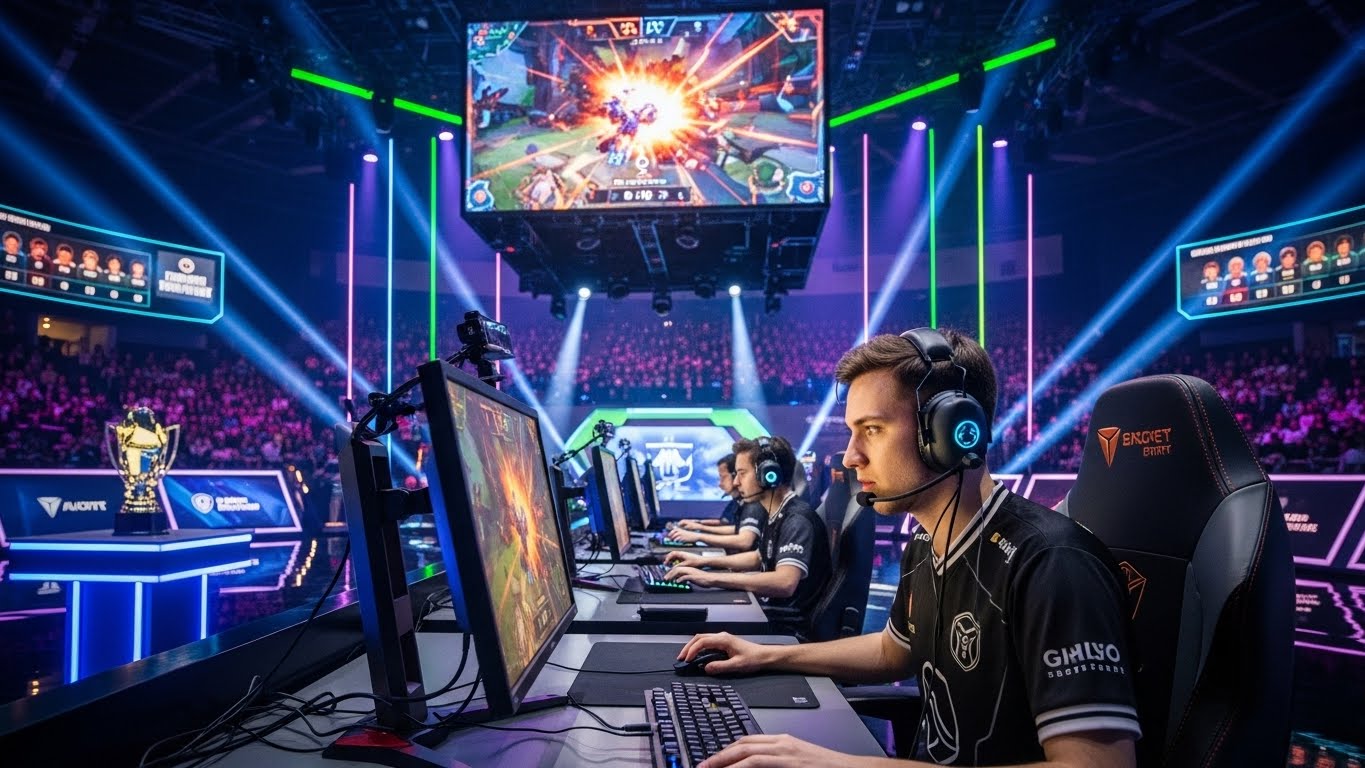
Contrary to outdated stereotypes, esports requires significant physical and mental endurance. Professional players train for hours each day, refining muscle memory, reaction time, and strategic thinking. Proper physical conditioning, including regular exercise and stretching, prevents injuries such as repetitive strain and posture-related issues.
Mental training is equally important. Players must stay focused, manage stress, and communicate effectively under pressure. Many teams hire sports psychologists to train players in mental resilience and emotional stability. Esports is not simply about playing games; it is about mastering performance under high-stakes situations.
The Importance of Technology in Esports Development
Technology is the driving force behind esports. High-performance computers, fast internet, advanced game engines, and sophisticated broadcasting tools all contribute to the industry’s success. Innovations in artificial intelligence, virtual reality, and data analytics are shaping the future of competitive gaming.
AI-driven tools help teams analyze strategies, predict opponent behavior, and develop training routines. Virtual reality is opening doors to new forms of immersive competition, while cloud gaming makes esports more accessible to players who lack high-end equipment. The future of esports will be deeply connected to technological advancements.
Challenges Facing the Esports Industry
Despite its success, esports faces several challenges. Player burnout is a growing concern due to long hours of practice and high competition pressure. The industry also grapples with issues of standardization, as rules and regulations vary across regions and game titles.
Diversity remains an ongoing topic of discussion, with more effort needed to ensure inclusivity for women and underrepresented groups. Cybersecurity, fair play, and safeguarding minors are additional areas that require continuous attention. Addressing these challenges will be essential for sustaining long-term growth and credibility.
The Future of Esports
The future of esports promises remarkable innovation and expansion. Esports is expected to continue merging with education, entertainment, and traditional sports. Schools and universities worldwide are introducing esports programs and scholarships, recognizing gaming as a valuable discipline that promotes strategy, teamwork, and problem-solving.
Technological advancements will reshape how players train and compete. Fans will enjoy more immersive viewing experiences, possibly involving virtual reality spectating or interactive live-event participation. As esports becomes more mainstream, it will continue to break cultural barriers, create new career opportunities, and influence entertainment in unprecedented ways.
Conclusion: The Digital Sport of a New Generation
Esports is not just a trend; it is a transformative force redefining what it means to compete, entertain, and connect in the digital age. Its rise reflects a global shift in culture driven by technology, creativity, and community. Esports has created a world where skill, strategy, and passion converge into a powerful form of entertainment enjoyed by millions.
As the industry continues to grow, esports will shape future generations, influence global culture, and redefine the boundaries of digital competition. It stands today as a testament to how innovation and imagination can create an entirely new category of sport worthy of global respect and recognition.