
 proesportszone51
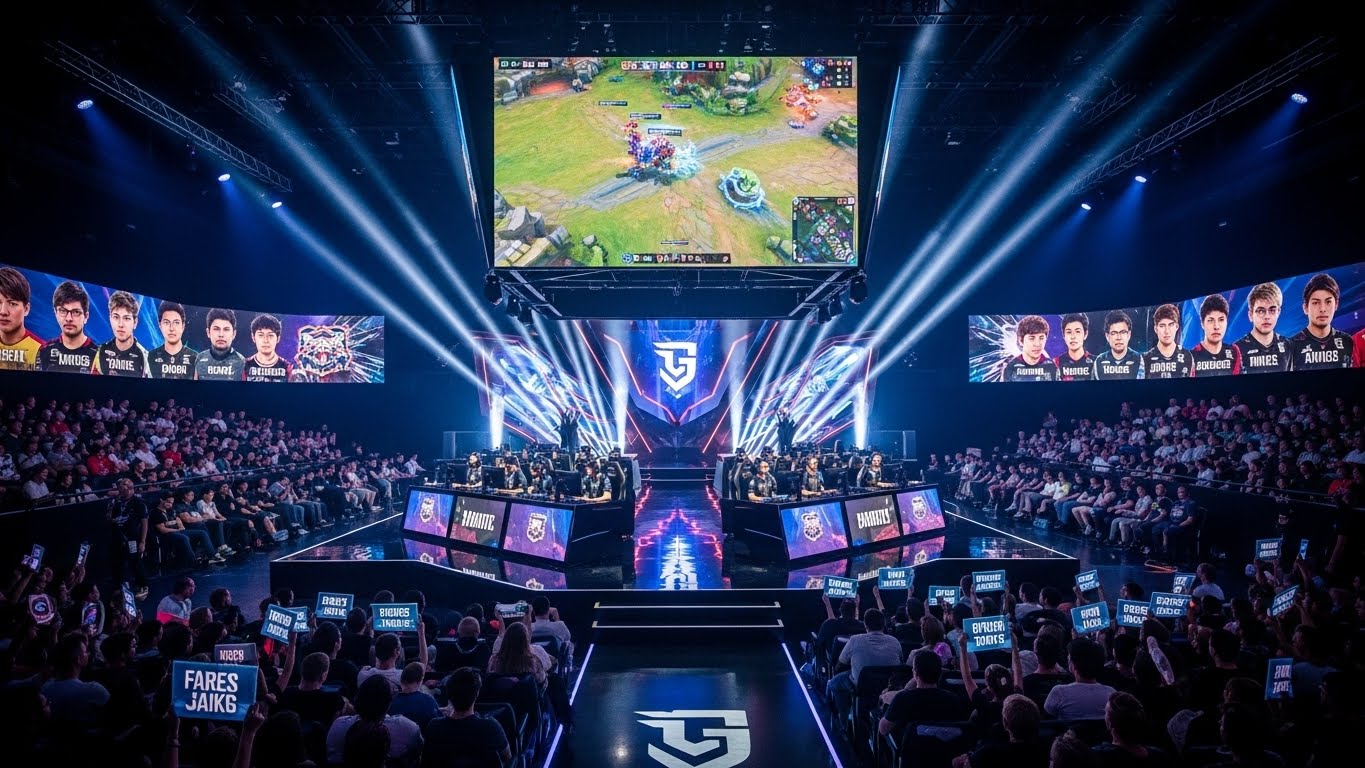
Esports, the world of competitive video gaming, has rapidly evolved from a niche interest into a global phenomenon, transforming the landscape of both entertainment and sports. The rise of esports is not just about the competitive nature of gaming, but also about the culture it fosters, the communities it creates, and the economic power it generates. What was once confined to the living rooms of gamers has now become a multi-billion-dollar industry that attracts millions of viewers, professional players, sponsors, and investors from around the world. In this blog post, we will explore the rise of esports, its impact on the gaming industry, the players and teams that drive it, and what the future holds for this exciting new form of entertainment.
The Origins of Esports: A Humble Start
The story of esports dates back to the early days of video games. In the 1970s, arcade games like Pong and Space Invaders became cultural sensations, but the idea of competitive gaming didn’t emerge until the 1980s. The first recorded video game tournament took place in 1980 at Stanford University, where students competed in the arcade game Space Invaders. This event, which attracted hundreds of participants, is considered one of the earliest examples of competitive gaming and laid the foundation for what would become the global esports industry.
The 1990s saw the birth of more organized esports events, with games like Doom, Warcraft II, and StarCraft becoming central to the competitive scene. During this time, local area network (LAN) parties were a common way for gamers to gather and compete. LAN parties were informal events where players connected their computers to play multiplayer games together. These gatherings allowed gamers to connect in real-time, share strategies, and develop rivalries, and they eventually led to the creation of larger-scale tournaments.
In South Korea, the late 1990s and early 2000s were pivotal in the development of esports as we know it today. The country’s widespread adoption of StarCraft and the establishment of the Korean eSports Association (KeSPA) in 2000 helped formalize esports as a legitimate competitive sport. StarCraft became not just a popular game, but a national pastime, with television channels dedicated to broadcasting esports competitions and creating star players who were treated like celebrities. This helped lay the groundwork for esports’ global expansion.
The Growth of Esports: From Niche to Mainstream
The 2000s marked a significant turning point in the esports scene. The introduction of broadband internet and high-speed connections allowed players to compete against one another online, making esports more accessible than ever before. Platforms like Battle.net and Steam enabled players to join global multiplayer matches, and tournaments began to grow in both size and prize pools.
One of the major catalysts for esports’ mainstream recognition came in 2009 with the launch of League of Legends (LoL) by Riot Games. LoL revolutionized the esports scene, offering an accessible, free-to-play game that combined strategy, teamwork, and individual skill. Its competitive nature, coupled with a strong community and regular updates from the developers, helped establish it as one of the most popular and widely played games in the world. The League of Legends World Championship (often referred to as Worlds) became one of the biggest annual esports events, drawing millions of viewers and generating millions of dollars in revenue.
The early 2010s saw the rise of dedicated esports streaming platforms, with Twitch launching in 2011. Twitch allowed gamers to broadcast their gameplay live to a global audience, creating an entirely new form of entertainment. This shift in how games were consumed and shared contributed significantly to the growing popularity of esports. Professional players and organizations could now reach audiences directly, and fans could engage with their favorite players in real time, through live chats and social media platforms.
As esports grew in prominence, major traditional sports organizations began to take notice. In 2014, Major League Gaming (MLG), one of the leading esports organizations in North America, was acquired by Activision Blizzard, signaling the merging of esports and the broader entertainment industry. Around the same time, other major companies such as Intel, Coca-Cola, and Red Bull began sponsoring esports tournaments, helping to further legitimize the scene and increase its visibility. As a result, esports began to attract a global audience, including casual gamers, dedicated fans, and viewers who had never played a video game in their lives.
The Role of Professional Players and Teams
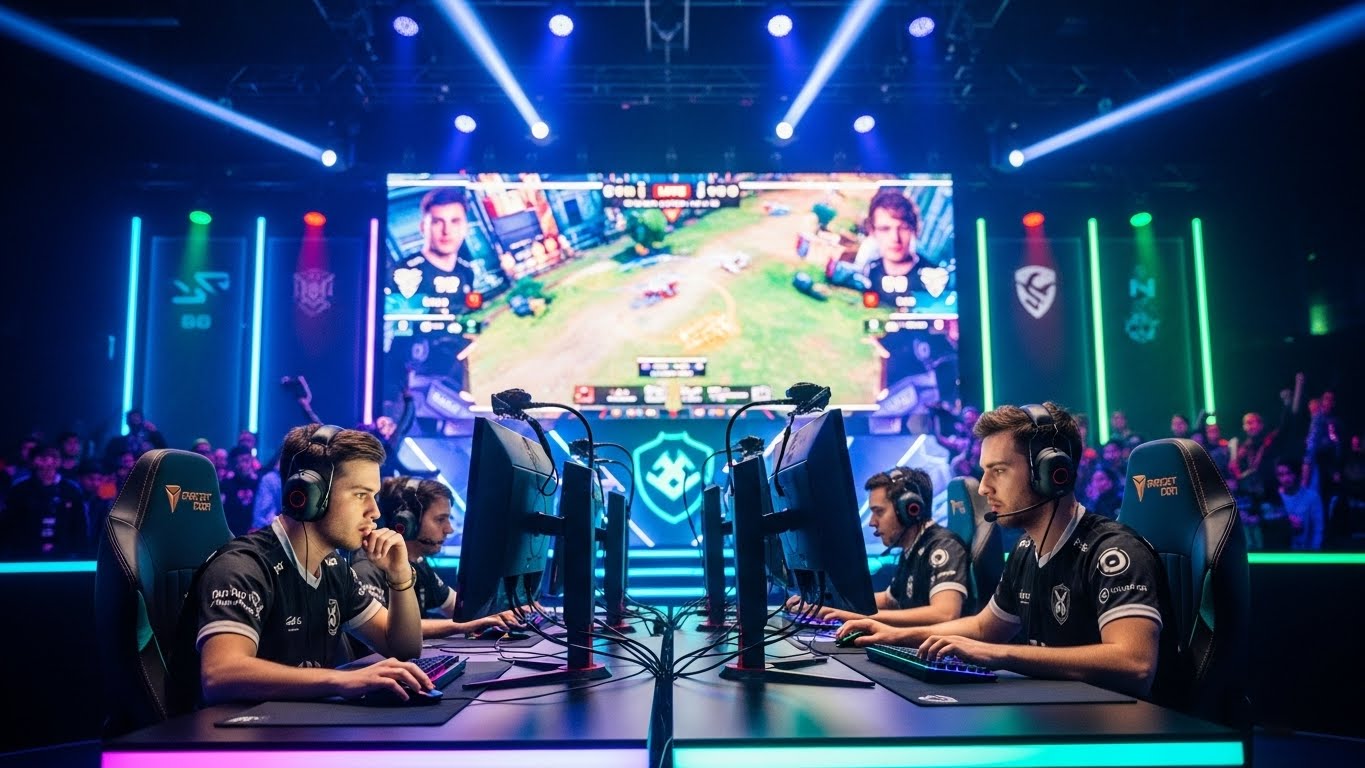
As esports continued to grow, so too did the professionalization of the players and teams involved. Competitive gamers transitioned from being hobbyists or amateurs to full-time professionals, signing contracts, getting paid salaries, and receiving sponsorship deals. The emergence of esports organizations such as Cloud9, Team Liquid, Fnatic, and SK Telecom T1 solidified the idea that esports was a legitimate career path.
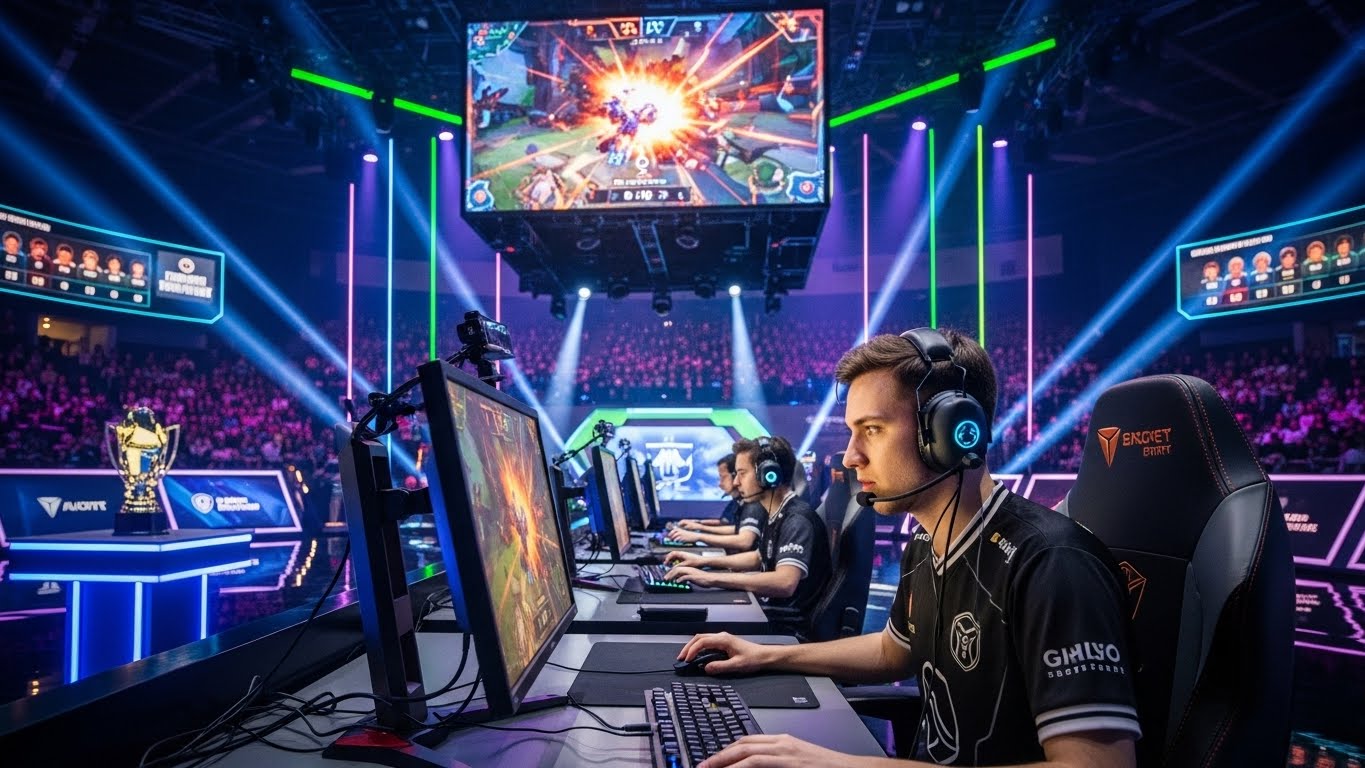
Professional players now dedicate hours each day to training, practicing, and refining their skills. Much like athletes in traditional sports, they need to maintain peak physical and mental condition to perform at the highest level. This involves not only gaming practice but also strategy sessions, team-building exercises, and even psychological coaching. Top esports players train for hours every day to perfect their gameplay and refine their teamwork, as esports is often as much about cooperation and communication as it is about individual talent.
One of the major draws of esports for many players is the potential for fame and fortune. In the early days of competitive gaming, prize pools were relatively small, but today, some of the largest tournaments offer multi-million-dollar prize pools. For instance, The International, the premier tournament for Dota 2, has boasted prize pools exceeding $30 million in recent years. The prize money, along with sponsorships and streaming income, has transformed esports into a lucrative industry for top players.
Aside from the players themselves, coaches, analysts, and support staff are integral to the success of esports teams. Coaches and managers help to develop strategies and guide players through the mental and physical demands of competition. Analysts review gameplay footage to identify areas for improvement, while support staff ensure that players are in the best possible environment to compete, providing everything from nutrition advice to stress management.
The Role of Streaming and Content Creation
Streaming has played a pivotal role in the growth of esports, allowing millions of fans to watch live tournaments, interact with their favorite players, and become part of the esports community. Twitch, which was acquired by Amazon in 2014, has become the epicenter of esports streaming, with millions of viewers tuning in to watch live competitions and follow their favorite streamers.
Streamers like Ninja, Shroud, and Pokimane have built massive followings by broadcasting their gameplay on Twitch, offering a glimpse into their lives as professional gamers. These content creators have become celebrities in their own right, with millions of followers across multiple platforms, including YouTube and social media. Many professional esports players also engage in streaming, using platforms like Twitch to supplement their income and interact with their fanbase.
The accessibility of streaming has allowed esports to become an interactive experience. Viewers can engage with players through live chats, participate in giveaways, and even influence the content they see. Esports tournaments, such as League of Legends Worlds and The International, are streamed live on multiple platforms, offering fans around the world a front-row seat to the action.
Additionally, streaming has expanded beyond the traditional esports tournaments to include grassroots events, charity streams, and casual play. The gaming community is more connected than ever, and platforms like Twitch and YouTube have created a space for fans to not only watch but also interact and be a part of the content creation process.
The Global Impact of Esports
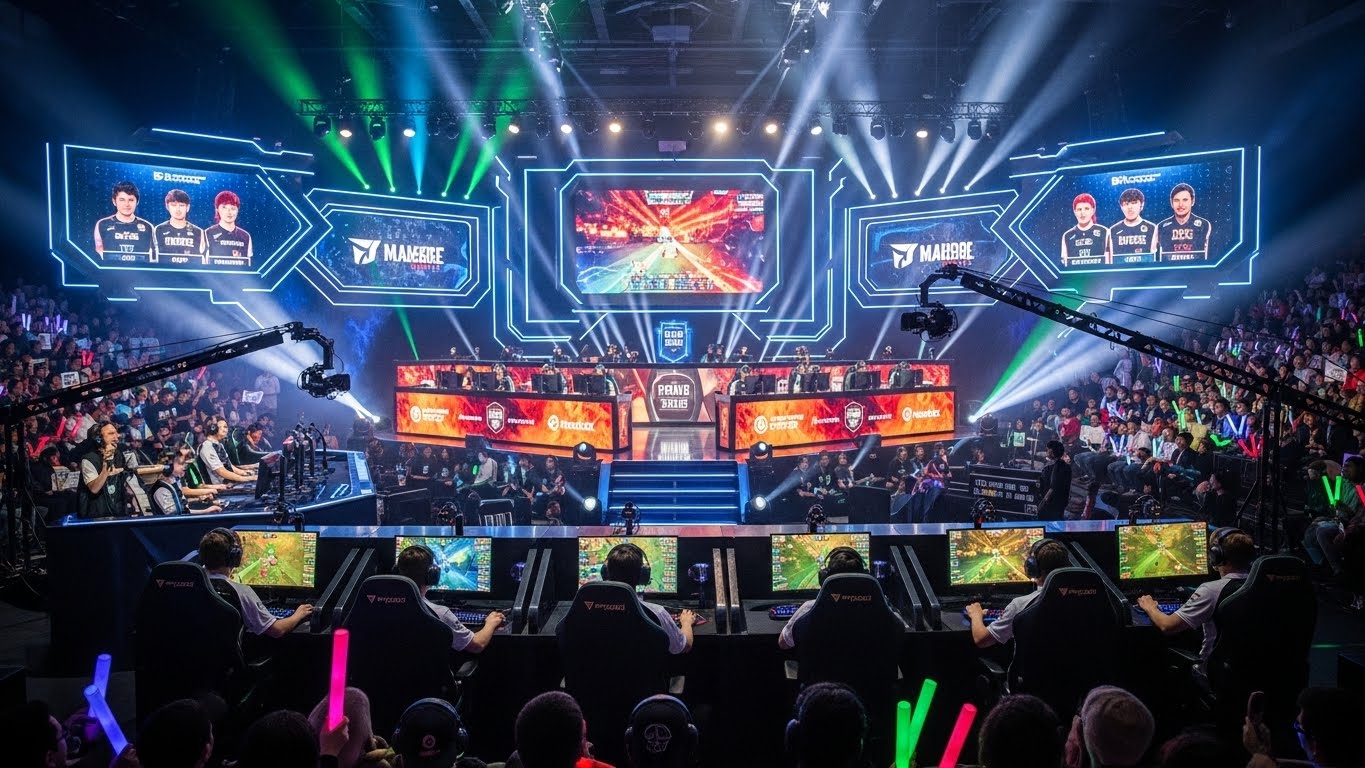
Esports is no longer just a hobby for dedicated gamers—it is a global industry that spans multiple continents and connects millions of people. The largest esports tournaments draw viewers from all over the world, and games like League of Legends, Dota 2, Counter-Strike, and Fortnite have global player bases. Major tournaments are broadcast in multiple languages, enabling fans to experience the excitement regardless of their location.
Esports has also opened new opportunities for young gamers to achieve recognition, with many professional players rising to stardom at a very young age. Players from countries around the world, including South Korea, China, the United States, and Europe, now compete on a level playing field, breaking down barriers and fostering a global sense of community.
Furthermore, esports has had a significant impact on education. Colleges and universities across North America and Europe have introduced esports programs, offering scholarships to promising players and creating dedicated esports facilities. Universities like the University of California, Irvine, and the University of Warwick in the UK have established competitive gaming programs, providing students with opportunities to pursue both their education and their passion for gaming.
The Future of Esports: Challenges and Opportunities
As esports continues to grow, it faces several challenges and opportunities. One of the biggest challenges is ensuring the sustainability of the industry. While prize pools and sponsorships continue to grow, the long-term financial health of esports organizations and tournaments will depend on diversifying revenue streams and maintaining a stable fanbase. This will require innovative thinking and the exploration of new business models, such as exclusive content, pay-per-view events, and media partnerships.
Another challenge is the professionalization of esports. As the industry becomes more mainstream, there is a growing need for regulation and governance to ensure fair play and the well-being of players. Issues such as player burnout, mental health, and the pressure to perform at the highest level are areas that require attention and support.
On the flip side, the opportunities in esports are vast. The integration of new technologies, such as virtual reality (VR) and augmented reality (AR), could transform the way esports are experienced, offering immersive experiences for both players and viewers. Additionally, the continued