
 proesportszone51
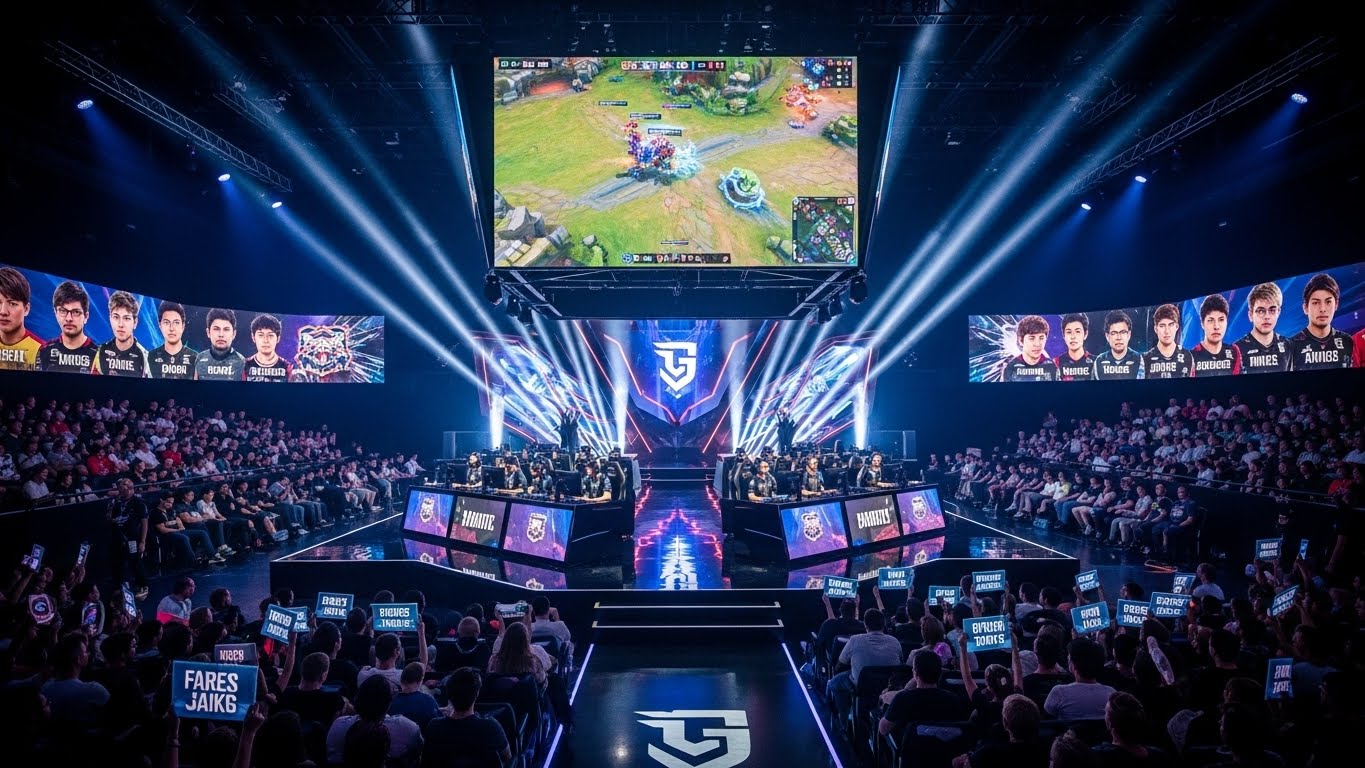
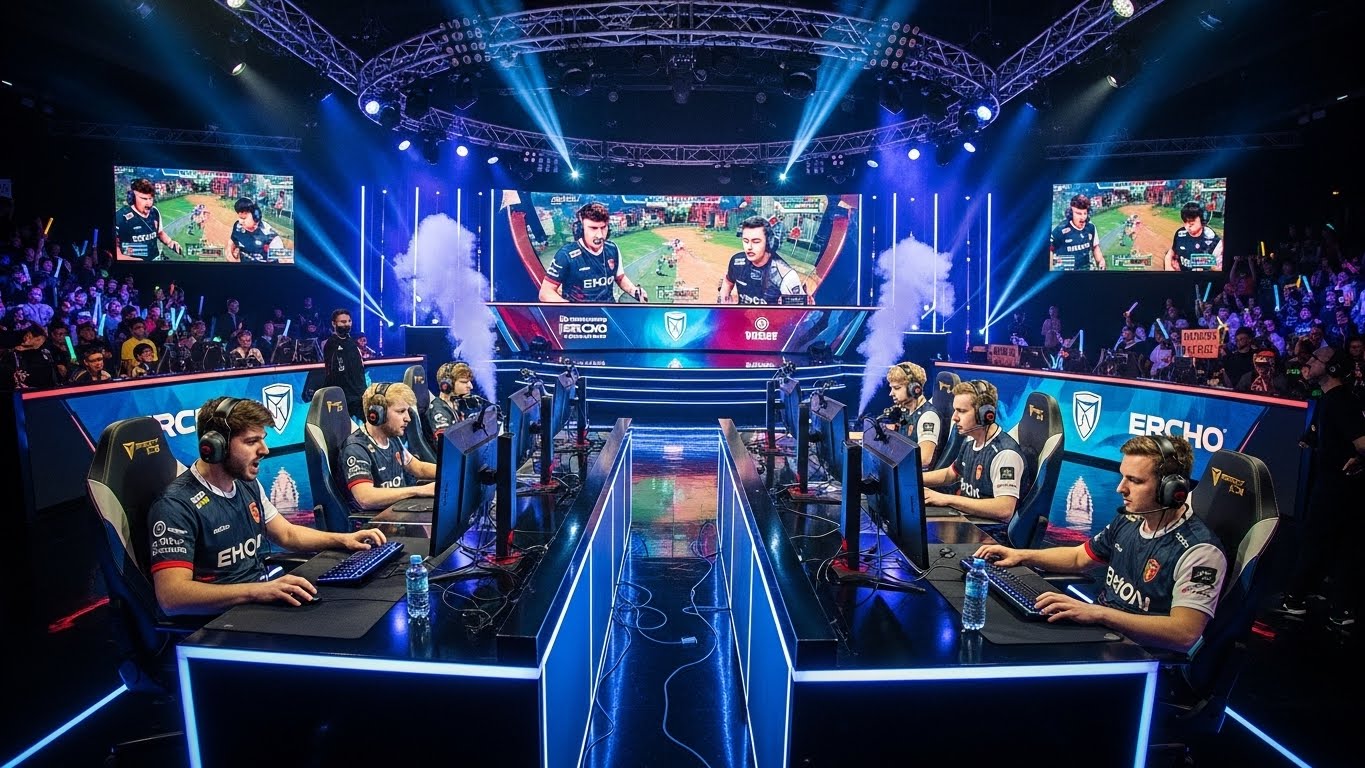
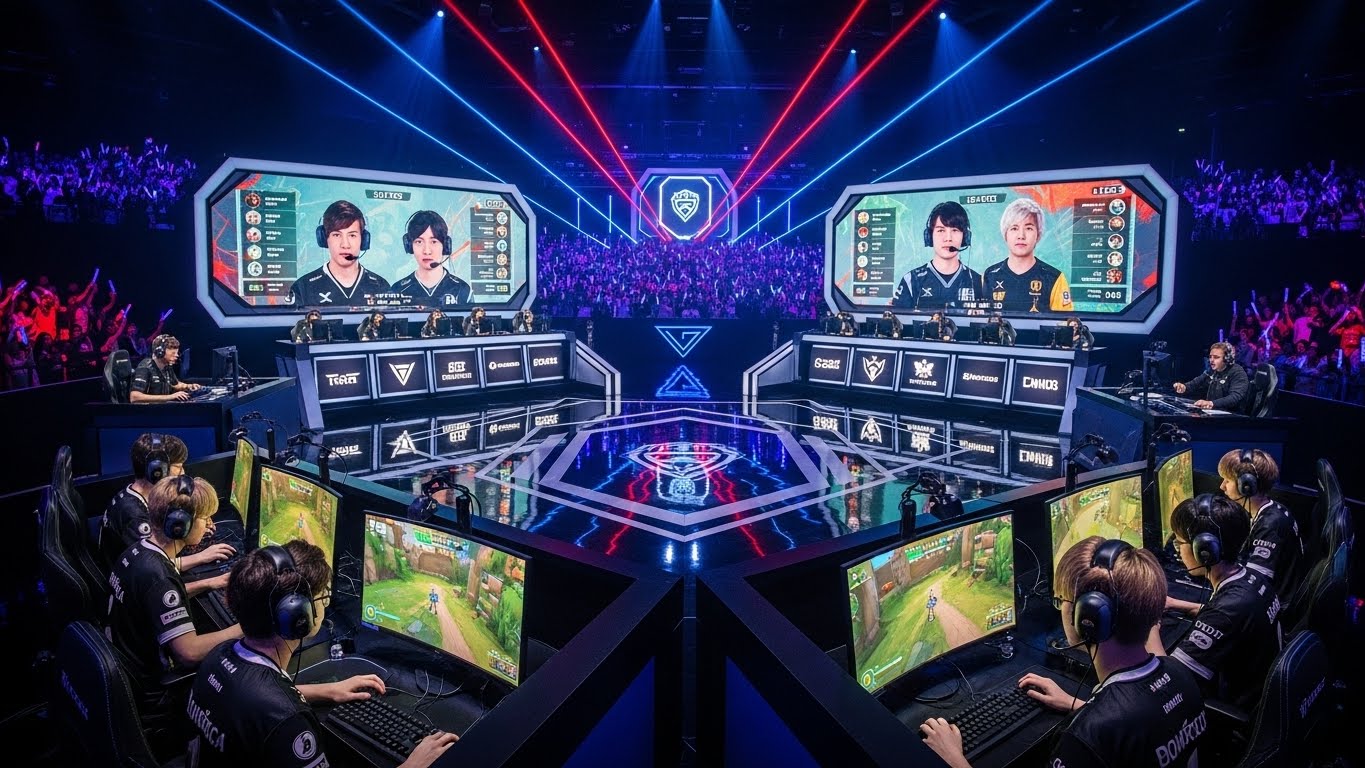
Esports, short for electronic sports, has evolved from a niche hobby into a global phenomenon over the past two decades. What began as small competitions among friends in arcades or online forums has transformed into a billion-dollar industry, captivating millions of viewers and inspiring a generation of professional gamers. Today, esports is not just about playing video games; it is a cultural movement, a career path, and a rapidly expanding sector that rivals traditional sports in popularity and impact.
Understanding Esports: More Than Just Gaming
At its core, esports refers to competitive video gaming where players or teams compete in structured tournaments or leagues. These competitions span a wide range of game genres, including multiplayer online battle arenas (MOBAs), first-person shooters (FPS), real-time strategy games (RTS), and sports simulations. Some of the most popular titles include League of Legends, Dota 2, Counter-Strike: Global Offensive, Overwatch, and Fortnite. Each game has its own community, rules, and professional ecosystem, contributing to the diversity and richness of esports as a whole.
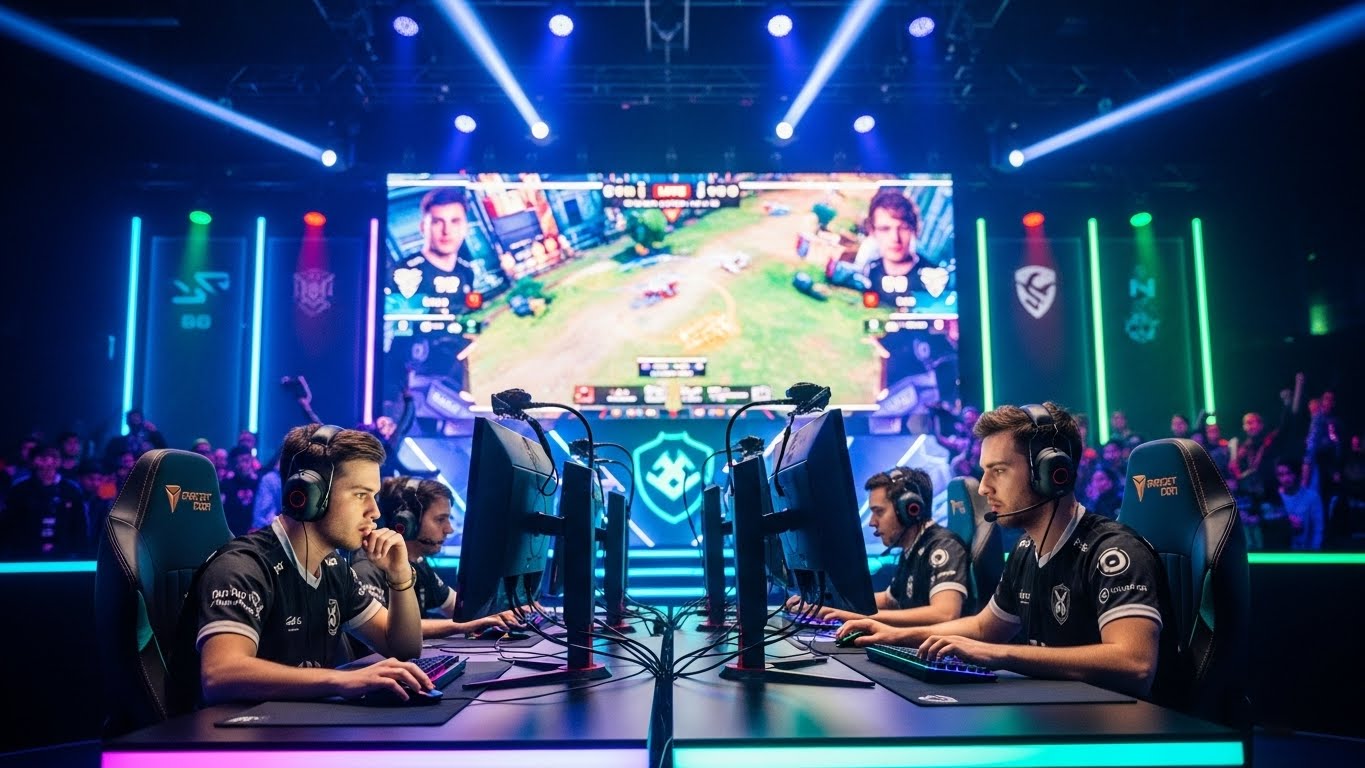
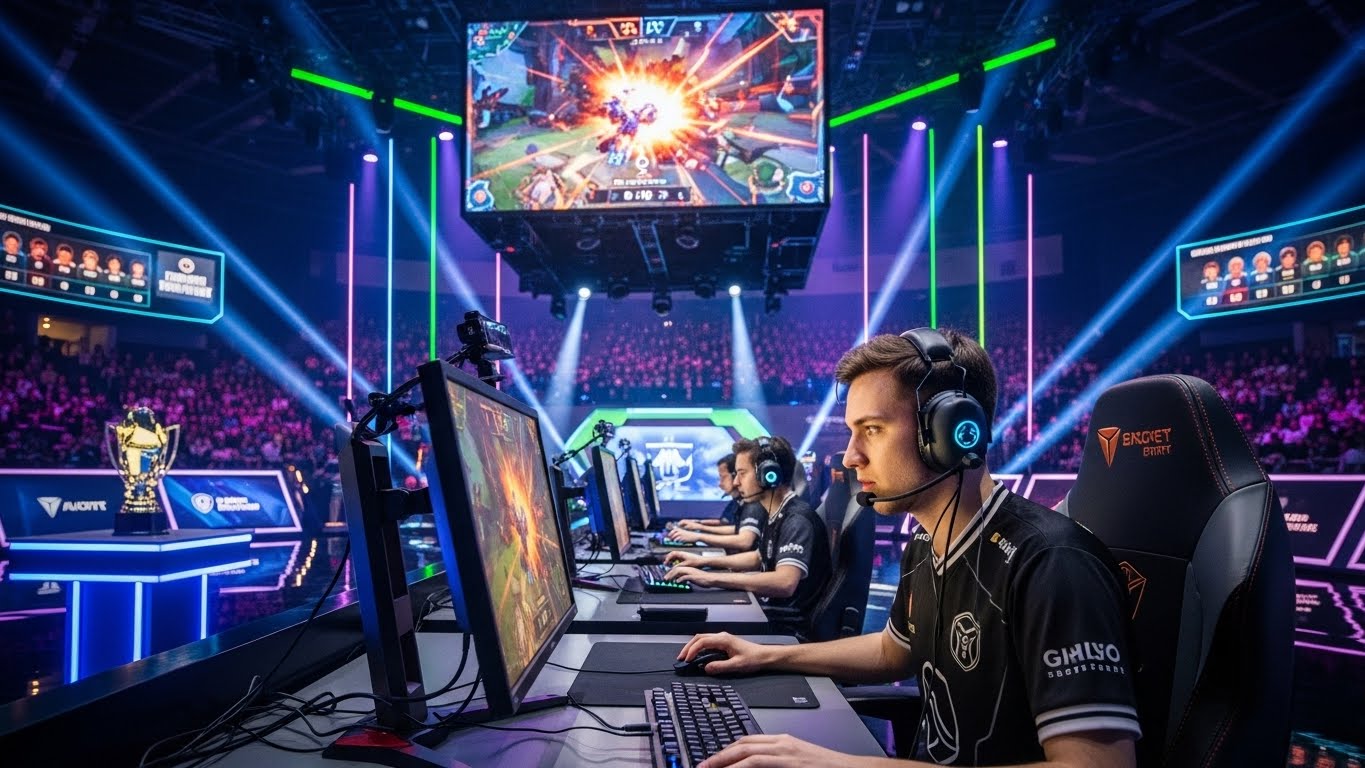
Unlike casual gaming, esports requires high levels of skill, strategy, teamwork, and mental resilience. Professional players dedicate countless hours to training, refining techniques, analyzing opponents, and maintaining peak performance. Much like traditional athletes, esports professionals follow rigorous practice schedules, undergo coaching, and participate in boot camps to stay competitive.
The Historical Evolution of Esports
Esports has a fascinating history that reflects the growth of technology and gaming culture. In the late 1970s and 1980s, competitive gaming took root with simple arcade competitions, often held in local arcades or university campuses. The 1980s also saw the first large-scale gaming tournaments, with titles like Space Invaders and Pac-Man leading the way. These events were modest compared to today’s standards but laid the groundwork for the concept of organized gaming competitions.
The 1990s marked a significant turning point with the rise of personal computers and internet connectivity. Games like StarCraft, Quake, and Warcraft III gained immense popularity, and online ladders allowed players to compete across cities and countries. South Korea emerged as a central hub for esports during this era, particularly with the professionalization of StarCraft tournaments. Televised broadcasts of matches and the establishment of dedicated esports leagues propelled competitive gaming into mainstream consciousness.
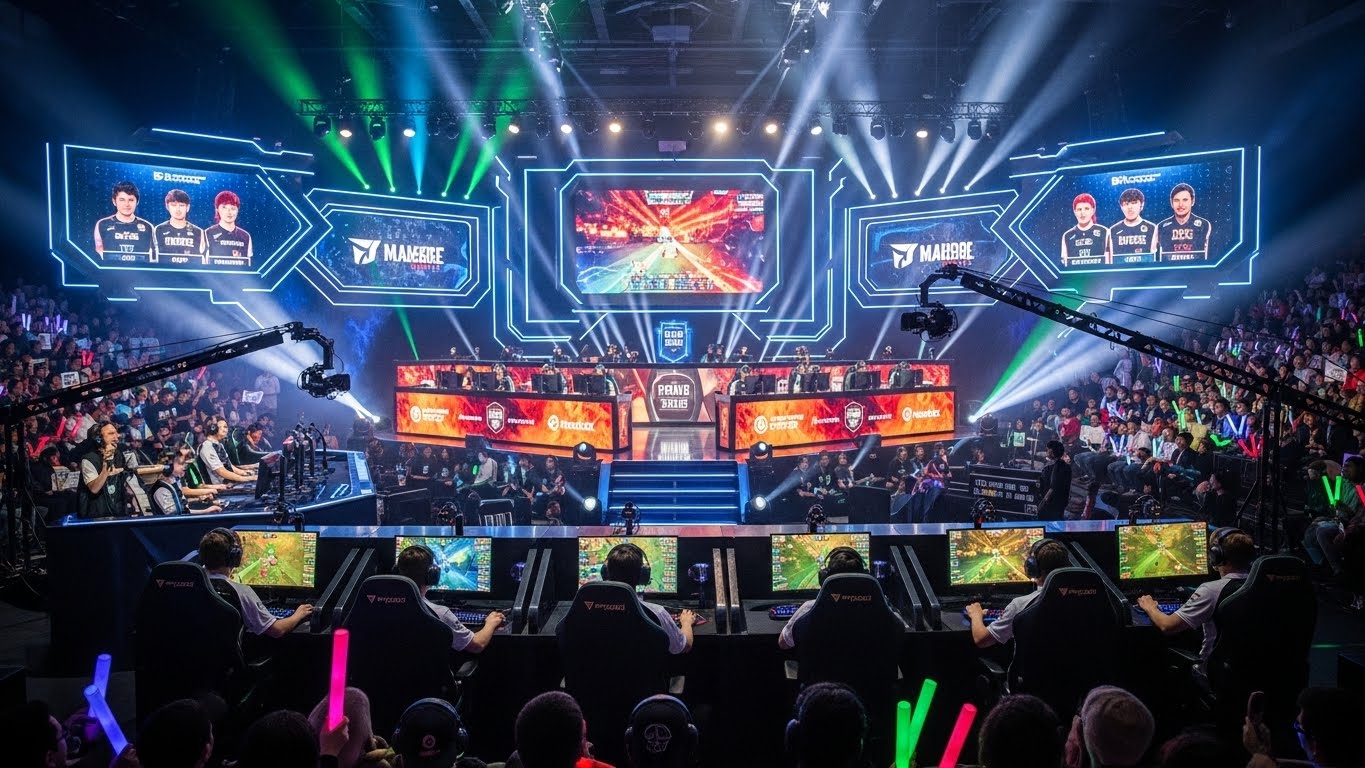
By the 2000s, esports had expanded internationally. The introduction of high-speed internet, streaming platforms, and gaming conventions allowed fans to follow tournaments in real time, broadening the audience and increasing sponsorship opportunities. Today, esports boasts professional leagues, global tournaments with multi-million-dollar prize pools, and millions of spectators watching both online and in arenas around the world.
Popular Esports Genres and Their Appeal
Esports encompasses a wide variety of game genres, each offering unique competitive experiences and challenges. Understanding these genres helps explain why esports has such broad appeal.
Multiplayer Online Battle Arena (MOBA)
MOBAs, such as League of Legends and Dota 2, are among the most prominent esports genres. These games involve two teams of players competing to destroy each other’s base while strategically controlling characters, managing resources, and coordinating team play. MOBAs demand strong tactical awareness, fast decision-making, and exceptional teamwork. The intense competition and intricate strategies make MOBAs highly engaging for both players and viewers.
First-Person Shooters (FPS)
FPS games like Counter-Strike: Global Offensive, Valorant, and Call of Duty are centered around shooting mechanics and precision. Players compete individually or in teams to achieve objectives such as eliminating opponents or capturing specific points on a map. FPS esports are renowned for their fast-paced action, high reflex demands, and immersive gameplay, making them a thrilling spectator experience.
Real-Time Strategy (RTS)
RTS games such as StarCraft and Age of Empires focus on resource management, strategic planning, and rapid decision-making. Players must build bases, gather resources, and command armies in real time to outmaneuver opponents. RTS esports emphasize intelligence, foresight, and adaptability, appealing to players who enjoy cerebral and tactical challenges.
Battle Royale
Battle royale games, exemplified by Fortnite and Apex Legends, involve large-scale survival competitions where players fight to be the last one standing. These games combine elements of strategy, agility, and situational awareness. The unpredictable nature of battle royale matches and their emphasis on skill and quick thinking contribute to their massive popularity in esports.
Sports Simulation
Sports simulation games like FIFA and NBA 2K replicate real-world sports within a virtual environment. Players compete in matches, tournaments, or leagues, often mirroring professional sports structures. These games attract traditional sports fans, bridging the gap between conventional athletics and competitive gaming.
Esports as a Professional Career
Esports has emerged as a legitimate career path for many individuals. Professional gamers earn income through tournament winnings, sponsorship deals, streaming, and merchandise sales. Top-tier players can earn salaries comparable to those of professional athletes in traditional sports. Organizations often provide player contracts, coaching staff, and training facilities, reflecting the professionalization of esports.
Beyond players, the esports ecosystem includes coaches, analysts, commentators, tournament organizers, and content creators. This diverse industry offers opportunities for individuals with various skills, including marketing, event management, graphic design, and data analysis. The career potential in esports has attracted investors, brands, and media companies eager to capitalize on the booming market.
The Role of Streaming and Online Platforms
One of the key factors behind the explosive growth of esports is the rise of streaming platforms such as Twitch, YouTube Gaming, and Facebook Gaming. These platforms allow players to broadcast gameplay to global audiences, enabling fans to watch live matches, follow favorite players, and engage with the community. Streaming has also created new revenue streams for players, including subscriptions, donations, and sponsorships.
Esports content has become a major form of entertainment, with tournaments drawing millions of viewers and generating massive online engagement. Platforms also facilitate interactive experiences, allowing fans to comment in real time, participate in polls, and even influence gameplay decisions in certain formats. This level of engagement is unparalleled in traditional sports, highlighting the unique appeal of esports.
The Global Impact of Esports
Esports has a profound cultural, economic, and social impact worldwide. Major tournaments attract international audiences, fostering cross-cultural connections and promoting diversity. Countries such as South Korea, China, the United States, and several European nations have established dedicated esports infrastructure, including stadiums, academies, and national leagues.
Economically, esports has become a multibillion-dollar industry. Sponsorships, advertising, merchandise, ticket sales, and media rights contribute significantly to revenue generation. Corporations from gaming, technology, and non-gaming sectors invest heavily in esports, recognizing its potential to reach younger, digitally engaged audiences.
Socially, esports has reshaped perceptions of gaming. It provides a platform for skill-based competition, teamwork, and personal achievement. Esports communities foster camaraderie, mentorship, and creative expression. Additionally, esports has influenced education, with universities and colleges offering esports scholarships and programs, integrating gaming into academic and extracurricular activities.
Challenges and Controversies in Esports
Despite its growth, esports faces challenges and controversies. One major concern is player burnout. The intense practice schedules and high-pressure competitions can lead to physical and mental health issues, including repetitive strain injuries, sleep deprivation, and stress. Organizations are increasingly prioritizing player well-being, but the pressure to perform remains significant.
Another challenge is regulation and governance. The esports industry is relatively young, with no universal governing body to standardize rules, contracts, or competition structures. This can lead to disputes, inconsistent practices, and questions about fairness. Efforts are underway to professionalize governance and ensure ethical practices.
Cheating and match-fixing are additional concerns. Online gaming environments can be vulnerable to hacking, cheating software, and fraudulent behavior. Ensuring integrity in competitions is essential for maintaining credibility and fan trust.
Finally, inclusivity remains an ongoing challenge. While esports has made strides in diversifying its player base, issues such as gender representation, harassment, and accessibility persist. Promoting inclusivity is critical for the long-term sustainability of the industry.
The Future of Esports
The future of esports is promising and filled with opportunities. Technological advancements such as virtual reality, augmented reality, and artificial intelligence are likely to shape new gaming experiences and competitive formats. As esports continues to integrate with mainstream media, traditional sports, and entertainment, it will attract wider audiences and more substantial investments.
Educational institutions are expected to expand esports programs, offering structured training, scholarships, and research opportunities. Professional leagues may adopt standardized governance models, ensuring fairness, transparency, and long-term viability. Additionally, esports may increasingly serve as a platform for social impact, using gaming to promote education, mental health awareness, and community engagement.
The continued rise of mobile gaming also opens new avenues for competitive gaming, particularly in regions with limited access to high-end PCs or consoles. Mobile esports tournaments are growing rapidly, bridging the gap between casual gamers and competitive players.
Conclusion
Esports has evolved from a small-scale pastime into a global industry with immense cultural, economic, and social significance. It combines the excitement of competition with the innovation of digital technology, offering professional opportunities, entertainment, and community engagement. While challenges such as player well-being, governance, and inclusivity persist, the rapid growth and mainstream acceptance of esports signal a bright future.
As the boundaries between traditional sports, gaming, and entertainment continue to blur, esports stands as a testament to the transformative power of technology and human creativity. For players, fans, and industry professionals alike, esports is not just a game—it is a movement that continues to shape the digital age.